



Material Culture13 materials
Materials
Linen, silk, wool and modern composites — the language of touch.
Acrylic
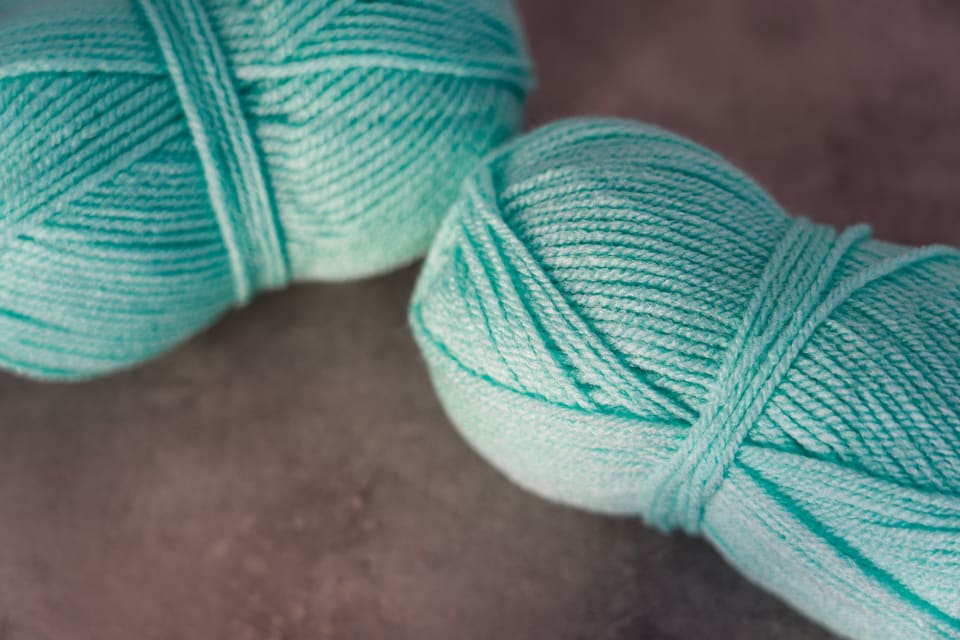
Acrylic is a synthetic fibre created as an affordable alternative to wool, which it resembles in look and feel: soft, fluffy and warm. Acrylic is light, holds bright colours well, is resistant to moth, mildew and fading, is non-allergenic and inexpensive. It is knitted into sweaters, hats, scarves, blankets and woven into faux fur and plush. Its main drawbacks are a tendency to pill, a build-up of static and poorer breathability compared with natural wool, so acrylic is often blended with wool or cotton to improve its properties. Despite this, it remains one of the most popular materials for warm knitwear thanks to its affordability and practicality. Acrylic is a democratic, versatile material that makes the warmth, colour and softness of a woollen aesthetic accessible to everyone.
Elastane
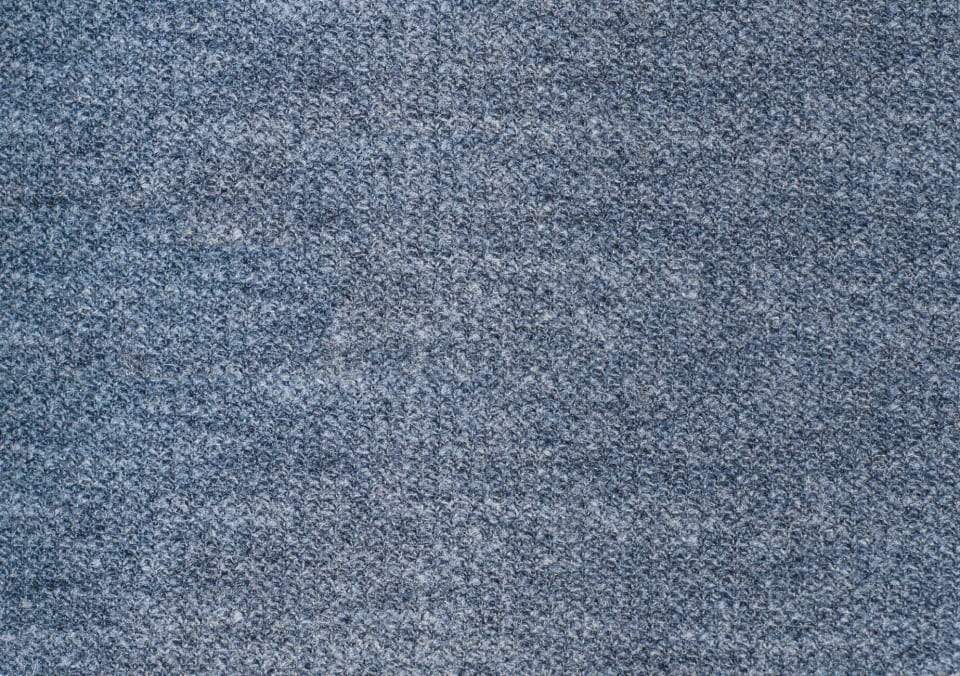
Elastane (also known as spandex or Lycra) is a synthetic fibre with exceptional elasticity: it can stretch several times its length and return to its original shape. Elastane is almost never used pure — it is added in a small amount (a few per cent) to other fabrics to give them stretch, good fit and the ability to hold their shape. It is precisely thanks to elastane that jeans hug the figure, sports and swimwear cling perfectly, and knitwear does not stretch out. The fibre was invented in 1958 and made a genuine revolution in the comfort of clothing. Elastane does not crease, is light and durable. It is the 'invisible hero' of the modern wardrobe — rarely the main material, but the one that gives freedom of movement, comfort and a perfect fit to almost any piece.
Faux fur
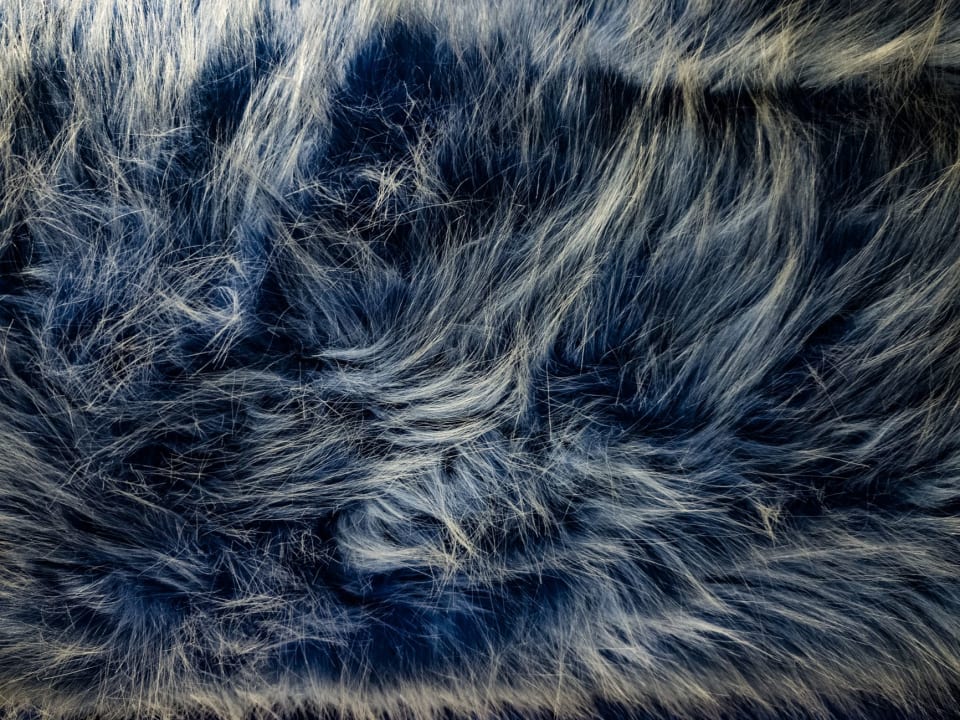
Faux fur is a synthetic material (mostly of acrylic, modacrylic or polyester) created to imitate the look and feel of natural fur without using animal raw material. Modern faux fur can be remarkably realistic — from short clipped pile to long fluffy, in a multitude of colours and textures, including fantasy ones that do not exist in nature. Its main advantages are ethics (no animal harmed), affordability, easy care and durability. It is used for coats, gilets, collar and hood trims, accessories and décor. The rise of conscious consumption has made faux fur an ethical alternative chosen by more and more brands. Faux fur is a material of warmth, a luxurious look and an ethical choice, in which the beauty and softness of fur combine with care for animals and the planet.
Faux Leather
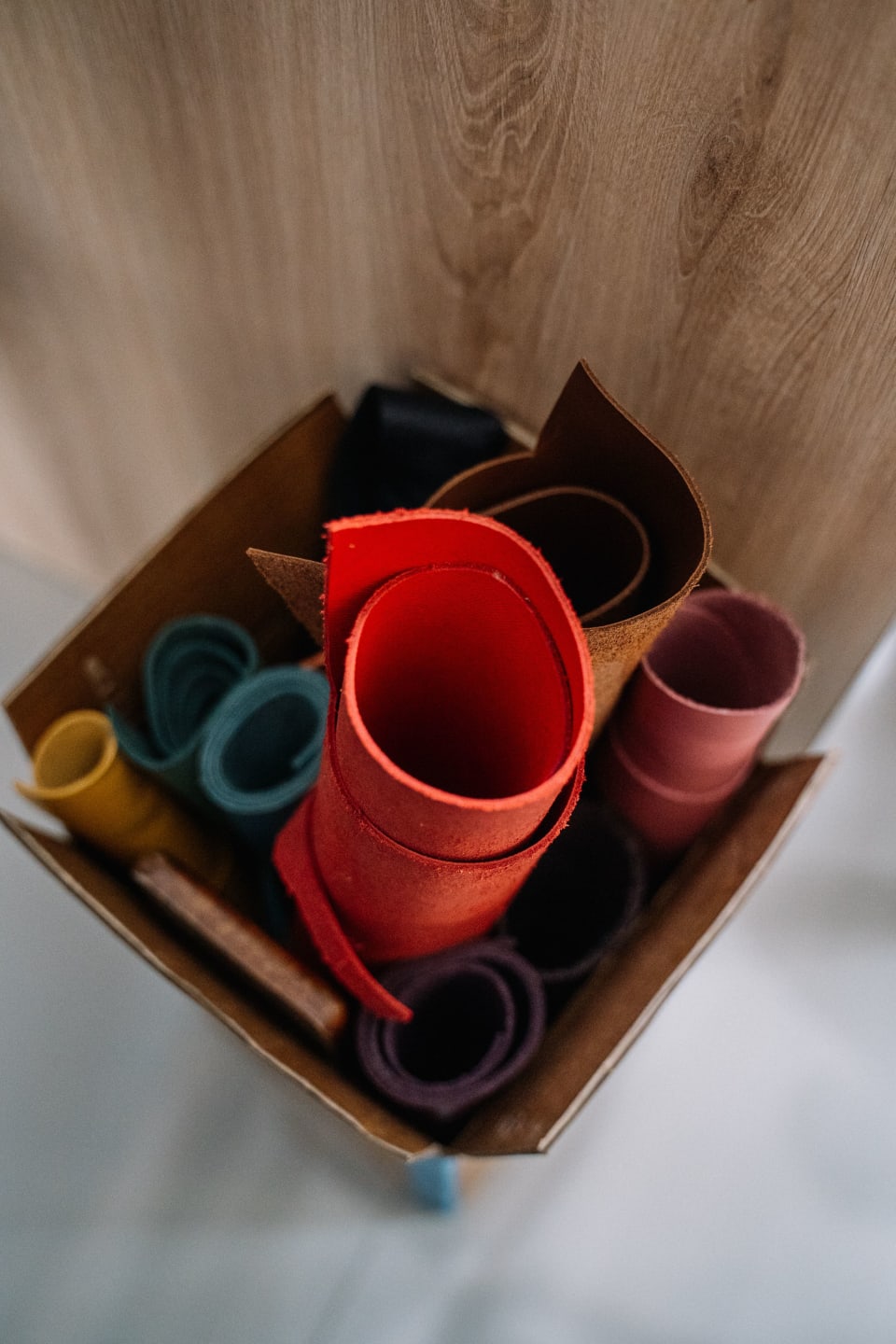
Faux leather is a synthetic or partly synthetic material that imitates genuine leather: a woven or non-woven base is coated with a polymer layer (polyurethane, less often PVC) embossed with a 'leather' grain. Its chief advantages are ethics (no animals), lower price, light weight, colour-fastness and easy wiping clean. Faux leather is widely used in jackets, skirts, trousers, bags and footwear. Its limits: it breathes less well and can crack or peel over time at flex points, especially cheap PVC versions. Modern polyurethane and plant-based alternatives are increasingly high-quality and durable.
Fleece
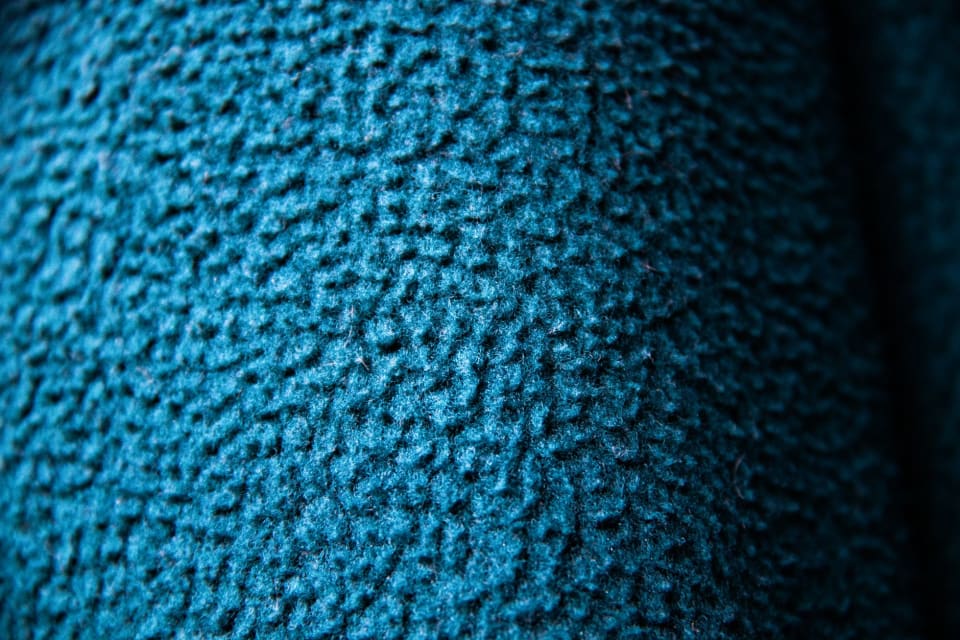
Fleece is a soft, light and warm synthetic fabric (mostly polyester) with a double-sided fluffy pile, created in 1979 (Malden Mills, USA, with Patagonia) as an affordable, quick-drying alternative to wool. Fleece is exceptionally warm at low weight, retains heat well even when damp, 'breathes' and dries almost instantly, so it became a favourite material of outdoor, sports and everyday clothing: sweaters, hoodies, gilets, jacket linings, blankets. It does not itch, is hypoallergenic and easy to care for. Its main drawbacks are static build-up and a tendency to pill. Fleece comes in various densities — from thin microfleece to thick 'sherpa'. Recently it has been actively brought back into fashion by the gorpcore aesthetic. Fleece is the embodiment of light, practical warmth, in which comfort, function and cosiness make it indispensable for active and everyday life.
Jersey
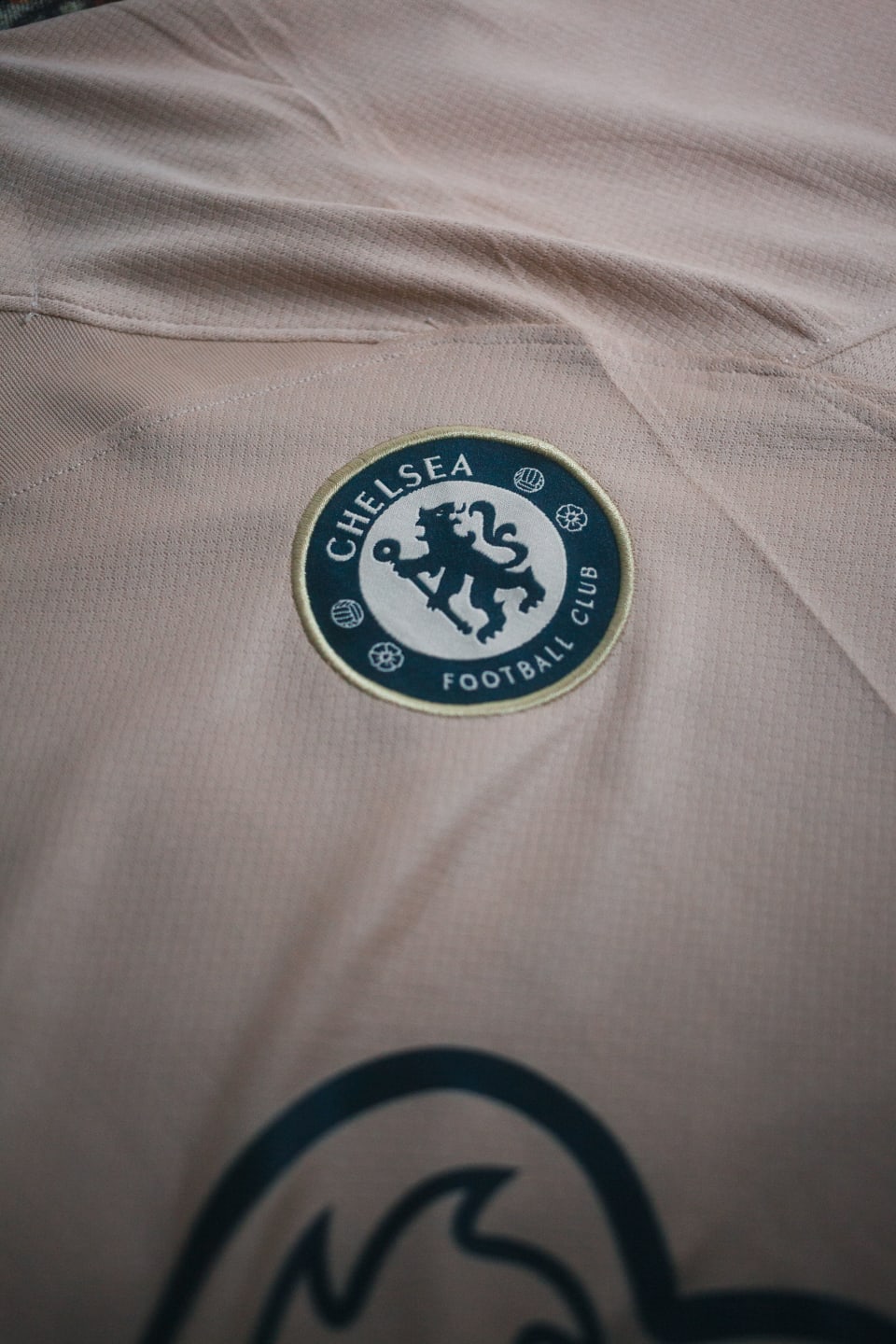
Jersey is not a weave but a knit: a fabric looped from a single continuous yarn rather than woven from warp and weft. This is why jersey is naturally elastic — it stretches and recovers, softly hugging the body without fastenings or darts. It takes its name from the island of Jersey, and Coco Chanel brought it into high fashion, freeing women from corseted tailoring. Jersey is made from wool, cotton, viscose or synthetics and is cut into T-shirts, clingy dresses, roll-necks and sportswear. Its weakness: the edges can curl, and fine jersey snags and stretches.
Lyocell
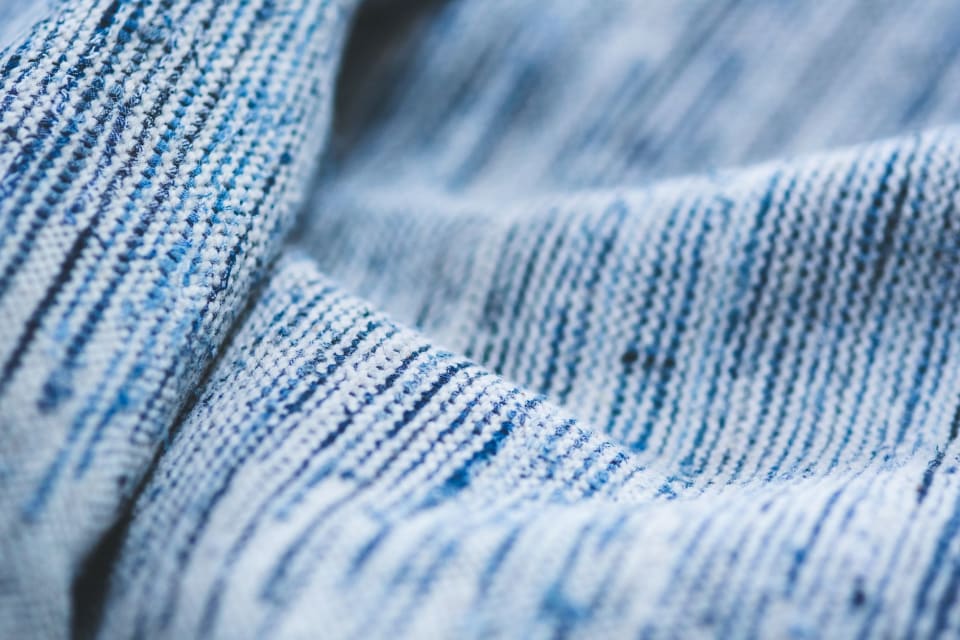
Lyocell (known by the brand name Tencel) is a modern ecological fibre obtained from wood cellulose (mainly eucalyptus) in a closed-loop production where the solvent is almost fully recycled. This makes lyocell one of the most 'green' textiles. The fabric is exceptionally soft, silky to the touch, strong (even when wet), absorbs moisture superbly and 'breathes', is naturally antibacterial and resistant to creasing. Lyocell drapes well and has a light natural sheen, so it is used for dresses, blouses, shirts, jeans, underwear and bedding. It is often blended with other fibres. Lyocell combines the comfort of natural fabrics with strength and ecology. It is the embodiment of responsible modern fashion, in which care for the planet combines with silky comfort and practicality.
Modal
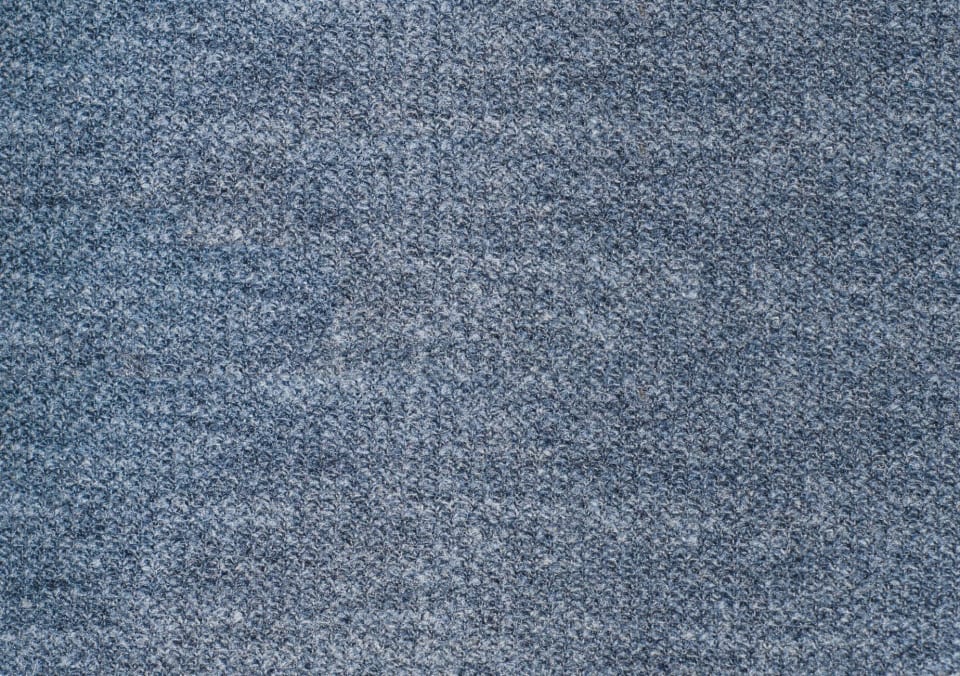
Modal is a semi-synthetic fibre and fabric obtained from beech-wood cellulose by a special technology. Essentially it is an improved kind of viscose: modal is stronger (especially when wet), softer and more resistant to shrinkage and deformation. The fabric is exceptionally pleasant to the touch — smooth, silky, stretches well and 'breathes', absorbs moisture superbly, holds colour and does not crease. Because of these qualities modal is widely used in underwear, T-shirts, lingerie and homewear, sportswear and anything that needs comfort and softness. It is often blended with cotton or elastane. Modal is considered more ecological than many synthetics, since it is biodegradable and made from renewable raw material. Modal is the embodiment of modern comfort, in which a natural origin combines with silky softness and practicality.
Neoprene
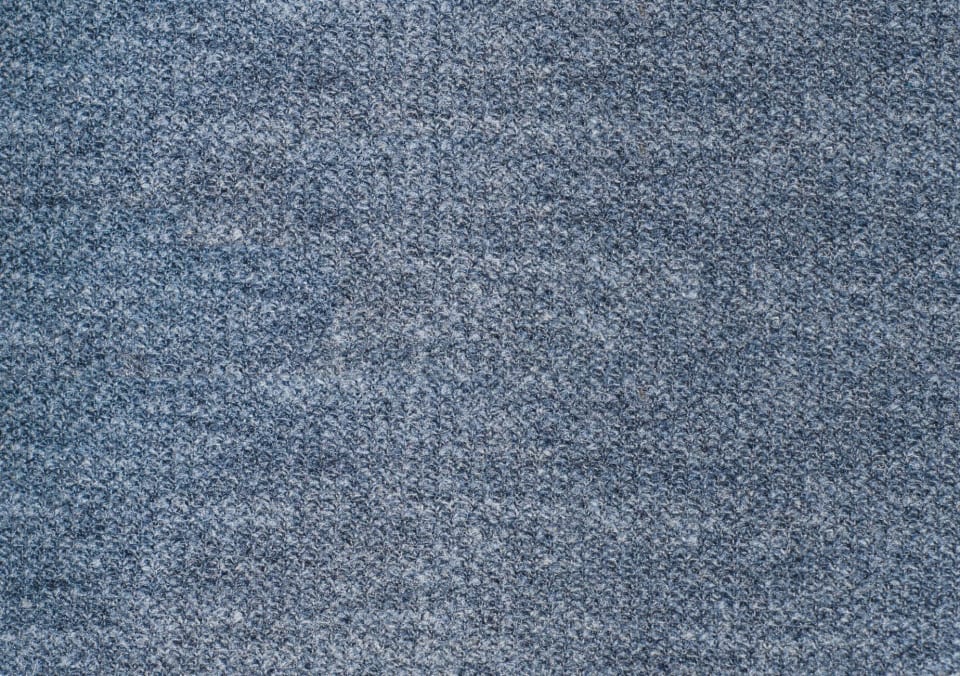
Neoprene is a synthetic, spongy material (foamed synthetic rubber), known primarily as the fabric of wetsuits thanks to its water resistance and ability to retain heat. Neoprene entered fashion in the 2010s, when designers appreciated its unique property — a density and springiness that lets the fabric hold a clean, almost sculptural shape. Neoprene pieces do not cling but 'stand', creating voluminous, graphic silhouettes, so it is used for structured dresses, skirts, tops and jackets. The material is pleasantly dense, holds the geometry of a cut well and does not crease. It is often used in sportswear and avant-garde clothing. Neoprene is a modern, 'technological' material, in which a sports origin and unique structural quality open up possibilities for designers to create bold, architectural forms.
Nylon
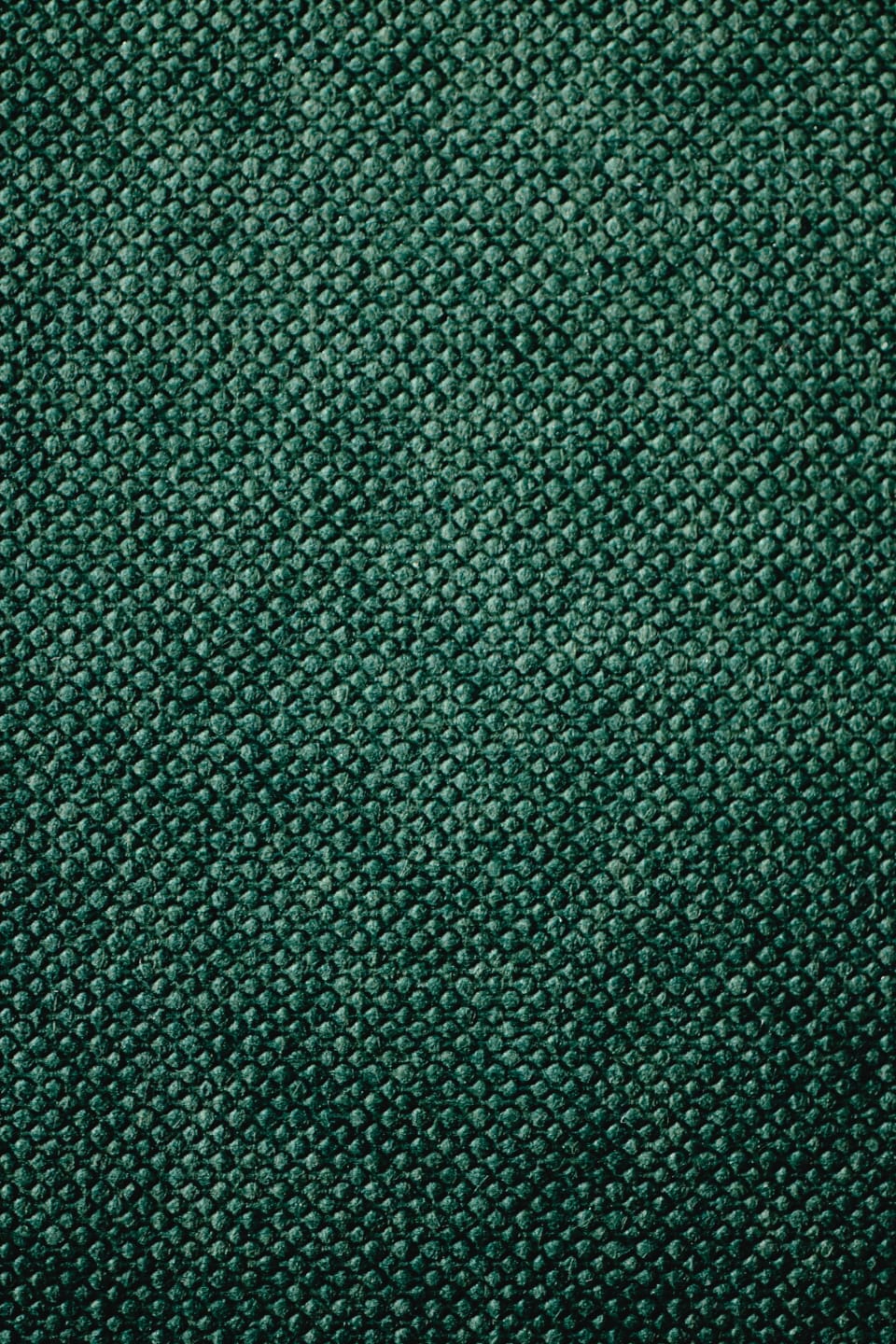
Nylon was the first fully synthetic fibre, created by DuPont in the 1930s and first used commercially in toothbrush bristles (1938), then made famous by women's stockings (shown 1939, sold 1940), which caused a sensation. It is a polyamide — an extremely strong, light and elastic filament, resistant to abrasion, moisture and many chemicals. Nylon dries quickly, barely creases and holds its shape, which makes it indispensable in sportswear and outerwear, lingerie, hosiery, jackets and accessories. Its downsides: it does not breathe as natural fibres do, can build up static and melts at high temperatures. It is often blended with other fibres for balance.
Other Fashion Dimensions
Continue Exploring
Related sections




