

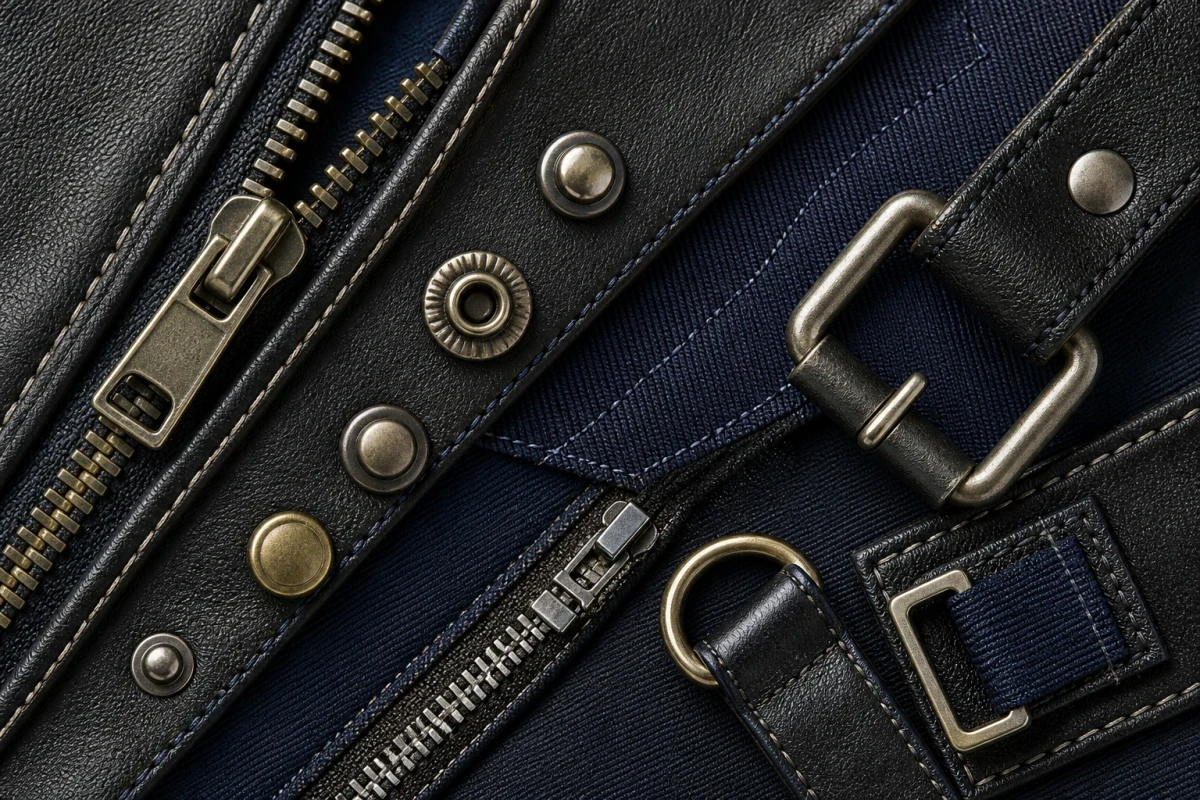
The Telling Detail44 details
Details
Stitching, hardware, buttons — the language quality speaks.
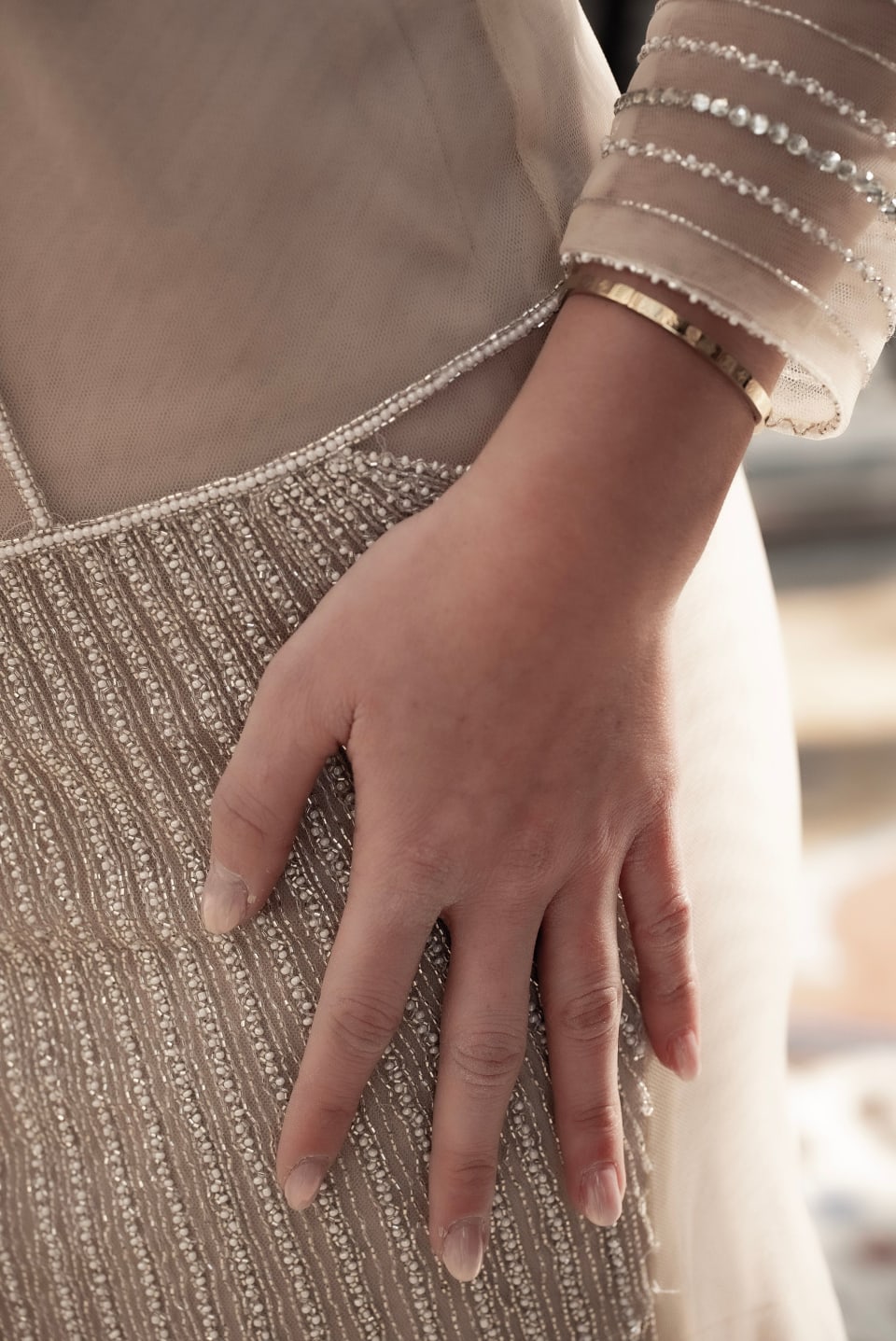
Beading
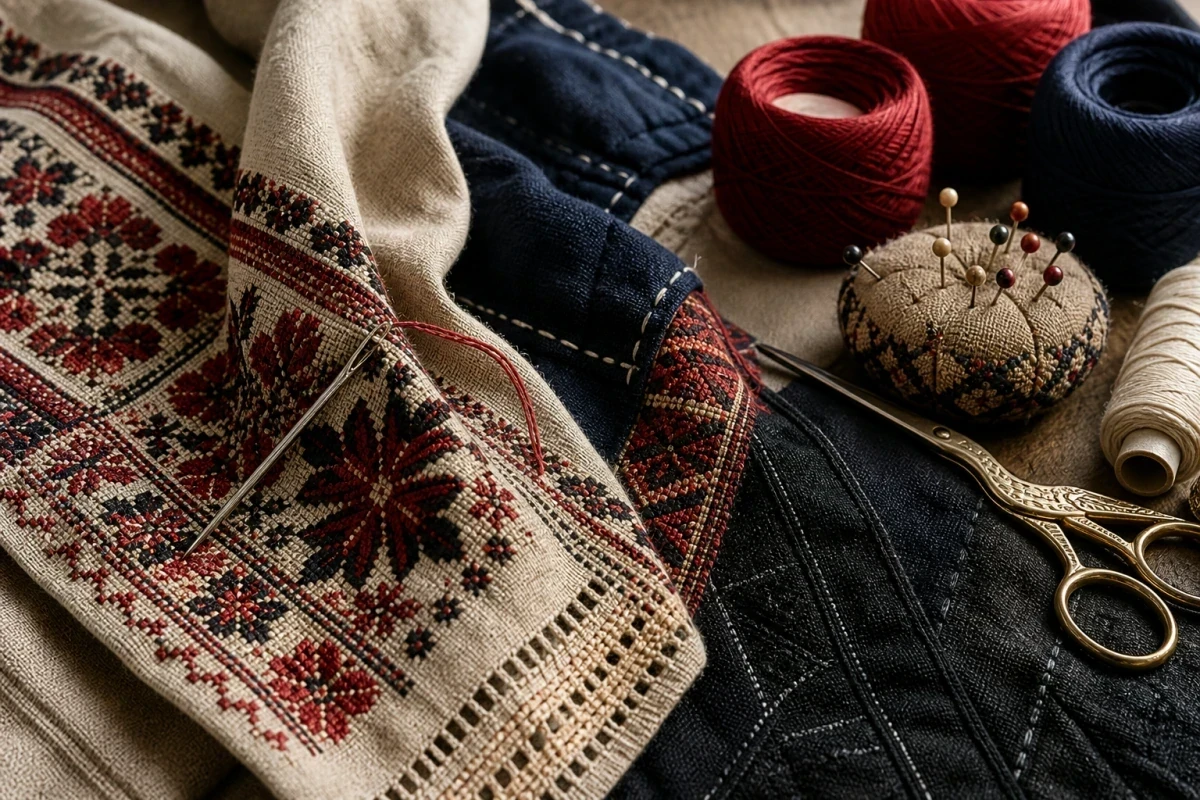
Beading is a decorative technique in which small beads are sewn to fabric one by one, building up patterns, solid shimmering surfaces or three-dimensional motifs. It is one of the most labour-intensive kinds of decoration: the maker places hundreds and thousands of beads by needle, which is why beadwork was always a sign of luxury and hand labour. In Ukrainian tradition beads were widely used in folk dress (bead embroidery on shirts, bead-trimmed sheepskin coats, and bead-woven neck ornaments such as gerdany and sylianky) and in the decoration of icons. Today beading is prized in couture, bridal and evening dresses, where it creates a play of light and texture. It is a detail that embodies patience, mastery and the precious, 'handmade' value of a piece.
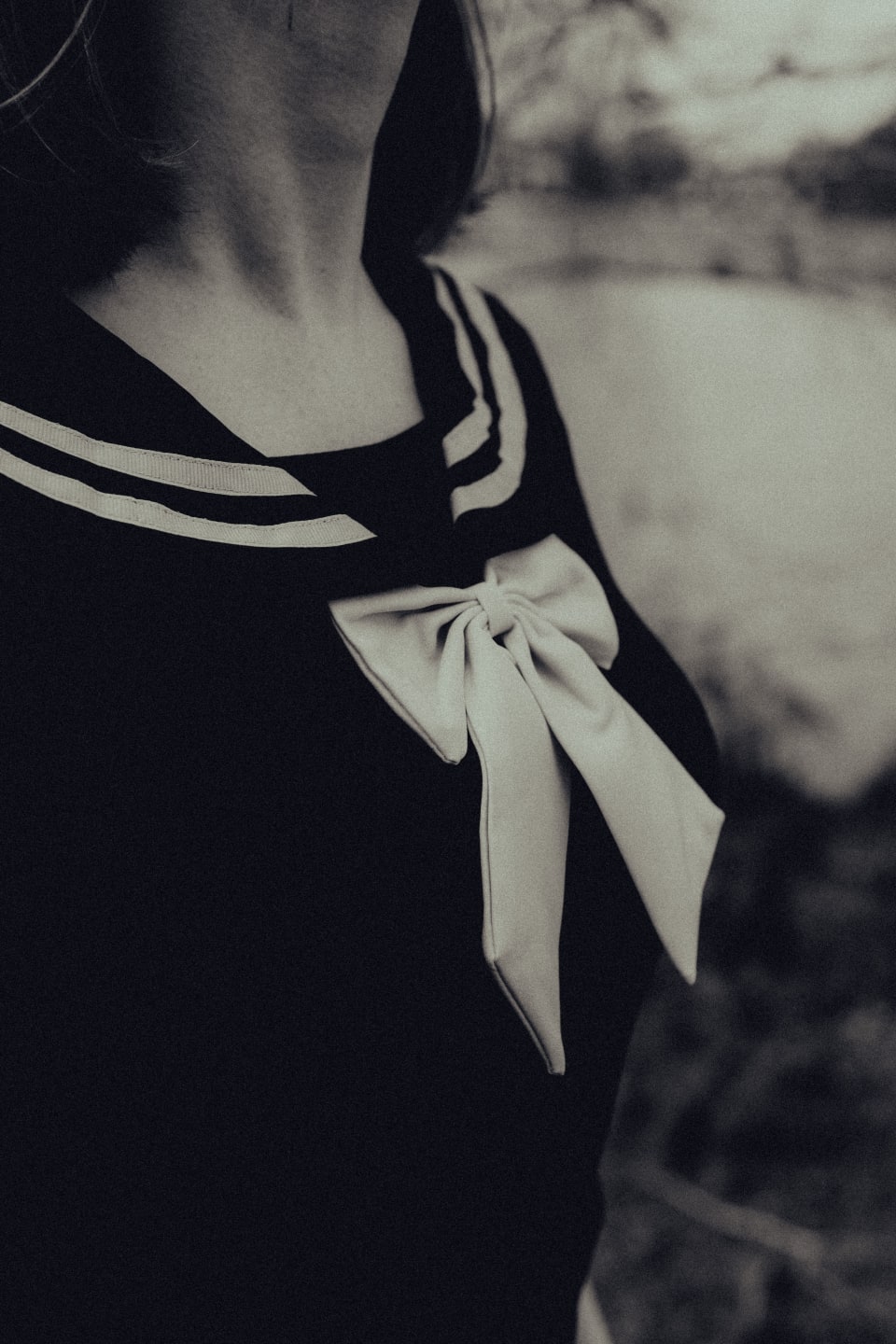
Bow
The bow is a decorative knot of ribbon or fabric with two loops and free ends, one of the most romantic and feminine details in fashion. A bow can be a tiny accent at the collar or a huge dramatic element on the back of an evening dress. Historically ribbon bows richly adorned the dress of the Rococo era as a symbol of playfulness and refinement. The bow carries a sense of festivity, tenderness, sometimes childlike spontaneity or, conversely, a flirtatious play. It is tied on blouses, dresses, footwear, belts and as a hair ornament. Despite its simplicity, a well-tied bow is a detail that instantly adds softness and decorative completeness to a look.
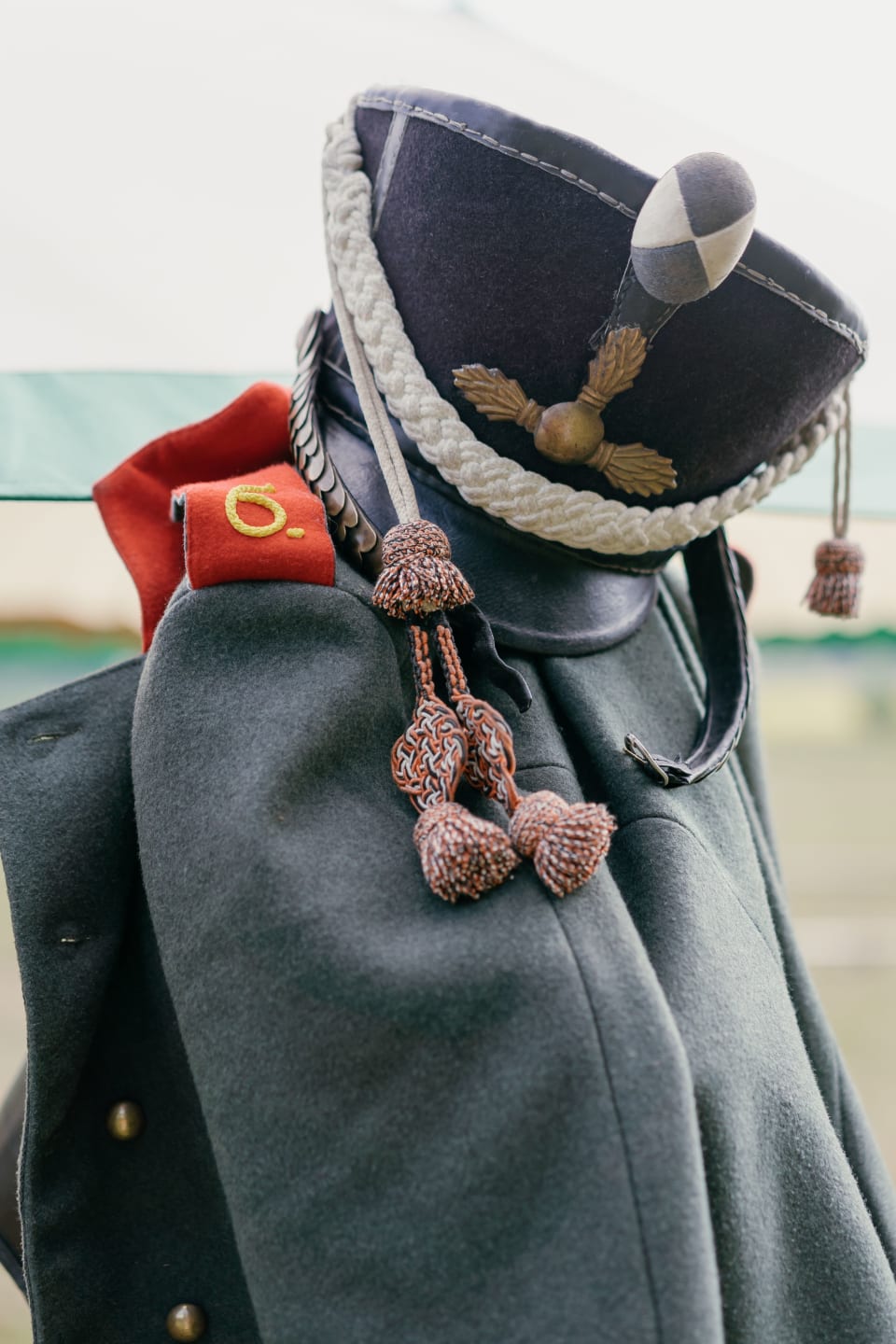
Braid/Trim
Braid/trim is a narrow plaited or woven ribbon used to finish the edges, seams and surfaces of clothing, accessories and décor. Braid is at once decorative and functional: it neatly finishes and strengthens an edge, hides a seam and gives a piece a graphic, 'finished' completeness. There are countless kinds — flat, three-dimensional, with lurex, decorative soutache, galloon. Historically braid and galloons were a sign of uniform and ceremonial dress (the trimming of tunics, liveries), as well as folk clothing, where plaited ribbons richly adorned coats and bodices. Contrasting braid is an expressive device that emphasises the lines of the cut. It is a detail that gives a piece a tidy, smart and slightly 'ceremonial' appearance.
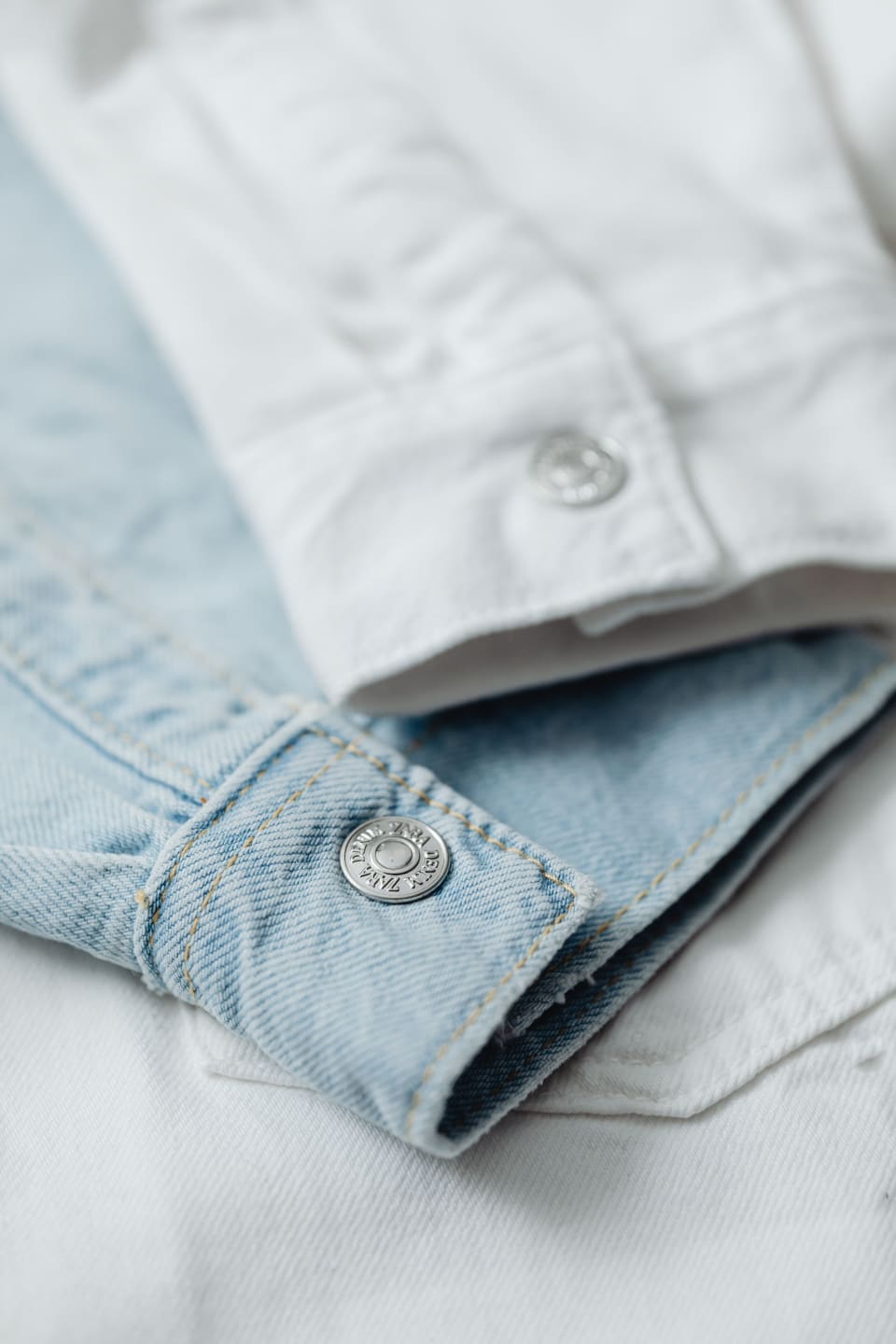
Button
The button is a small but extremely important garment detail that fastens clothing by passing through a buttonhole, while also often serving as ornament. Historically the button evolved from a purely decorative stud (in antiquity clothes were held with fibulae and cords) into the chief fastening element. The material and finish of buttons always reflected status: mother-of-pearl, horn, fabric-covered, metal with coats of arms. In folk dress buttons and hooks also had their own logic and symbolism. Today the button is both function and accent: a contrasting row of buttons can change the whole character of a garment. A quality button, securely sewn, is a sign of the neatness of the whole piece.
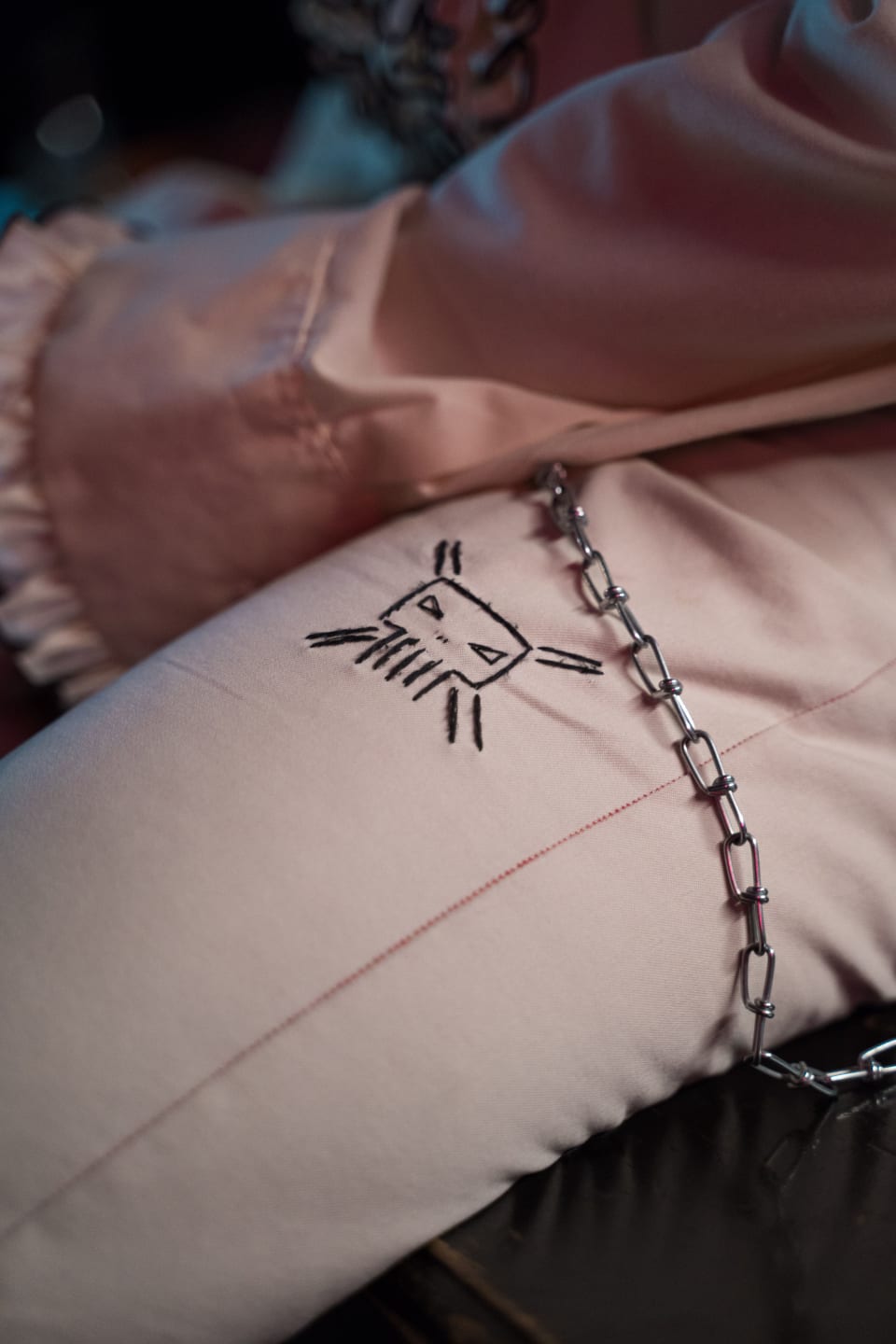
Chain
The chain is a detail of sequentially linked metal links, serving as both an ornament and a functional element. As jewellery a chain is worn on the neck, wrist or as a base for a pendant; its link pattern (cable, curb, rope, Bismarck) determines both strength and appearance. But a chain is also a detail of clothing and accessories: chain bag handles, decorative chains on jackets and belts, footwear trim. A metal chain carries a double meaning — the refined jewellery tenderness of a fine link, or conversely the rough, rebellious aesthetic of biker and punk style. It is a detail that combines strength, the shine of metal and the characteristic, 'jingling' movement of its links.
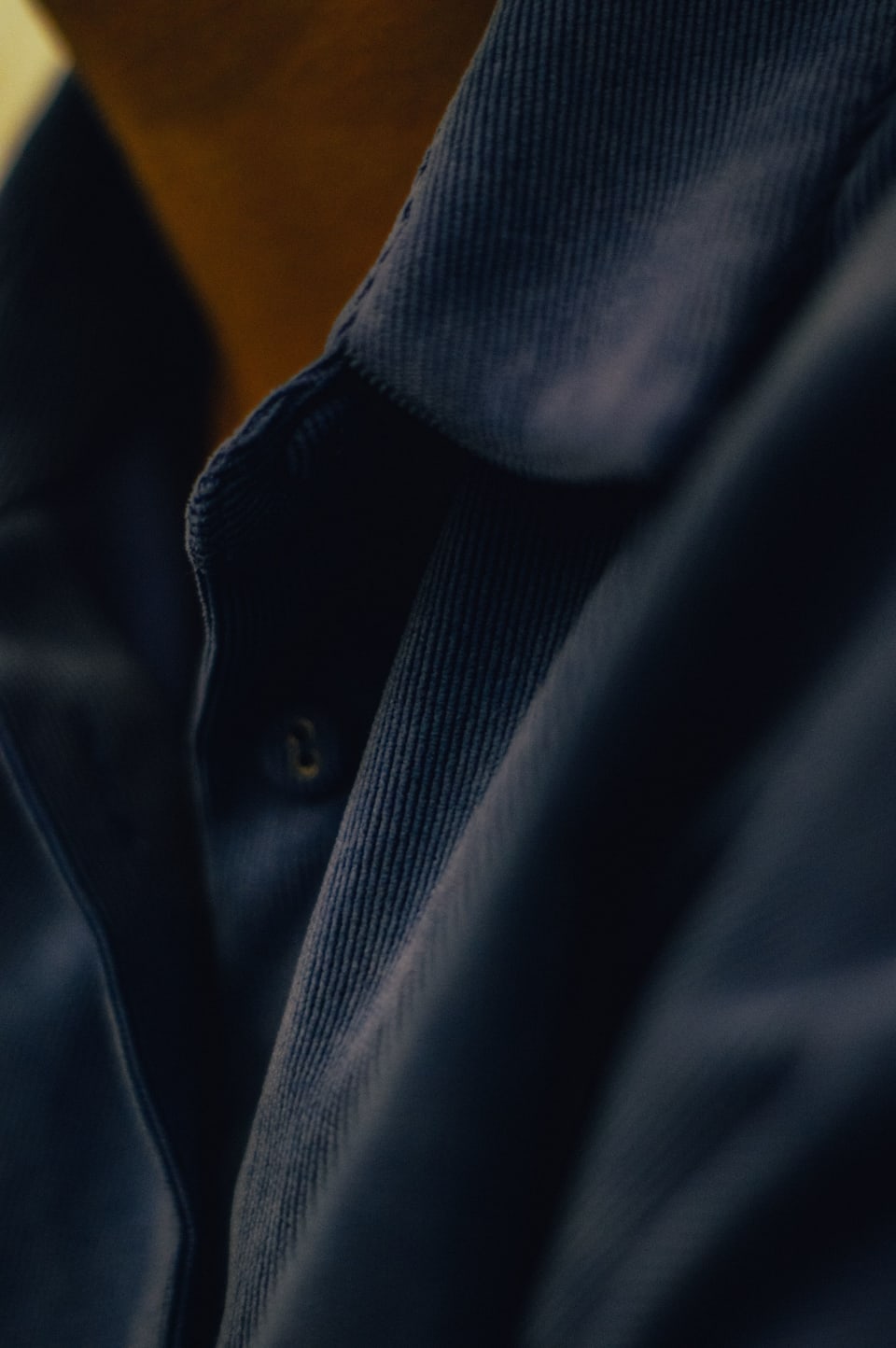
Collar
The collar is a garment detail that frames the neck, finishing the piece near the face; it is often the collar that sets the whole character of a garment. The forms are countless: turn-down, stand-up, shawl, spread, Peter Pan, cowl. Historically the collar was a powerful marker of status — from the lavish lace ruffs and starched 'millstones' of the Renaissance to the modest embroidered collar of a folk shirt. In the Ukrainian vyshyvanka the embroidered stand collar is one of the key, most visible zones of decoration. The collar frames the face and draws attention to it, so its shape affects the whole reading of a look. It is a detail in which construction, history and an expressive style accent come together.
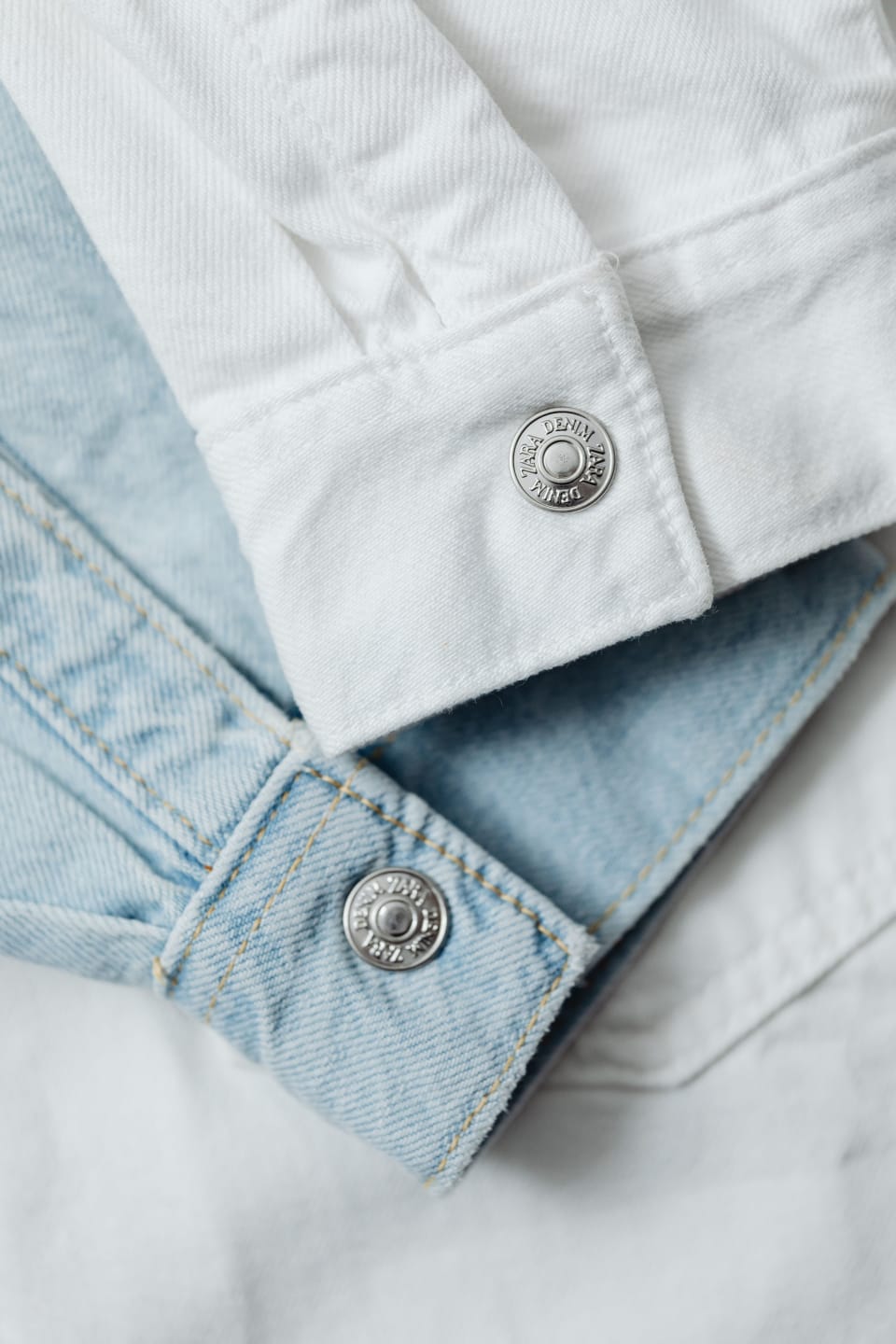
Cuff
The cuff is a detail that finishes the sleeve at the wrist, giving it a tidy, complete appearance. A cuff can be functional (fastening with a button or cufflink to adjust the sleeve width) and decorative (a turn-back, trim, contrasting fabric). In a classic shirt it is the cuff that is one of the details betraying the quality of cut and cloth. Historically lace and embroidered cuffs were a sign of luxury, and cufflinks turned the fastening of a cuff into a separate object of jewellery art. In the folk shirt the cuffs were often covered with embroidery continuing the collar. The cuff frames the hand and, like the collar, becomes a visible zone for accent and decoration.
Dart
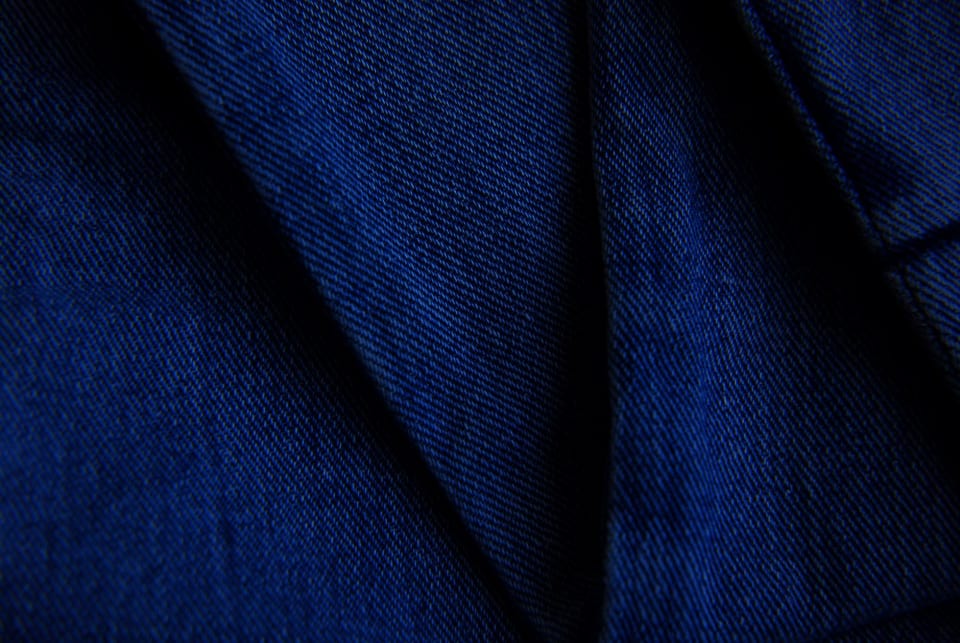
A dart is a construction element of the cut in the form of a tuck of fabric tapered to a wedge and stitched, which allows a flat cloth to be given a voluminous, three-dimensional shape according to the curves of the body. It is precisely darts that turn a straight piece of fabric into something that hugs the figure: they are placed at the bust, waist, hips, shoulders, back. Without darts clothing would be flat and baggy. It is a fundamental device of construction, on the precision of which the fit of a piece depends. A dart may be straight, curved, hidden in a seam or decoratively emphasised. Its correct placement is the foundation of a tailor's skill. A dart is a basic construction detail of shaping volume, in which a stitched tuck of fabric turns a flat cloth into something that hugs the figure, lying at the foundation of a quality fit and sound cutting.
Draping
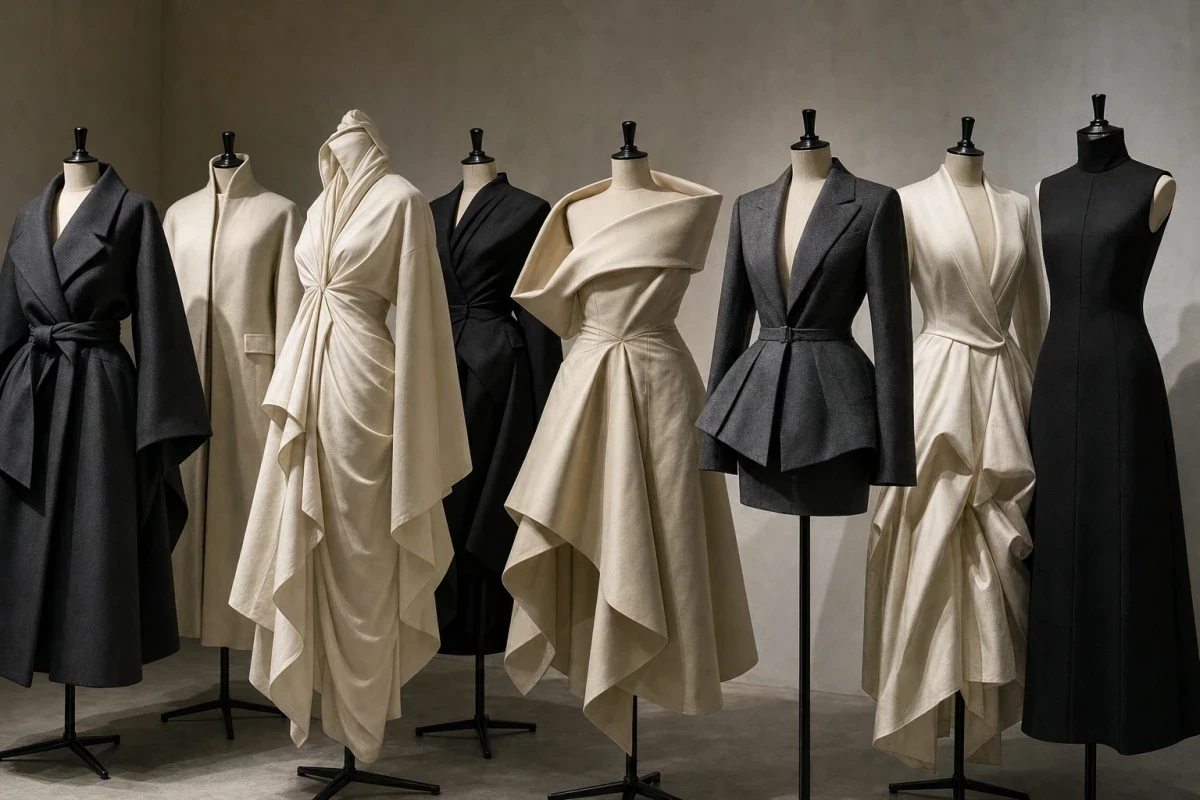
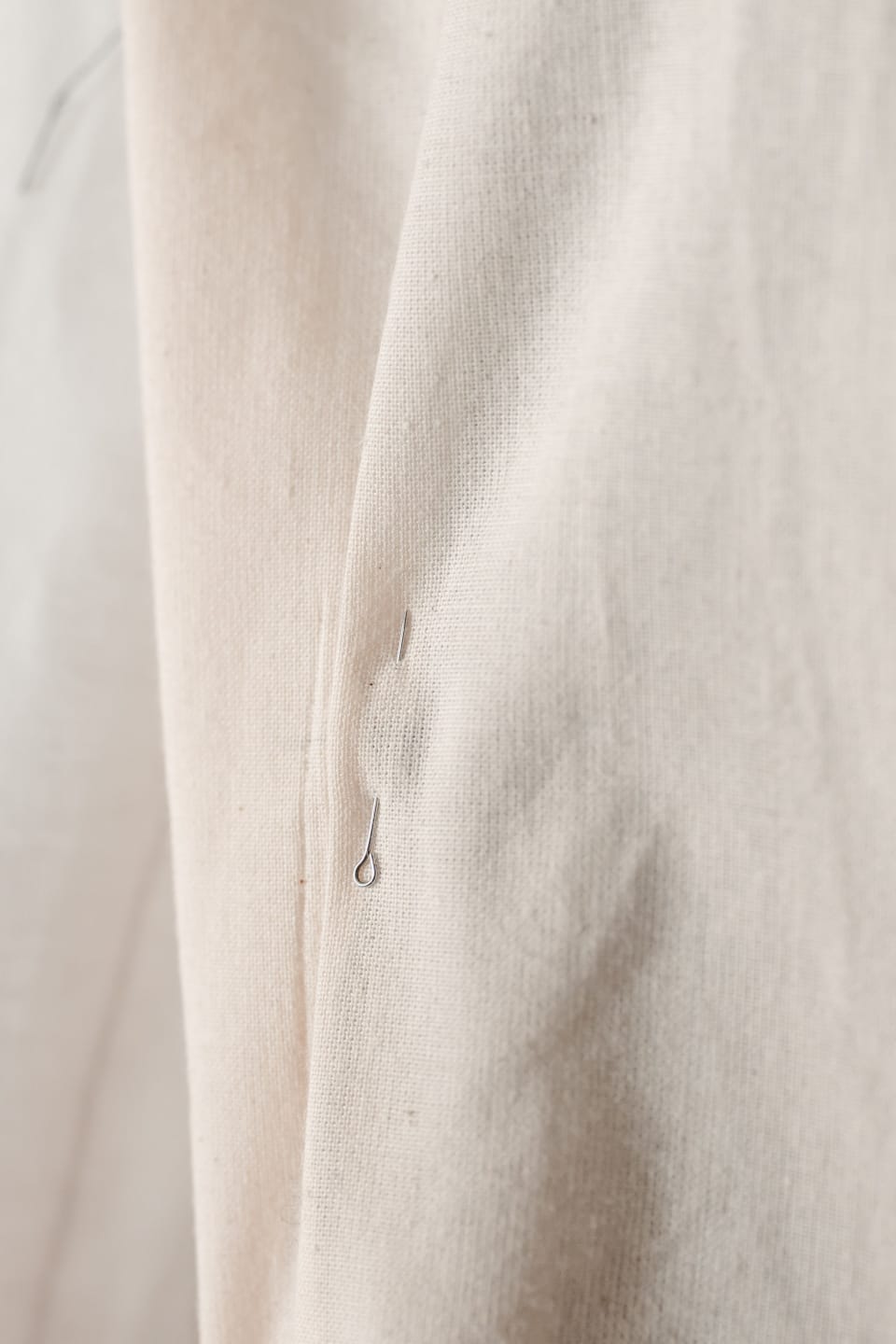
Draping is a technique and decorative device in which fabric is laid in free, soft, flowing folds that fall naturally under their own weight. Unlike rigid tucks or pleats, draping is alive and pliable: it follows the movement of the body and the play of light on the folds. The art of draping reaches back to antiquity — Greek chitons and Roman togas were essentially masterfully draped cloths without cutting. In contemporary fashion draping creates a soft, sculptural, sensual silhouette, ideal for evening dresses of silk or jersey. It requires a fabric that falls well and a skilful sense of proportion, since the folds must be 'set' so that they flatter the figure.
Drawstring
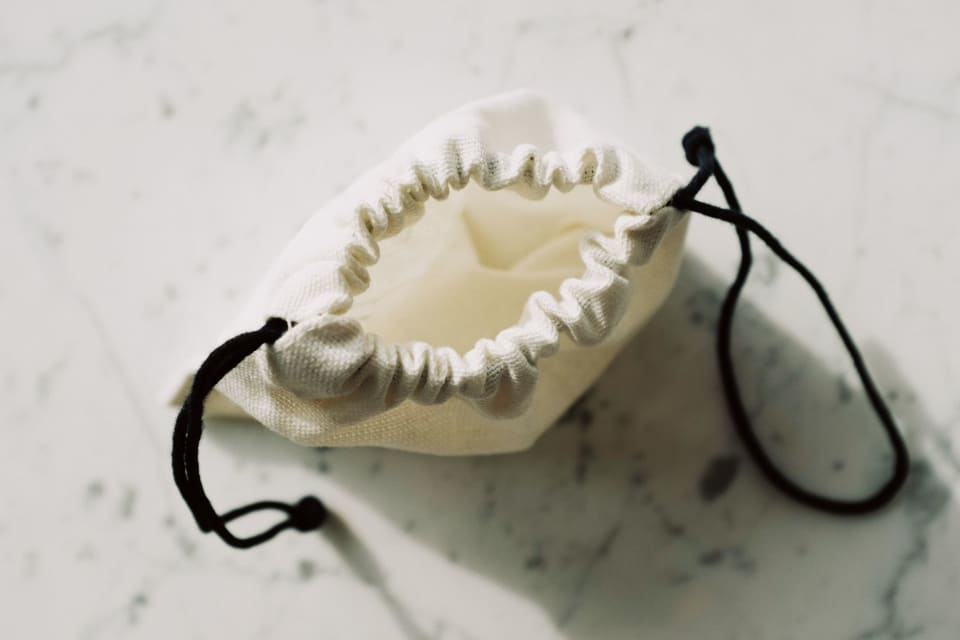
A drawstring is a detail in the form of a cord or ribbon threaded through a channel (a hem or tunnel of fabric), by tightening which the volume of a piece is adjusted. A drawstring allows the fit to be adjusted to the figure: at the waist, hood, bottom of a jacket, neckline, cuffs. It is both function (adjustment, protection from wind) and décor (the hanging ends of the cord, the gathers that tightening creates). Drawstrings are widely used in sports, outdoor and everyday clothing — hoodies, anoraks, joggers, parachute dresses. The ends of the cord are often finished with aglets or knots. A drawstring is a functional-decorative adjustment detail, in which a cord threaded through a tunnel allows the volume and fit of a piece to be changed, combining practical adaptation to the figure with an effortless, sporty character and soft gathers.
Other Fashion Dimensions