


Material Culture15 materials
Materials
Linen, silk, wool and modern composites — the language of touch.
Batiste
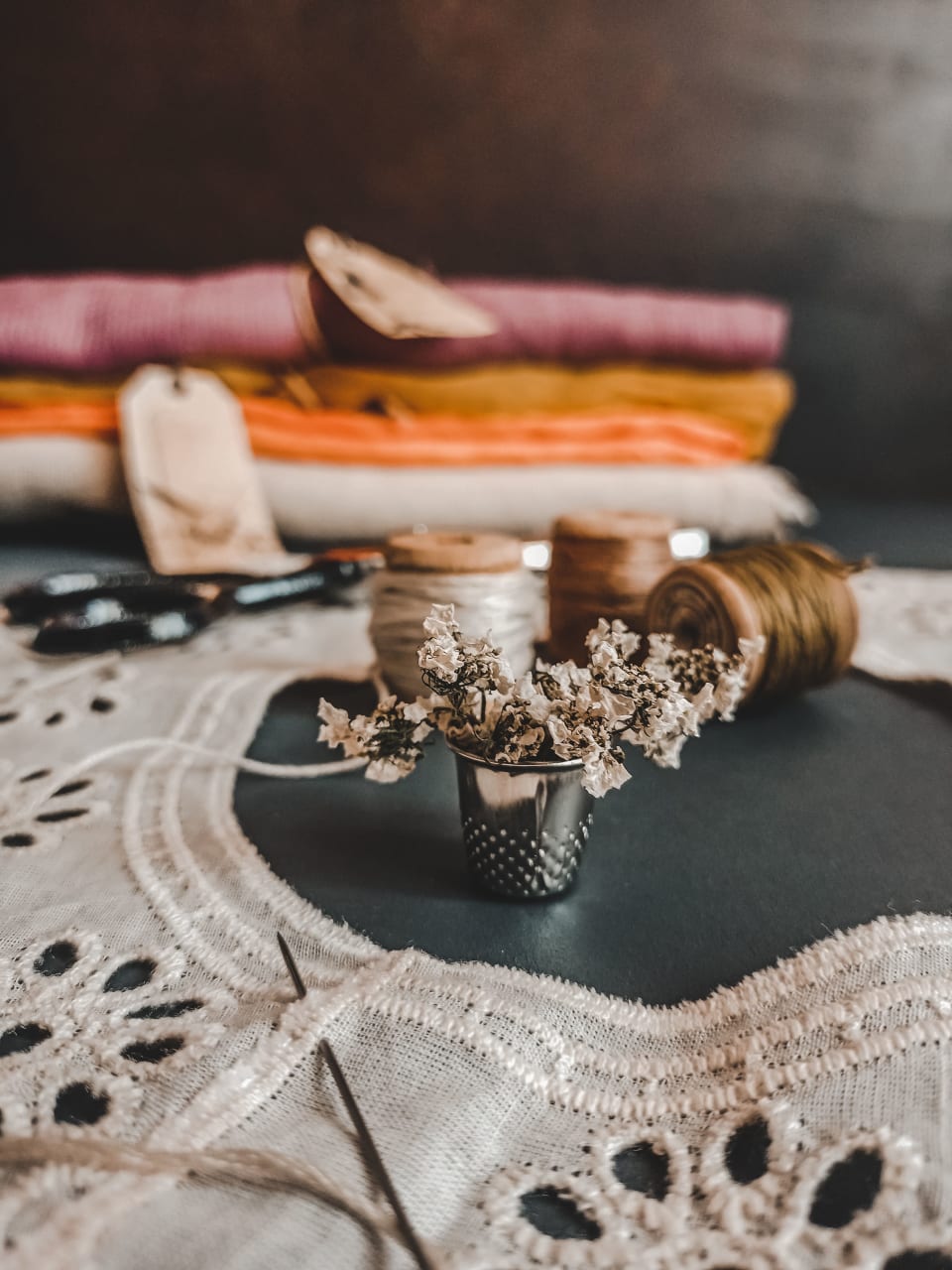
Batiste is a very fine, semi-sheer plain-weave fabric of cotton (occasionally linen) made from evenly spun fine yarn. By tradition the name is linked to Baptiste, a weaver from Cambrai, but this version has no historical basis. Light, soft to the touch and breathable, it was historically used for shirts, christening gowns, handkerchiefs, collars and lace-trimmed underlinen. In contemporary fashion it is prized for its near-weightless transparency in blouses, summer dresses and layered skirts. Its fineness demands a careful cut and gentle laundering, but it lends an air of refined simplicity.
Canvas
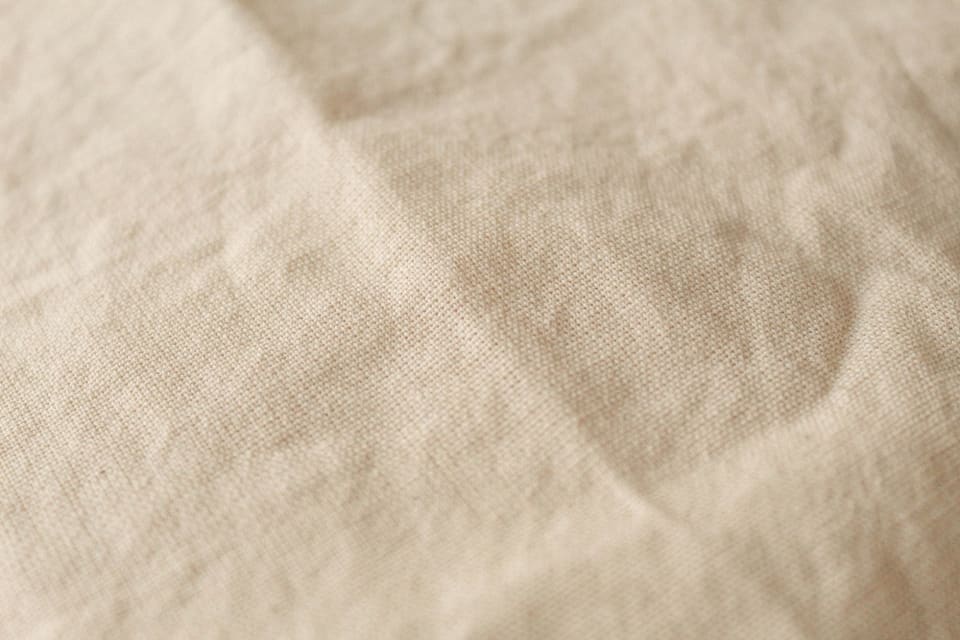
Canvas is a dense, strong plain-weave fabric, most often of cotton or linen, known for its exceptional wear resistance. Historically canvas (the word probably goes back to Latin cannapaceus, 'made of hemp') was used for ships' sails, tents, workwear and sacks — wherever rough strength was needed. Today canvas is the material of footwear (classic plimsolls), bags, backpacks, jackets, workwear and accessories. It holds its shape well, is resistant to tears and abrasion, and over time acquires a characteristic noble wear. Canvas comes in various densities and finishes, including waxed (water-resistant). It is valued for its practicality, durability and unpretentious, 'working' character. Canvas is a material of honest strength and utilitarian aesthetic, in which a simple, rough fabric becomes the foundation of reliable, durable pieces that are stylish in their simplicity.
Chambray
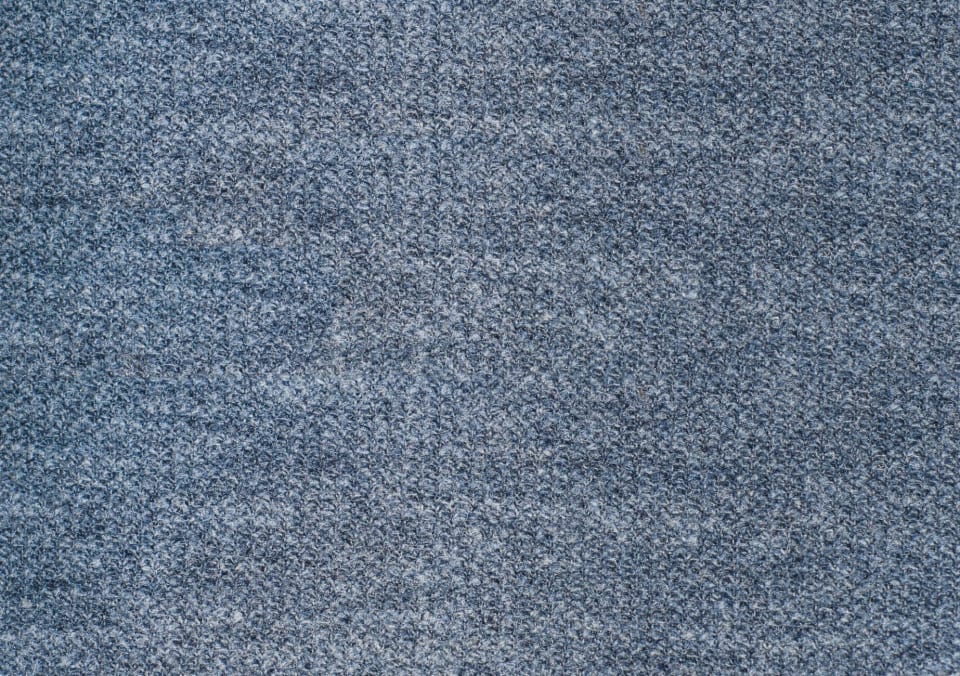
Chambray is a light plain-weave cotton fabric in which, as in denim, a coloured (most often blue) warp thread is combined with a white weft thread, so the cloth has a characteristic soft, 'dusted' shade. Despite an outward likeness to denim, chambray is fundamentally different: denim is woven in a twill weave (a diagonal rib), while chambray is a simple plain weave, so it is far thinner, lighter and softer. Historically chambray was the fabric of work shirts, and later became a classic of the relaxed, casual wardrobe. It is used for shirts, dresses and blouses — anything that needs lightness, comfort and a 'denim' mood without the weight of real denim. The name comes from the French town of Cambrai. Chambray is a summery, breathable alternative to denim: just as democratic, but much lighter and more delicate.
Corduroy
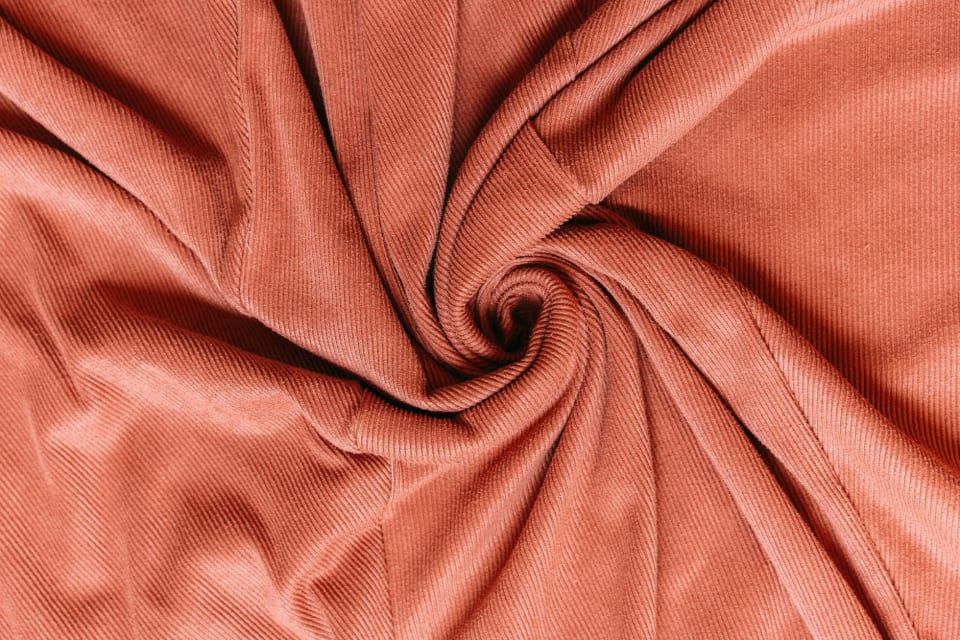
Corduroy is a dense cotton pile fabric with characteristic lengthwise ribs (wales) formed by cut pile. The width of the wale (from fine 'needlecord' to wide) defines the material's character: fine sounds elegant, wide retro and cosy. Corduroy is warm, wear-resistant and pleasantly textured, so it is used for trousers, jackets, skirts, shirts and coats, especially for the autumn–winter season. Historically it was the fabric of workwear and student dress, and later became a symbol of an intellectual, slightly retro style (no wonder it is loved in 'dark academia'). Corduroy returns to fashion cyclically, bringing with it a feeling of warmth, nostalgia and natural nobility. It is a material with character, in which the texture of the wale creates a recognisable play of light and depth.
Cotton
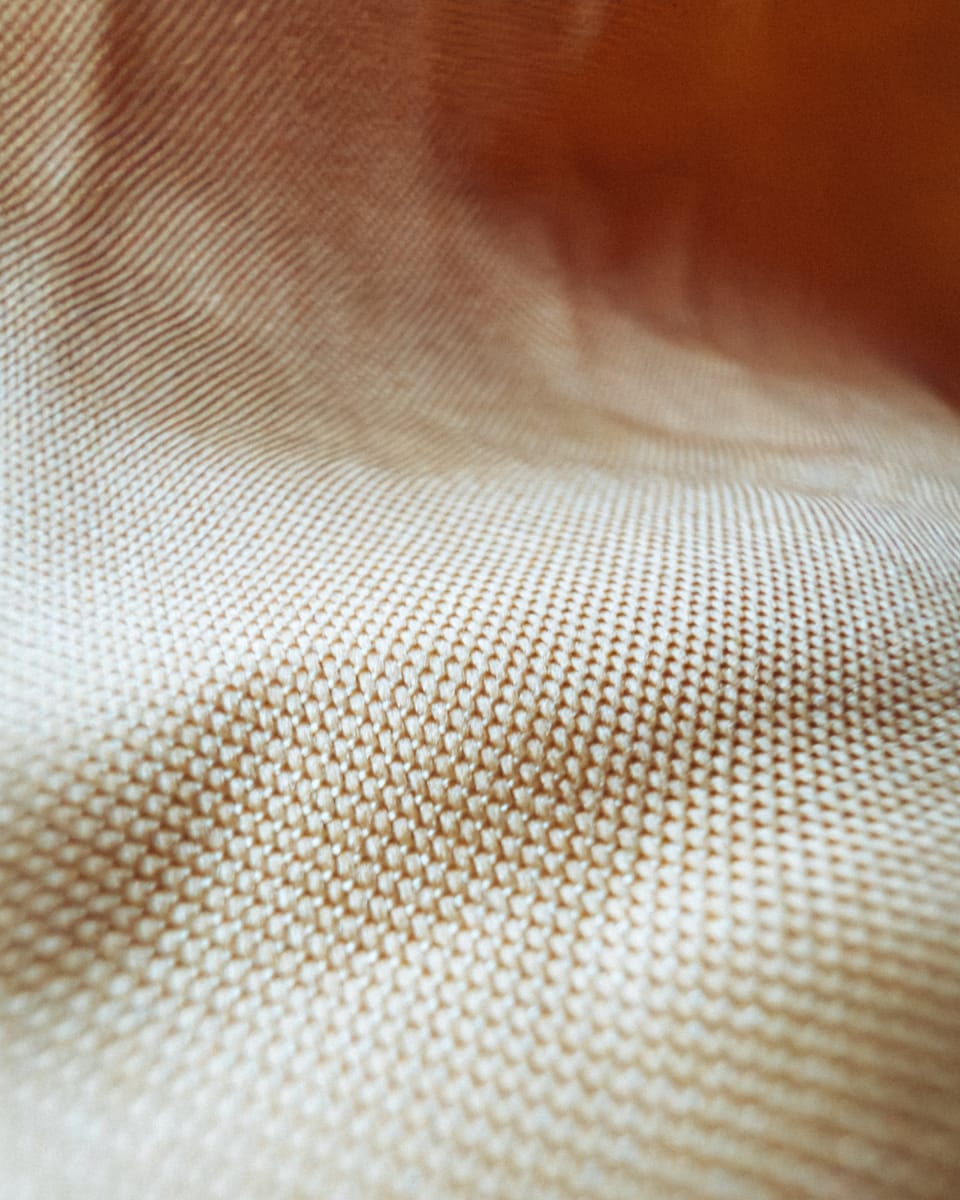
Cotton is a natural plant fibre from the seed pods of the cotton plant and the most widely used natural fibre in clothing. Its chief virtues are absorbency, breathability and softness, which make cotton garments comfortable and hypoallergenic. Depending on the weave and finish it yields very different cloths, from heavy denim to featherlight batiste. Cotton dyes readily, holds its shape and withstands frequent washing, which is why it is the backbone of everyday dress — T-shirts, shirts, underwear, jeans. Its weaknesses are that it creases and can shrink.
Denim
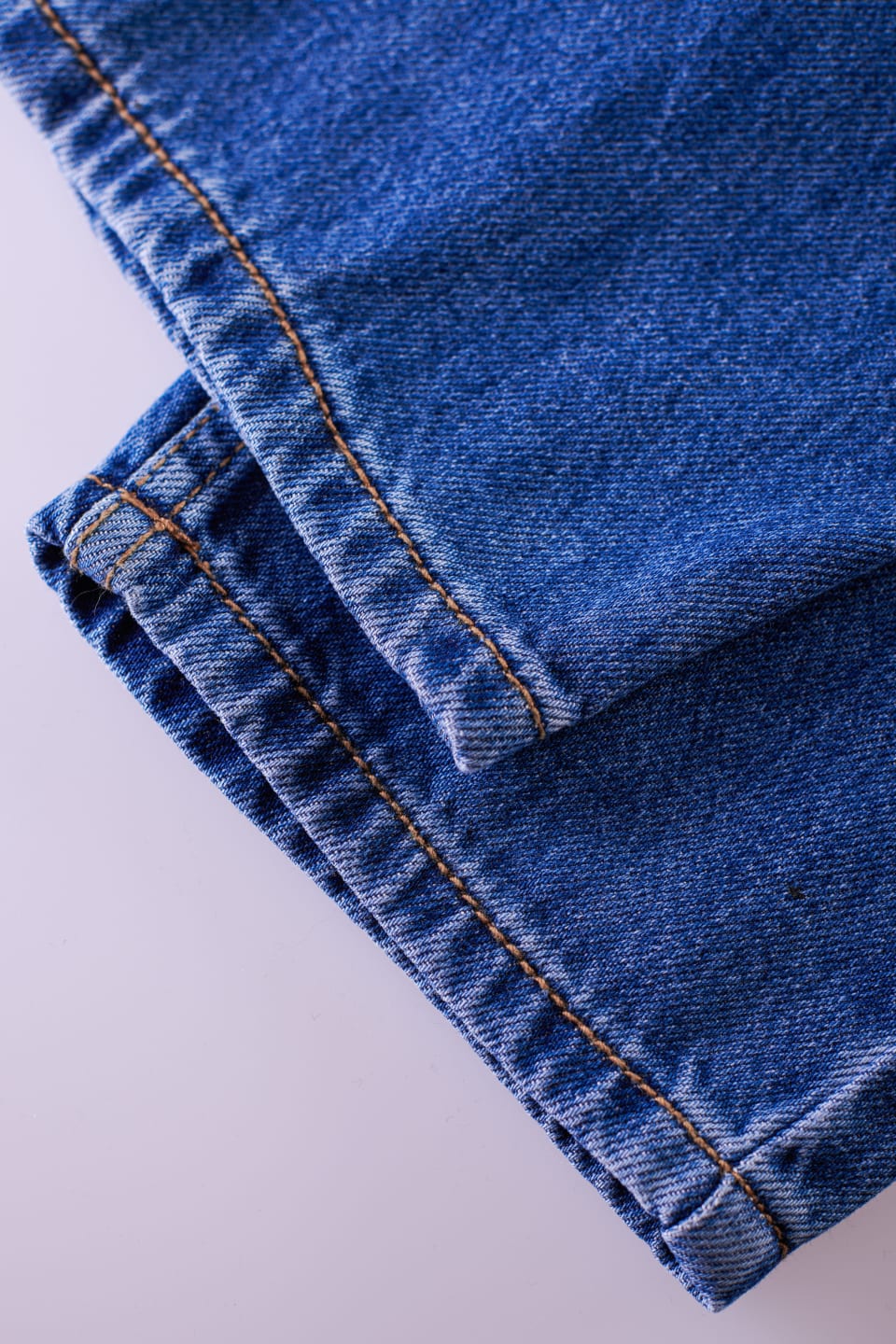
Denim is a sturdy cotton twill in which the warp threads are dyed indigo while the weft stays white, giving the characteristic blue face and paler reverse. Born as a workwear cloth (hence the jeans of gold miners and cowboys), denim became a universal symbol of the democratic fashion of the twentieth century. It is prized for its durability and for the way it 'ages' handsomely, acquiring individual fades and wear. Denim weight is measured in ounces: light for shirts and dresses, heavy for rigid jeans and jackets. It may shrink and bleed on first washing.
Flax
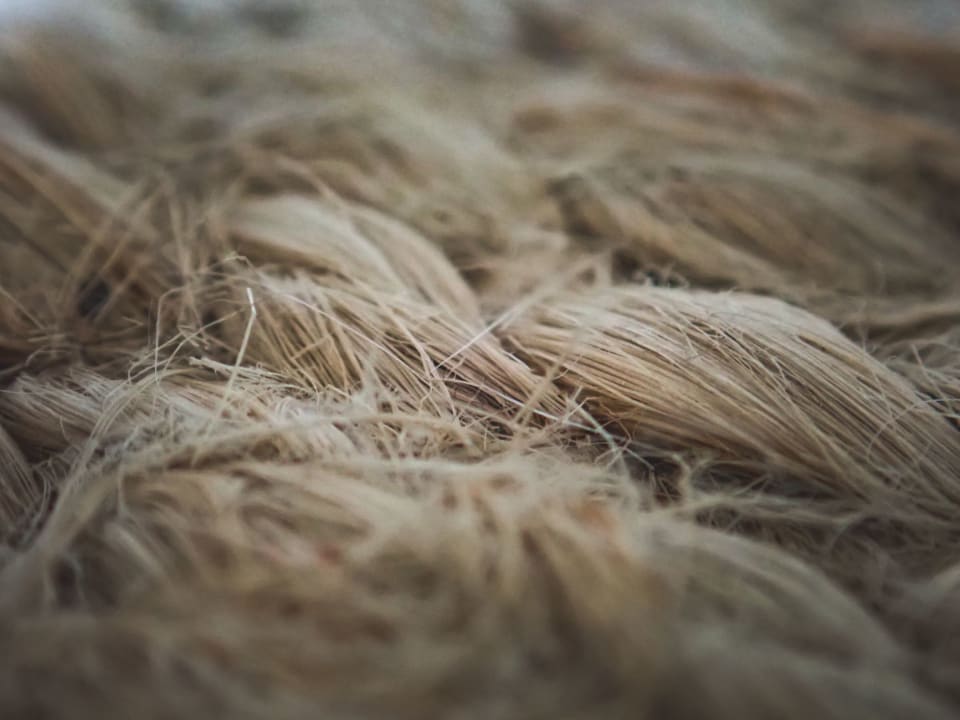
Flax is a herbaceous plant (Linum usitatissimum) and the natural bast fibre obtained from it; it is the raw material from which linen thread is spun and linen cloth is woven. The fibre is extracted from the stalks through retting, breaking and scutching — an ancient, labour-intensive technology known in Ukraine for centuries. Flax fibre is exceptional: strong, durable, absorbent and antibacterial, it conducts heat well and gives coolness. In Ukraine flax, alongside hemp, was the foundation of home weaving, and linen shirts and towels an inseparable part of daily life and ritual. As a fibre, flax differs from the finished cloth: it is the 'raw-material' side of the textile story. Flax symbolises purity, naturalness and the deep bond of Ukrainian culture with the land and craft.
Hemp fabric
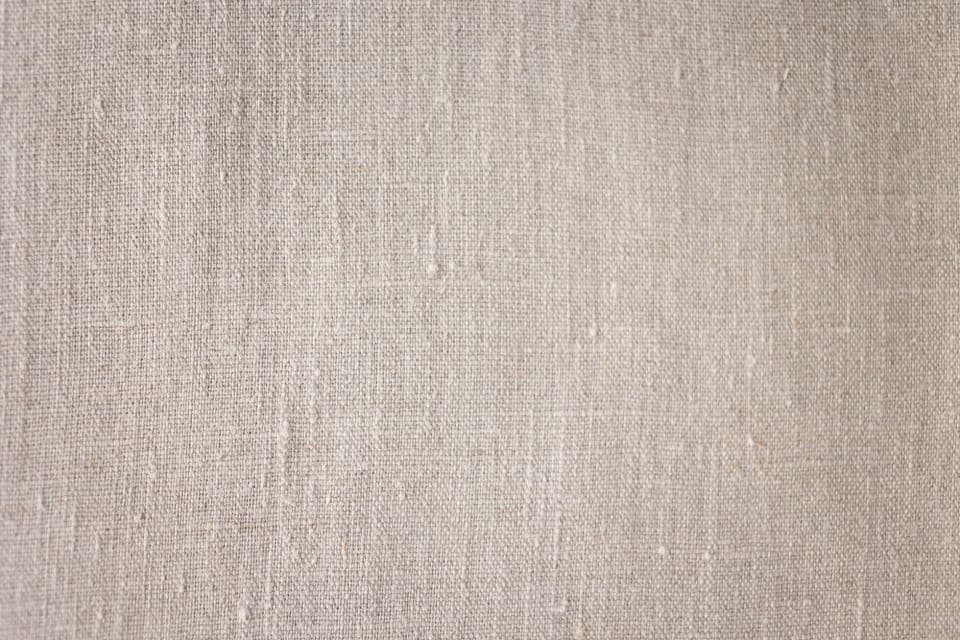
Hemp fabric is a natural cloth made from hemp fibre, one of the oldest and at the same time most relevant ecological textile solutions. In Ukraine hemp is a deeply rooted culture: alongside flax, for centuries people spun and wove homespun cloth from it, sewed shirts, towels and workwear, while the technical fibre went into sailcloth, sacking and rope. Hemp fibre is stronger and more durable than cotton, absorbs moisture and breathes superbly, has natural antibacterial and UV-protective properties, and the plant itself grows quickly without pesticides and heals the soil. Over time the fabric softens while remaining wear-resistant. Today Ukrainian eco-brands (Jo Hemp, Selera, DevoHome and others) are reviving hemp in modern clothing — from shirts and dresses to knitwear. It is a symbol of sustainable fashion, health and a return to a natural, distinctly Ukrainian raw material.
Linen
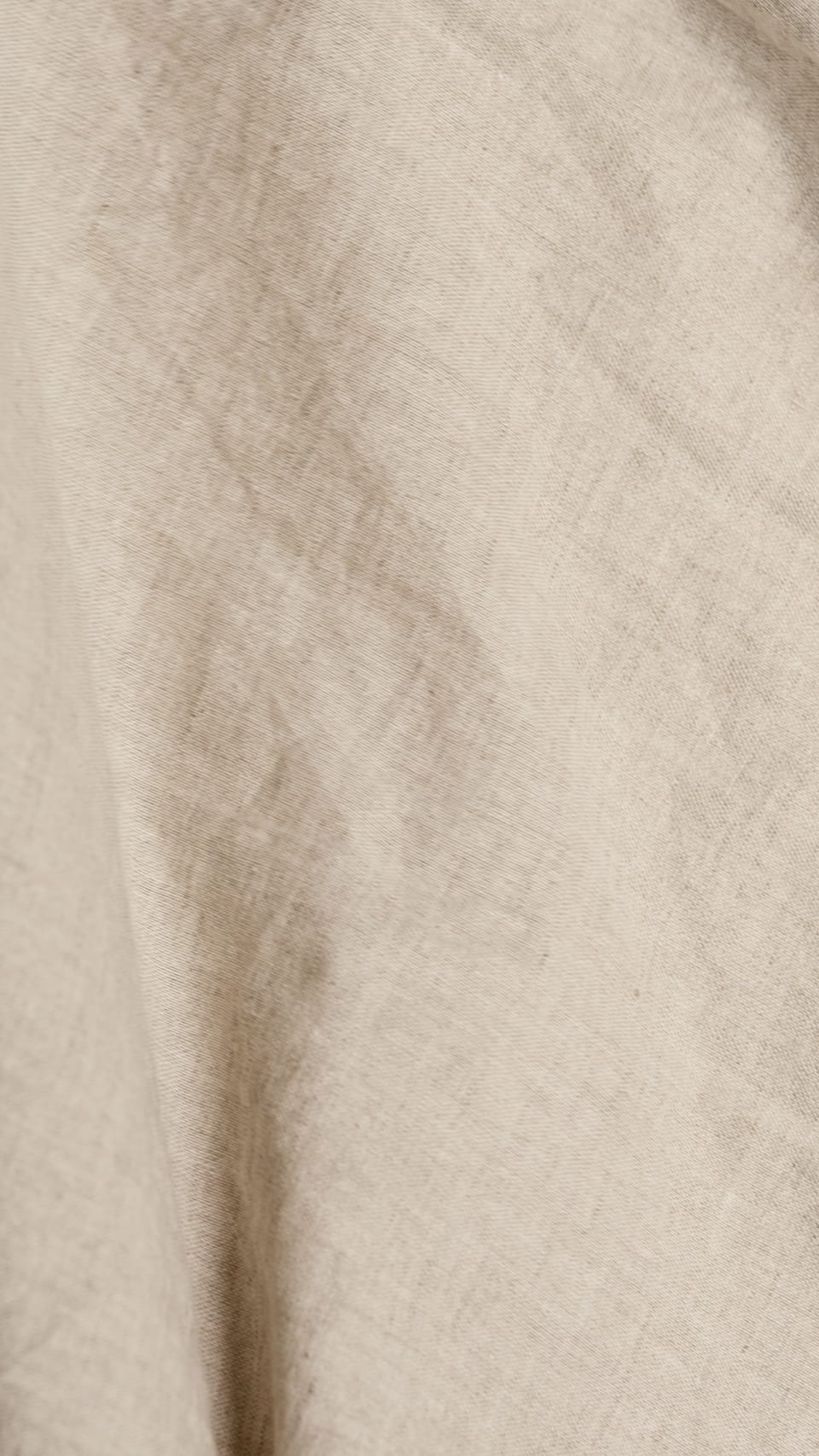
Linen fabric is a natural cloth made from flax fibre, one of humankind's oldest textiles: dyed wild flax fibres from a cave in the Caucasus (modern Georgia) are over 30,000 years old, and linen fabrics were known in Mesopotamia and Ancient Egypt. In Ukraine flax was long, alongside hemp, the foundation of home weaving: from it people wove cloth for shirts, towels and bedding. Linen's chief virtues are its exceptional ability to breathe, absorb moisture and give coolness, which is why it is the ideal fabric for the hot season. Linen cloth is strong, hygienic, naturally antibacterial and ecological, and over time only grows softer. Its recognisable character is a noble matte finish, a natural texture and a tendency to crease, which today is valued as a mark of naturalness. Linen suits relaxed, resort and eco style. It is a symbol of natural simplicity, purity and a timeless, 'breathing' elegance.
Muslin
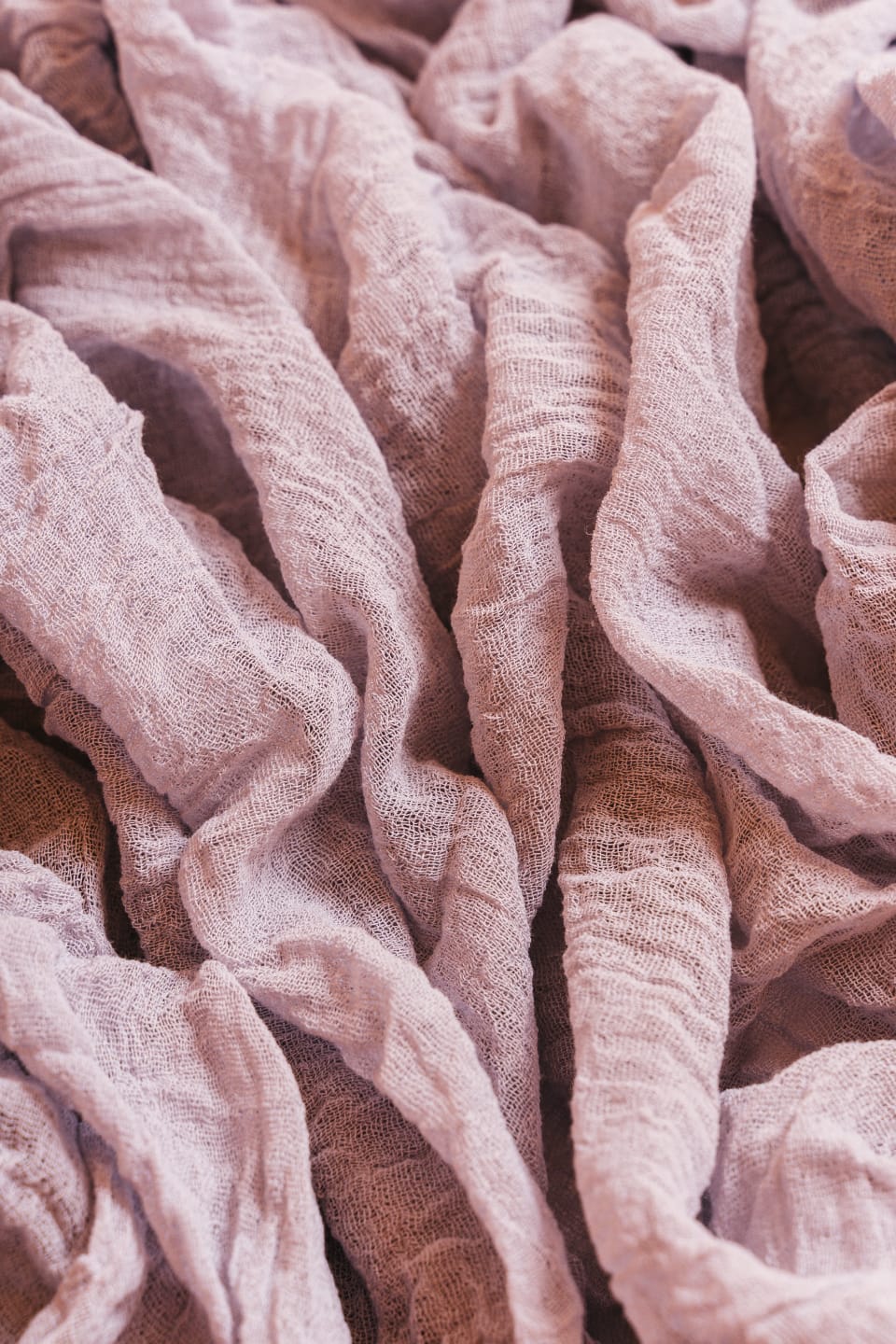
Muslin is a light, soft plain-weave cotton fabric commonly believed to be named after Mosul, Iraq (some scholars suggest Masulipatnam, India). Thin and semi-sheer, muslin breathes well and is kind to the skin, so it was historically used for summer clothing, swaddling, curtains and stage props. In tailoring muslin plays a special role: it is used to sew a mock-up (a 'toile') of a garment to test the cut before cutting into expensive cloth. In fashion it is prized for its natural lightness in summer dresses and layered blouses. Being soft, it creases quickly and needs careful pressing.
Other Fashion Dimensions
Continue Exploring
Related sections




