



Material Culture19 materials
Materials
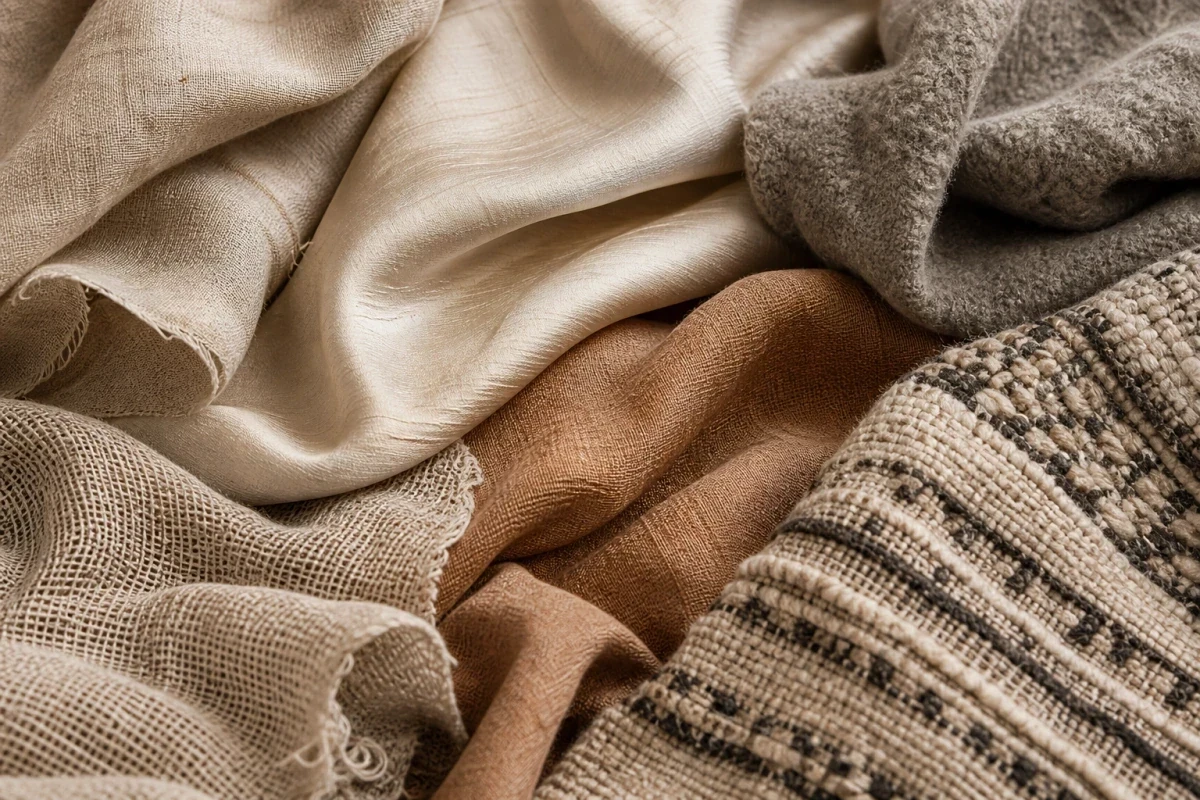
Linen, silk, wool and modern composites — the language of touch.
Boucle
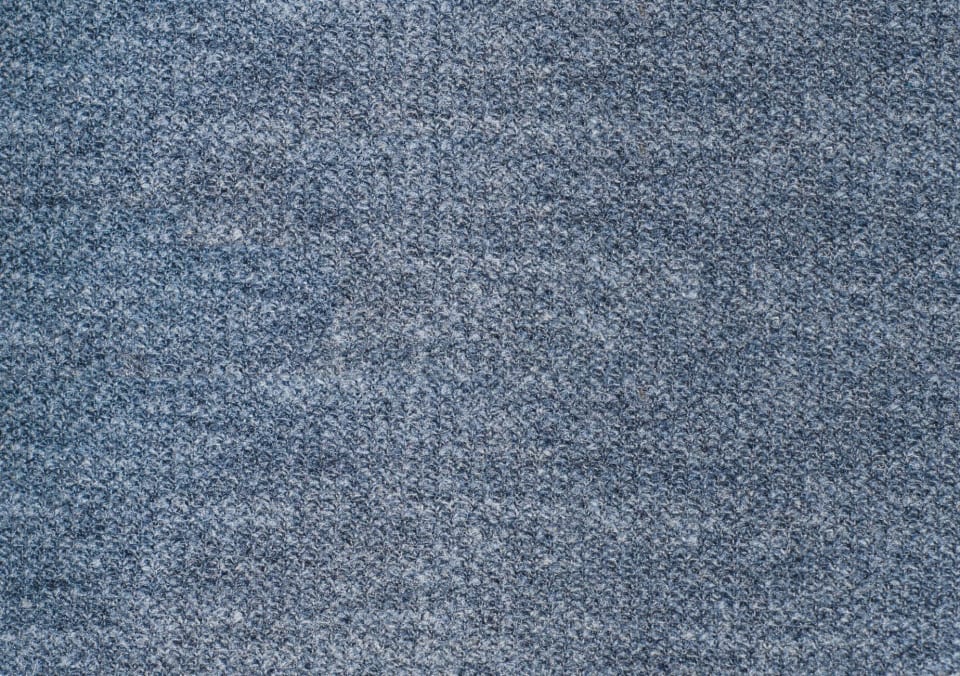
Bouclé is a textured fabric or yarn with characteristic loops, knots and curls that give the surface a voluminous, 'curly' texture. The effect is achieved by a special twisted bouclé thread in which one of the strands is set in free loops. The fabric is soft, warm, holds its shape well and does not crease, and its raised surface hides small flaws of a cut. Bouclé is forever tied to the name of Coco Chanel, who made it the signature of her legendary tweed jackets and suits — a symbol of quiet, aristocratic chic. Bouclé is used for jackets, coats, suits and dresses that sound at once luxurious and cosy. Bouclé is the embodiment of noble, 'tweedy' elegance, in which the rich texture of loops creates a recognisable, warm and invariably refined look in the spirit of classic French chic.
Brocade
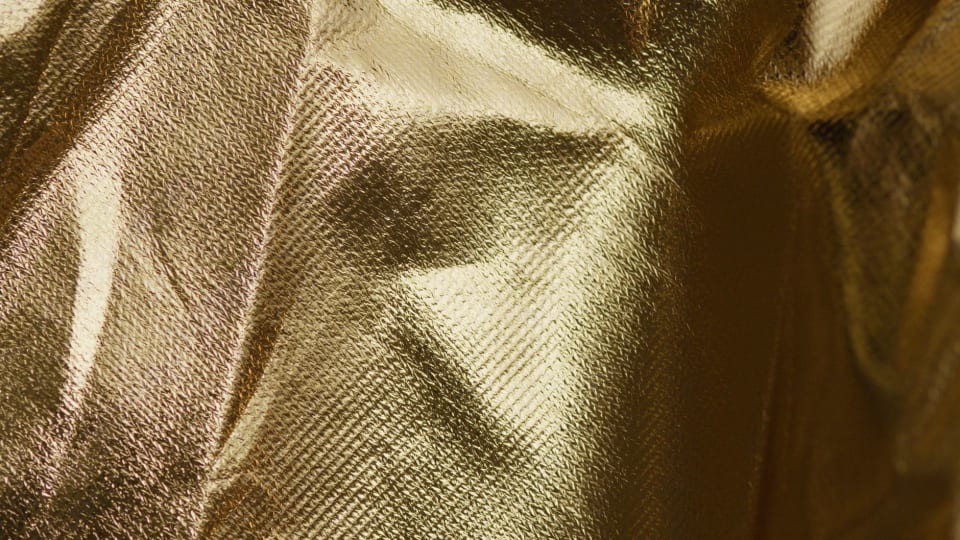
Brocade is a heavy, luxurious fabric with a complex raised pattern woven in (not printed) using additional metal or coloured threads, often gold or silver. The brocade pattern stands out above the surface, creating a bas-relief effect and a rich play of light. Historically brocade was one of the most precious fabrics, a symbol of power and wealth: it was used for church vestments, royal robes and court dress. China and Byzantium, and later Italy, are considered the homeland of refined brocade. Modern brocade is made of silk, viscose and synthetics, keeping its recognisable opulence. It is used in evening, bridal and theatrical dress, and in trimmings. Brocade is the embodiment of ceremonial luxury, in which the fabric itself becomes a work of decorative art.
Charmeuse
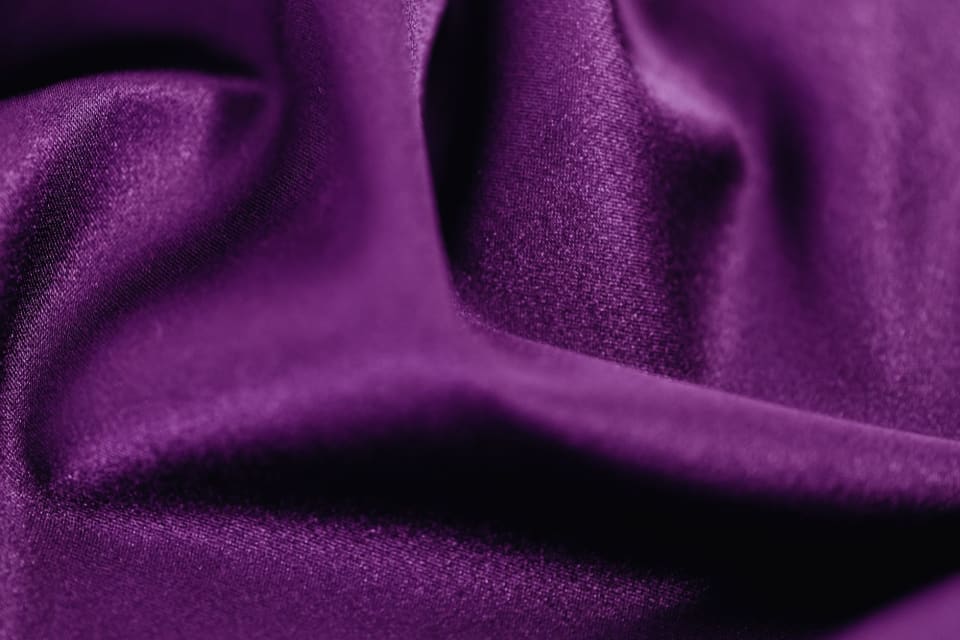
Charmeuse is a light, luxurious satin-weave fabric with an exceptionally smooth, lustrous face and a matte, slightly rough reverse. The name comes from the French charmeuse — 'enchantress', and fully matches its seductive character. Charmeuse is lighter and more fluid than classic satin: it streams softly, pours over the figure and envelops the body in a luxurious, almost liquid sheen. The fabric is made of silk or synthetics (polyester). It is used for evening and bridal dresses, lingerie, slips, blouses and anything that needs sensuality, drape and luxurious shimmer. Charmeuse requires careful cutting and handling because of its slipperiness. Charmeuse is the embodiment of sensual, 'liquid' luxury, in which satin sheen and flowing softness create an effect of refined, seductive elegance that pours over the body.
Chenille
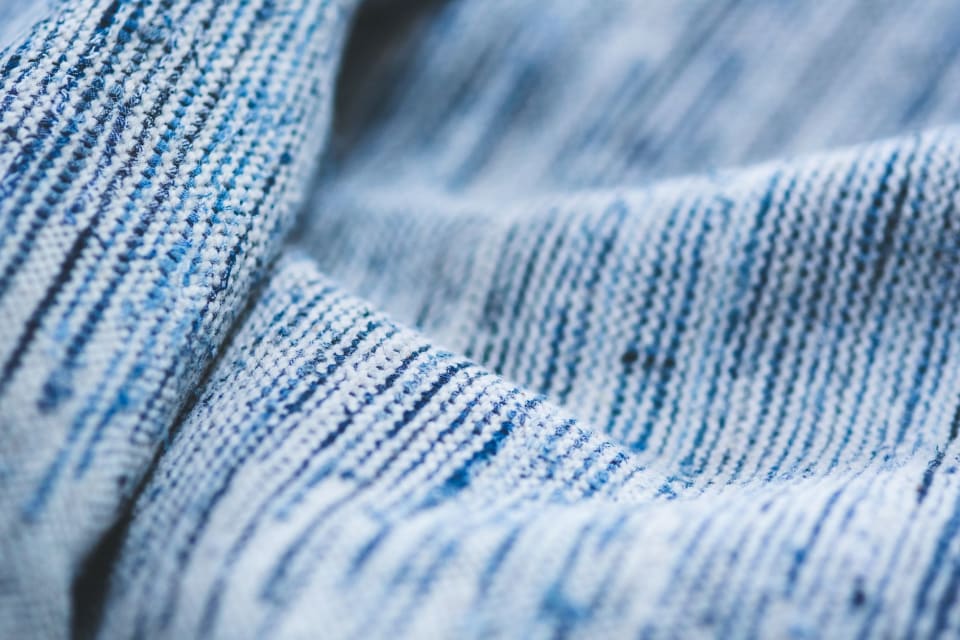
Chenille is a soft, fluffy fabric or yarn with a characteristic velvety pile that evenly covers the thread on all sides, making it resemble a fuzzy caterpillar (hence the name: chenille in French means 'caterpillar'). This pile gives chenille exceptional softness, warmth and a deep, 'velvety' sheen. The fabric is pleasant to the touch, retains heat well and has a rich texture, so it is knitted and woven into sweaters, cardigans, blankets, home textiles and trimmings. Chenille comes in cotton, wool, viscose or synthetics. It gives pieces a feeling of cosiness, luxury and tactile pleasure, and in recent seasons has undergone a fashion revival in warm knitwear. Chenille is the embodiment of soft, fluffy cosiness, in which the velvety texture of the yarn gives warmth, tenderness and a rich, touch-pleasant character.
Chiffon
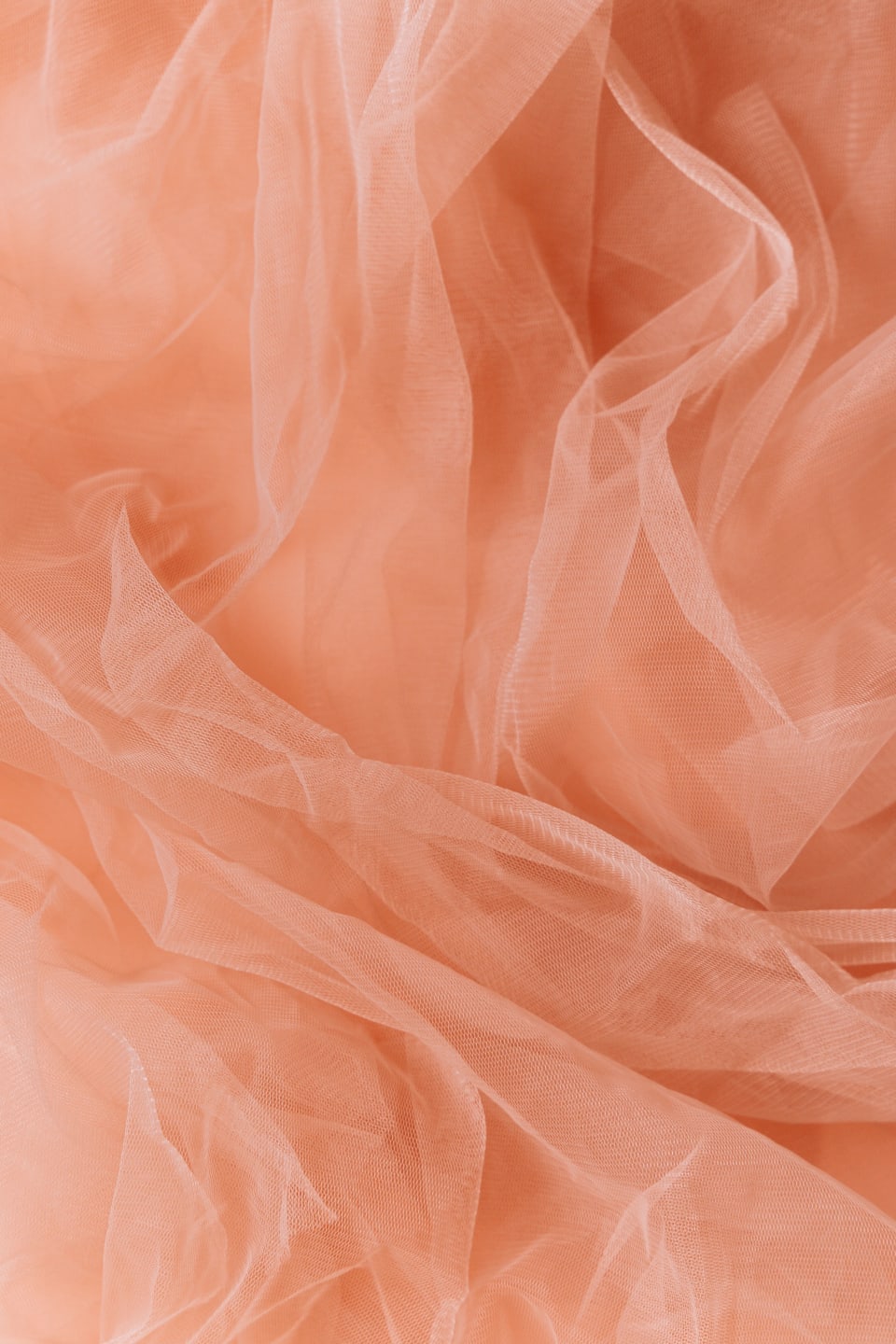
Chiffon is an extremely thin, light and semi-sheer plain-weave fabric made from tightly twisted yarn, historically silk and now also viscose or synthetics. Unlike stiff organza, chiffon is soft and fluid: it streams, falls in light waves and stirs almost imperceptibly with movement. This is why it is adored in evening dresses, blouses, scarves, ruffles and layered cutting, where airy, romantic lightness is wanted. Chiffon is very delicate and 'slippery' to work with: it stretches, frays at the edges and calls for skilful cutting and careful, gentle washing.
Crepe
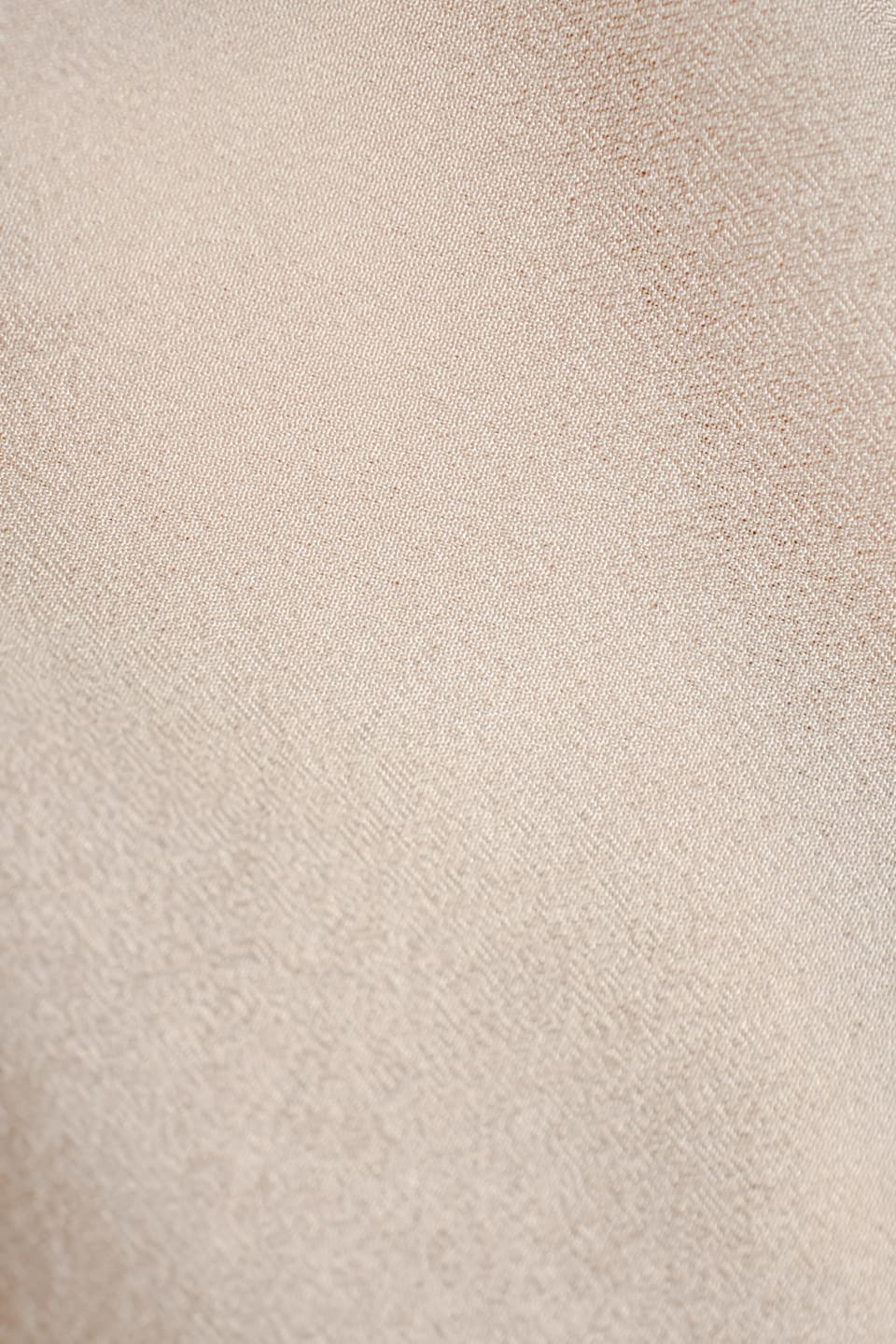
Crêpe is a fabric with a characteristic finely grained, slightly rough surface, created either by highly twisted yarn or by a special crêpe weave. Thanks to this 'crinkled' texture, crêpe barely creases, holds its shape well and at the same time drapes softly, falling in even, weighty folds. It is made from silk, wool, viscose or synthetics. Crêpe is a favourite for dresses, tailoring and eveningwear because it looks quietly expensive and flatters the figure. Its matte surface gives no harsh highlights, and its moderate weight suits several seasons.
Damask
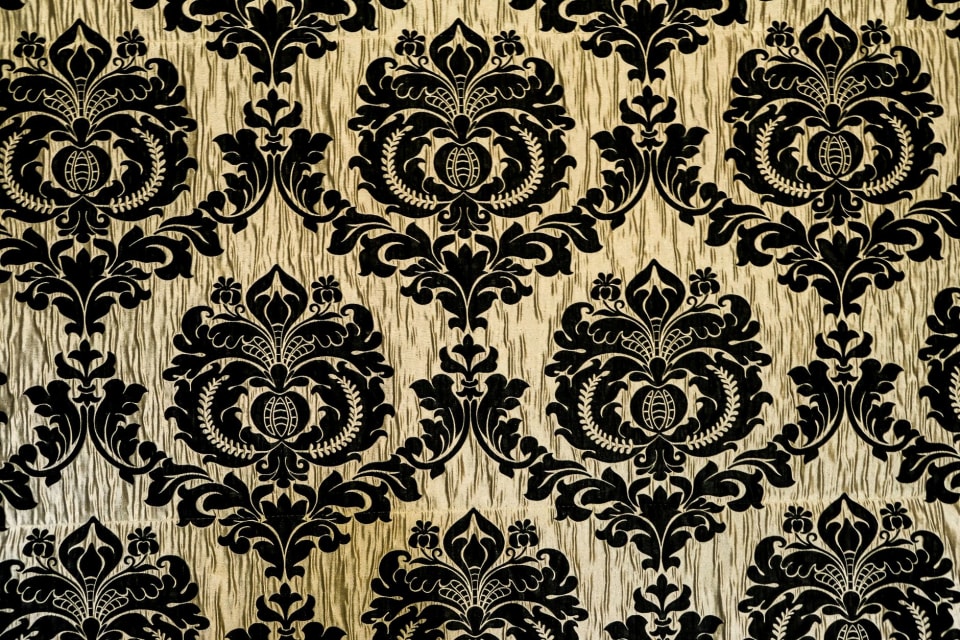
Damask is a dense fabric with a fine, reversible pattern woven through the contrast of two weaving methods: a matte ornament emerges on a lustrous ground (or vice versa), so the design 'plays' depending on the angle of the light. Unlike brocade, in damask the pattern is flatter and most often single-coloured (though multicoloured damasks exist), and the design is visible on both sides of the fabric (in mirror image). The name comes from the city of Damascus — an important centre of silk weaving on the Silk Road. Damask is made of silk, linen, cotton or blended fibres, and classic motifs are floral, botanical, heraldic. The fabric is valued in interior furnishings, table linen and elegant dress. Damask is a refined, restrained luxury, in which the richness of the fabric speaks through a play of textures rather than through gold and relief.
Dupioni
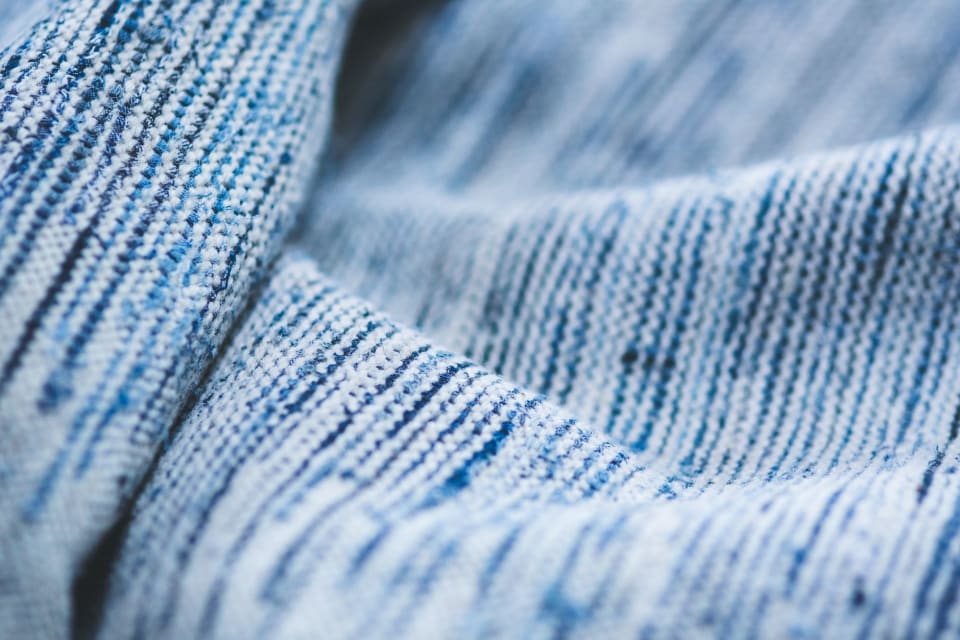
Dupioni is a luxurious silk fabric with a characteristic uneven, 'slubbed' texture formed by an uneven weft thread reeled from two or more conjoined cocoons. These small irregularities (slubs) are not a flaw but the recognisable beauty of dupioni: they give the fabric a living texture and a special, faintly shimmering sheen. Dupioni is dense, springy and holds its shape well, so it is used for smart dresses, skirts, bridal and eveningwear, and in trimmings. The striking play of light on its surface is often enhanced by a 'two-tone' effect, when the warp and weft are of different colours. The fabric is traditionally made in India. Dupioni is the embodiment of natural silk luxury, in which the characteristic texture of raw silk and a rich sheen create an effect of ceremonial, slightly ethnic elegance.
Georgette
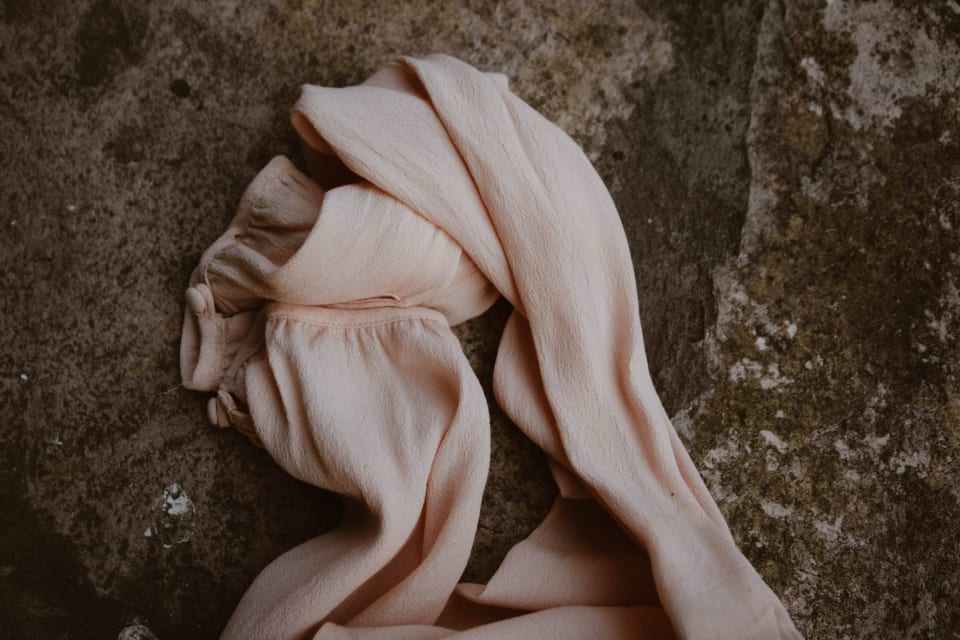
Georgette is a light, semi-transparent fabric of fine, tightly twisted threads that give it a characteristic slightly rough, 'crêpe' texture and a matte surface. Unlike smooth chiffon, georgette is a little denser, more springy and has a barely perceptible graininess. It drapes beautifully, streams softly and holds light folds, so it is a favourite material for airy dresses, blouses, skirts, scarves and eveningwear. Georgette is made of silk, viscose or polyester. Its semi-transparency allows play with layering, and its soft texture adds romantic lightness and movement to a look. The fabric is named after the French couturière Georgette de la Plante. Georgette is the embodiment of airy femininity, in which lightness, fluidity and tender matteness create an effect of dreamy, almost weightless elegance.
Jacquard
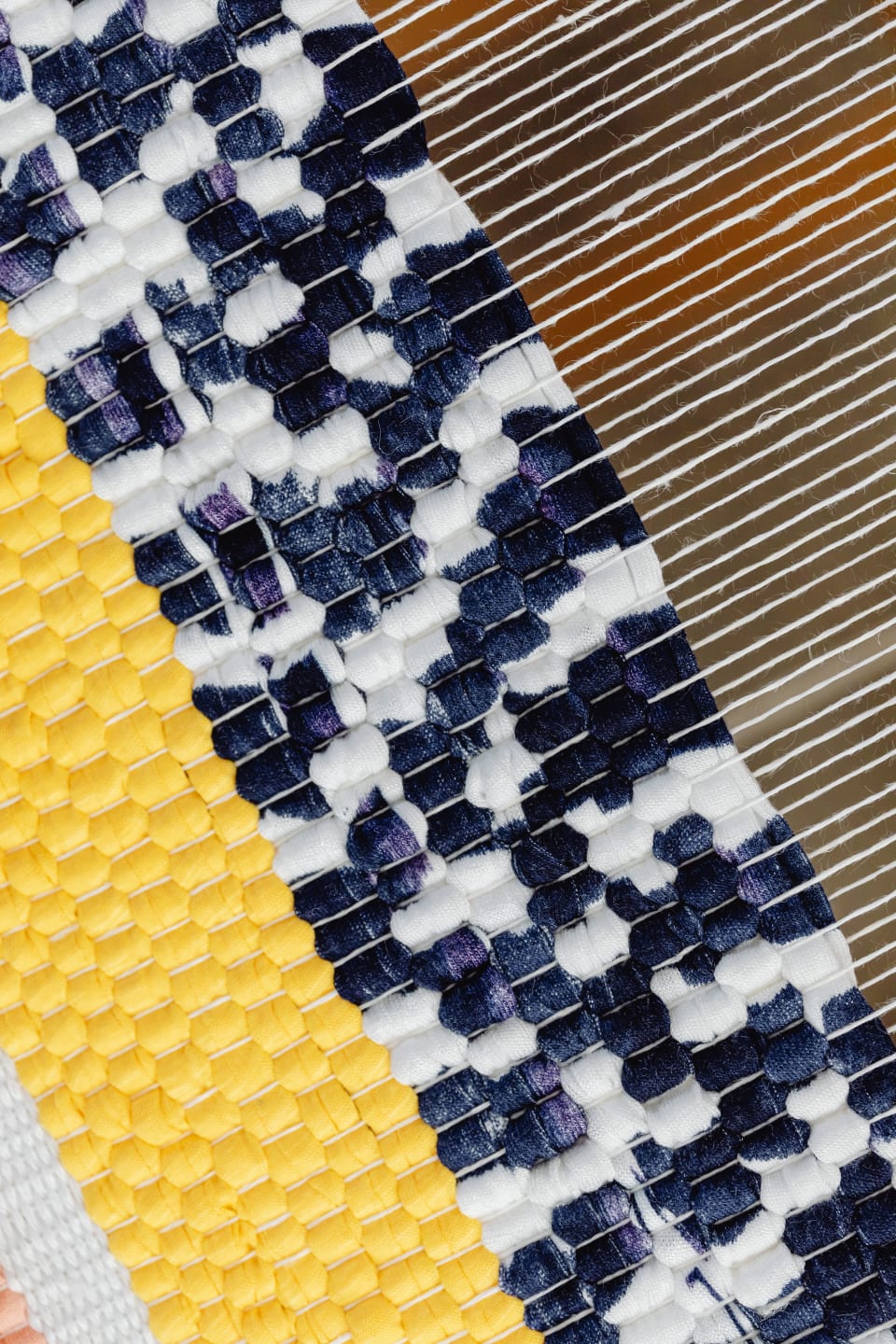
Jacquard is not a specific fabric but a method of weaving intricate patterns into the very structure of the cloth, rather than printing or embroidering them on top. It is named after Joseph Marie Jacquard, whose punch-card loom (1804) first allowed the most complex ornaments to be reproduced automatically — and, incidentally, prefigured computer programming. Jacquard fabrics have relief and body, and the motif reads equally (in mirror) on face and reverse. They are used in eveningwear, tailoring, trims and décor whenever textured luxury is wanted without added ornament.
Other Fashion Dimensions
Continue Exploring

Related sections




