



Material Culture12 materials
Materials
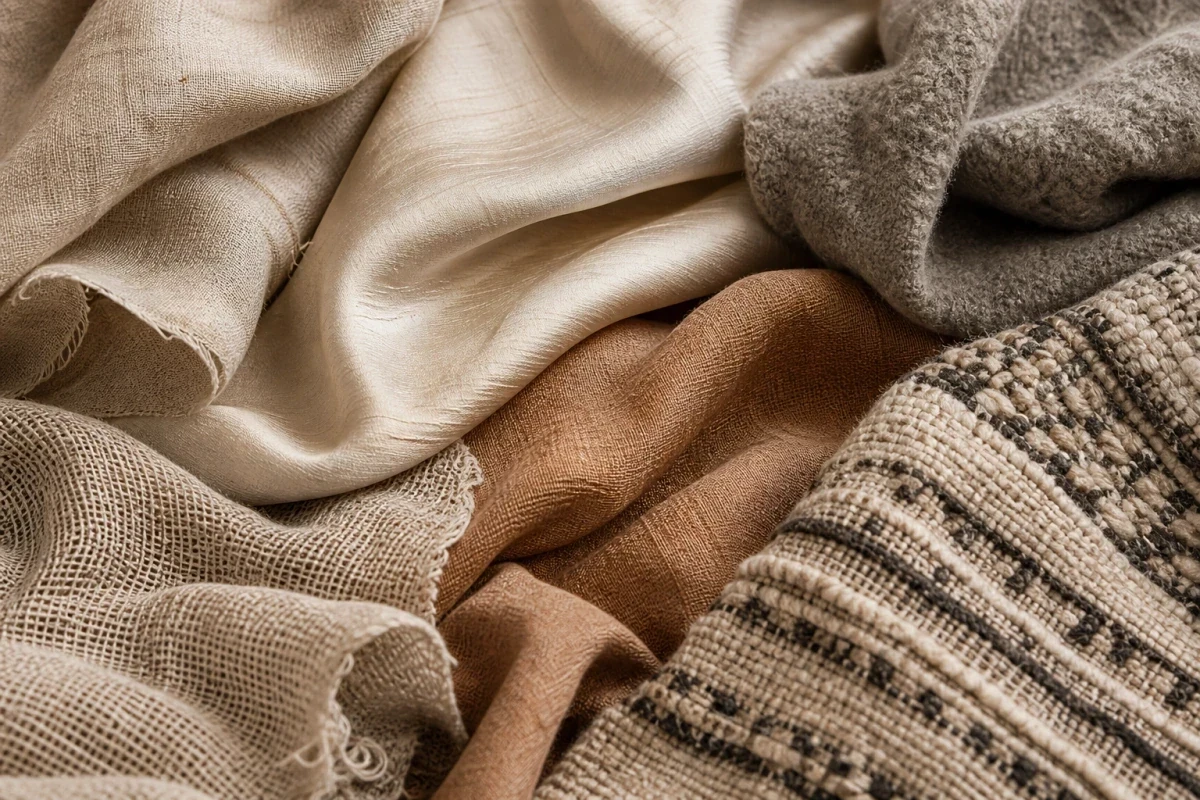
Linen, silk, wool and modern composites — the language of touch.
Alpaca
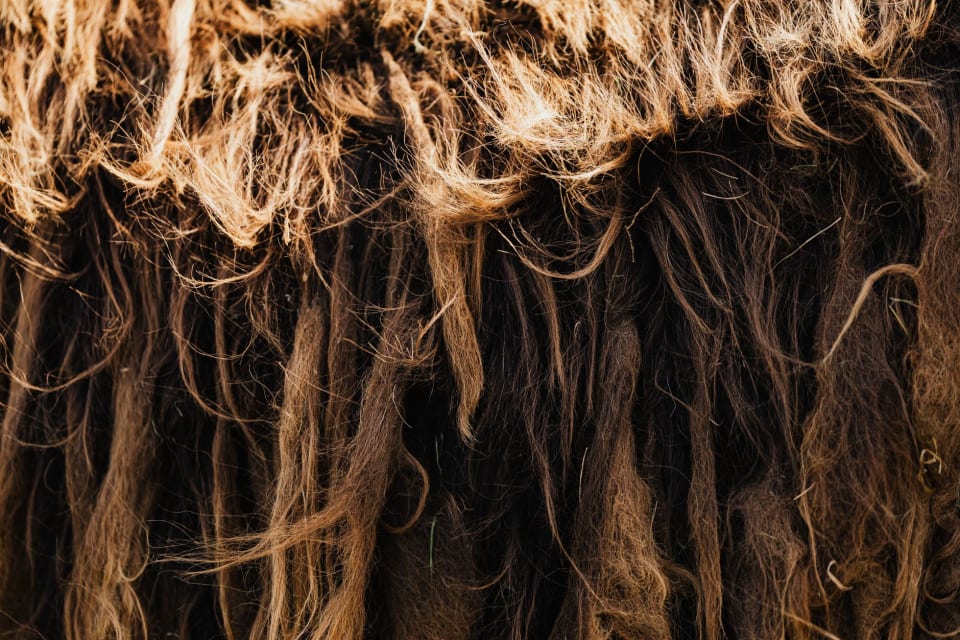
Alpaca is the precious, soft and warm wool of the South American camelid of the same name, bred for millennia in the high Andes. The alpaca fibre is lighter, warmer and stronger than sheep's wool, contains no lanolin (so it is hypoallergenic), hardly pills and has a natural silky sheen. Alpaca comes in more than twenty natural shades — from white to deep black. It is knitted into sweaters, cardigans, hats, scarves and woven into luxurious coating fabrics that combine lightness, warmth and noble softness. Fine baby-class alpaca is especially prized. Historically this wool was sacred to the Inca peoples. Alpaca is the embodiment of natural, high-mountain luxury, in which an ancient tradition and the unique properties of the fibre give exceptional warmth and softness.
Angora
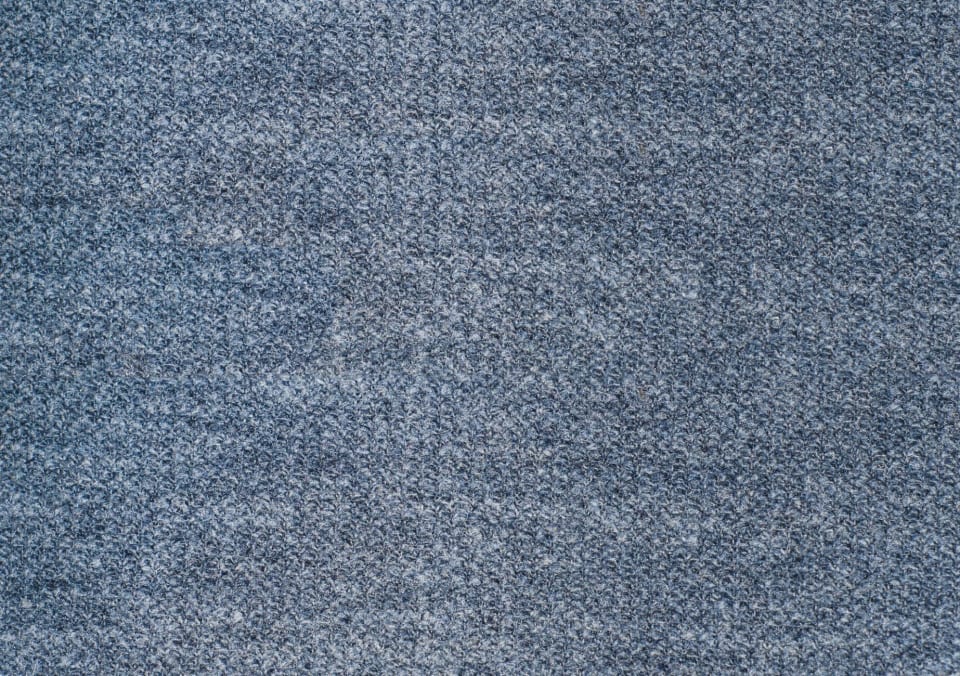
Angora is an extraordinarily soft, light and fluffy yarn from the wool of the Angora rabbit. Its chief traits are incredible tenderness, a 'cloudy' fluffy halo and exceptional warmth: the hollow fibres hold a lot of air, so angora warms far better than ordinary wool at less weight. Because of the fineness and slipperiness of the fibre, angora is almost always blended with wool or other threads for strength. It is knitted into sweaters, cardigans, hats and scarves that envelop the body in soft, almost weightless warmth. Angora requires careful handling — it is delicate and can shed. It is valued for its luxurious tactility and tender appearance. Angora is the embodiment of fragile, 'fluffy' tenderness, in which a natural fibre gives a feeling of warmth, softness and an almost fairy-tale cosiness.
Cashmere
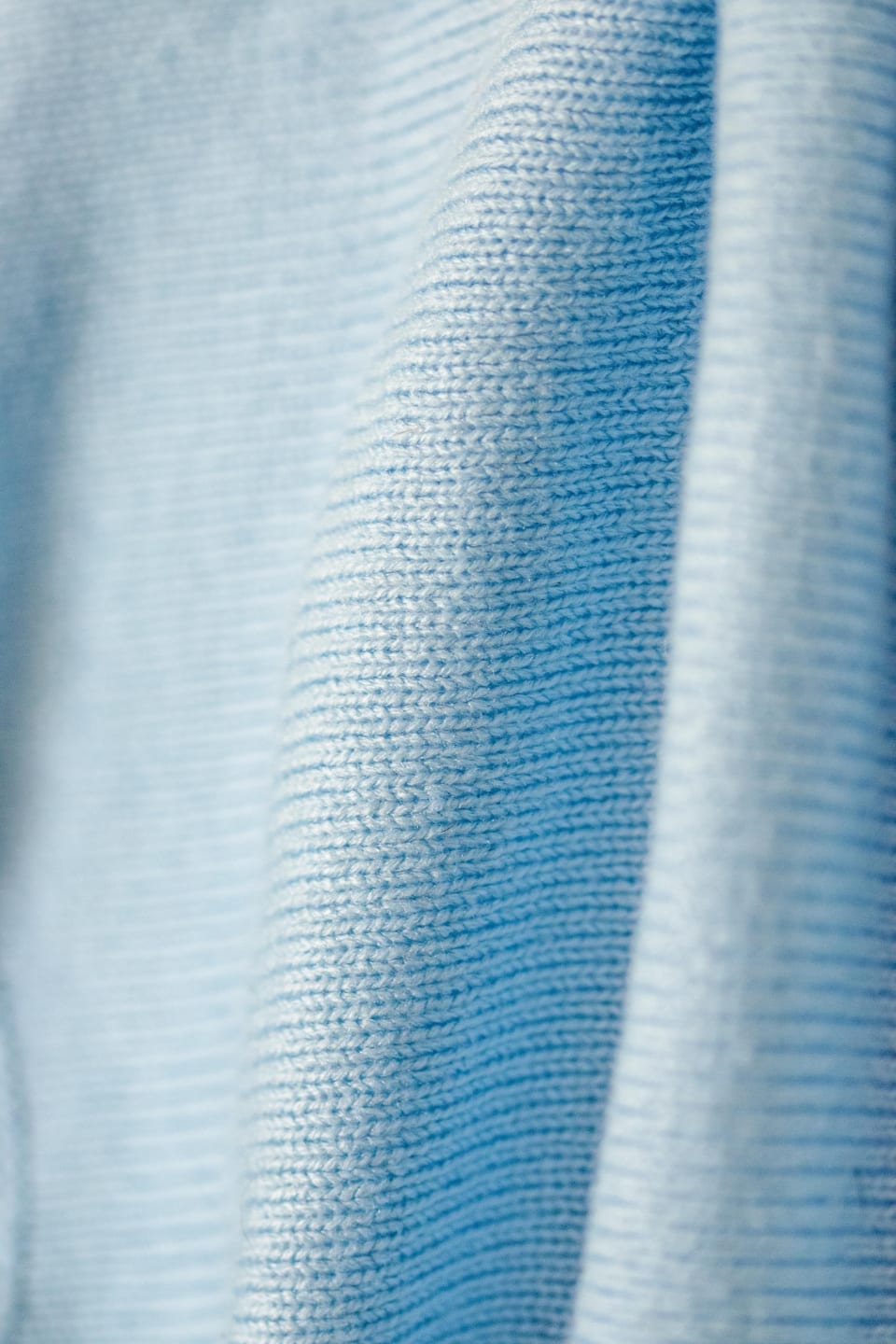
Cashmere is one of the most precious natural fibres — the fine downy undercoat of Kashmir goats that live in the highlands of Asia. A single goat yields only about 100–200 g of down a year, combed out by hand, which explains the price. Cashmere is extraordinarily soft and light yet several times warmer than ordinary wool, does not prickle and retains heat at very low weight. It is knitted into premium sweaters, shawls, coats and accessories. It is delicate: it fears friction and high heat, can pill, and needs gentle hand-washing and flat storage.

Felt
Felt is a non-woven cloth obtained not by weaving or knitting but by matting wool (or blended) fibres under the action of heat, moisture and pressure. The fibres interlock into a dense, uniform mass with no warp and weft, so felt has no thread direction and does not fray at the edge. It is one of the oldest ways of making textile, known even to nomadic peoples. Felt is warm, dense and holds its shape well, so it is used for hats, footwear (valenki), bags, décor and even whole garment elements. It comes in various densities — from soft to almost rigid. In fashion felt is valued for its sculptural quality and the ability to form three-dimensional pieces. Felt is a unique material in which a simple, almost primeval technology creates a strong, warm and mouldable foundation for creativity.
Flannel
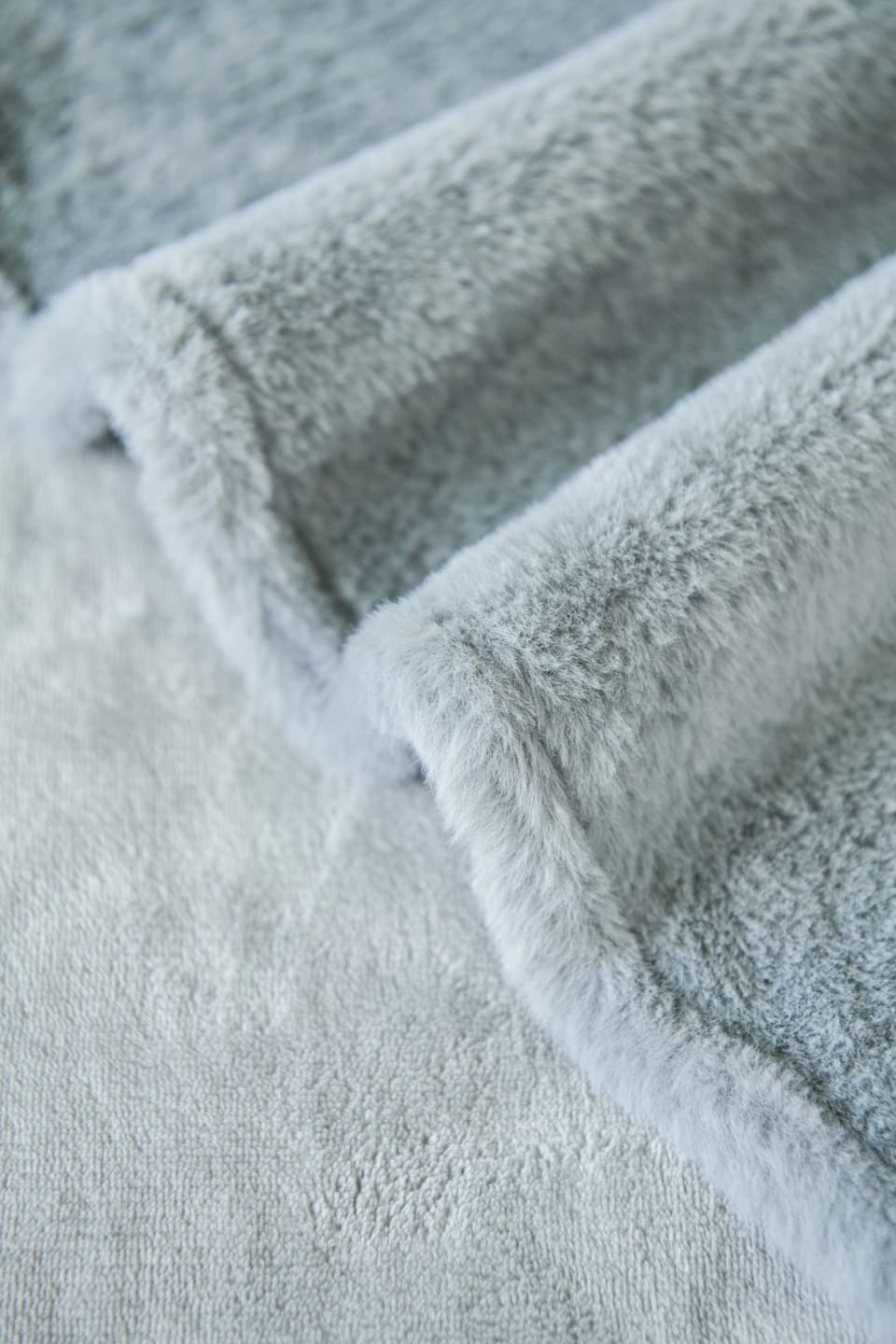
Flannel is a soft fabric with a light brushed nap on one or both sides, usually of wool or cotton, in plain or twill weave. Brushing raises the short fibres into a fluffy layer that traps air, so flannel is warm, soft and kind to the skin. Historically it kept people warm in shirts, underwear, pyjamas, children's clothes and the checked shirts that became an emblem of both workwear and grunge. Flannel is easy to wear and care for and holds warmth well, but over time the nap can pill and wear thin at friction points, and cotton flannel shrinks.
Fur
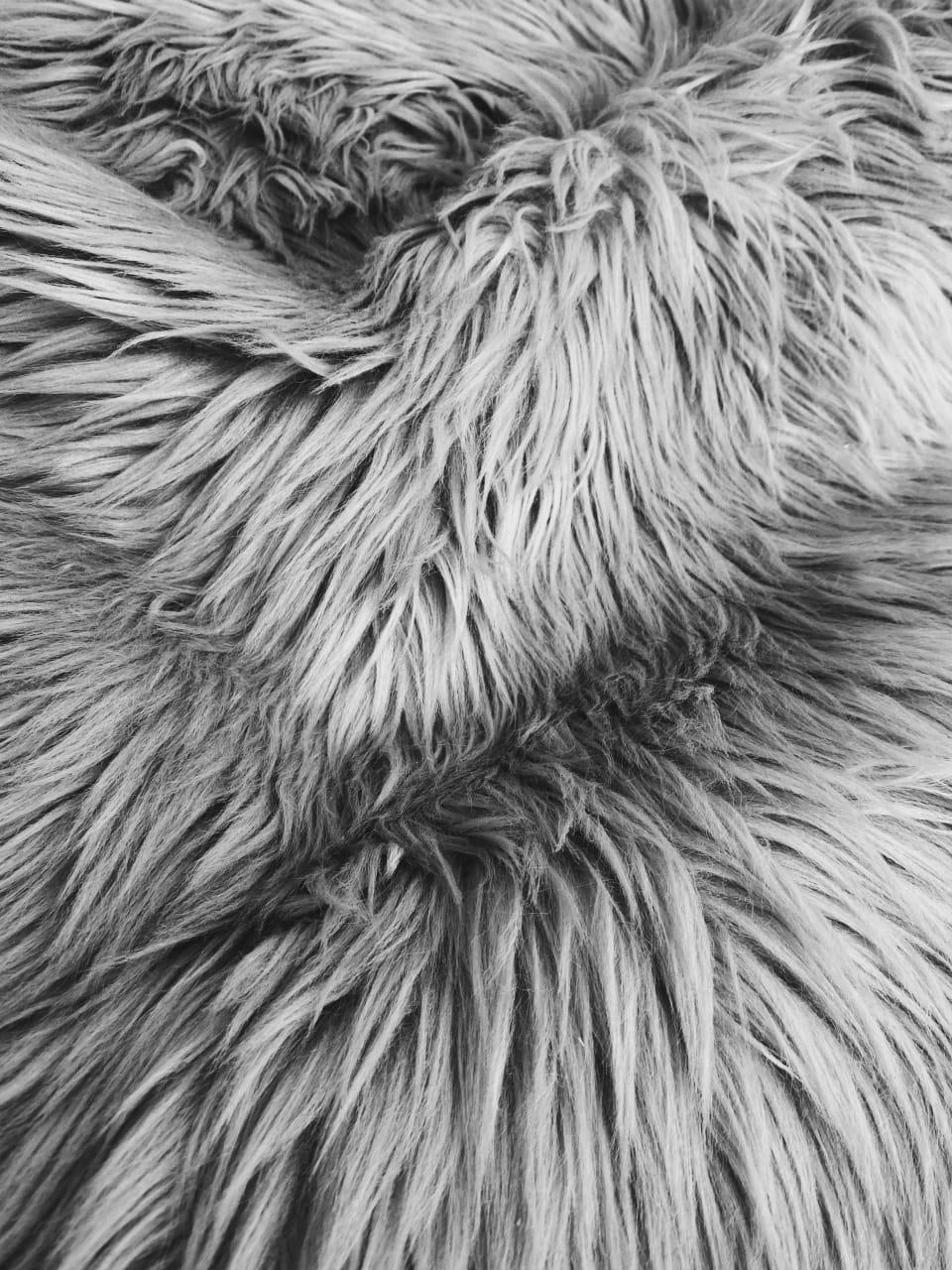
Fur is a natural material of an animal's skin with its dense hair coat preserved, one of humanity's oldest ways to keep warm. Fur is exceptionally warm thanks to the air trapped between the hairs and has a natural beauty, depth of colour and softness. Historically it was a symbol of status and luxury in coats, collars, hats and trims. In contemporary fashion natural fur is the subject of sharp ethical debate, so faux fur plays an ever-greater role: a synthetic pile on a fabric base that imitates the look and warmth of the real thing without using animals. Natural fur needs special storage and care.
Gabardine
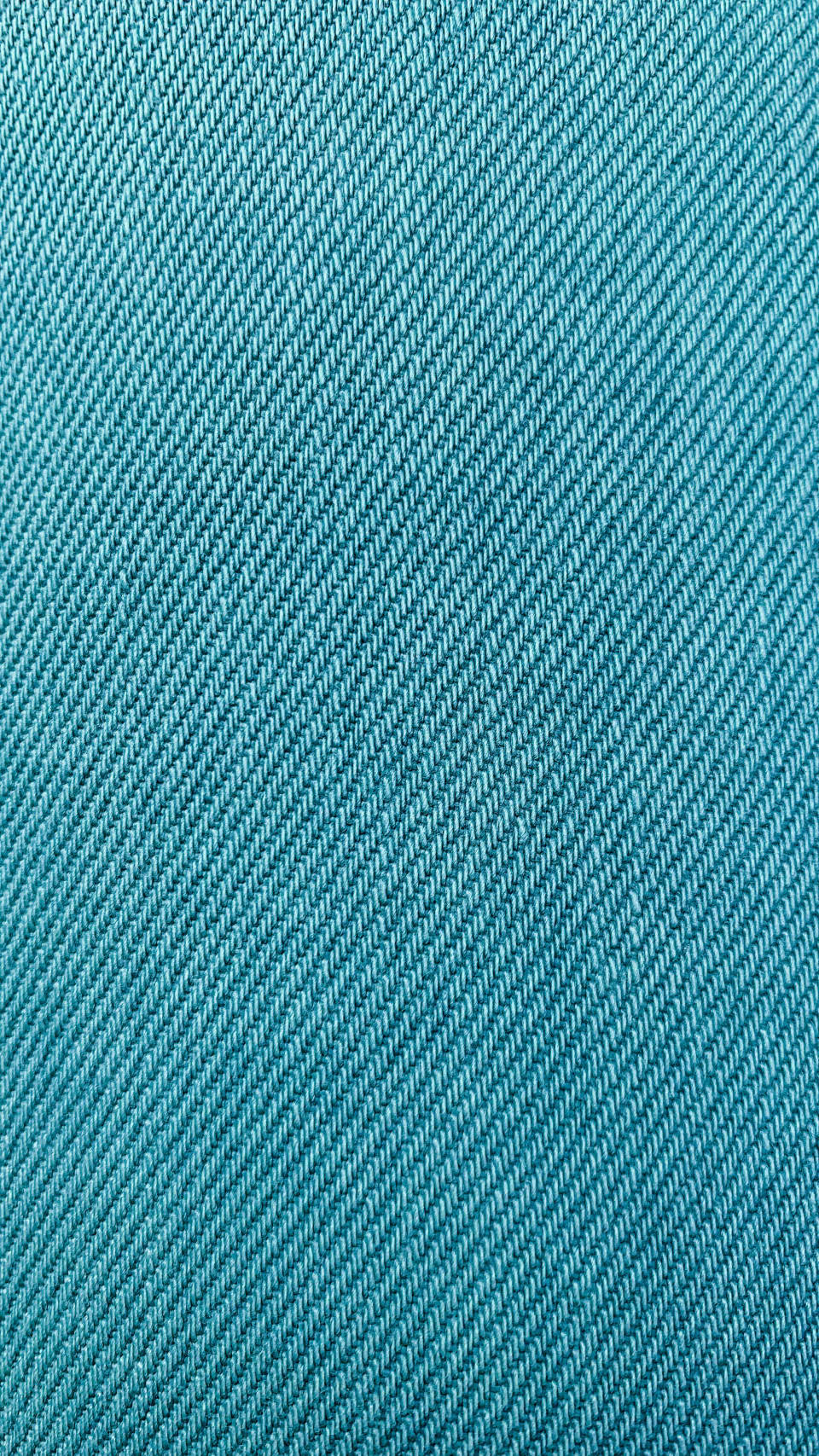
Gabardine is a firm fabric with a distinctive diagonal twill rib, tightly spun and durable. It was devised in the late 19th century by Thomas Burberry, who sought a cloth that breathes yet keeps out the rain; the classic trench coat was cut from gabardine. The fabric holds its shape, barely creases and resists wear, which is why it is chosen for suits, trousers, skirts, raincoats and uniforms. Gabardine is made from wool, cotton or synthetics. It feels slightly 'dry' to the hand and needs neat pressing, but it lasts and looks restrained and elegant.
Mohair
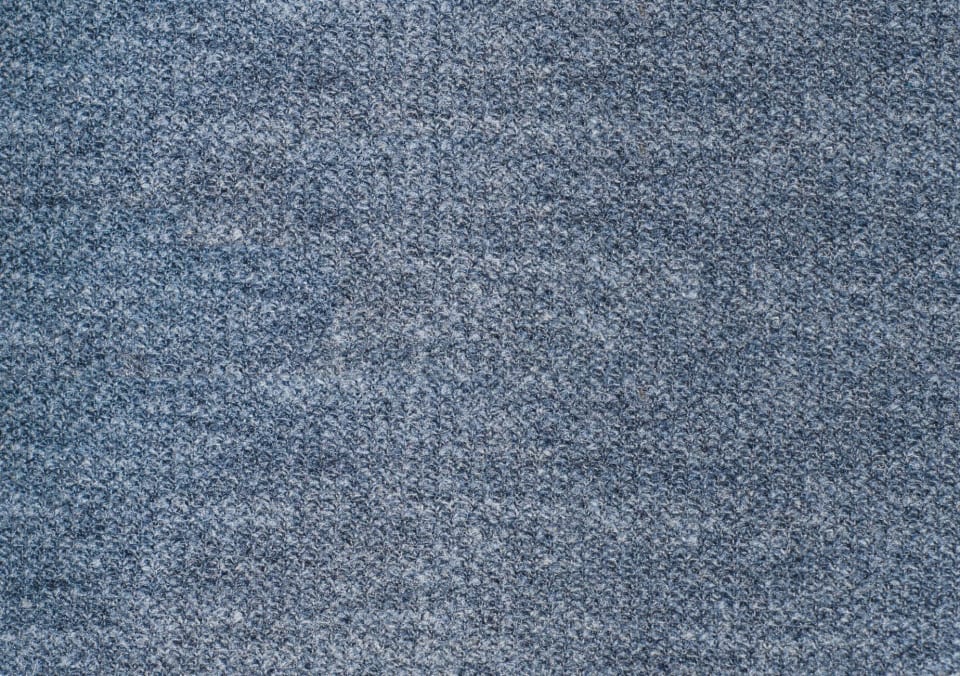
Mohair is a soft, light and warm yarn and fabric from the wool of the Angora goat (not to be confused with angora from the rabbit). Mohair is distinguished by its characteristic long, fluffy pile, silky sheen and exceptional ability to retain heat at low weight. The fibre is strong, springy, dyes well into bright, deep colours and hardly pills. Mohair is knitted into sweaters, cardigans, hats, scarves and coating fabrics that envelop in a tender, 'cloudy' pile. The finest is considered mohair from young goats (kid mohair) — especially fine and soft. The fabric is valued for its luxurious texture, warmth and the characteristic halo of pile that catches the light. Mohair is the embodiment of cosy luxury, in which a natural fibre gives warmth, softness and an inimitable fluffy charm.
Patent leather
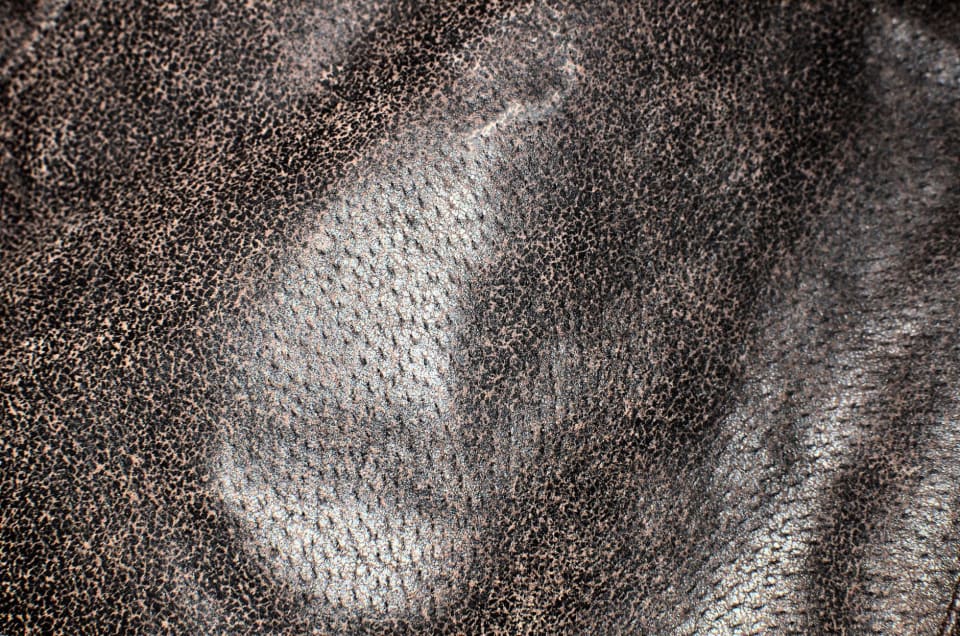
Patent leather is leather with a glossy lacquered coating that gives it a mirror shine and a smooth, water-resistant surface. The lacquering technology was perfected in the early 19th century, and since then patent leather has become a symbol of smartness, evening chic and formality. Its characteristic shine catches the light strikingly, so it is used for festive and evening footwear (classic court shoes, tuxedo oxfords), bags, belts and accessories. The patent surface breathes less and requires careful handling — it fears scratches, frost and creasing. Despite this, it is invariably valued for its dramatic, glamorous look. Patent leather is a material of festive shine and refined formality, in which a mirror surface turns even a plain piece into an elegant, noticeable accent of a look.
Shearling
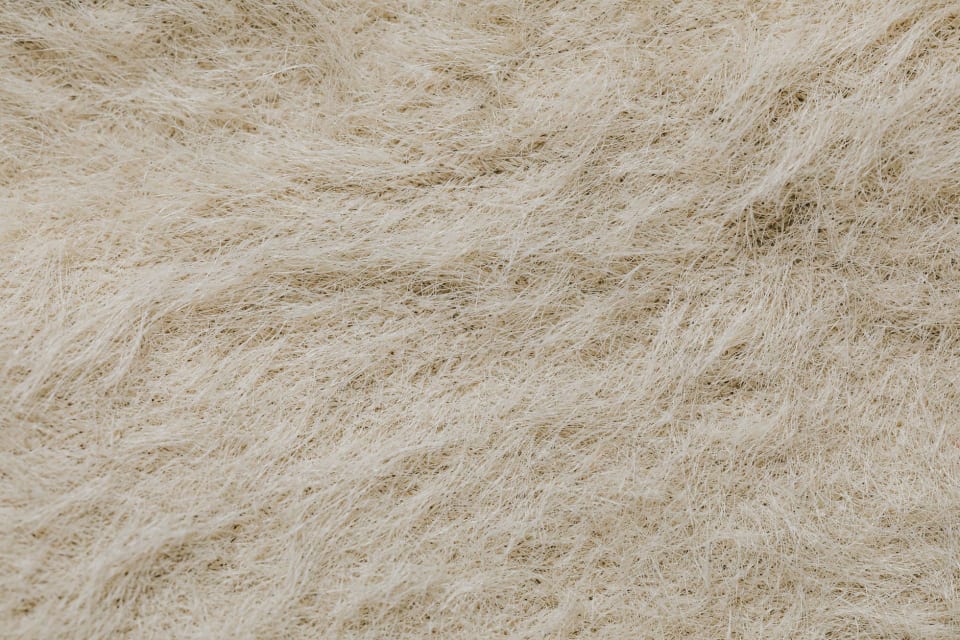
Shearling is a natural sheepskin tanned together with the wool, so that on one side there remains a soft, warm woolly pile, and on the other a leather surface. This unique double-sided material is exceptionally warm: the wool holds air and warms, while the leather protects from wind and damp. Shearling is used for sheepskin coats, winter jackets, gilets, footwear (the same uggs) and mittens. Historically it is one of the oldest winter materials, known in Ukrainian tradition too (kozhukh coats, keptar). Shearling comes natural and treated to look like suede or smooth leather, with clipped or long pile. It is valued for its unrivalled warmth, naturalness and cosy, 'rustic' character. Shearling is the embodiment of natural winter warmth, in which leather and fur in a single material give protection, comfort and a natural charm.
Other Fashion Dimensions
Continue Exploring
Related sections




