

Explore 70 styles
Styles
From minimalism to streetwear — the horizons of Ukrainian fashion.
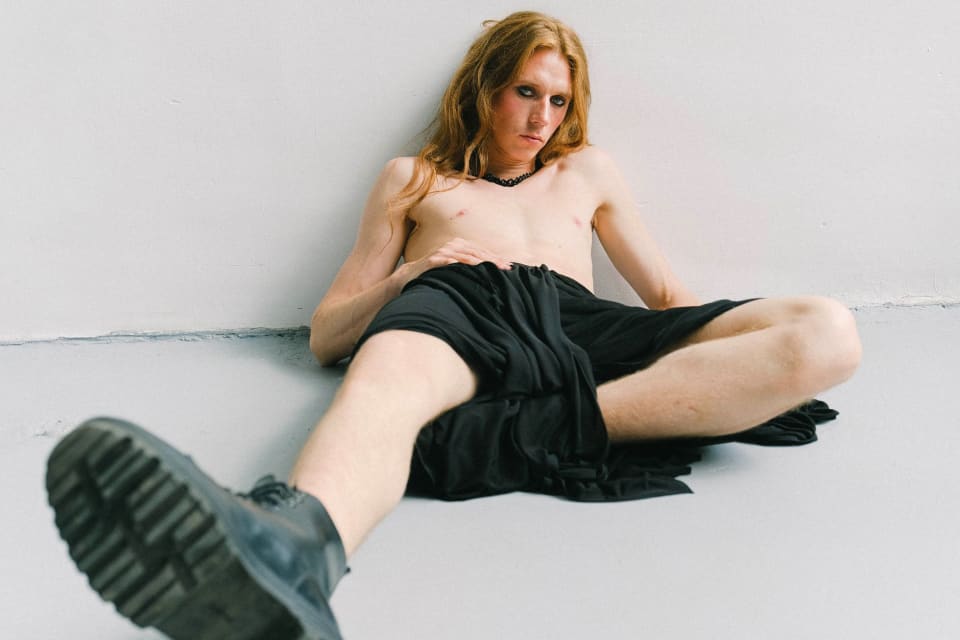
Androgynous
The androgynous style is a current that deliberately blurs or entirely erases the boundary between 'masculine' and 'feminine' in dress, creating gender-neutral looks. The name comes from the Greek andros (man) and gyne (woman). This style borrows elements of the traditionally male wardrobe for women (and vice versa): suits, shirts, straight silhouettes, a restrained palette, the absence of emphatically 'feminine' or 'masculine' details. Historically important milestones were Yves Saint Laurent's 'Le Smoking' tuxedo for women and the looks of Marlene Dietrich. Androgyny is about freedom of self-expression beyond stereotypes, about an elegance built on cut and character rather than gender codes. Today it is one of the key currents of modern, inclusive fashion.
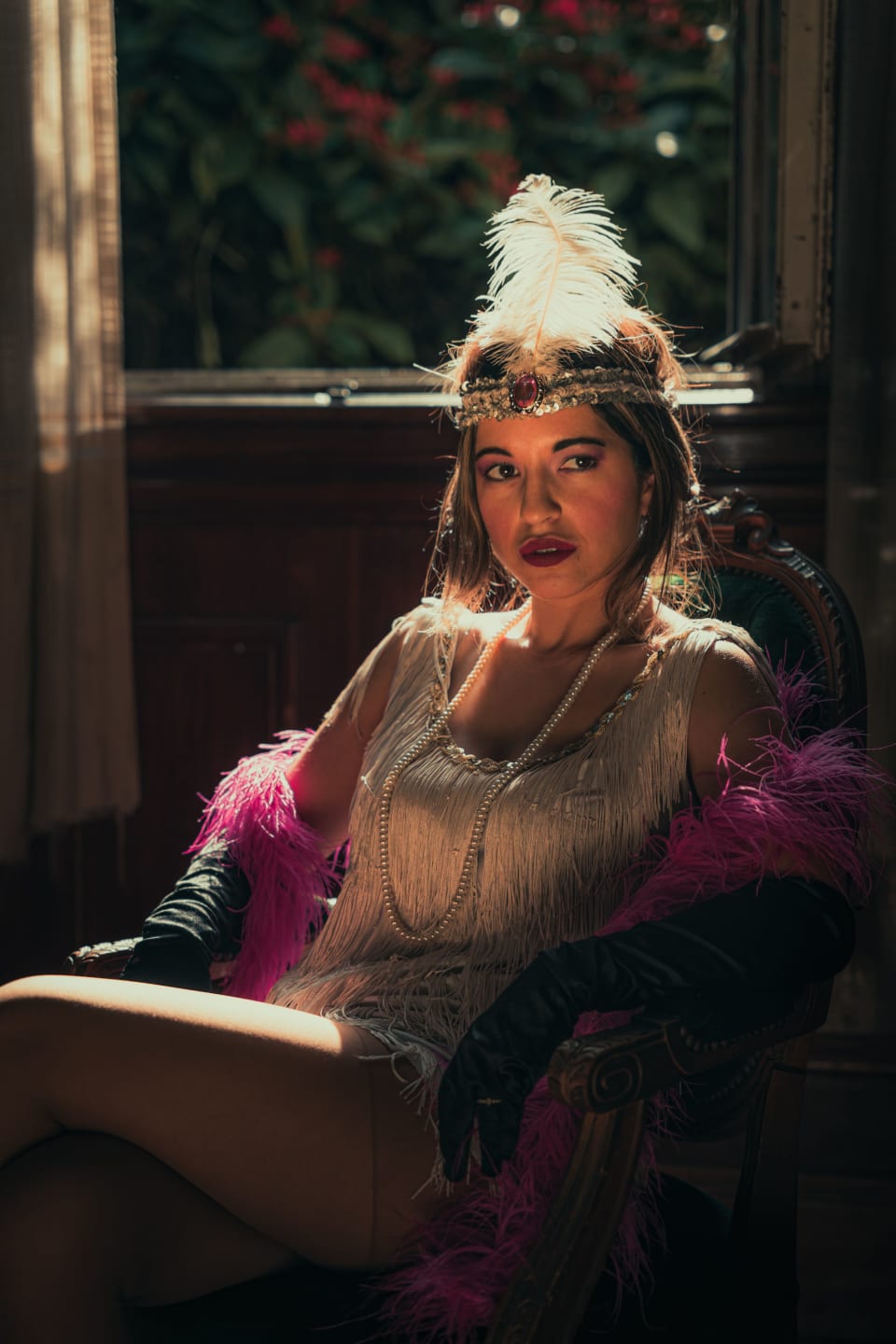
Art Deco
Art Deco is a luxurious, geometrically decorative style that reigned in the 1920s–30s and embraced everything: architecture, design, jewellery art and fashion. In dress, Art Deco is the era of the flappers: straight low-waisted dresses, rich decoration with sequins, beads and fringe, geometric patterns, vertical lines, precious sparkle and metallic shades. The style combined luxury with a machine, 'industrial' aesthetic of clean forms and symmetry. Art Deco embodied the spirit of freedom, jazz and a new, uninhibited life after the First World War. Its influence is still felt in eveningwear and jewellery whenever a look calls for the glamorous, geometric luxury of 'The Great Gatsby'.
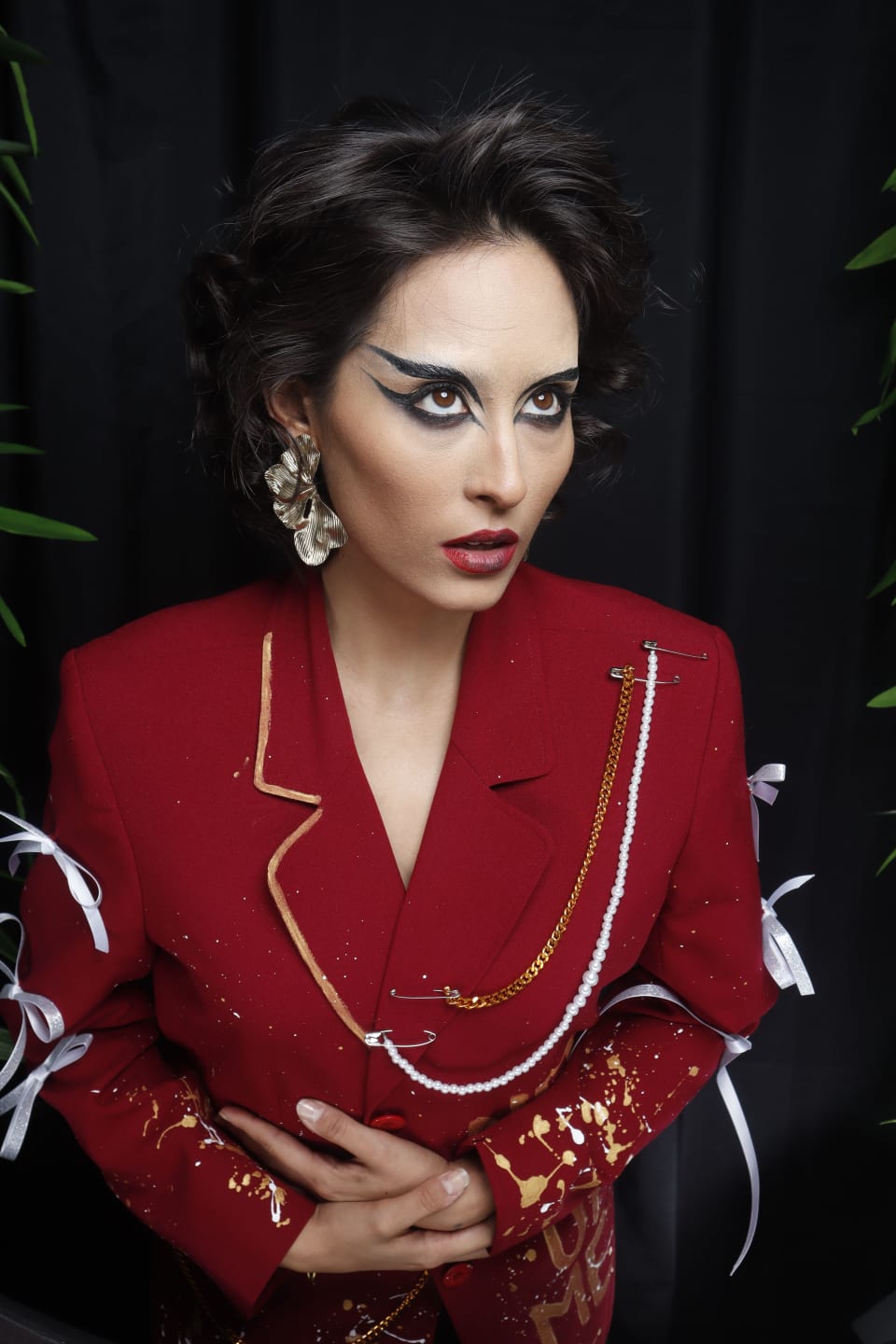
Avant-garde
Avant-garde is an experimental, conceptual style that deliberately breaks the established rules of cut, form and the very purpose of clothing, bringing fashion closer to art. Avant-garde designers (Rei Kawakubo / Comme des Garçons, Martin Margiela, Issey Miyake) explore atypical silhouettes, asymmetry, deconstruction, volume and unusual materials, often placing concept above wearability. Such clothing can shock, provoke or bewilder, because its aim is not to adorn but to pose a question, to challenge notions of beauty and the body. Avant-garde is fashion's laboratory, where ideas are born that later 'seep' into mass clothing. It is a style for the bold, who see dress as a means of self-expression and artistic statement.
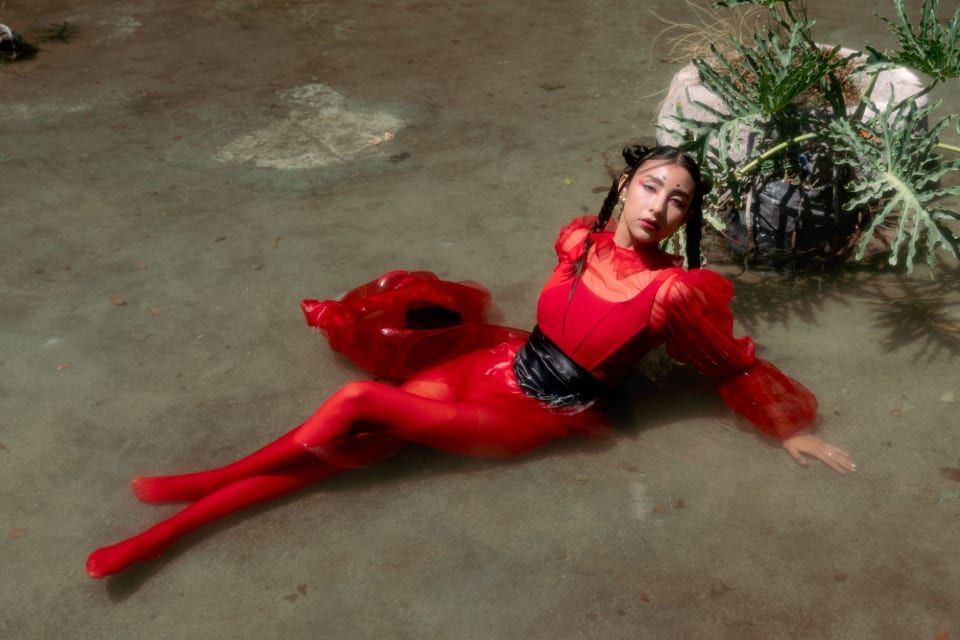
Balletcore
Balletcore is a tender, airy style inspired by the aesthetic of ballet and the rehearsal studio that flourished in the 2020s. Its wardrobe quotes ballerinas' dress: fitted bodysuits and tops, leggings, warm knitted wrap cardigans, tutus and tulle skirts, ballet flats and ribbons around the ankle, a pastel palette (powder pink, cream, white). The look evokes the grace, discipline and fragile beauty of dance. Balletcore combines sporty function with romantic femininity, creating a light, refined and slightly nostalgic silhouette. The wave of the style's popularity was fed by a ballet renaissance in pop culture and the aesthetic of 'quiet' femininity. Balletcore is a style of grace, tenderness and a dream of flight, in which everyday clothing takes on the fragile, almost stage-like beauty of a ballerina.
Baroque
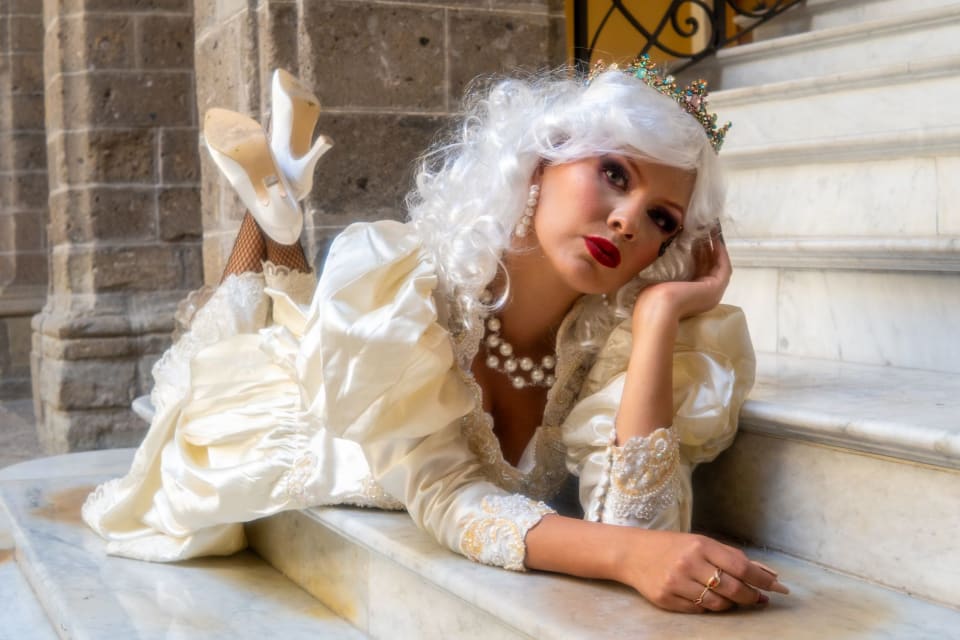
Baroque is a lavish, dramatic style inspired by the aesthetic of 17th–18th-century European art with its love of luxury, movement and theatricality. In fashion, baroque is heavy precious fabrics (velvet, brocade, silk), rich gold embroidery, elaborate lace, voluminous sleeves, deep saturated colours and an abundance of décor. The style celebrates excess as beauty: the more sparkle, ornament and texture, the better. Historically the baroque costume reflected the power and wealth of the aristocracy and monarchs. Baroque motifs are regularly brought back into modern fashion by designers (above all Dolce & Gabbana, Versace) — with their gold patterns, baroque prints and opulent luxury. Baroque is a style of grandeur, sensuality and confident, unapologetic luxury that is not afraid to be noticed.
Boho
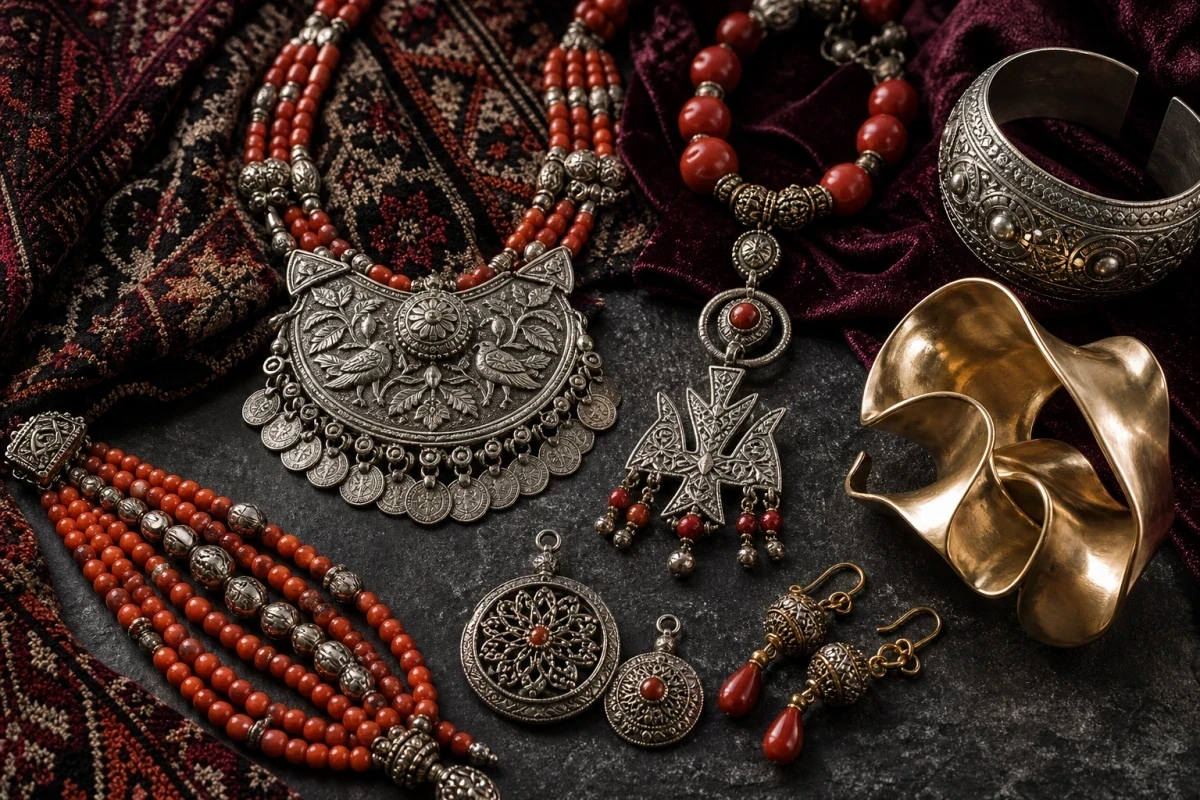
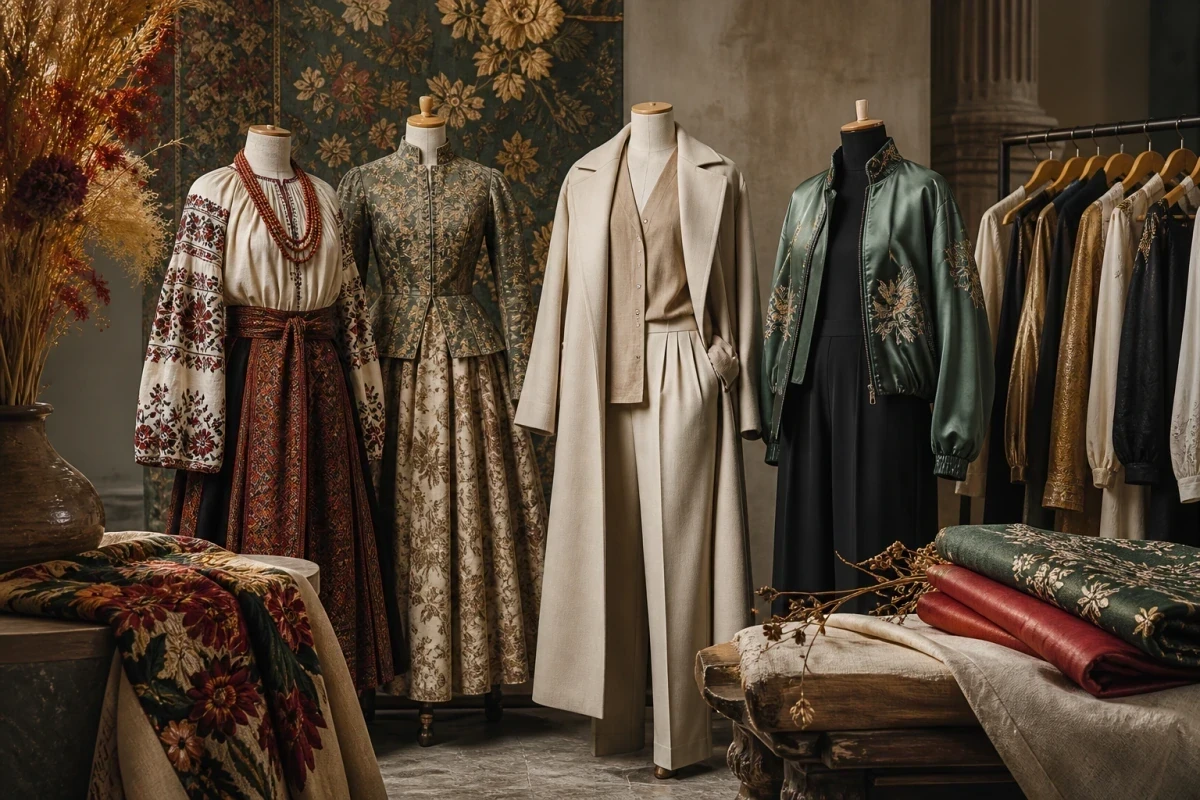
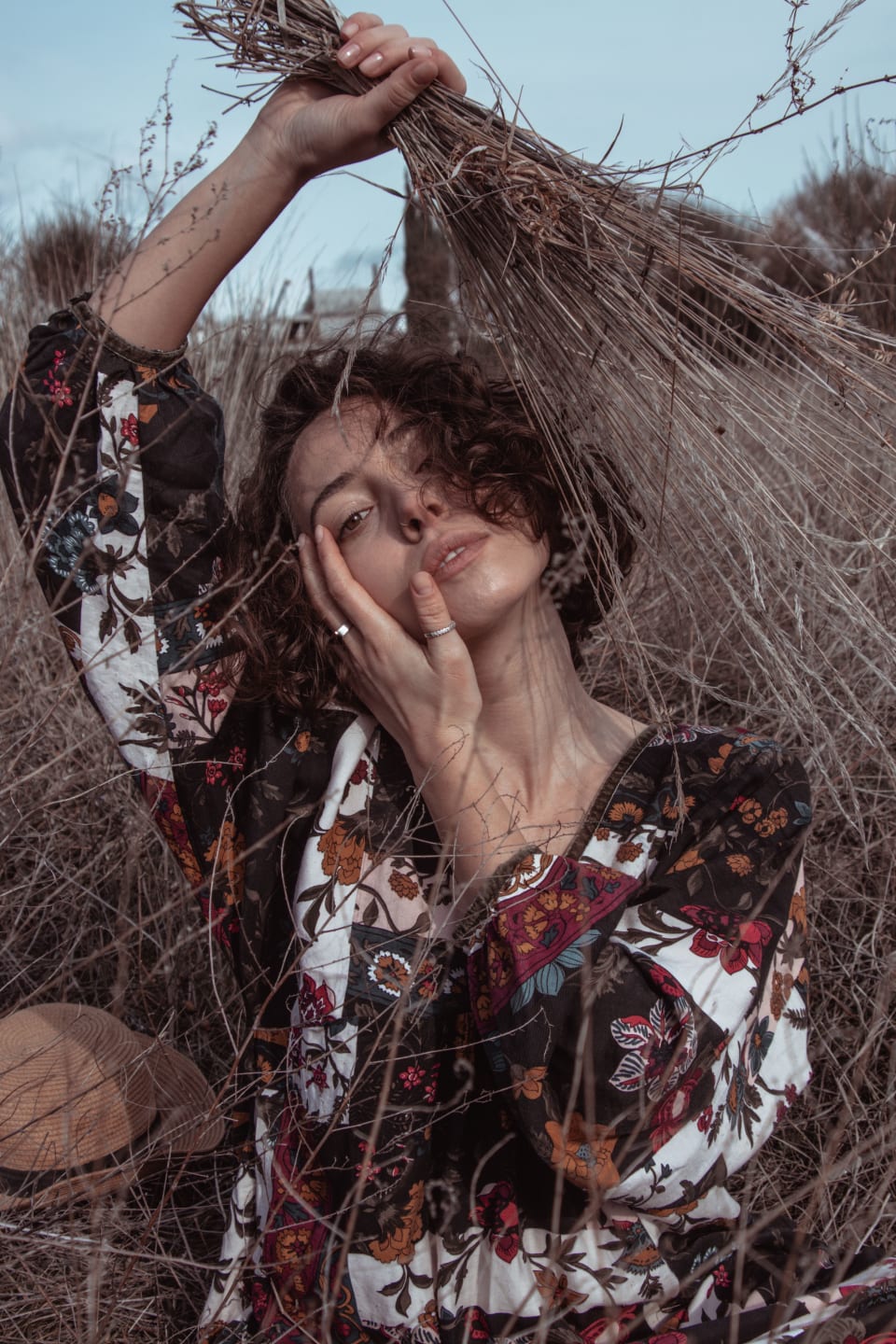
Boho (bohemian style) is a free, romantically wandering style that combines ethnic motifs, natural fabrics, layering, fringe, embroidery and lace into an effortless, 'gathered-in-travels' look. The name comes from 'bohemia' — free artists and travellers — and the aesthetic draws on the hippies of the 1960s–70s, Roma, Eastern and folk traditions. Boho loves linen, suede, long skirts, wide sleeves, large jewellery and a warm earthy palette. It is a style about freedom, creativity and a connection to nature that deliberately avoids strict rules and glossy perfection. Ukrainian embroidery and authentic fabrics fit organically into boho, so this style is close to our culture of folk decoration.

Business casual
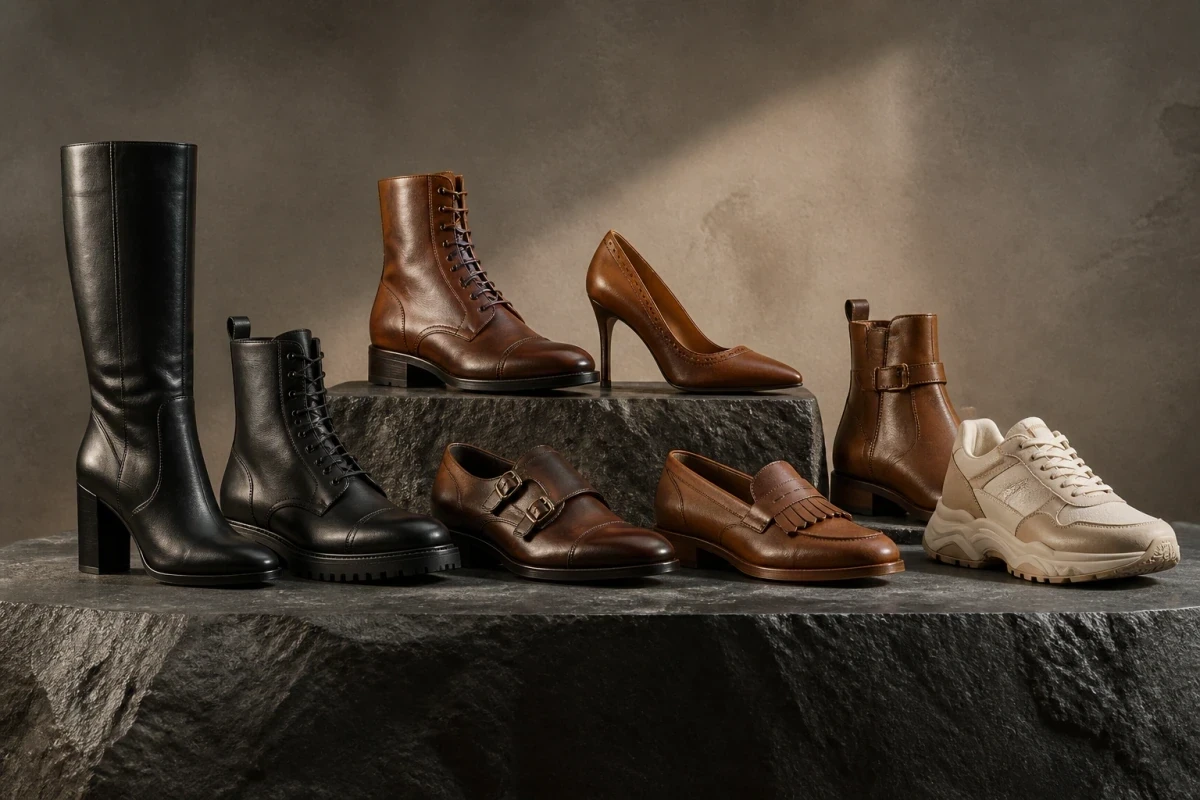
Business casual is a dress code that softens the severity of the classic office suit while keeping a tidy, professional look. It is the middle ground between formal and everyday: a shirt or blouse without a tie, neat knitwear, chinos or well-cut trousers, a shirt dress, loafers, clean shoes or minimalist sneakers. Business casual emerged with the gradual relaxation of corporate dress codes in the late 20th century, when companies allowed 'tie-free Fridays' and later less formal everyday dress. The guiding principle is appropriateness and neatness: pieces should be pressed, well-fitted and kept to a restrained palette, even when they are comfortable. The style is prized for its balance of comfort and authority — one feels free in it yet stays collected and professional. Business casual is the versatile choice of the modern office, meetings and semi-formal occasions.

Business formal
Business formal is the strictest business dress code, built on the classic suit and impeccable neatness. For men it is a dark two- or three-piece suit, a light shirt, a tie, leather oxfords and restrained accessories; for women, a suit with a pencil skirt or trousers, a sheath dress, closed elegant footwear with a moderate heel. The palette is restrained — navy, grey, black — and the fabrics are of good quality that hold their shape. The style took form in the corporate world of the 20th century as a visual code of authority, reliability and respect for the occasion. Its guiding principles are impeccable fit, measured proportions and the absence of superfluous detail: everything works towards an image of professionalism and solidity. Business formal is chosen for important negotiations, official events and the banking and legal spheres — wherever appearance must speak of competence and seriousness.
Camp
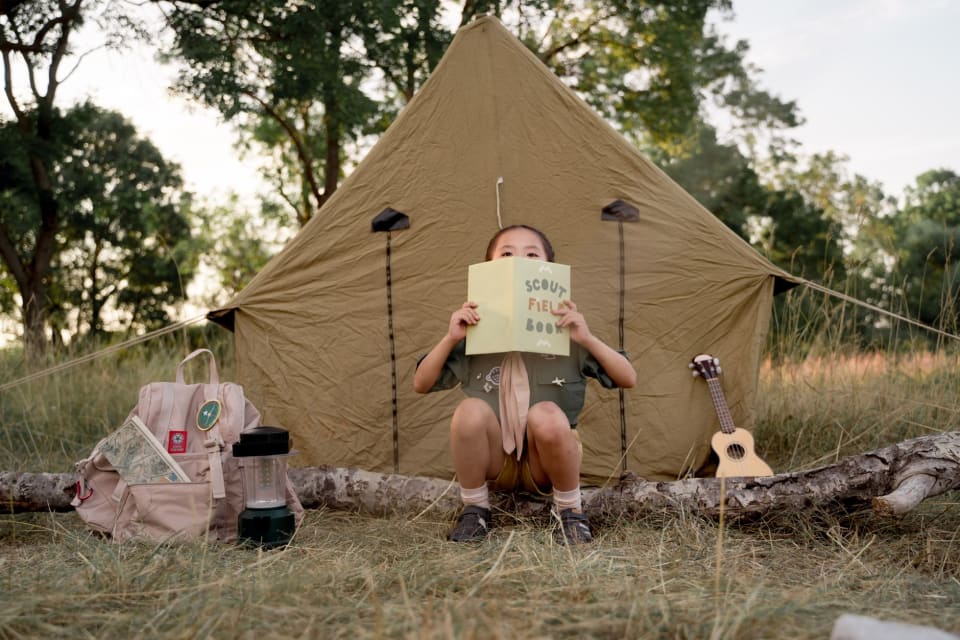
Camp is an aesthetic of deliberate theatricality, irony and 'so bad it's wonderful' taste, which turns excess, artifice and pathos into high art. The concept was theorised by Susan Sontag in her essay 'Notes on Camp' (1964), and in 2019 a legendary exhibition and Met Gala were devoted to it. Camp loves exaggeration, drama, kitsch, humour and a challenge to 'good taste': lavish wigs, sparkle, hyperbolised forms, joke costumes, pop-culture kitsch. It is a style that does not take itself too seriously and celebrates artifice as freedom. Elton John, Lady Gaga, drag culture and the designer Jeremy Scott became icons of camp. Camp is a joyful rebellion against boredom and convention, in which excess, irony and theatricality become a form of art and self-expression.
Casual
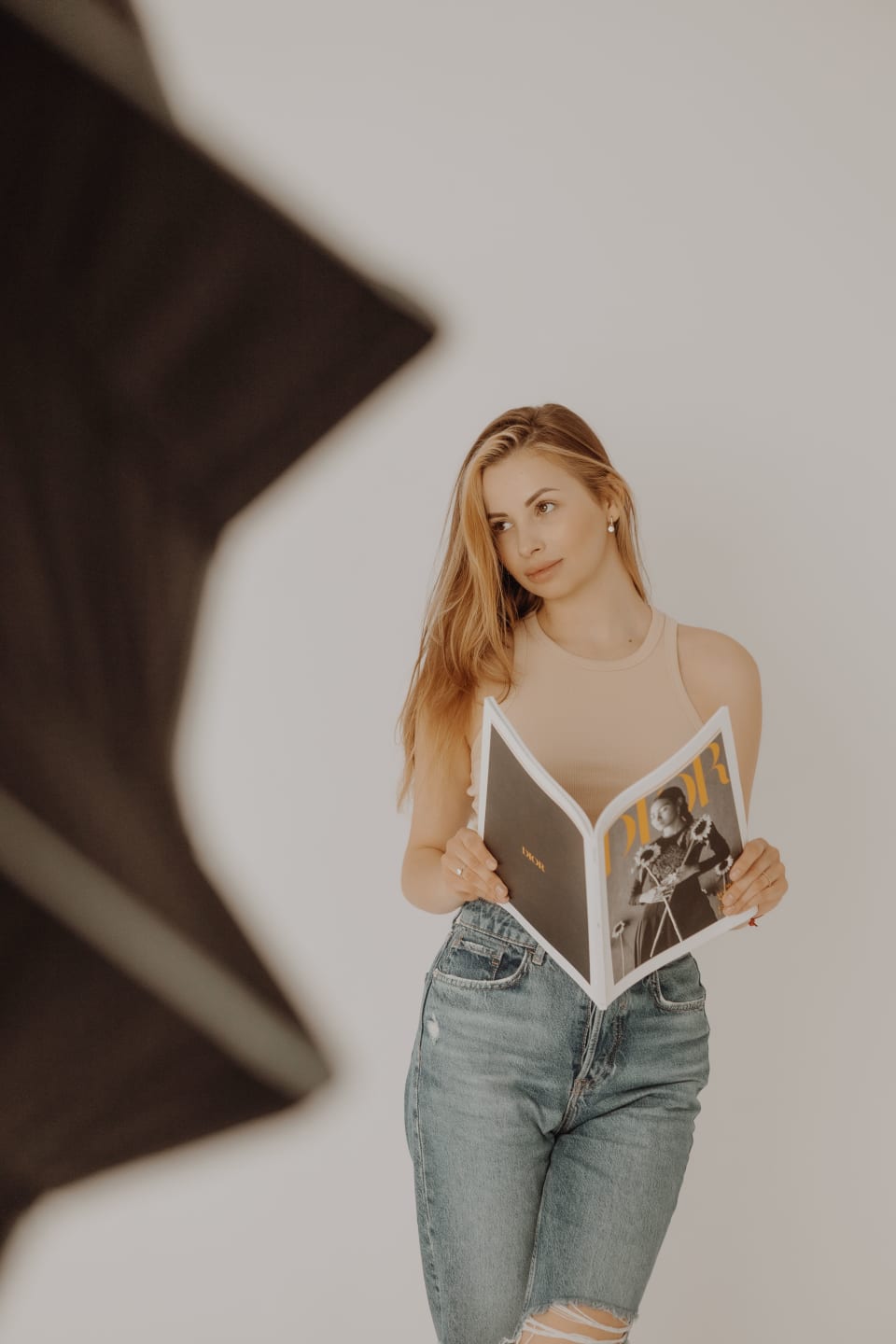
Casual is a style of everyday, relaxed clothing that puts comfort and practicality first without sacrificing a tidy appearance. It is jeans, T-shirts, knitwear, sweaters, comfortable shoes, untucked shirts — pieces in which a person feels free every day. Casual was born of the democratisation of 20th-century fashion, when strict dress codes gave way to comfort. The key to successful casual is balance: relaxed but not careless, simple but tidy. Variants — smart casual (combining the relaxed with elements of the classic) — allow this style to be worn even in a semi-formal context. Casual is the most widespread style of the modern wardrobe, because it matches the rhythm and freedom of contemporary life.
Other Fashion Dimensions