



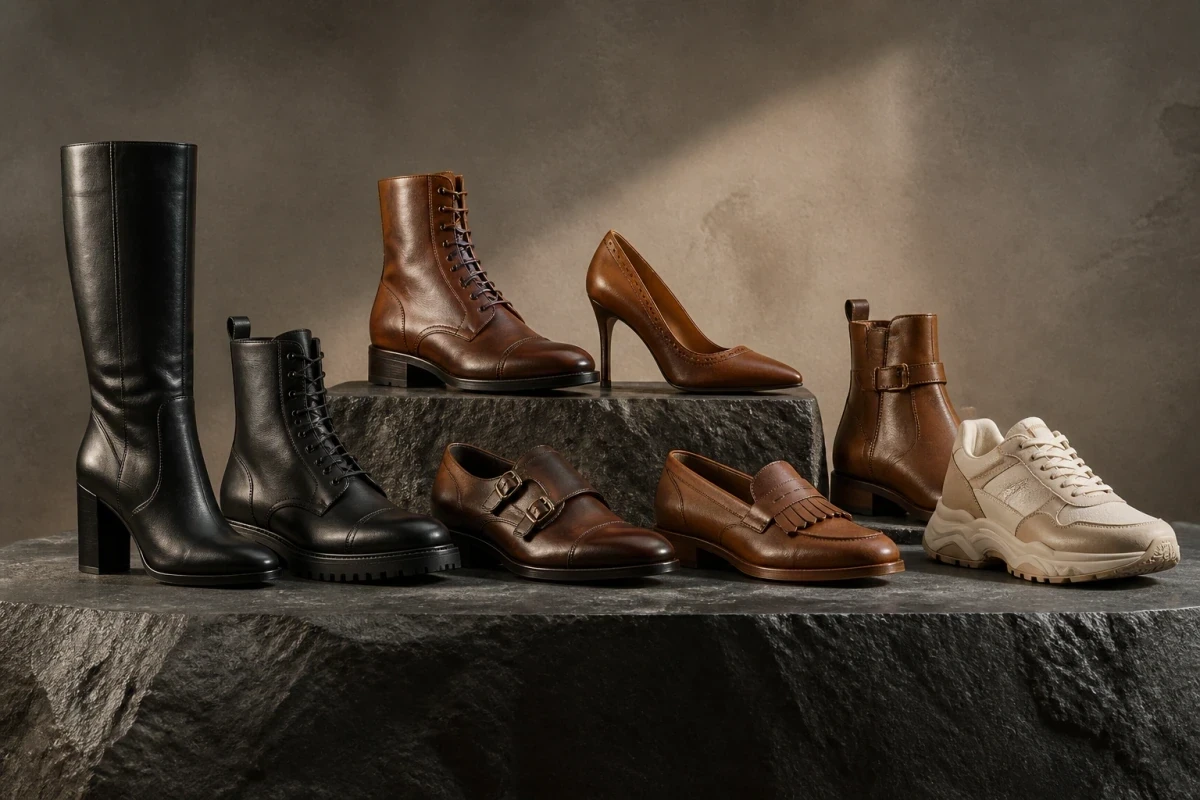
Style Starts at the Sole45 models
Footwear
From classic oxfords to modern handcrafted sneakers.
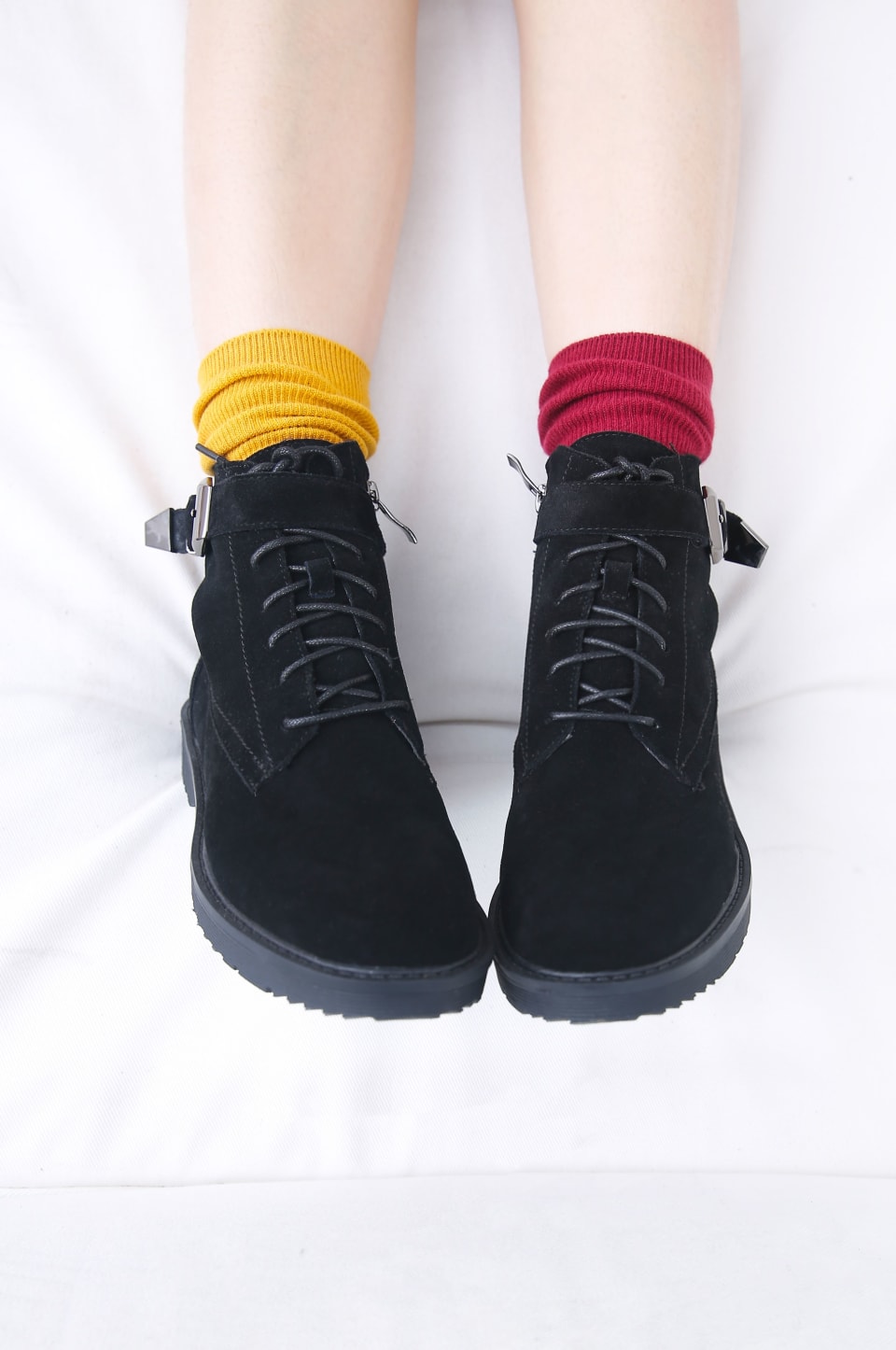
Ankle boots
Ankle boots are short boots whose shaft reaches the ankle or slightly above. It is one of the most versatile types of footwear: they combine the coverage and protection of boots with the lightness and compactness of shoes, so they suit almost everything — from dresses and skirts to jeans and trousers. Ankle boots come with any heel: stiletto, block heel, wedge or flat sole. Popular varieties are Chelsea (with elastic gussets), cowboy, zip-up or lace-up ankle boots. They work well in the between-seasons, when full boots are still too early and shoes are already cold. Ankle boots visually lengthen the leg, giving a look completeness and character. It is practical, stylish and incredibly flexible footwear that has deservedly become a staple of the modern wardrobe.
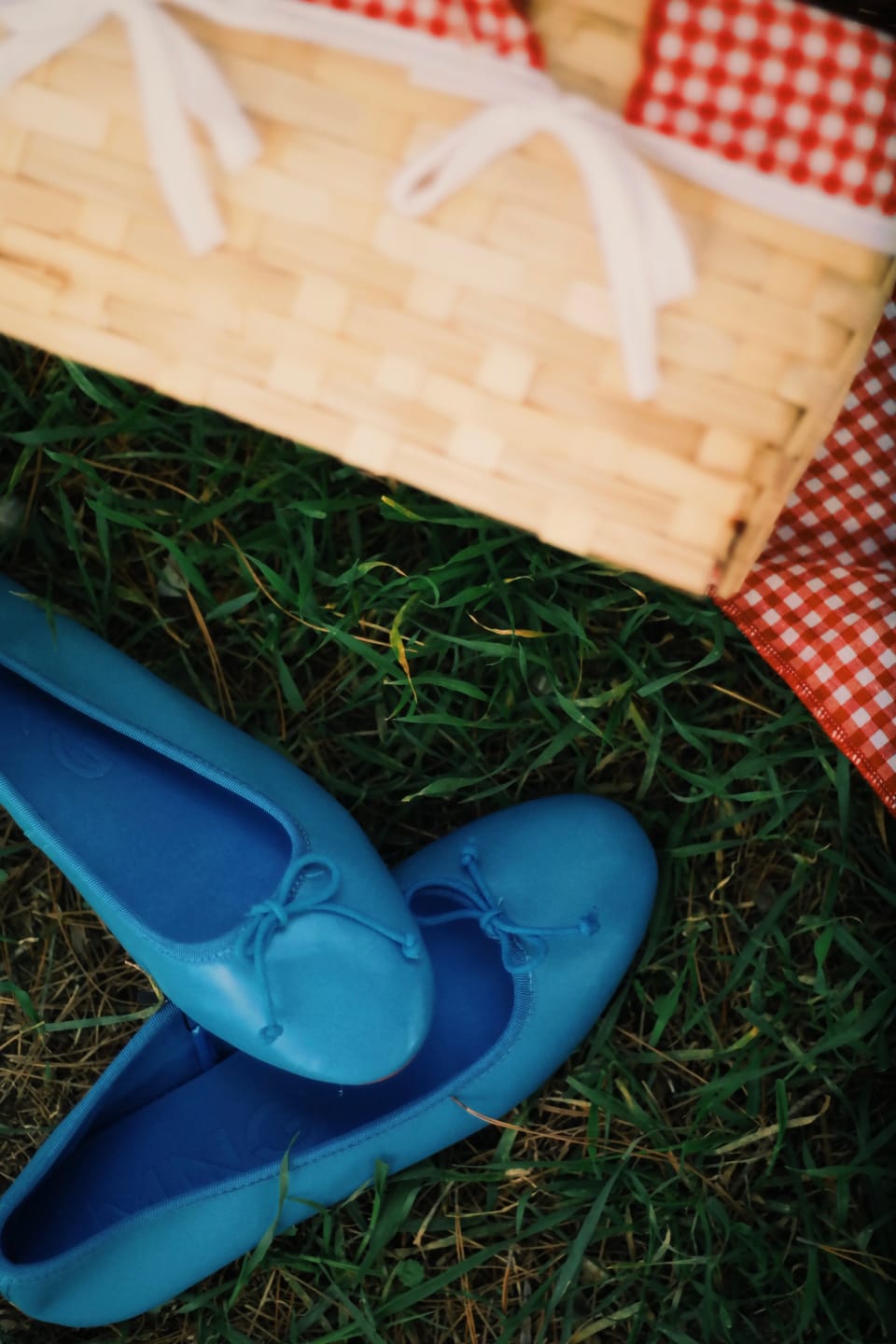
Ballet flats
Ballet flats are light women's flat shoes with a thin flexible sole, a rounded toe and a low-cut top, inspired by ballerinas' soft ballet shoes (not pointe shoes). The modern rubber-soled ballet flat emerged in the mid-20th century (Claire McCardell with Salvatore Capezio; Rose Repetto, 1947) and was brought into fashion by Brigitte Bardot, and the style icon Audrey Hepburn made it a symbol of effortless, refined elegance. Ballet flats combine femininity with maximum comfort: you can walk in them all day without tiring, and they look graceful and neat. They go beautifully with dresses, jeans and trousers, giving a look lightness and French charm. Classically they are made of leather, suede or textile, often with a bow at the toe. Ballet flats are a timeless staple of the women's wardrobe and the ideal alternative to heels, when beauty need not cost comfort.
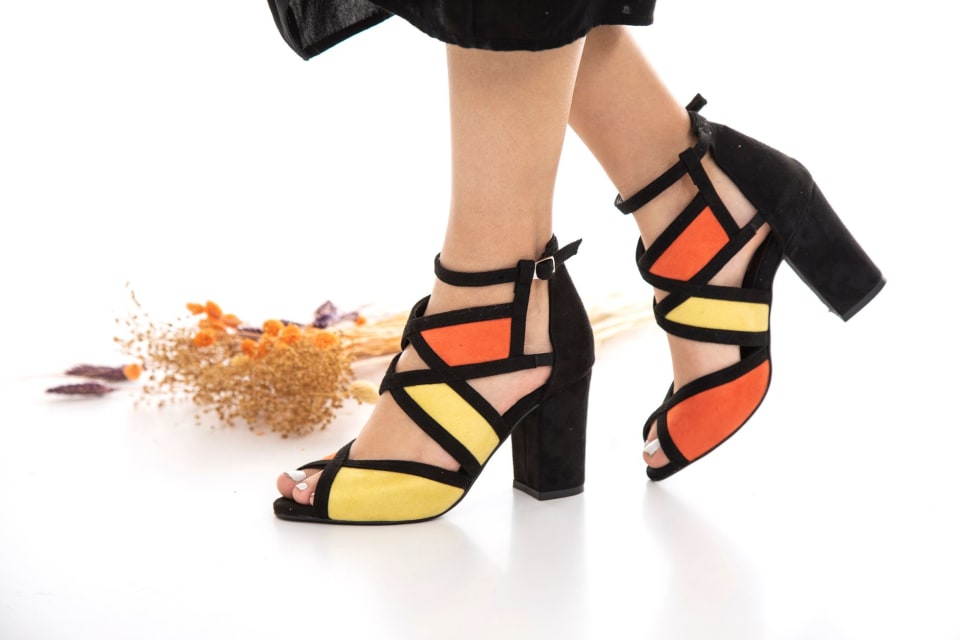
Block heel
A block heel is a thick, wide heel of rectangular or cylindrical shape that provides a large support area. Unlike a thin stiletto, a block heel distributes body weight evenly, so it is far more comfortable and safer to walk in — even on uneven surfaces and for a long time. At the same time it adds height and lengthens the leg just as well. A block heel comes in any height — from low to very high — and gives a look both elegance and a modern, confident character. It is one of the most practical and popular kinds of heel. A block heel is a thick, wide heel with a large support area, in which height and elegance combine with comfort and stability, making it the most practical alternative to the stiletto for those who value both beauty and comfort.

Boat shoes
Boat shoes are light leather (or suede) shoes with a characteristic lacing that runs around through eyelets and ties at the side, and a white non-slip sole. They were invented by Paul Sperry in the 1930s specially for yachtsmen: the special siping on the sole did not slip on a wet deck, and the water-repellent-treated leather withstood damp. From yachting footwear boat shoes became a classic of preppy and nautical style, a symbol of relaxed, aristocratic summer leisure. They are traditionally worn barefoot with chinos or shorts. Boat shoes are leather deck shoes with a non-slip sole and characteristic side lacing, in which functional yachting roots combine with the preppy aesthetic of relaxed aristocratic summer that made them a classic of nautical and everyday style.
Boots
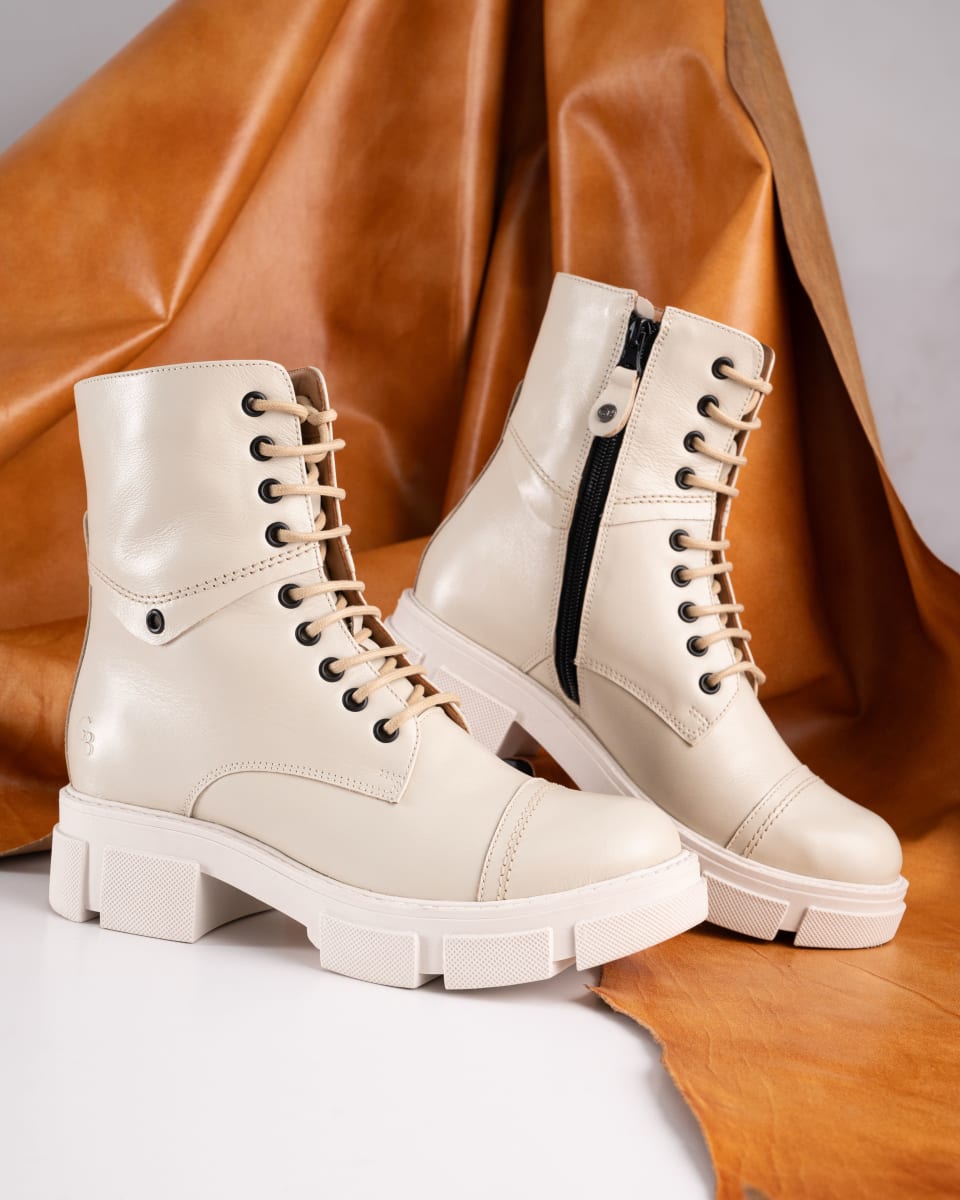
Boots are footwear with high shafts that cover the ankle, and often the shin or knee. It is one of the oldest and most functional types of footwear, born of the need to protect the legs from cold, damp and injury. Today boots are a vast family of styles: classic knee-high leather, over-the-knee, cowboy boots, work and army combat boots, rubber boots. They combine practicality with powerful style potential: high boots make the silhouette slimmer and the look complete and confident. Materials range from smooth and patent leather to suede and textile. Boots are appropriate from harsh winter to the runway, and their character can be anything: from romantic to brutal. It is footwear of strength, protection and expressive style.
Brogues
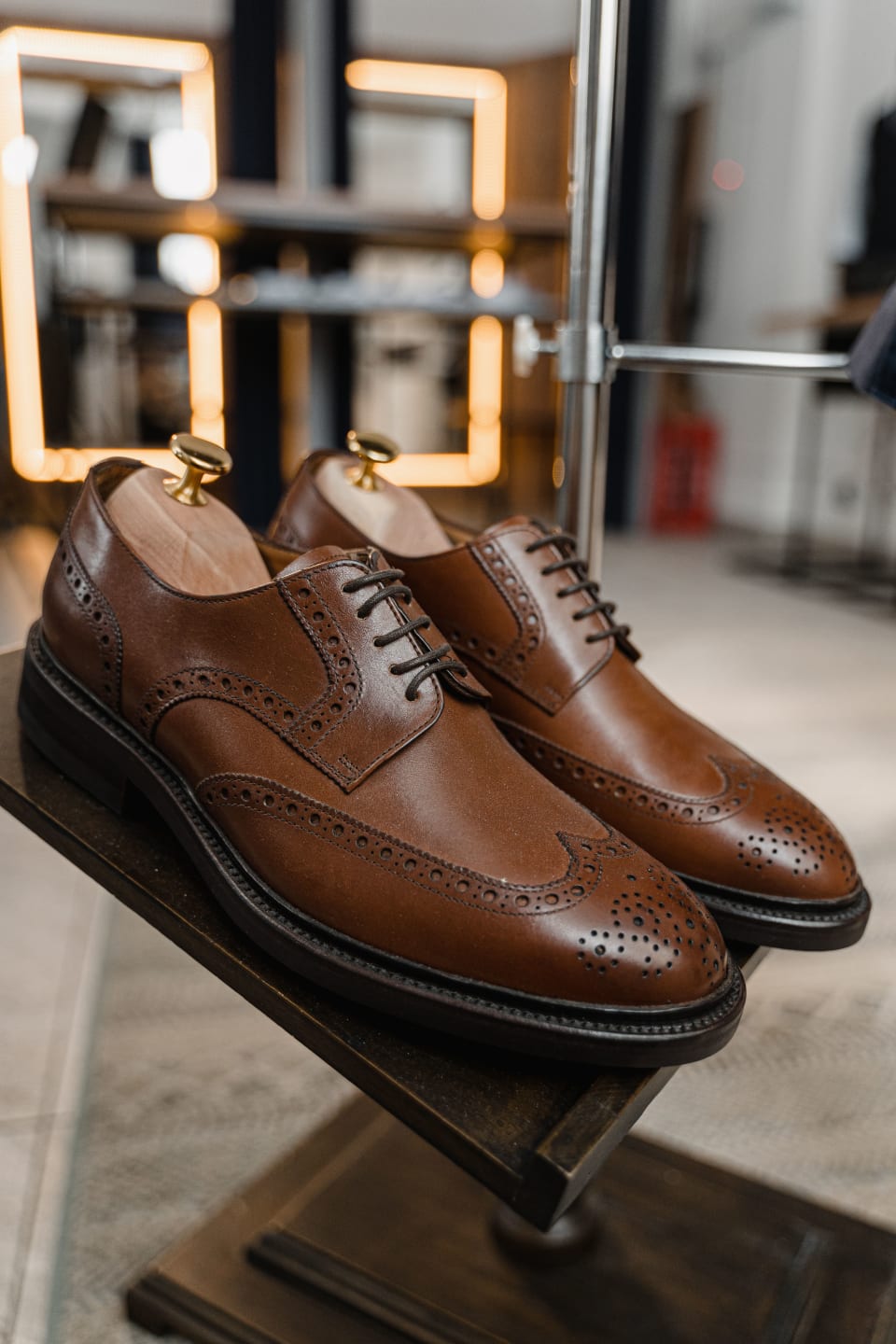
Brogues are not a separate style but a type of shoe decoration with ornamental perforation: a pattern of small holes (from Scottish Gaelic bròg / Irish bróg — 'shoe') along the seams and on the toe. The perforation is often said to derive from drainage holes in Irish and Scottish work shoes, though contemporary descriptions of the original brogues do not mention such holes. Later the decoration moved to the city and became a mark of style. Brogues are distinguished by the 'fullness' of the perforation: full brogue (with a shaped wingtip), semi-brogue, quarter-brogue. The decoration can be applied to both oxfords and derbies. Brogues are slightly less formal than smooth shoes but more expressive and characterful; they add texture and a British, 'tweedy' charm to a look. A classic choice for an elegant but not overly severe style.
Chelsea boots
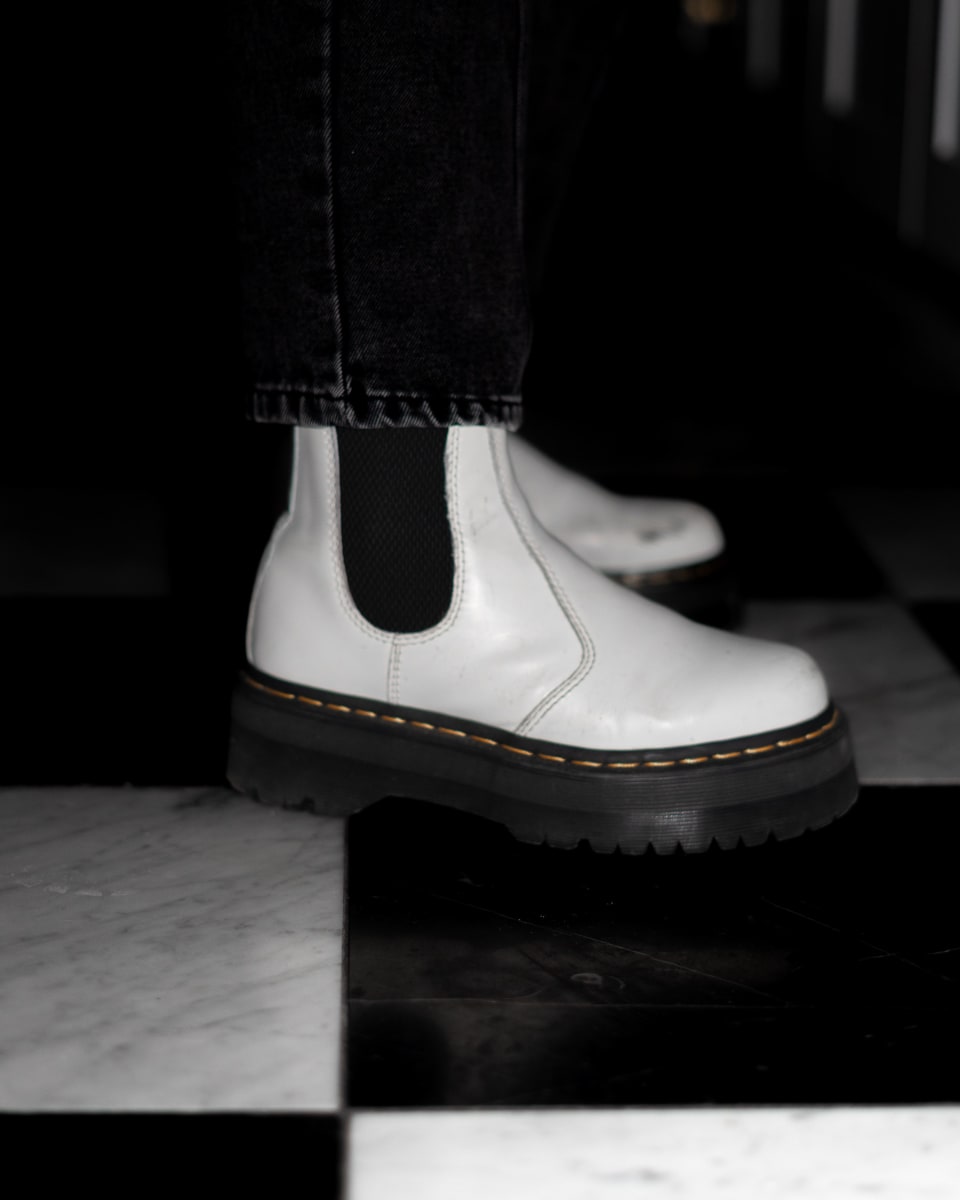
Chelsea boots are classic ankle boots with a characteristic construction: a one-piece top with no laces or fastenings, two elastic gussets on the sides that allow them to be pulled on easily, and a loop at the back. Created in the Victorian era (the design is credited to Queen Victoria's shoemaker Joseph Sparkes Hall, who claimed she wore them daily), they gained cult status in the 1960s, when they were worn by the fashionable set of London's Chelsea district and by The Beatles. Chelsea boots have a clean, spare yet elegant silhouette without excess detail, so they balance easily between the formal and the relaxed. They are worn both with a suit and with denim. Classically they are made of leather or suede with a low heel. It is timeless, versatile and stylish footwear — one of the smartest choices for the men's and women's wardrobe.
Chukka boots
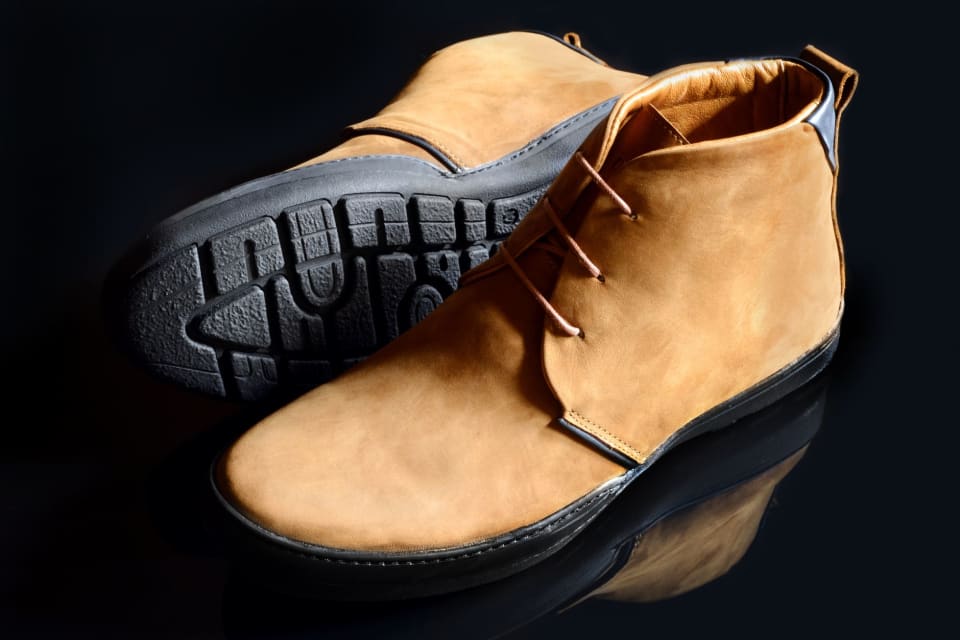
Chukka boots are light ankle boots with open lacing of just two or three pairs of eyelets, usually of suede or smooth leather on a thin sole. It is one of the most versatile and spare styles of men's (and women's) footwear: chukkas are tidy enough for a smart-casual look with chinos, but also relaxed with denim. The name, by one account, is linked to the game of polo (a chukka is a period of a match). The minimalist, clean silhouette without excess detail makes them timeless. They are often confused with desert boots, but chukka is a broader concept. Chukka boots are spare ankle boots with short lacing, in which a clean, minimalist silhouette combines neatness and ease, making them one of the most versatile styles for smart-casual and everyday looks.
Clogs
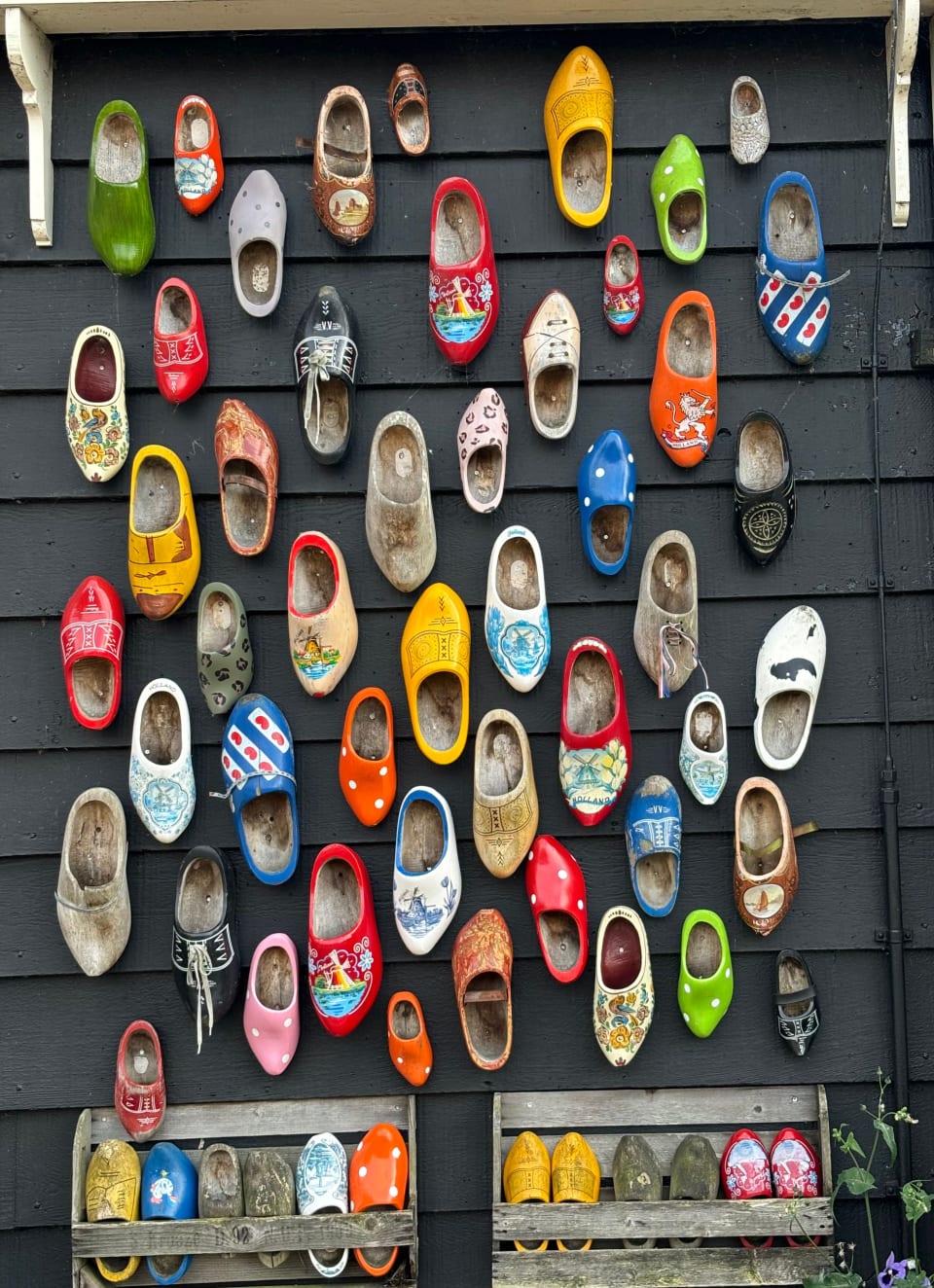
Clogs are footwear with a characteristic rigid, often wooden sole and a closed front part, often, though not always, backless (traditional Dutch klompen are fully enclosed). Classic clogs were carved entirely from wood; they come from the peasant and artisan life of Europe (Dutch klompen), where they protected the feet from damp and dirt. The wooden platform makes clogs stable, durable and lifts the foot off the ground. Modern clogs have kept the recognisable massive sole, but the top is now made of leather or textile, and they are readily worn both in the city and as comfortable work footwear (medics, cooks — where rubber crocs-clogs are popular). Clogs are a combination of artisan authenticity, practicality and a characteristic, slightly rough aesthetic. They return to the runways cyclically as a tribute to naturalness and folk charm.
Combat boots
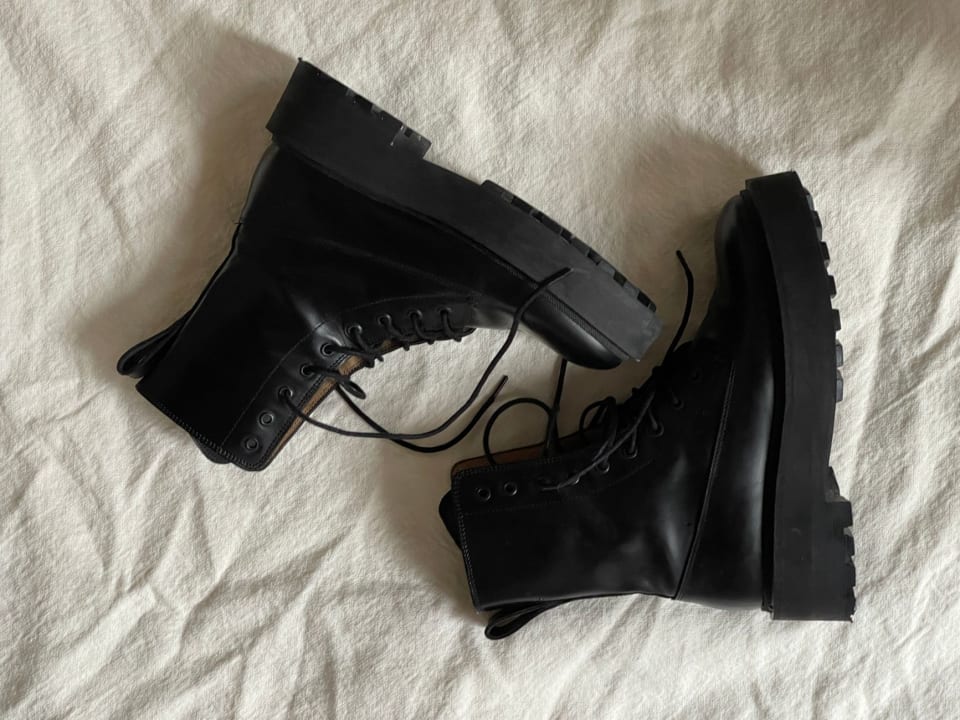
Combat boots are heavy, sturdy lace-up boots with a high shaft to the ankle or above, a thick treaded sole and reinforced construction, made on the model of military footwear. Historically meant for endurance and protection in the field, combat boots passed into fashion as a powerful symbol of rebellion, strength and independence. They were loved by punk, grunge, gothic and rock subcultures, and today they are a versatile item of the street wardrobe that adds a note of audacity and character even to a feminine look. Classic black leather lace-up combat boots are a timeless staple. Combat boots are heavy, sturdy lace-up army boots, in which military endurance and protection combine with a powerful symbolism of rebellion and strength that made them cult footwear of punk, grunge and rock aesthetics and a versatile accent of street style.
Other Fashion Dimensions
Continue Exploring
Related sections




