

Explore 9 styles
Styles
From minimalism to streetwear — the horizons of Ukrainian fashion.
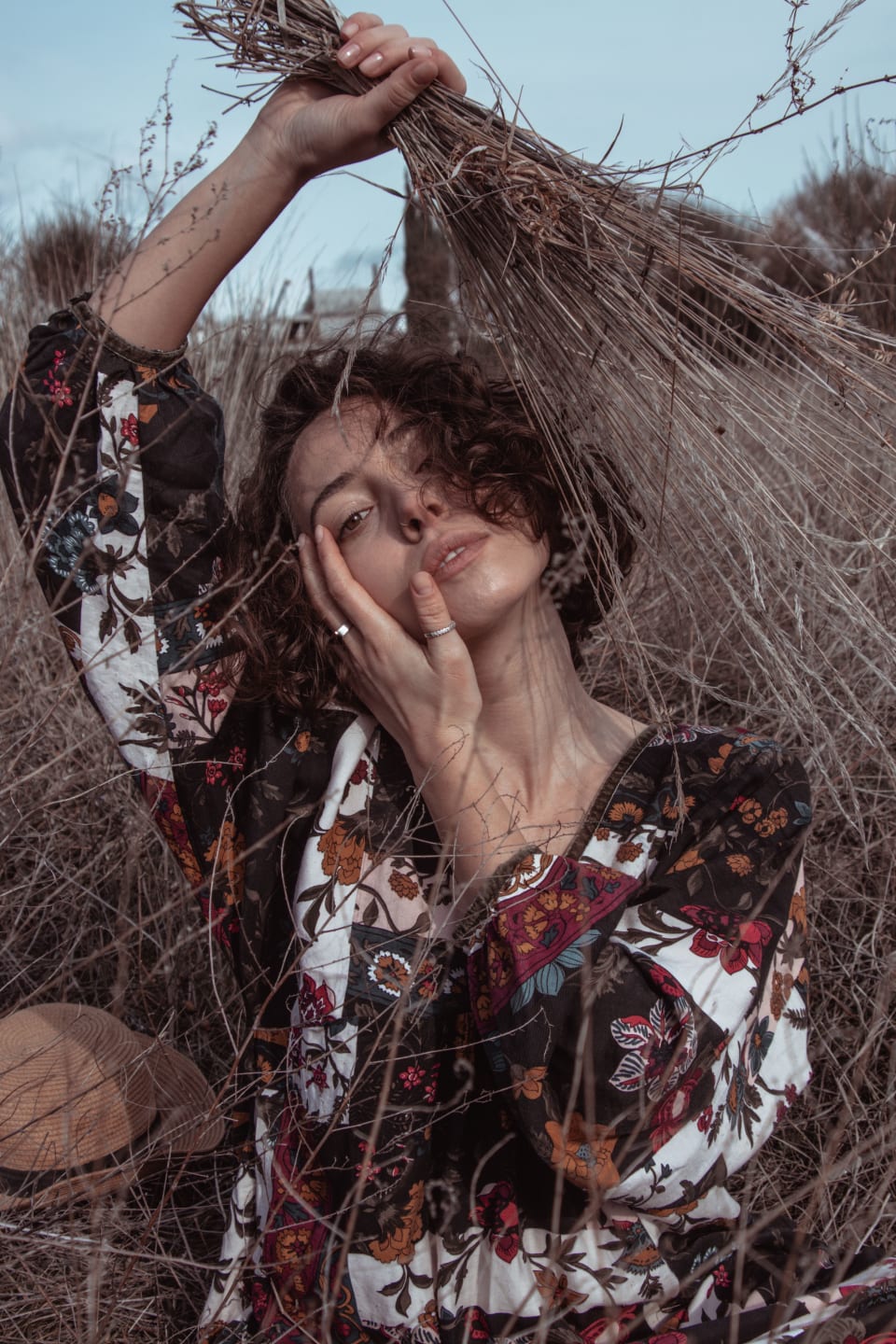
Boho
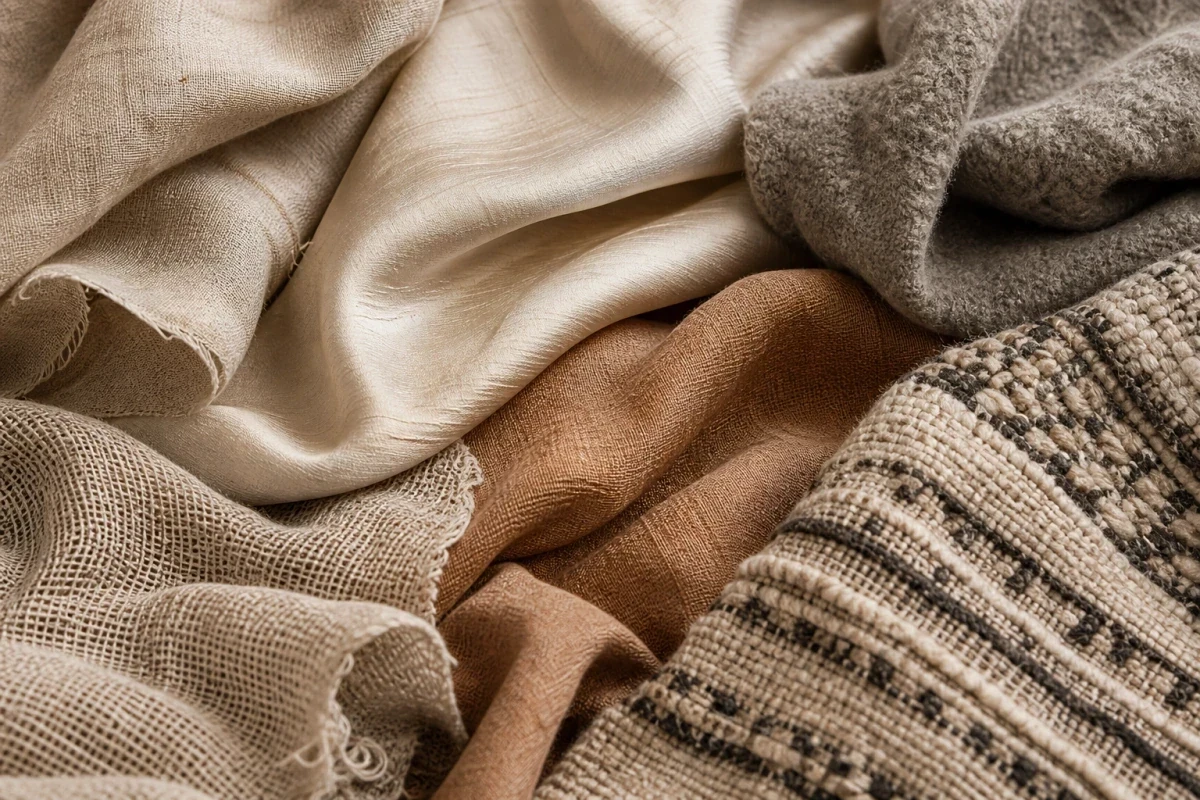
Boho (bohemian style) is a free, romantically wandering style that combines ethnic motifs, natural fabrics, layering, fringe, embroidery and lace into an effortless, 'gathered-in-travels' look. The name comes from 'bohemia' — free artists and travellers — and the aesthetic draws on the hippies of the 1960s–70s, Roma, Eastern and folk traditions. Boho loves linen, suede, long skirts, wide sleeves, large jewellery and a warm earthy palette. It is a style about freedom, creativity and a connection to nature that deliberately avoids strict rules and glossy perfection. Ukrainian embroidery and authentic fabrics fit organically into boho, so this style is close to our culture of folk decoration.
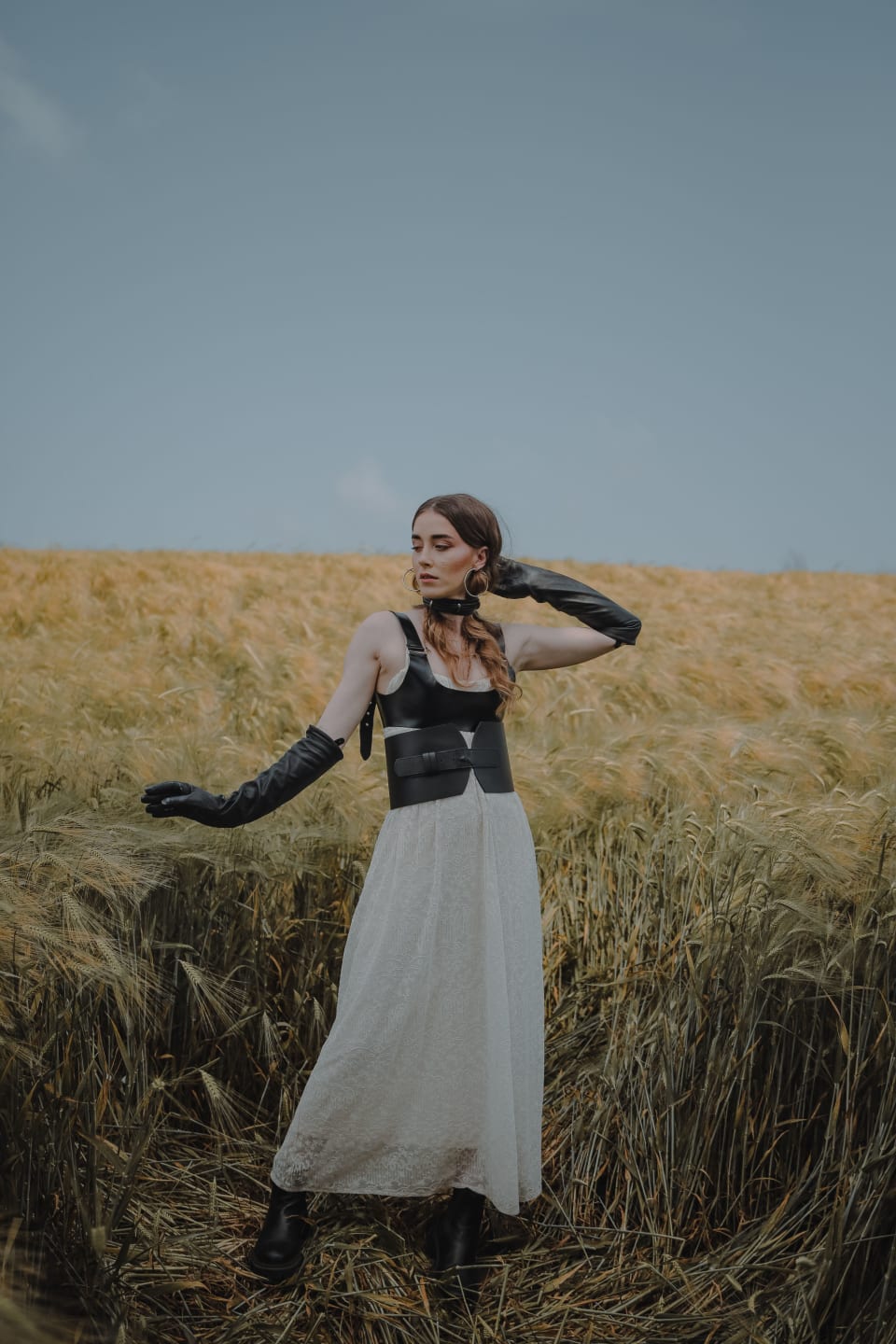
Country
Country is a cosy, rural style inspired by the aesthetic of provincial, farm life and pastoral romance. Its marks: checked and floral prints, natural fabrics (cotton, linen, denim, corduroy), layering, knitted and tweed pieces, sweaters, long skirts, comfortable 'country' footwear and a natural, earthy palette. Country echoes western but is softer, homelier and more romantic — it is about a rural idyll rather than a cowboy adventure. The style celebrates simplicity, comfort, a connection to nature and nostalgia for an unhurried life outside the city. Country lends a look warmth, ease and a cosy, slightly vintage authenticity. It is the choice of those who value naturalness and a calm, homely beauty.
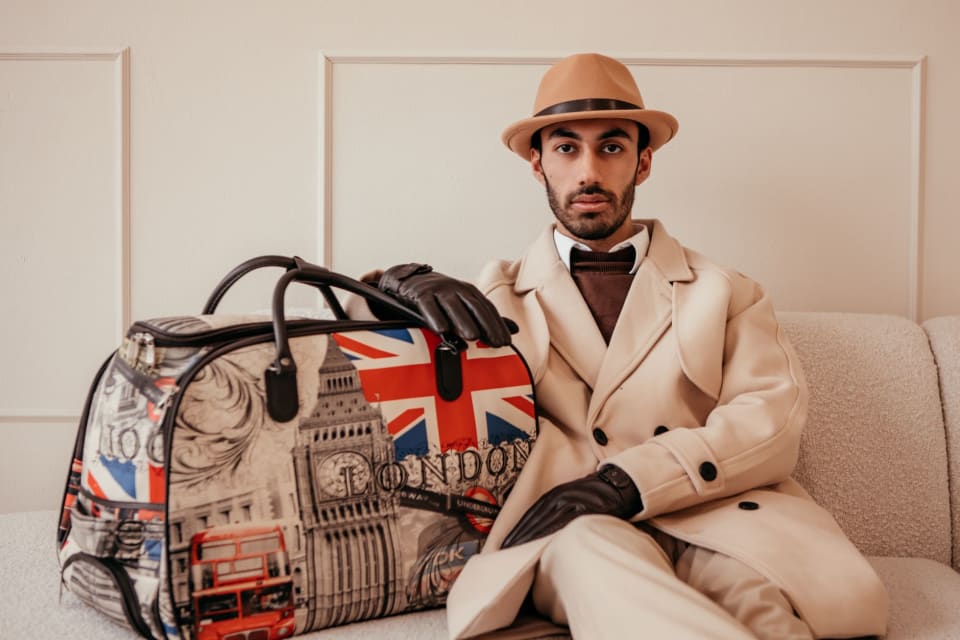
English
The English style is the aesthetic of British classics, built on tradition, sound tailoring and a respect for quality, durable pieces. Its recognisable elements are tweed, wool, checked and striped patterns, the trench, Barbour jackets, woollen blazers, the classic shirt, the tie, oxfords or brogues, and accessories in the spirit of country and hunting dress. The palette is natural and restrained — brown, beige, green, navy, burgundy. The English style unites the aristocratic elegance of the city (Savile Row, the classic suit, the dandy) with the cosy practicality of the countryside (tweed jackets, woollen scarves, sturdy footwear for any weather). It values restraint, order and time-tested pieces, avoiding loudness and fleeting trends. The aesthetic drew on the imagery of British universities, the royal court and country estates. The English style embodies a timeless, slightly conservative elegance in which tradition and quality are prized above all.
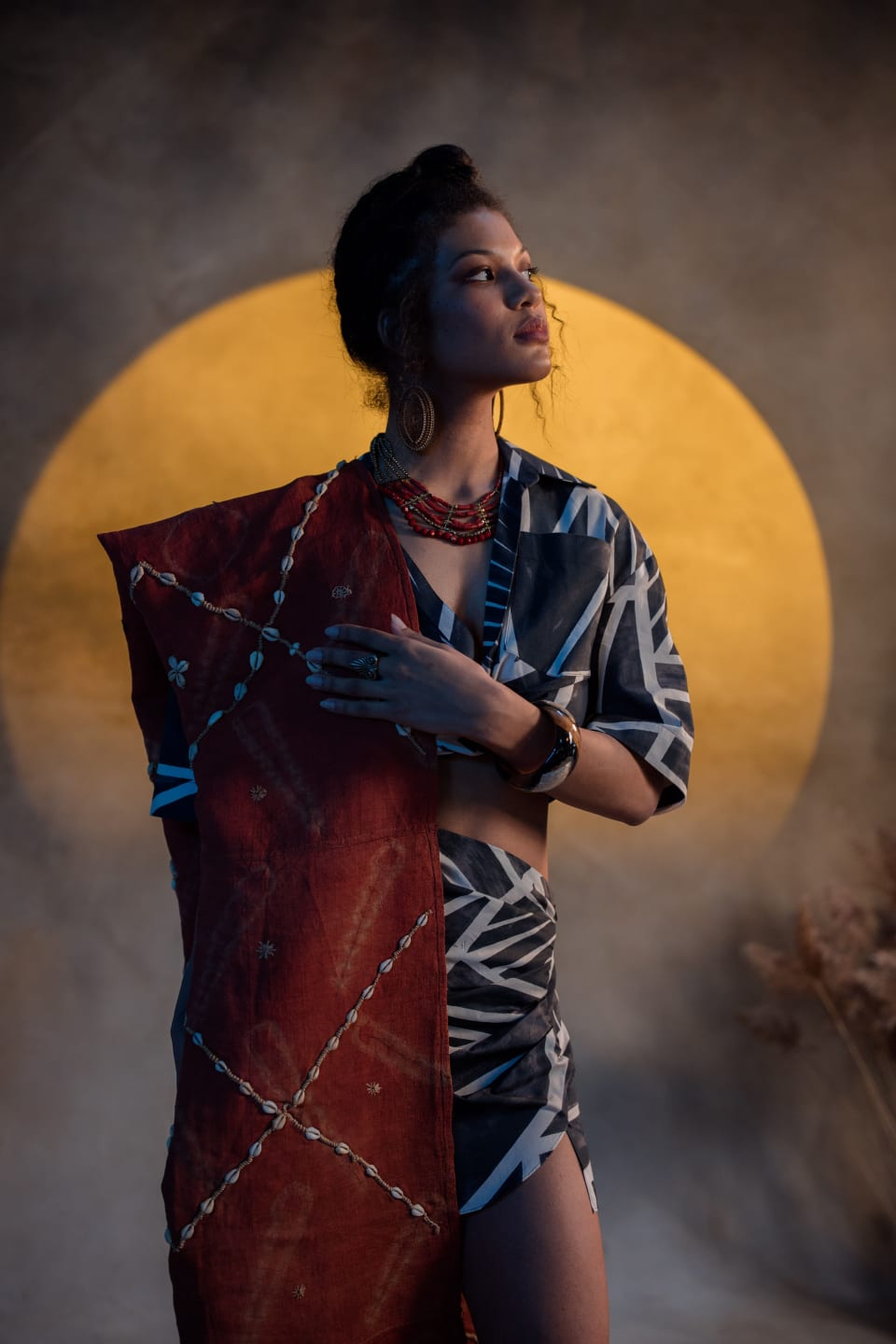
Ethnic
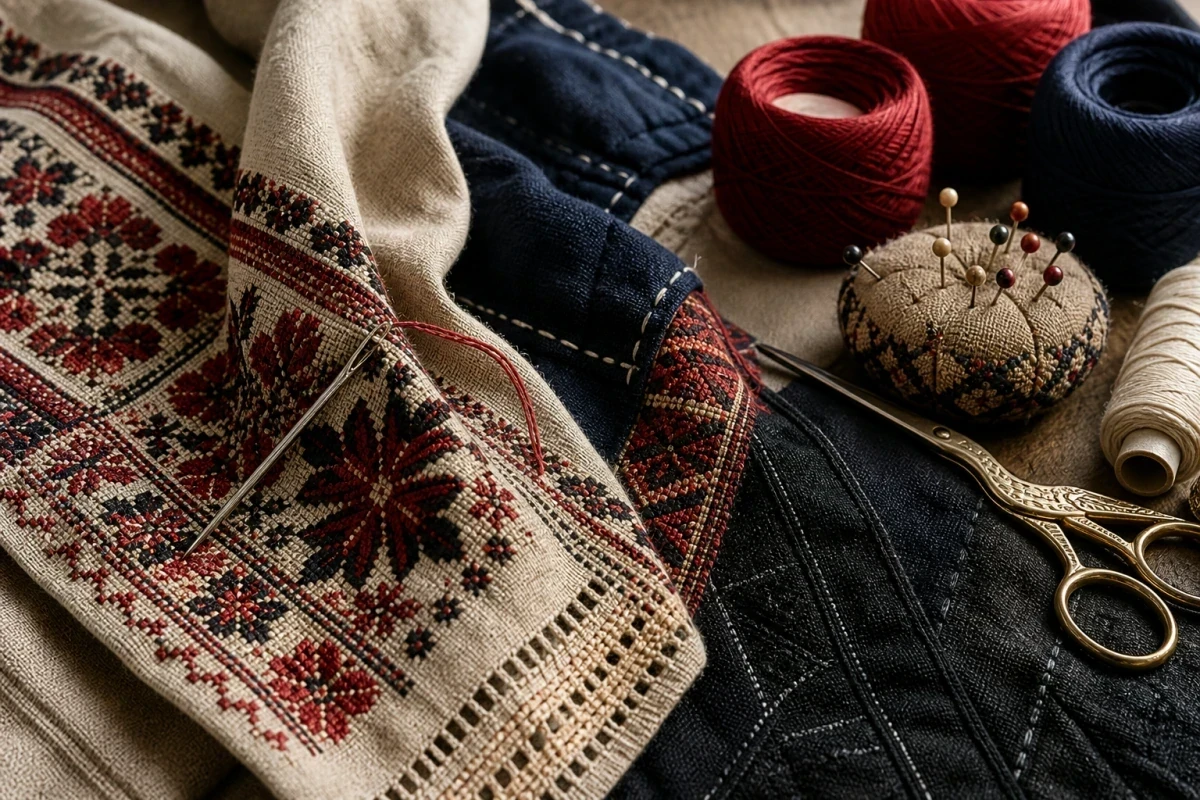
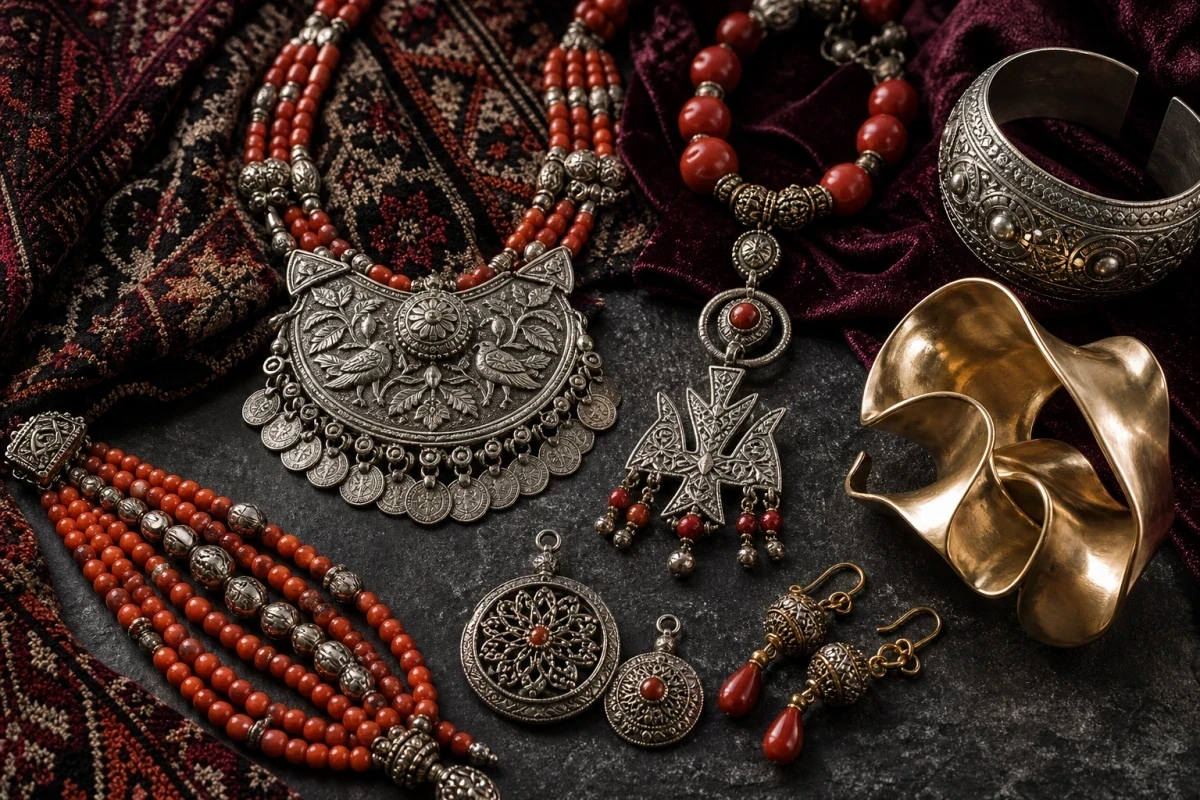
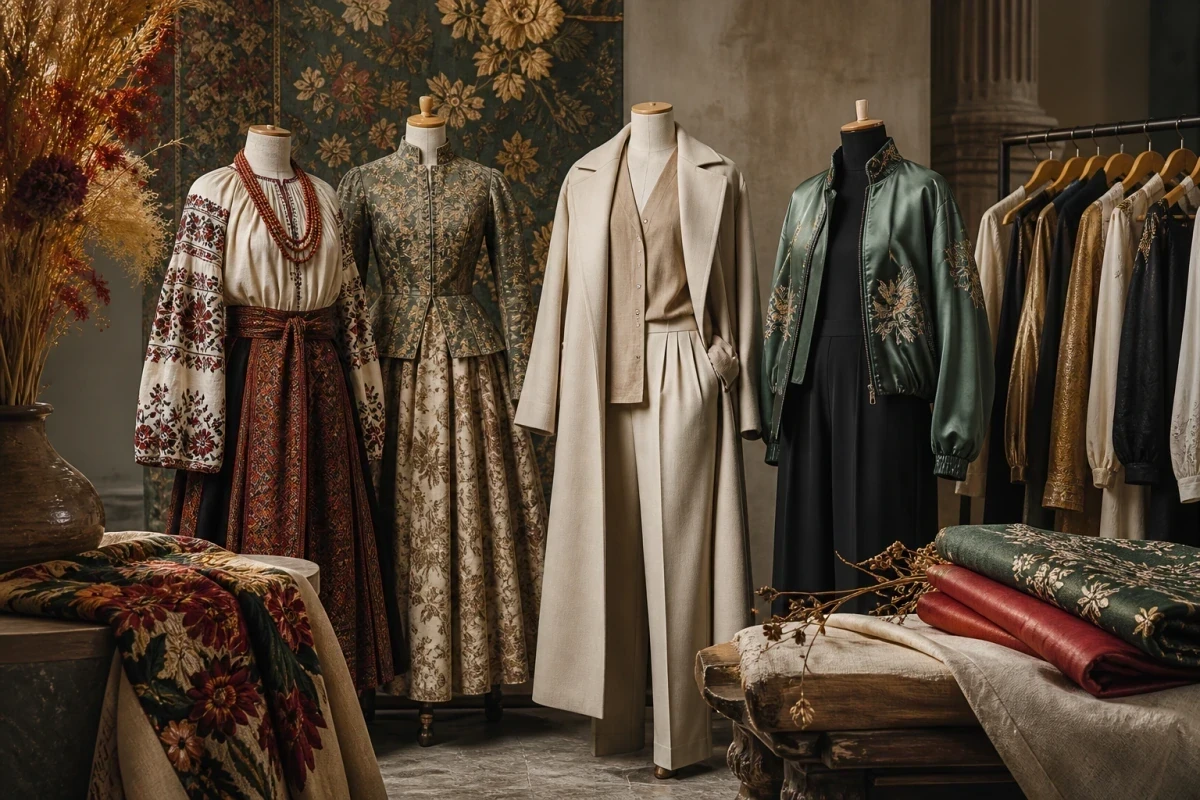
Ethnic (ethnic style) is a current that draws inspiration from the traditional folk dress of various cultures: its ornaments, cut, craft techniques and symbolism. It is embroidery, woven patterns, natural fabrics, characteristic silhouettes and ornaments carried over into modern clothing. The ethnic style celebrates cultural heritage, authenticity and hand-mastery, setting them against the facelessness of mass production. For Ukraine ethnic style has a special meaning: the vyshyvanka, sash belts, keptar coats, coral namysto are not exotica but a living, native tradition that modern designers boldly reinterpret. The ethnic style allows one to wear one's own or another culture with respect, creating looks with deep roots and a recognisable character.

French chic
French chic is the aesthetic of effortless, 'careless' elegance associated with Parisian women. Its essence is to look refined as though no thought went into the look at all: minimum effort, maximum taste. The wardrobe rests on a few impeccable basics: a striped Breton top, a well-cut trench or blazer, slim jeans, a little black dress, ballet flats or loafers, a silk scarf and red lipstick as an accent. The palette is restrained and neutral, the silhouettes simple, and the chief weapon is the right fit and quality rather than quantity. French chic avoids excess, over-styled looks and showy fashion; it values naturalness, a light nonchalance (the famous 'je ne sais quoi') and confident femininity. Sung by the images of Coco Chanel, Jane Birkin and Brigitte Bardot, this aesthetic made the Parisian style a synonym for timeless elegance. French chic is the art of appearing flawless without any visible effort.
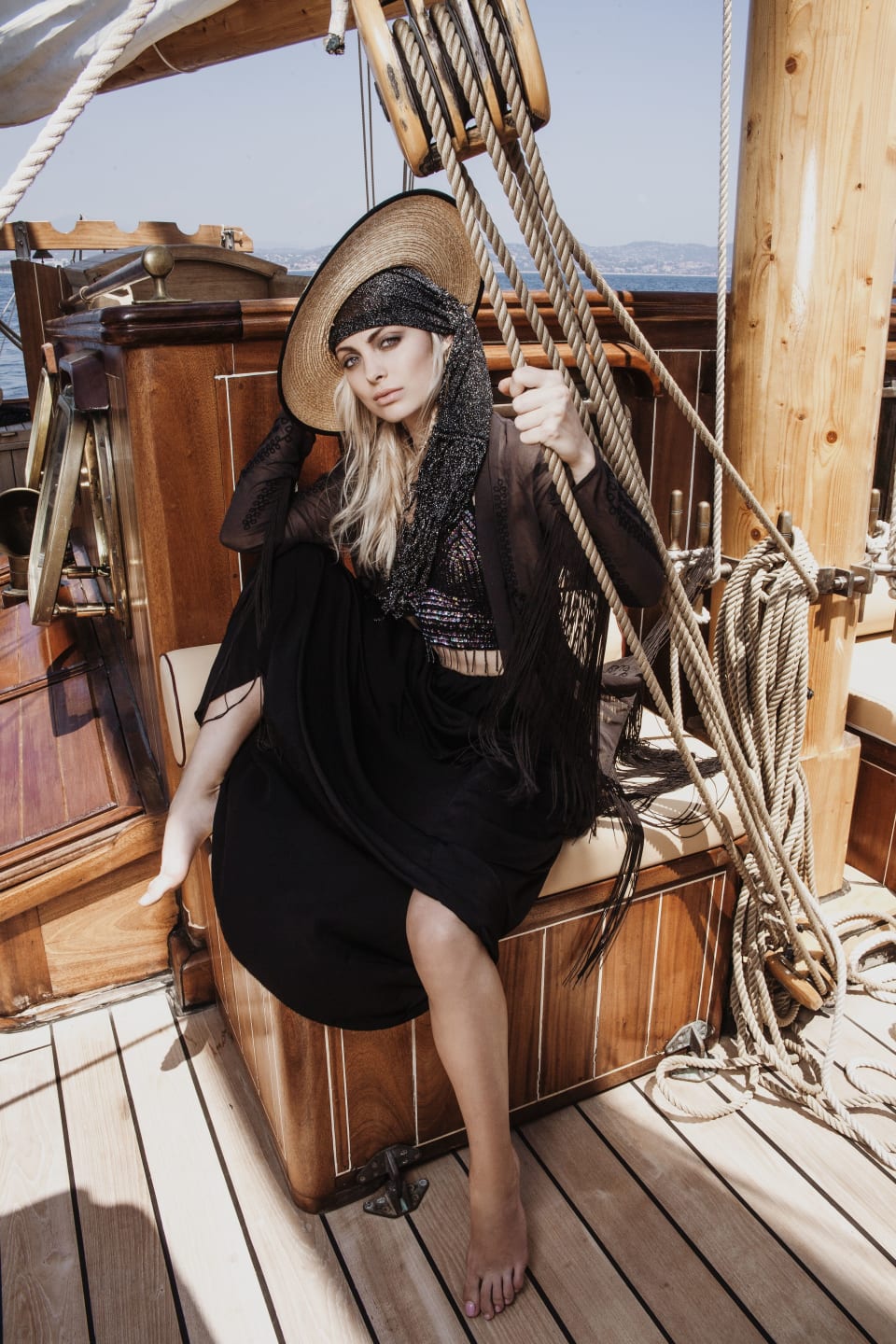
Nautical
The nautical style is a fresh, clean aesthetic inspired by sailors' uniforms and the atmosphere of the coast. Its recognisable marks: a white-and-blue (and red) palette, horizontal Breton stripes, gold buttons, sailor collars, anchors, double-breasted pea coats. The style was popularised as early as the start of the 20th century by Coco Chanel, inspired by sailors' clothing. The nautical style is associated with summer, holidays, freshness and effortless elegance. It combines the precision of a uniform cut with the lightness of a resort mood. The striped Breton top long ago became a timeless wardrobe classic. This style returns every summer as a symbol of the sea, freedom and aristocratic 'yachting' chic, remaining at once simple and unfailingly elegant.

Safari
Safari is a practical, adventurous style inspired by clothing for African expeditions and travel. Its marks: khaki, sand and beige; natural breathable fabrics (cotton, linen); a multitude of patch pockets, epaulettes, belts, safari jackets and trenches. The style celebrates function, freedom of movement and a connection to nature, combining utility with elegant restraint. French designers of the 1960s — among them Yves Saint Laurent with his famous 'saharienne' and Ted Lapidus — brought safari into high fashion. The safari look is associated with travel, warm climates, lightness and sensible comfort. Its earthy, calm palette makes it versatile and easy to combine. It is a style for those who value practical elegance with a note of the romance of distant journeys.
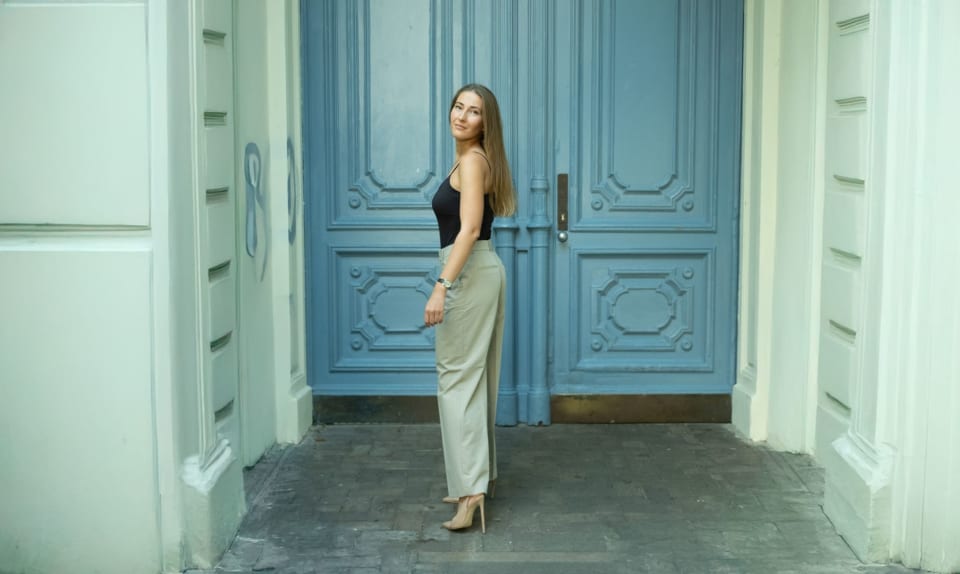
Scandinavian
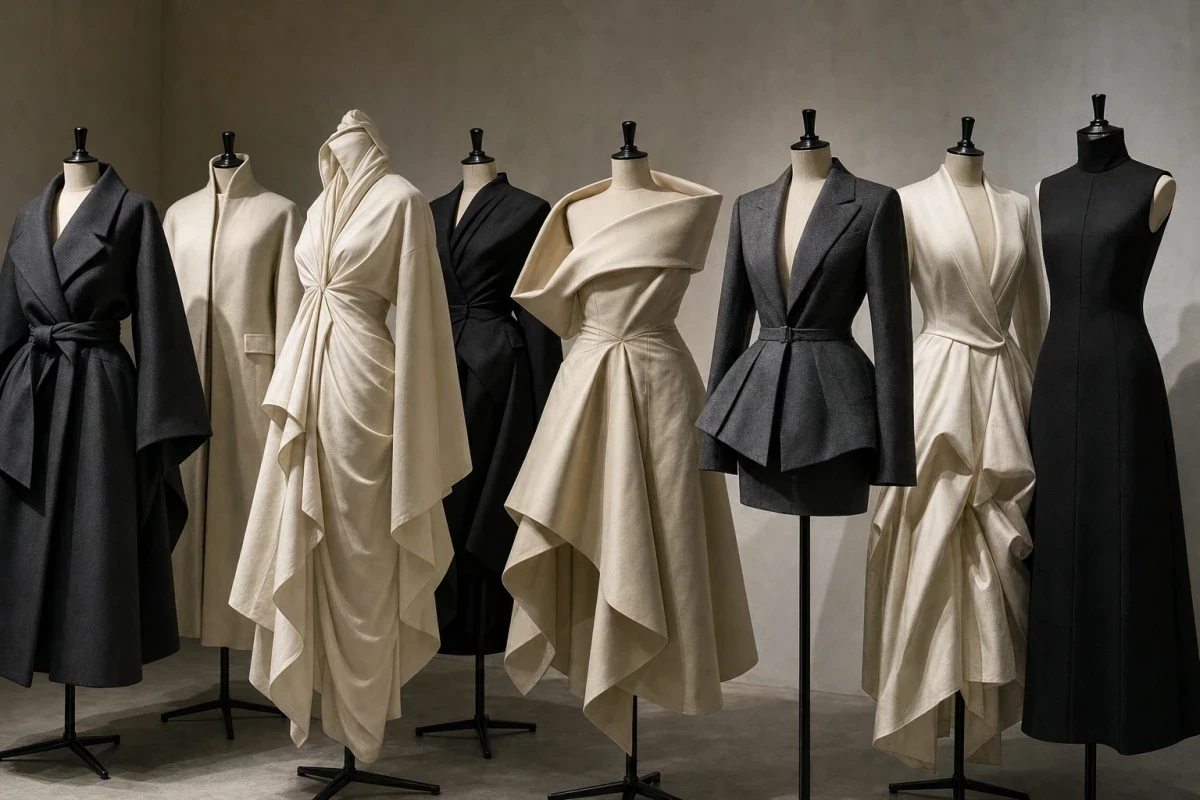
The Scandinavian style is the aesthetic of northern Europe, built on functionality, minimalism and calm, natural beauty. Its key features are clean lines, simple silhouettes, quality natural fabrics and a muted palette of white, grey, beige, black and cool tones, relieved by restrained accents. The wardrobe is practical and considered: a well-cut coat, voluminous knitwear, straight trousers, comfortable footwear and layering for a changeable climate. The Scandinavian style grew out of the culture of 'lagom' (in moderation, without excess) and a respect for durable, honest pieces, closely tied to Nordic furniture and interior design. It avoids showy luxury and loud trends, valuing instead comfort, sustainability and functional beauty. It is a style of restrained confidence and cosiness in which simplicity and quality matter more than ornament. Modern, clean and timeless, the Scandinavian style suits the city and nature alike.
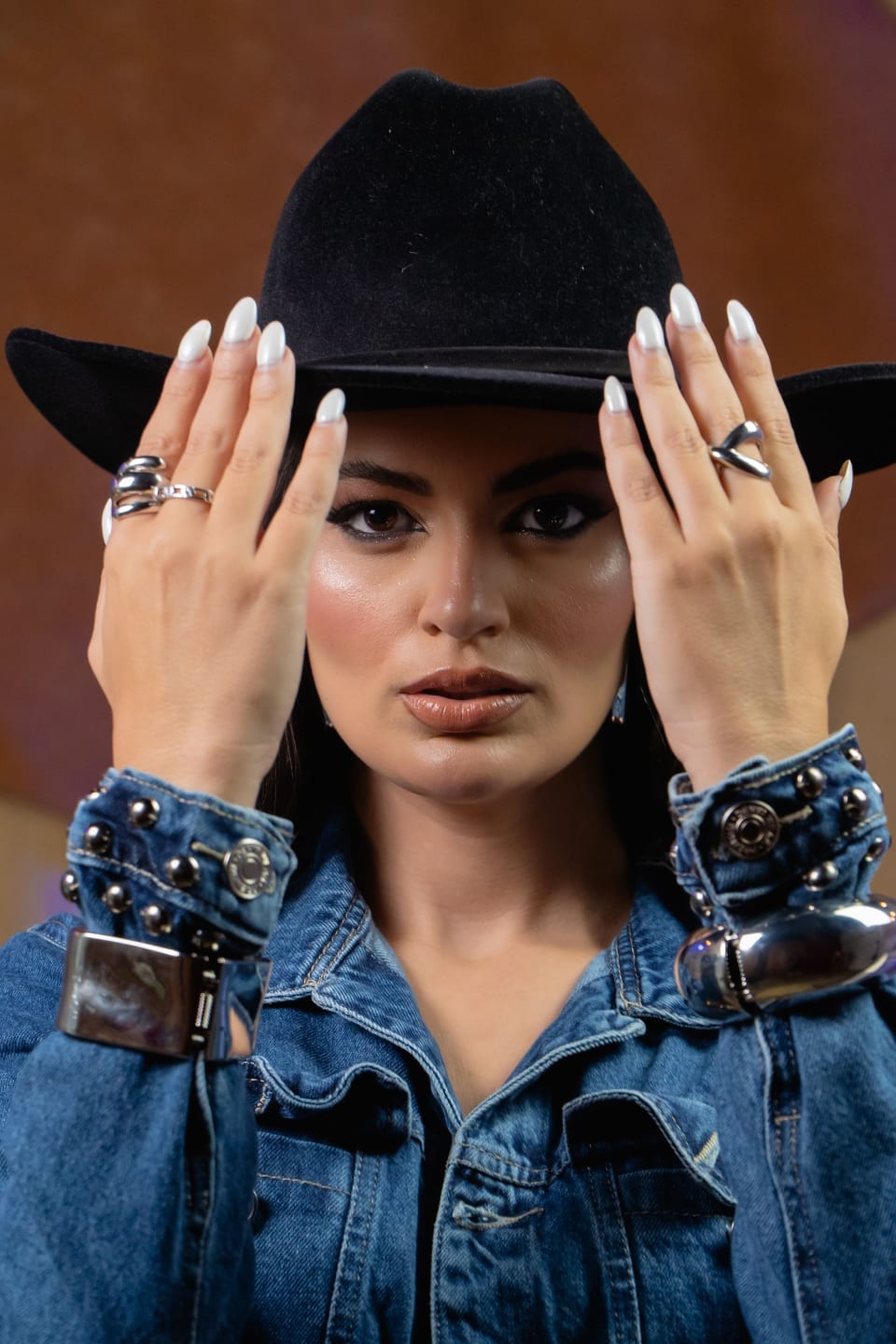
Western
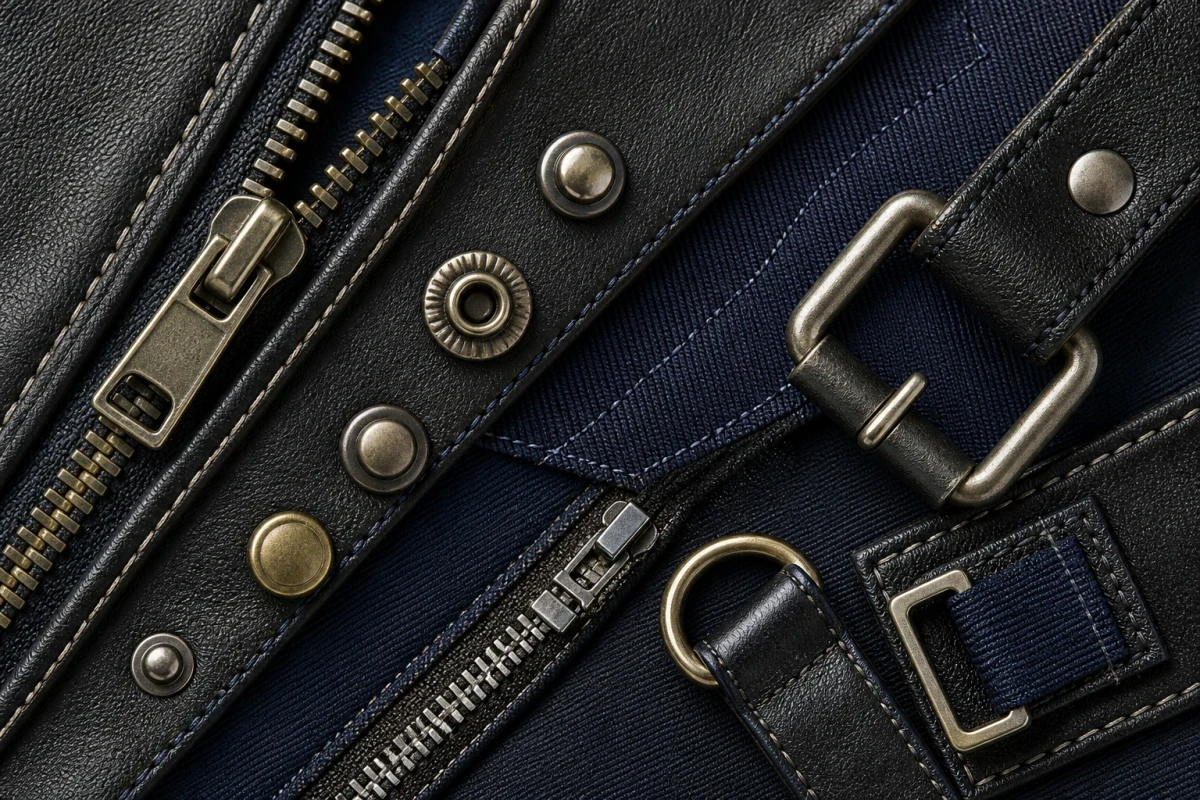
Western is a style inspired by the aesthetic of the American Wild West, cowboys and the rodeo. Its recognisable marks: Stetson hats, cowboy boots with a slanted heel, fringed suede jackets, denim, checked shirts with yokes, metal buckles on wide belts, bandanas and concho trim. Western combines the rough sturdiness of workwear with the romance of the prairies and the freedom of open space. This style returns to the runways cyclically, giving a look a characteristic, slightly rebellious and 'adventurous' energy. Western details — fringe, denim, cowboy boots — long ago transcended their context and became trends in their own right. It is a style of strength, independence and the American mythology of the frontier.
Other Fashion Dimensions