

Explore 24 styles
Styles
From minimalism to streetwear — the horizons of Ukrainian fashion.
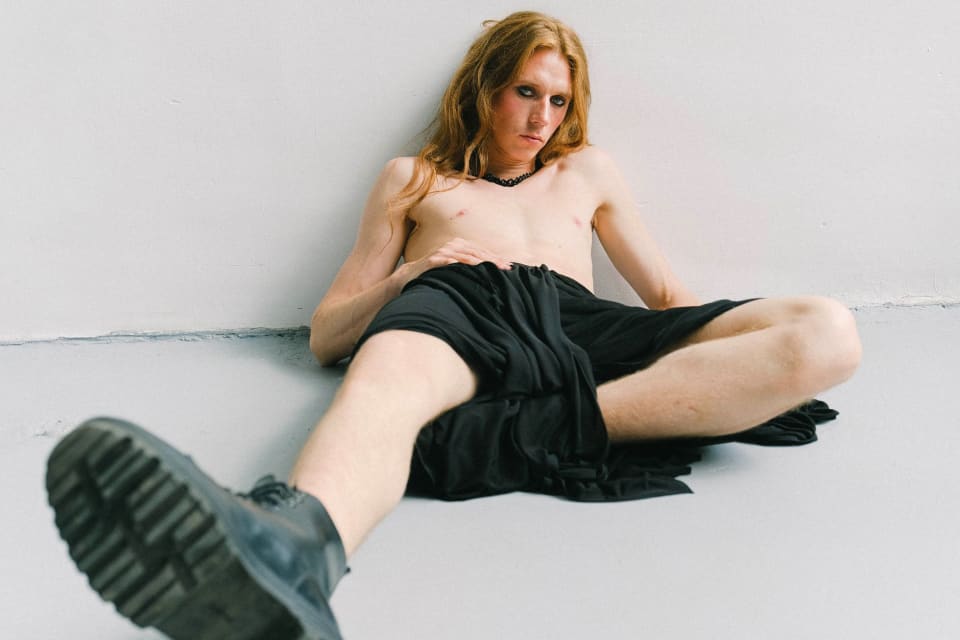
Androgynous
The androgynous style is a current that deliberately blurs or entirely erases the boundary between 'masculine' and 'feminine' in dress, creating gender-neutral looks. The name comes from the Greek andros (man) and gyne (woman). This style borrows elements of the traditionally male wardrobe for women (and vice versa): suits, shirts, straight silhouettes, a restrained palette, the absence of emphatically 'feminine' or 'masculine' details. Historically important milestones were Yves Saint Laurent's 'Le Smoking' tuxedo for women and the looks of Marlene Dietrich. Androgyny is about freedom of self-expression beyond stereotypes, about an elegance built on cut and character rather than gender codes. Today it is one of the key currents of modern, inclusive fashion.
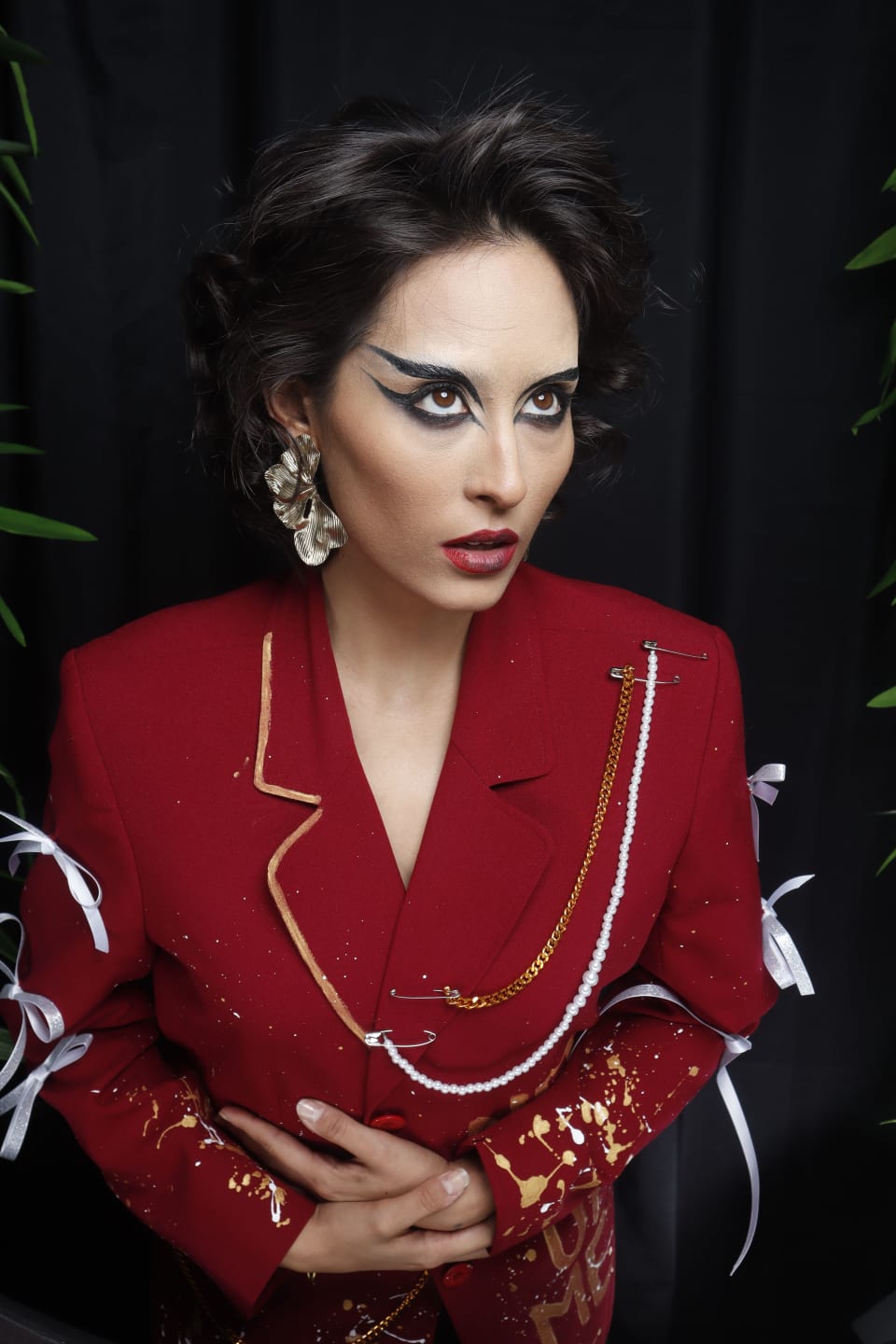
Avant-garde
Avant-garde is an experimental, conceptual style that deliberately breaks the established rules of cut, form and the very purpose of clothing, bringing fashion closer to art. Avant-garde designers (Rei Kawakubo / Comme des Garçons, Martin Margiela, Issey Miyake) explore atypical silhouettes, asymmetry, deconstruction, volume and unusual materials, often placing concept above wearability. Such clothing can shock, provoke or bewilder, because its aim is not to adorn but to pose a question, to challenge notions of beauty and the body. Avant-garde is fashion's laboratory, where ideas are born that later 'seep' into mass clothing. It is a style for the bold, who see dress as a means of self-expression and artistic statement.
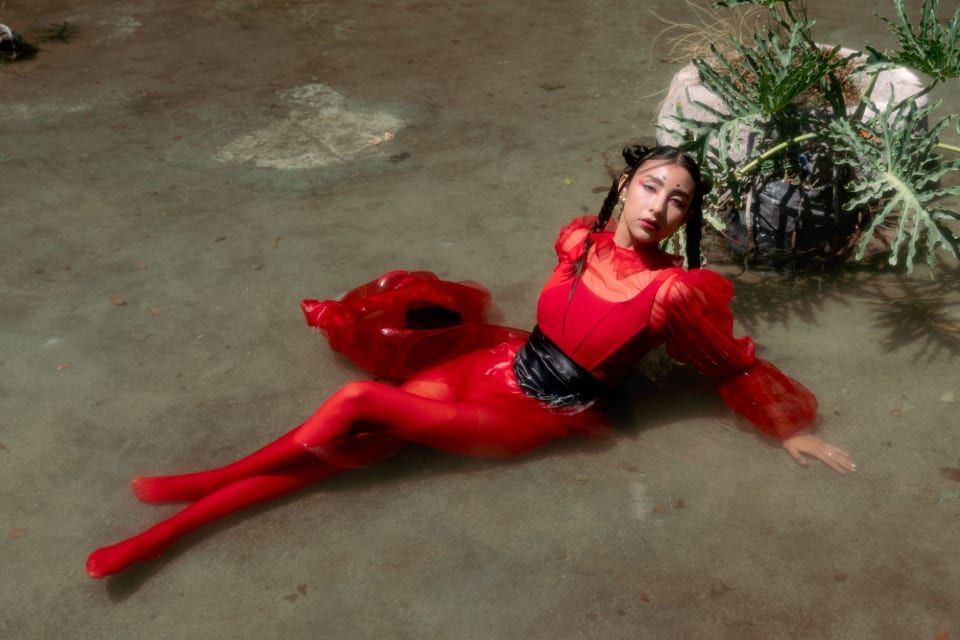
Balletcore
Balletcore is a tender, airy style inspired by the aesthetic of ballet and the rehearsal studio that flourished in the 2020s. Its wardrobe quotes ballerinas' dress: fitted bodysuits and tops, leggings, warm knitted wrap cardigans, tutus and tulle skirts, ballet flats and ribbons around the ankle, a pastel palette (powder pink, cream, white). The look evokes the grace, discipline and fragile beauty of dance. Balletcore combines sporty function with romantic femininity, creating a light, refined and slightly nostalgic silhouette. The wave of the style's popularity was fed by a ballet renaissance in pop culture and the aesthetic of 'quiet' femininity. Balletcore is a style of grace, tenderness and a dream of flight, in which everyday clothing takes on the fragile, almost stage-like beauty of a ballerina.
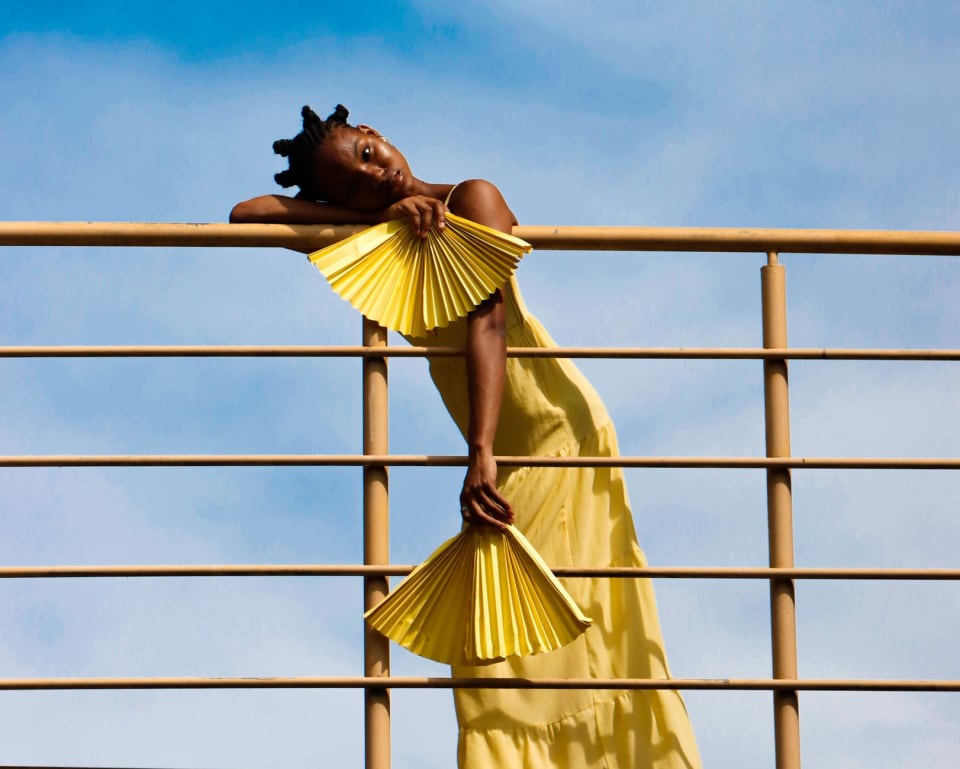
Colour-block
Colour-block is a device and a style built on combining several large solid blocks of rich, contrasting colours in a single look or piece. Instead of prints and patterns, a clean plane of colour works here, and all the expressiveness is born from their bold juxtaposition — blue with orange, pink with red, green with yellow. The device is rooted in abstract art (recall Piet Mondrian, whose canvases inspired Yves Saint Laurent's famous dress of 1965). Colour-block makes a look graphic, energetic and modern, and also lets one play with the figure's proportions. It is valued for its clarity, boldness and optimistic brightness. Colour-block is a style of confident statement through colour, in which a simple geometry of shades creates a powerful, joyful and very modern effect.
Cottagecore
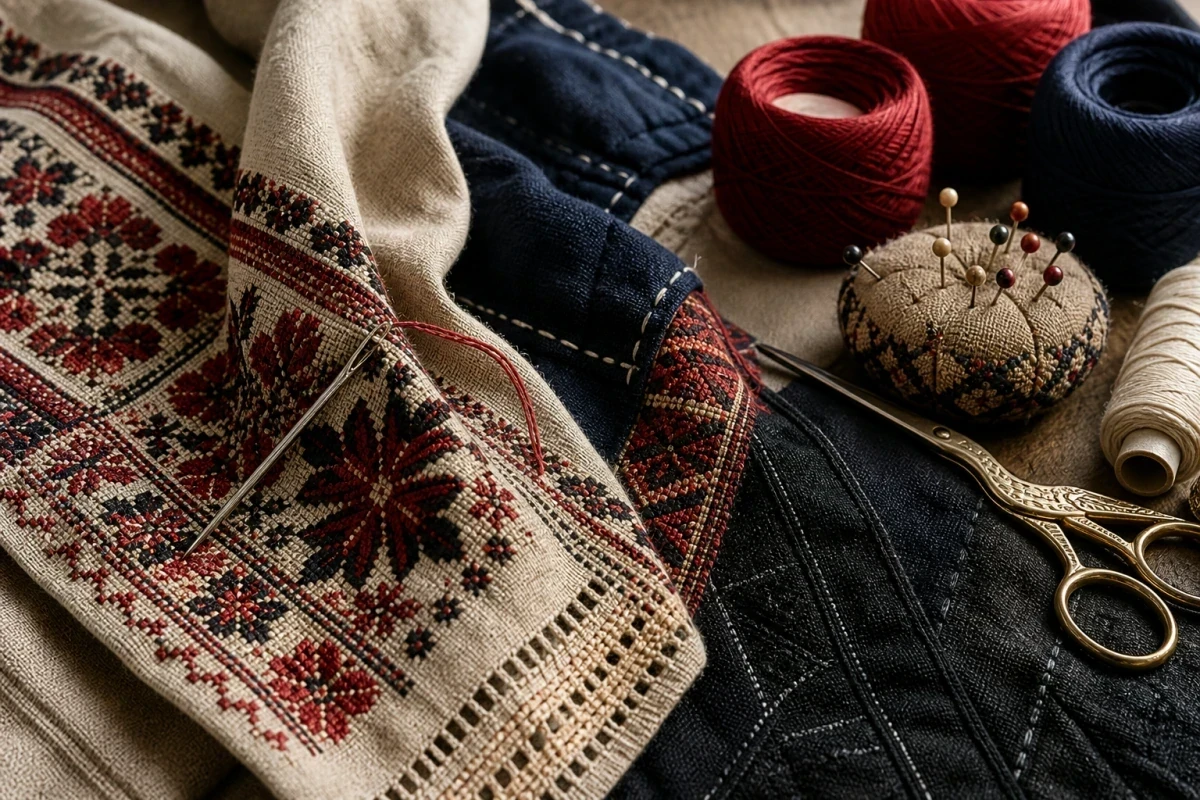
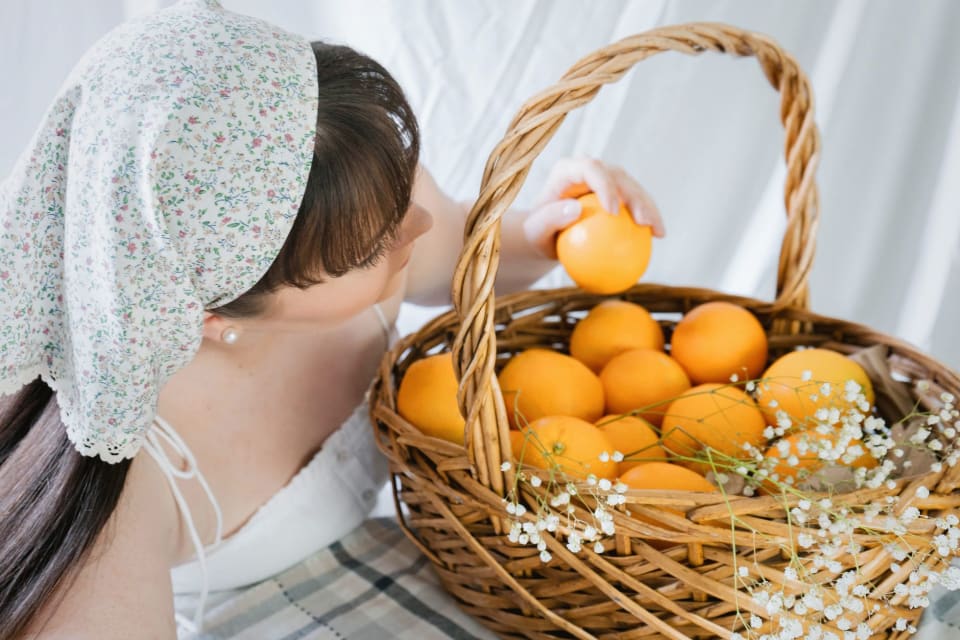
Cottagecore is a romantic, pastoral style that idealises a peaceful rural life in the lap of nature. It flourished in the 2020s as a longing for simplicity, slowness and cosiness against the digital, hectic world. The cottagecore aesthetic is light cotton and linen floral-print dresses, pinafores, puff sleeves, lace, straw hats, hand knitting and embroidery, a soft natural palette. The look evokes images of baking bread, gathering wildflowers and reading under a tree. Cottagecore echoes the aesthetics of the prairie, romanticism and a grandmother's wardrobe, celebrating handmade craft, nostalgia and harmony with nature. It carries a strong Ukrainian folk note too — embroidery, linen, flowers. Cottagecore is a dream-style of an idyllic, warm and unhurried life full of simple joys.
Couture
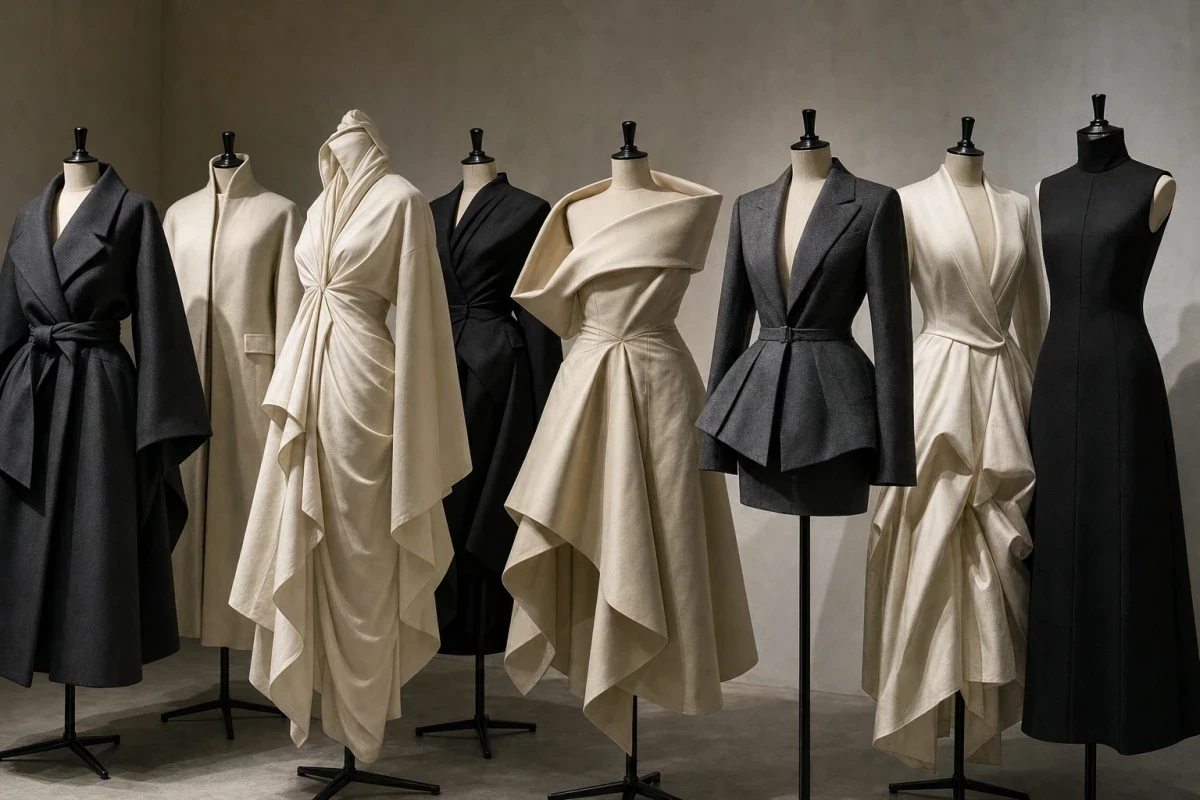
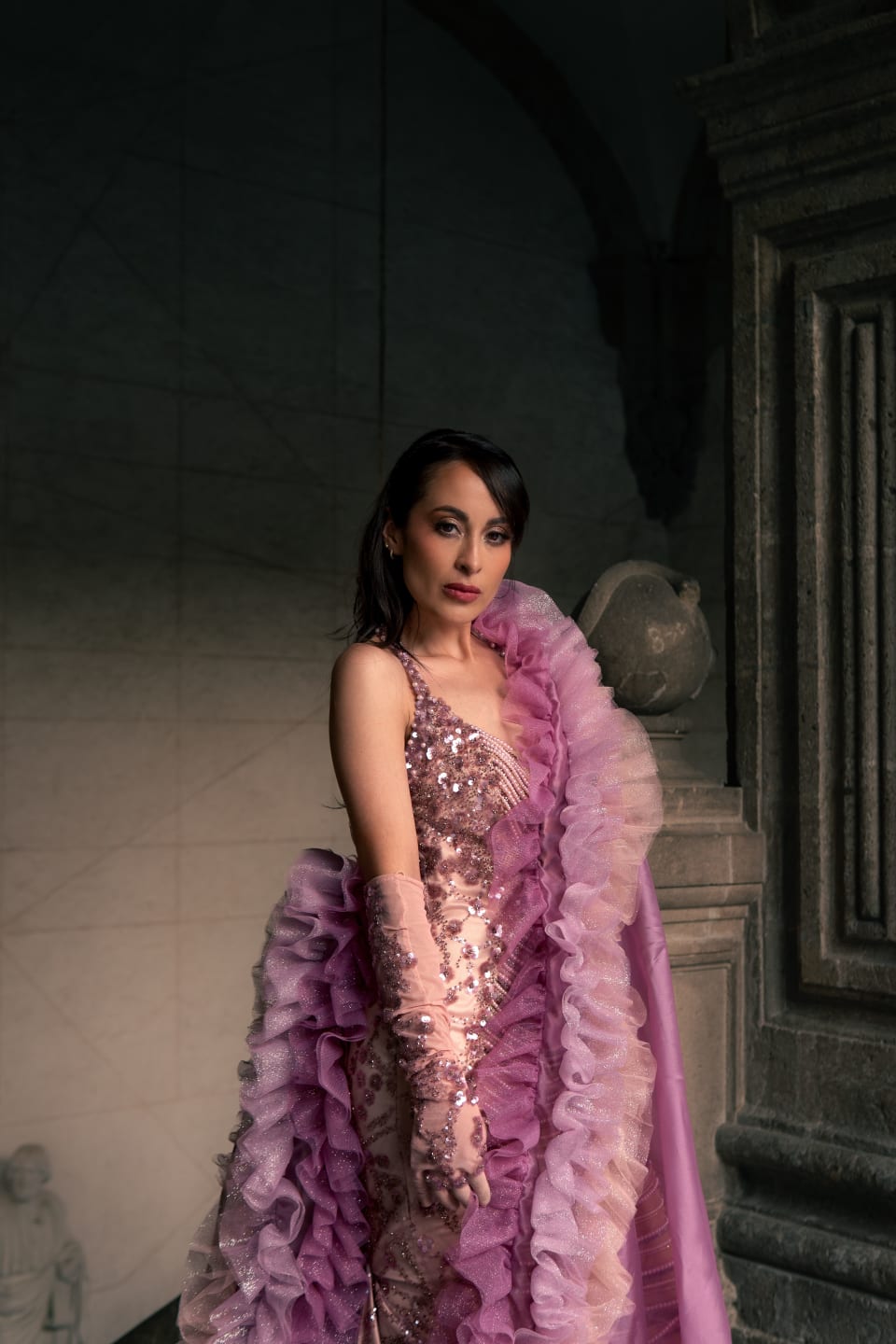
Couture (from the French haute couture — 'high sewing') is the summit of the fashion art: exclusive clothing of the highest class, made by hand to order for a specific client to individual measurements. It is not a style in the usual sense but a level of mastery: hundreds of hours of handwork, the most expensive fabrics, embroidery, whole ateliers working on a single dress. In France the title 'haute couture' is legally protected and granted only to a few houses that meet strict criteria. Couture is a laboratory of ideas and a demonstration of the craft's boundless possibilities, where commerce yields to art. Couture pieces are rarely worn every day; they are works of art, museum exhibits and a source of inspiration for the entire fashion industry.

Dark academia
Dark academia is an intellectual-romantic style inspired by the aesthetic of classical universities, old libraries and a love of literature, philosophy and art. It flourished online in the late 2010s. The dark academia palette is muted, 'autumnal' tones: brown, burgundy, dark green, black, cream. The wardrobe is tweed jackets and coats, cable-knit sweaters, shirts, checked trousers, pleated skirts, glasses, leather bags and oxfords or loafers. The look evokes the atmosphere of a rainy campus, candles, old books and deep reflection. The style combines a vintage, slightly gothic elegance with a cult of knowledge and melancholy beauty. Dark academia is not merely fashion but the aesthetic of a whole way of life, in which intellect, books and pensive refinement become the greatest luxury.
Dramatic
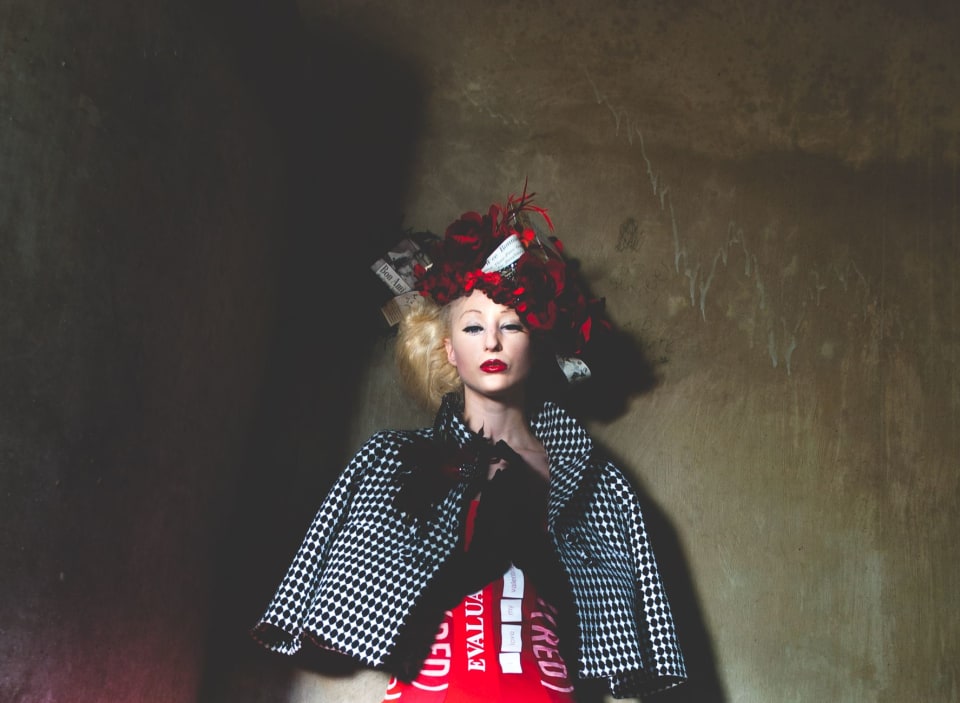
The dramatic style is an expressive, striking aesthetic built on bold silhouettes, sharp lines and looks that command attention. It is fashion of the 'statement': structured shoulders, sharp geometric shapes, long elongated lines, contrasting combinations, monochrome or saturated colours, and large expressive accessories. The dramatic style is not afraid to be noticed — it creates a strong, confident and slightly theatrical look in which every detail works towards effect. The aesthetic is akin to the notion of the 'dramatic' type in style systems (such as the Kibbe system), which emphasise elongated proportions, sharp features and a monumental quality. The dramatic style draws on the runway, the avant-garde and evening fashion, and its chief weapon is an architectural cut and expressiveness rather than decoration. It is chosen by those who want a look to sound loud and be remembered. The dramatic style is an aesthetic of strength, character and stage presence, in which clarity of form and boldness create a vivid, unforgettable impression.
Eclectic
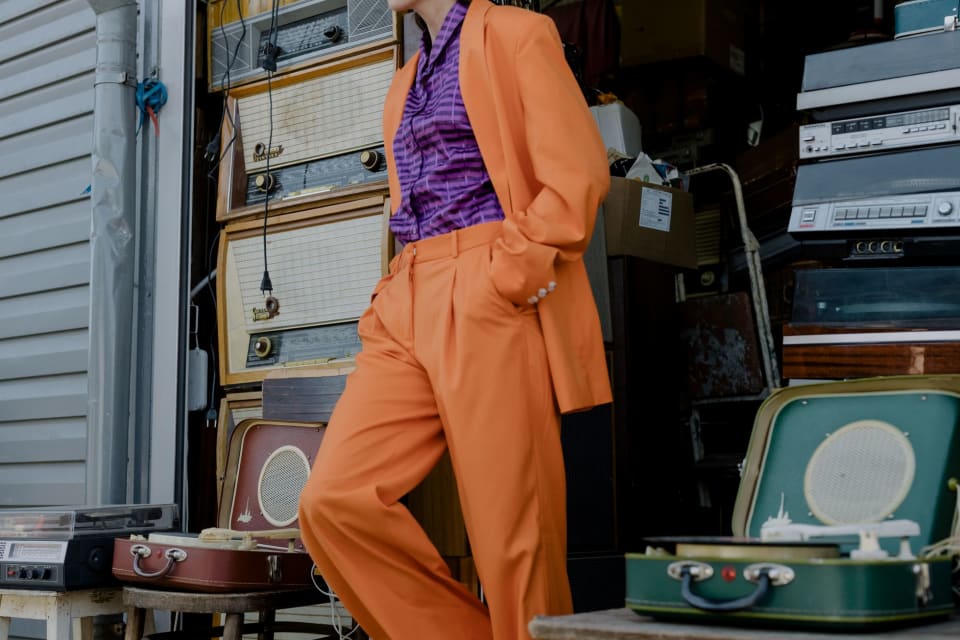
Eclectic is a style built on a bold yet considered mixing of different aesthetics, eras, textures and cultures in a single look. Its essence is freedom and self-expression: eclecticism combines the seemingly incompatible — vintage and the contemporary, ethnic motifs and the classic, sport and glamour — to create a unique, individual appearance. Yet true eclecticism is not chaos but the art of balance: disparate elements are united by a shared accent — a colour scheme, a mood, the rhythm of patterns or one 'connecting' detail. The style grew from a rejection of strict fashion rules and a desire to express personality rather than follow a single template. It is prized by those who love experiment, layering and expressive accessories, who do not fear vivid combinations and collect pieces from different worlds. Eclectic is a creative, free and bold approach to style whose main rule is harmony in diversity and fidelity to one's own taste.

Futurism
Futurism is a bold, technological style inspired by visions of the future, space and scientific progress. Its marks: metallic and 'space' fabrics, vinyl and synthetic materials, gloss, holographic surfaces, clean geometric forms, unusual constructions, a silvery and neon palette. As early as 1914 the Italian Futurist Giacomo Balla was designing 'antineutral' clothing, but futurism entered mainstream fashion in the 1960s (Pierre Cardin, Paco Rabanne, André Courrèges) on the wave of fascination with space flight — with its dresses of metal plates and 'lunar' silhouettes. Futurism experiments with materials and form, placing innovation above tradition. This style is associated with progress, boldness and a fantasy of tomorrow. It returns regularly whenever fashion needs a dose of technological, 'otherworldly' aesthetic.
Other Fashion Dimensions