

The Craft Mastered8 techniques
Techniques
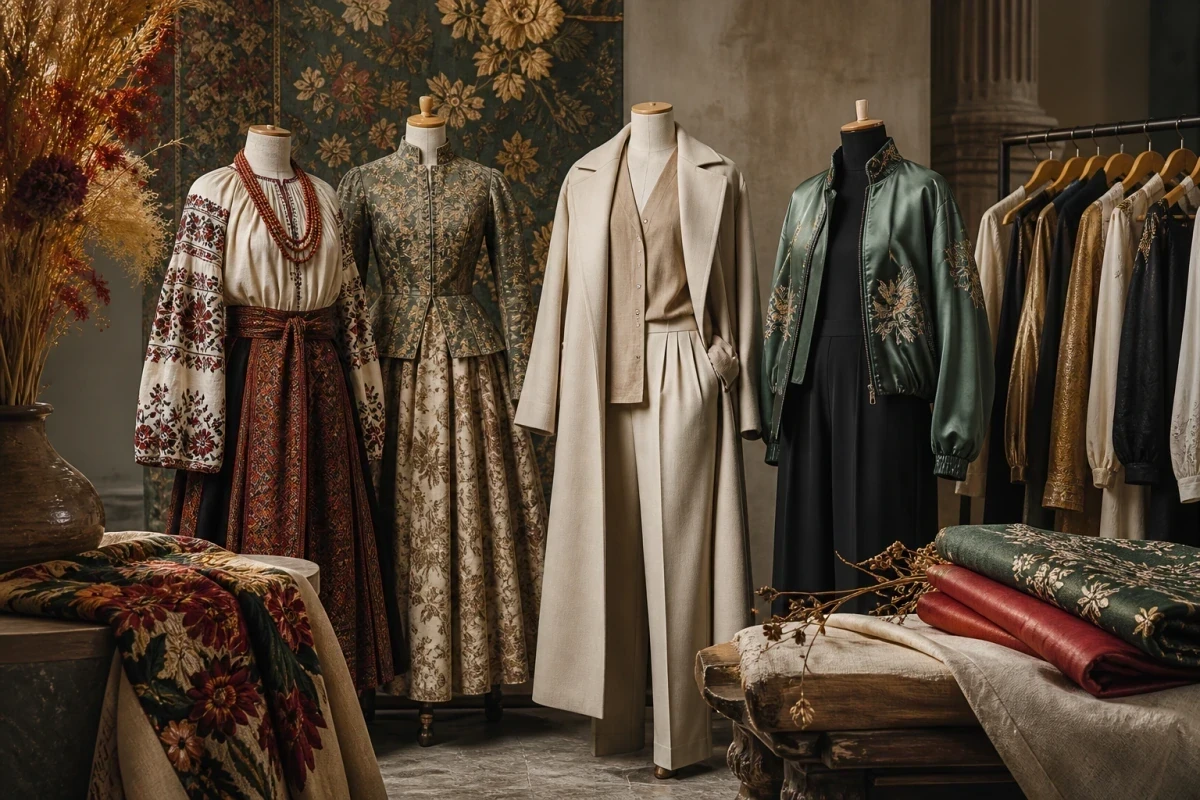
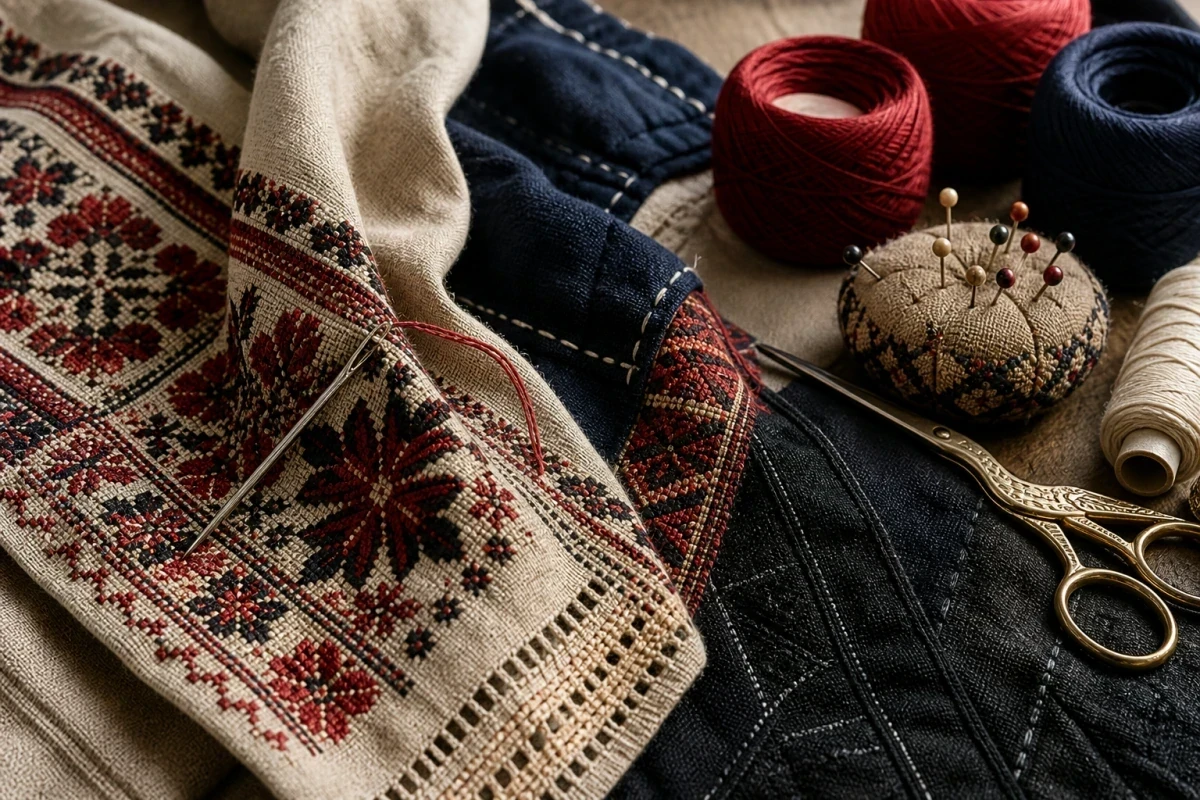
Embroidery, tailoring, knitting — techniques passed down generations.
Diamond
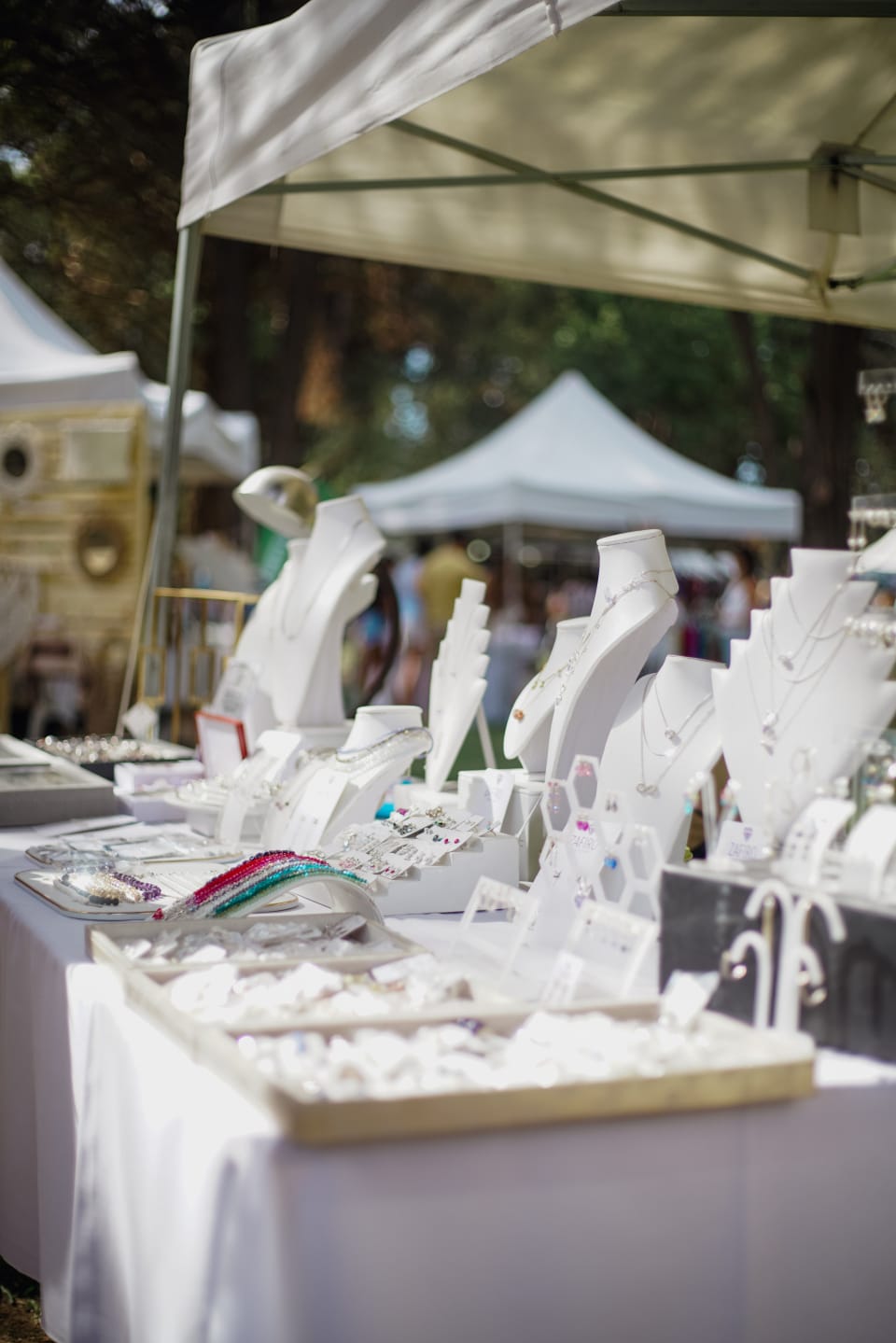
A cut diamond (brilliant) is a gem-quality diamond that has been cut and polished, the hardest natural material and at the same time the most desired precious stone, working with which is a distinct summit of the jeweller's craft. The art of cutting turns an unremarkable natural crystal into a radiant jewel: the master calculates dozens of facets so that light enters the stone, reflects fully within and returns as dazzling brilliance, while dispersion splits it into flashes of colour ('fire'). A diamond's quality is graded by the '4Cs' — carat (weight), cut, clarity, colour. The classic round brilliant cut with 57 facets is the benchmark, calculated mathematically for maximum brilliance. The diamond has for centuries symbolised eternity, purity and permanence, and so became the stone of engagement and the most ceremonial ornaments. It is the quintessence of the precious, in which nature and the precise mastery of man are fused into one.
Gold
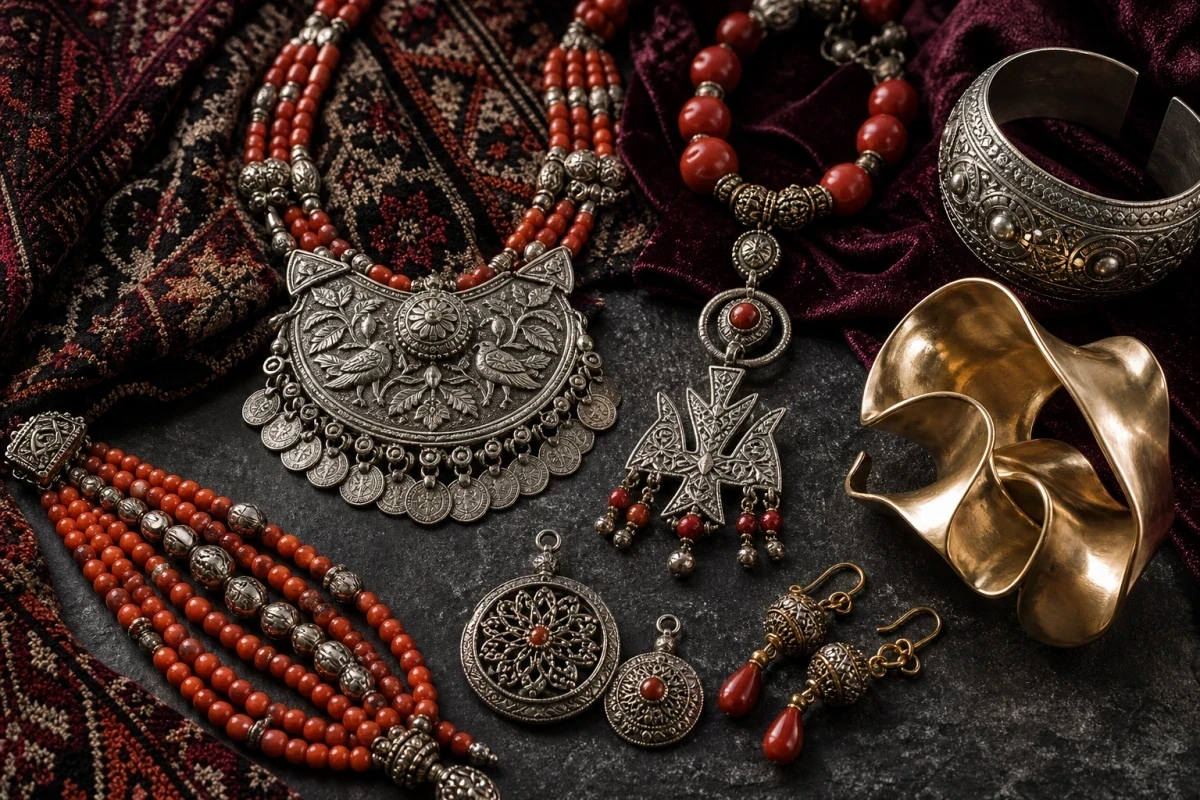
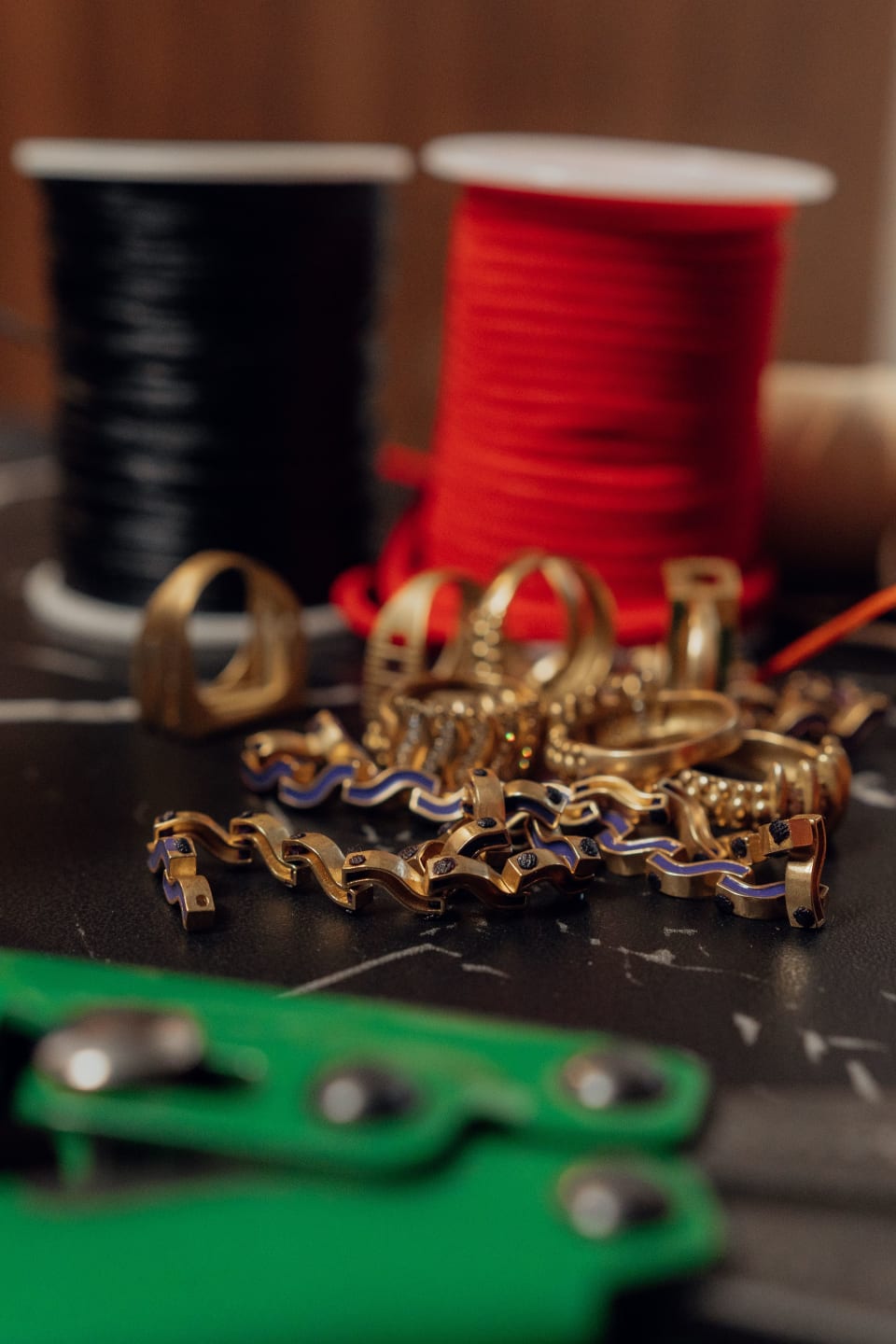
Gold is a noble metal that has since ancient times been the foundation of the jeweller's art thanks to a unique combination of properties: it does not tarnish or rust, is extraordinarily malleable (a gram can be drawn into kilometres of wire) and has a warm, incomparable lustre. Pure gold (24 carats) is too soft for jewellery, so it is alloyed with other metals — the hallmark (585, 750) states the gold content, and the admixtures set the colour: copper gives red and rose gold, silver and palladium white. Working with gold — casting, forging, filigree, engraving — is one of the oldest crafts, known in Ukrainian tradition too (recall Scythian gold and Cossack ornaments). Gold has for centuries symbolised wealth, power, the sun and eternity. It is a material of preciousness, status and a timeless beauty that knows no age.
Leather
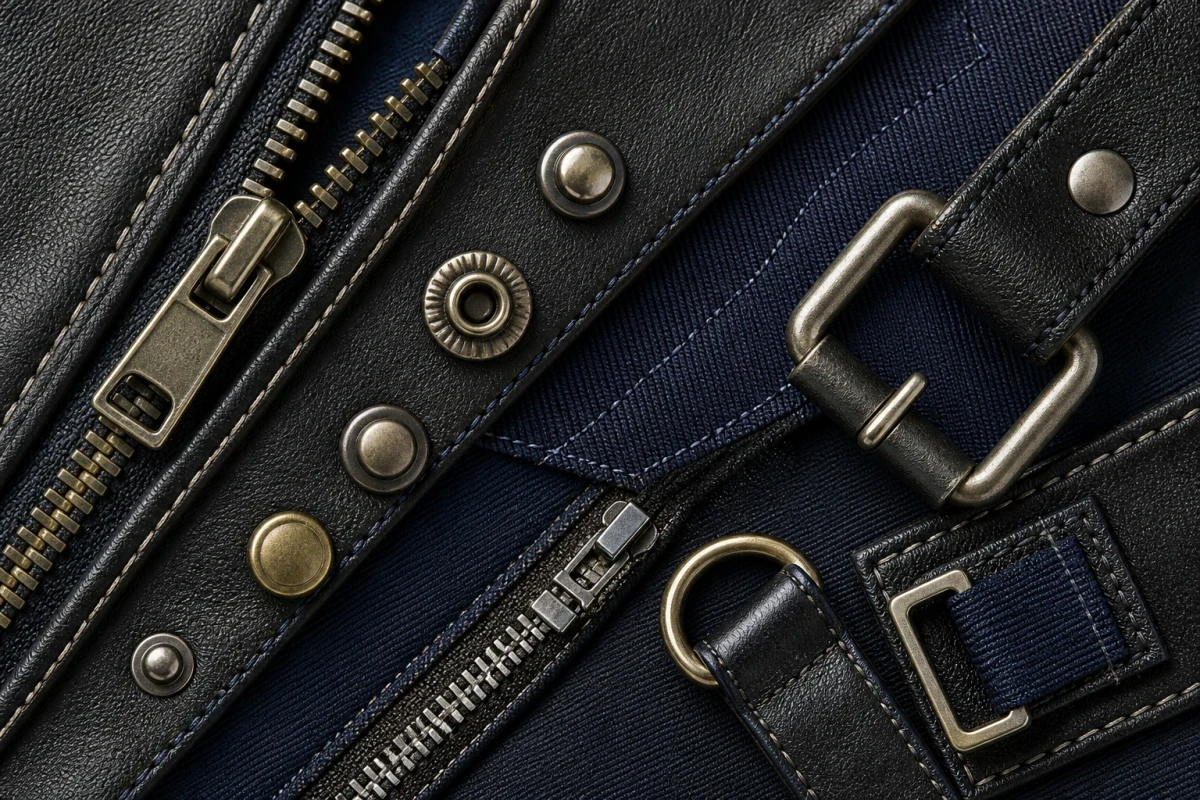
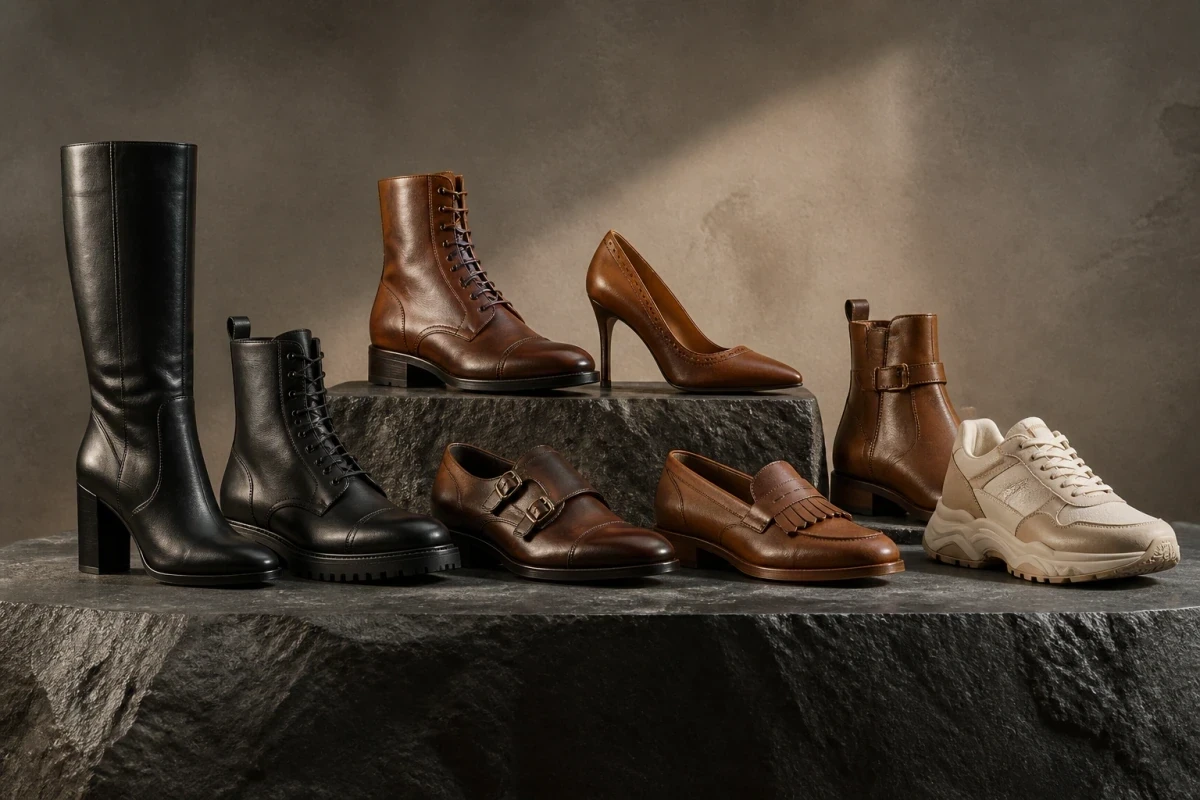
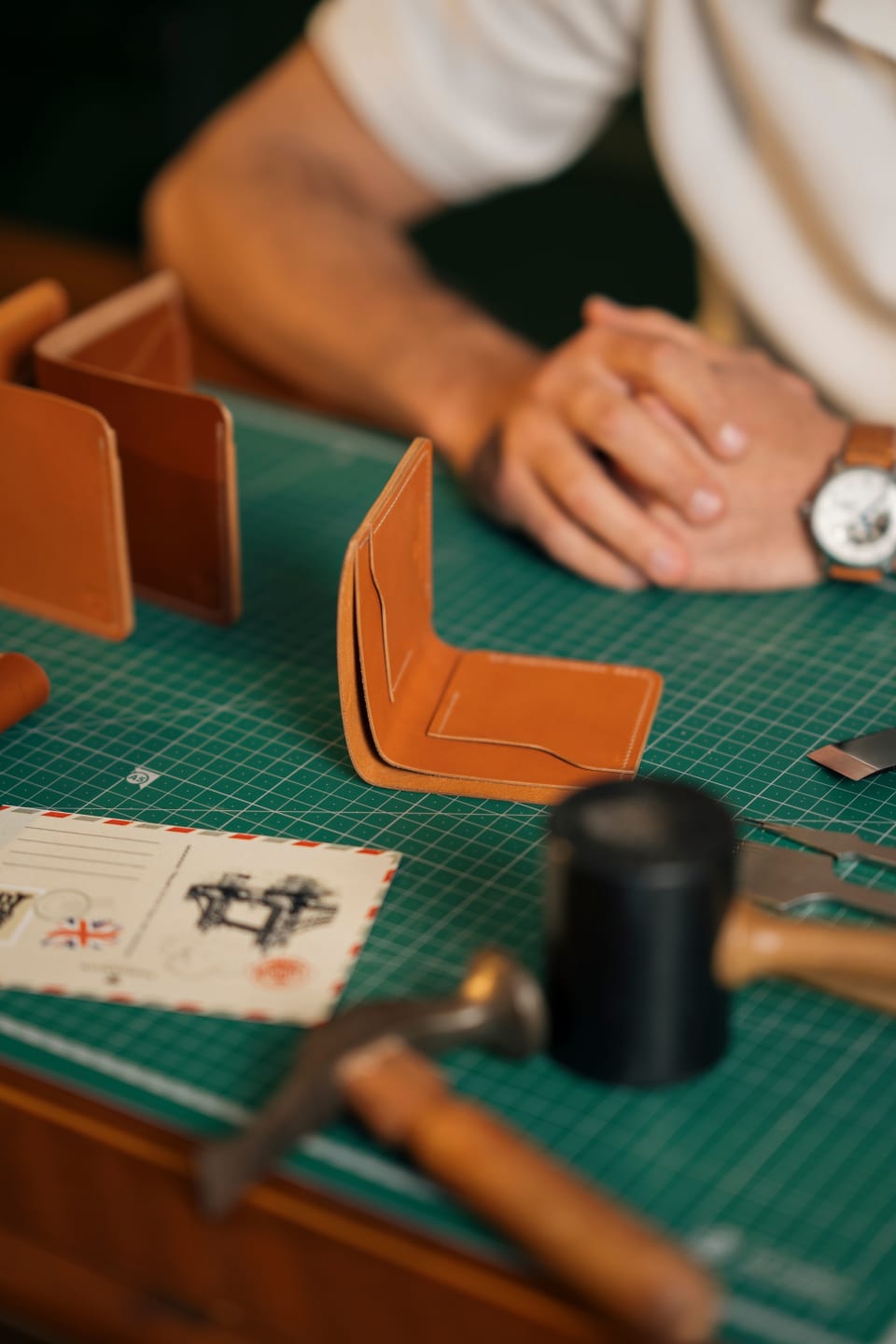
Leather is a strong natural material obtained by tanning animal hides, most often cattle. Tanning turns perishable raw hide into a durable, wear-resistant material that acquires a noble patina over the years. Leather holds its shape and shields from wind and moisture, which is why it has been, and remains, the material of footwear, jackets, belts, bags and gloves. It is prized for combining strength, pliability and status aesthetics. Leather needs particular care: it must be conditioned and protected, and it fears drying out, prolonged soaking and direct heat.
Leather working
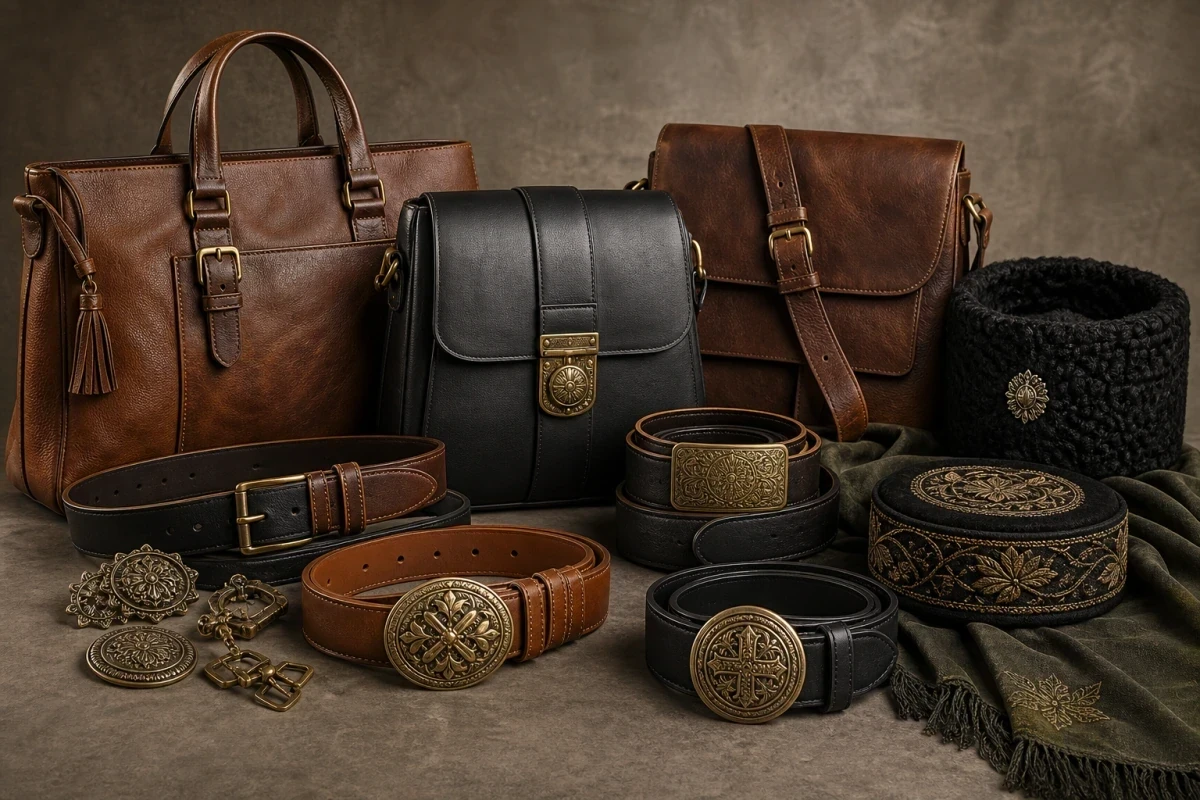
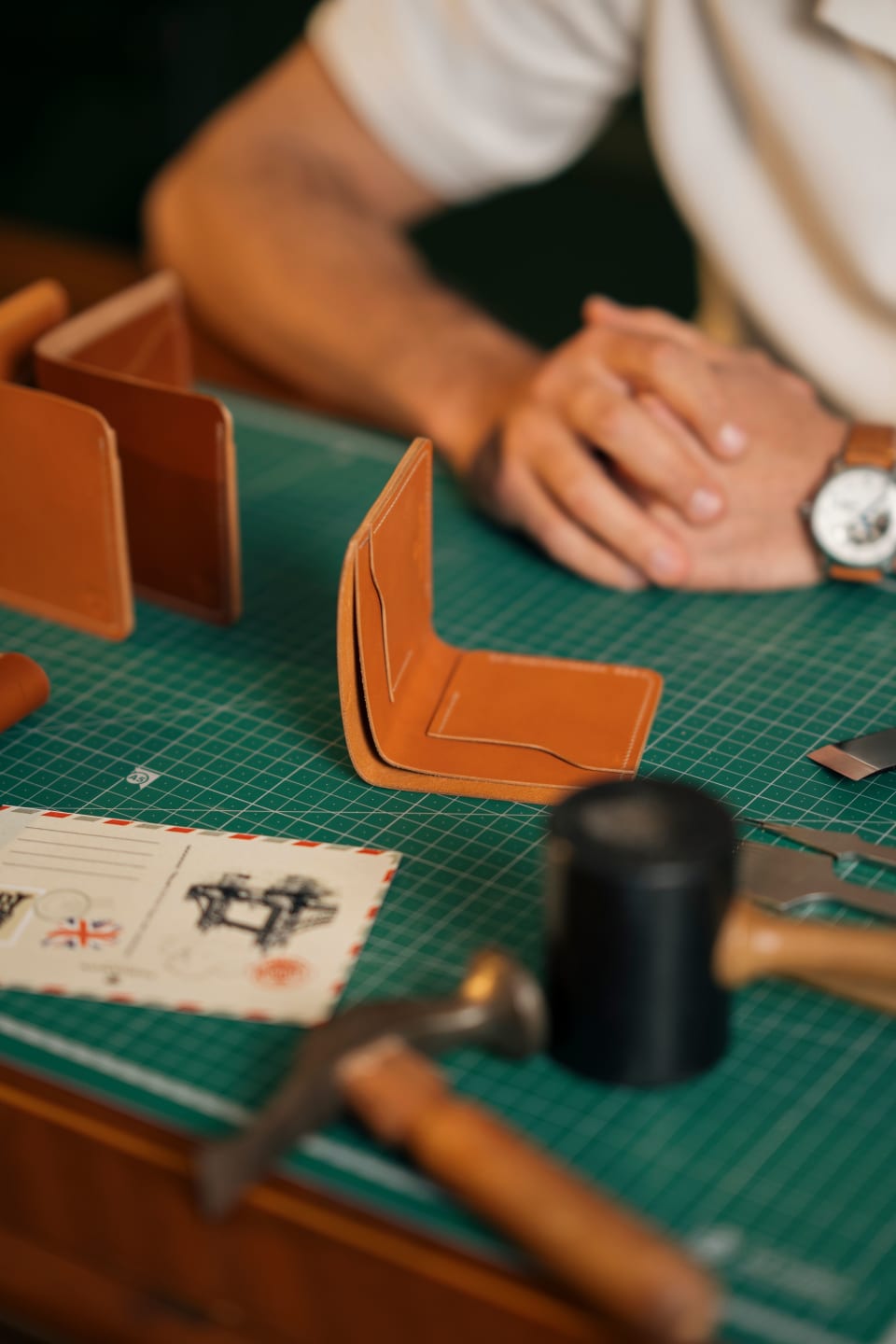
Leather working is a complex of craft techniques for working natural leather: cutting, stitching, embossing, carving, edge painting, plaiting and forming. Leather is a demanding material: it does not stretch like fabric, does not forgive extra punctures (a needle mark stays forever) and requires special tools and strong threads. So the leatherworker's craft is a union of strength, precision and patience. Historically leather was made into footwear, belts, bags, horse harness and book covers; saddlers and shoemakers were respected artisans. Today hand leatherworking is prized in premium accessories as a mark of durability, authenticity and a mastery unattainable by mass production.
Silk
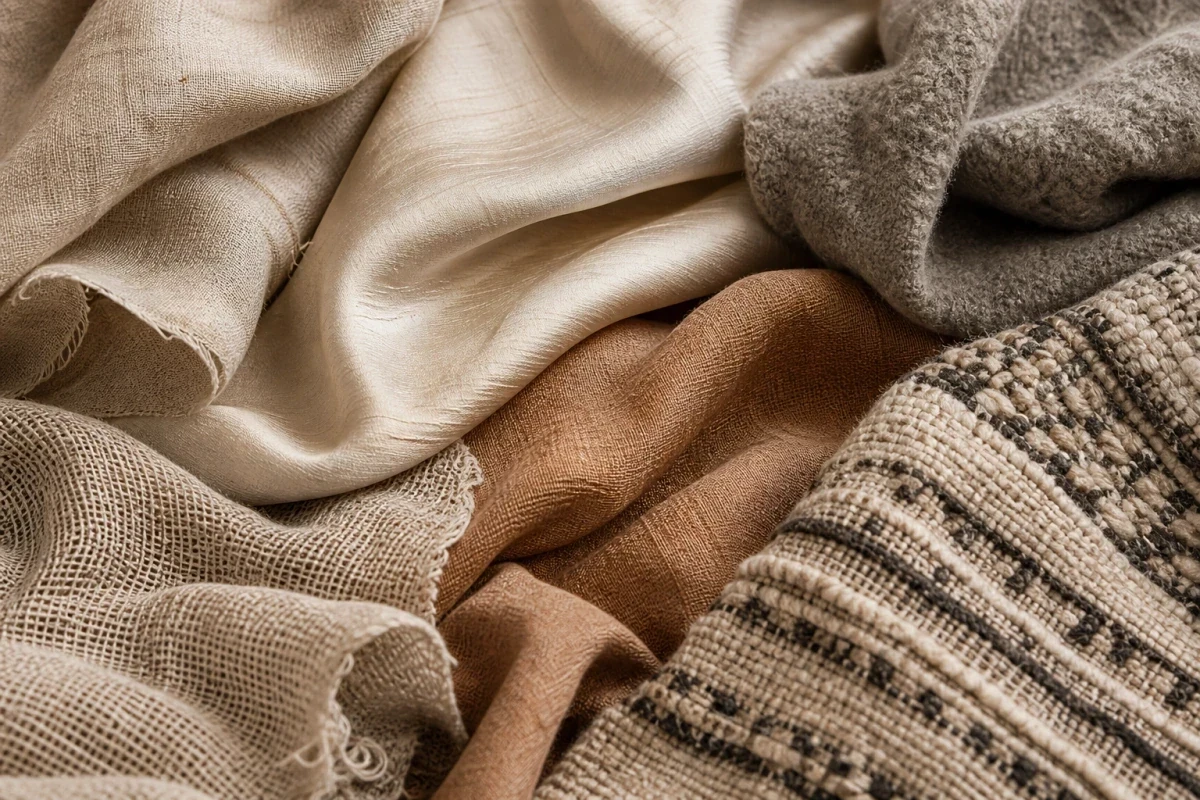
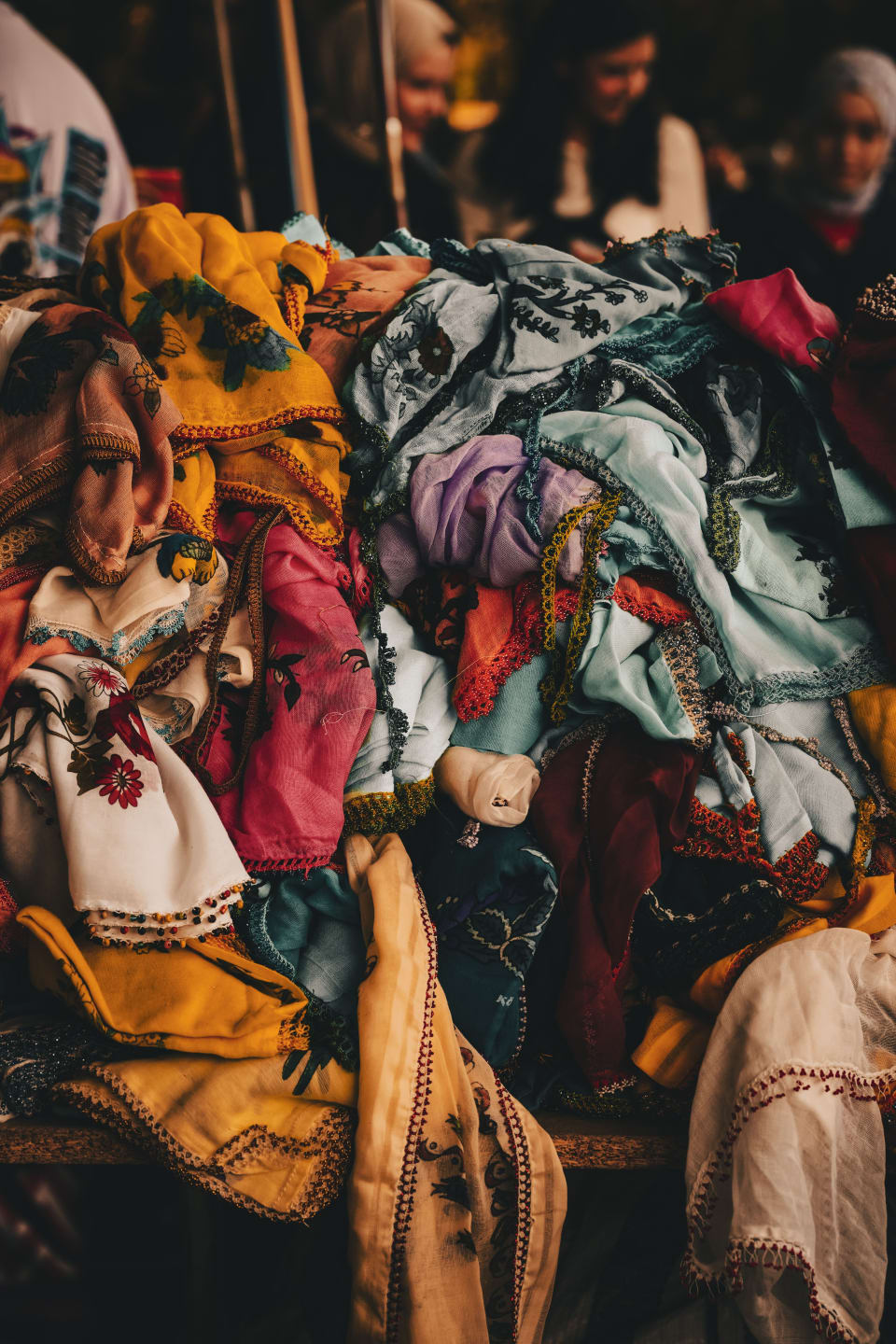
Silk is a natural protein fibre produced by the silkworm caterpillar as it wraps its cocoon; the single fine, continuous thread of a cocoon can reach hundreds of metres. For centuries silk was the most expensive fabric and the engine of the entire Silk Road. Its virtues are almost fabulous: it is strong at low weight, soft, pleasantly cool in summer and warm in winter, has a natural noble sheen and drapes beautifully. It is made into evening and bridalwear, blouses, dresses, lingerie and scarves. Silk is demanding: it fears direct sun, perspiration and high heat, and needs gentle or dry care.
Silver
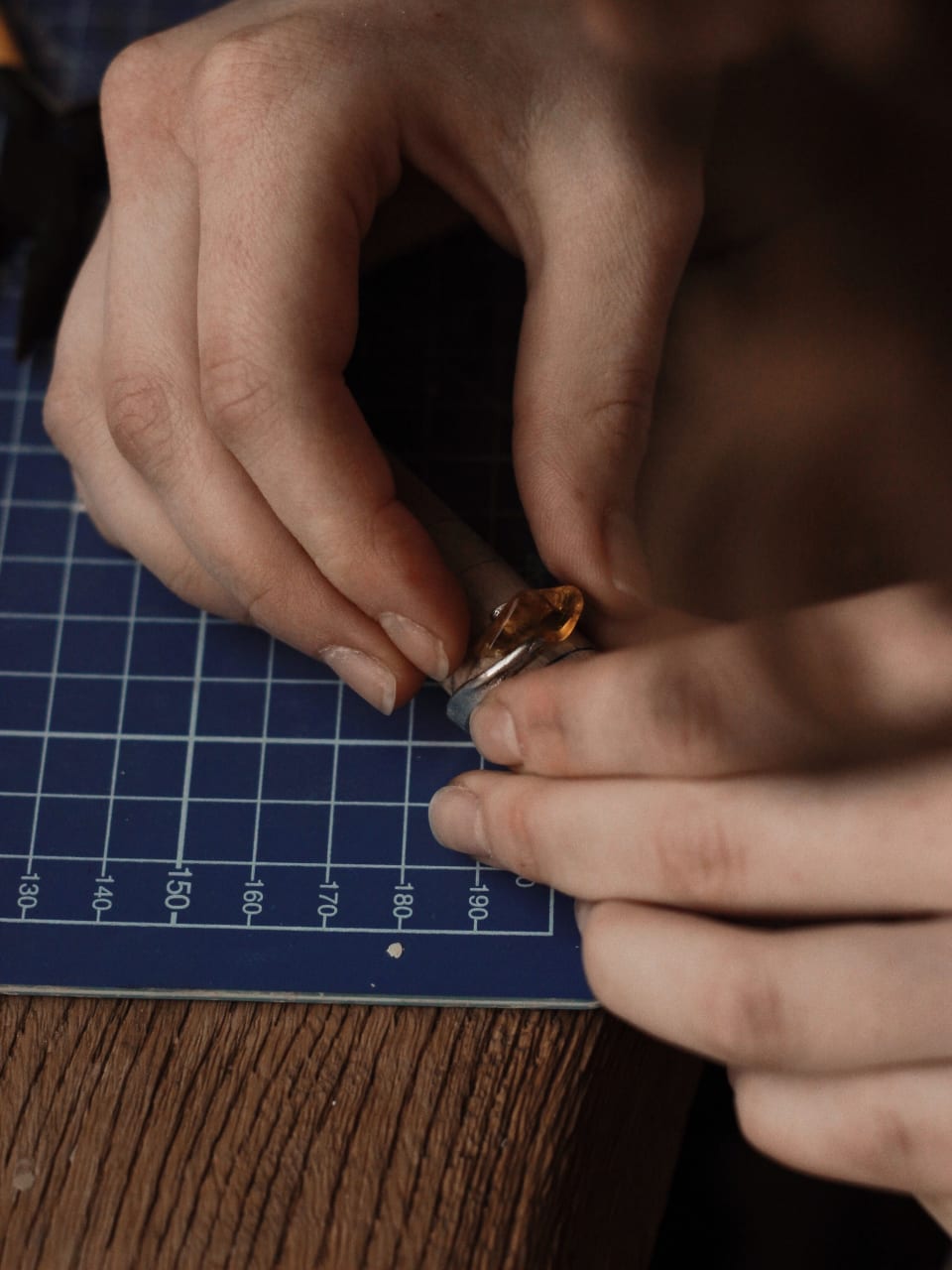
Silver is a noble white metal, one of the chief materials of the jeweller's trade, known to humankind for millennia. It combines a cool silvery-white lustre, high malleability and a more accessible price than gold, and so was long a metal of precious ornaments, tableware and coins alike. Pure silver is too soft, so an alloy is used for pieces (the most common hallmark is 925, 'sterling silver'). Silver tarnishes over time, taking on a patina — but this very ability to darken in the recesses makes relief and niello especially expressive, so blackening (oxidising) became a distinct artistic technique. In Ukrainian tradition silver ornaments, buttons and trimmings had both a decorative and a talismanic meaning. Silver symbolises purity, the moon and noble restraint. It is a metal of refined, 'cool' beauty, accessible yet timelessly elegant.
Tanning
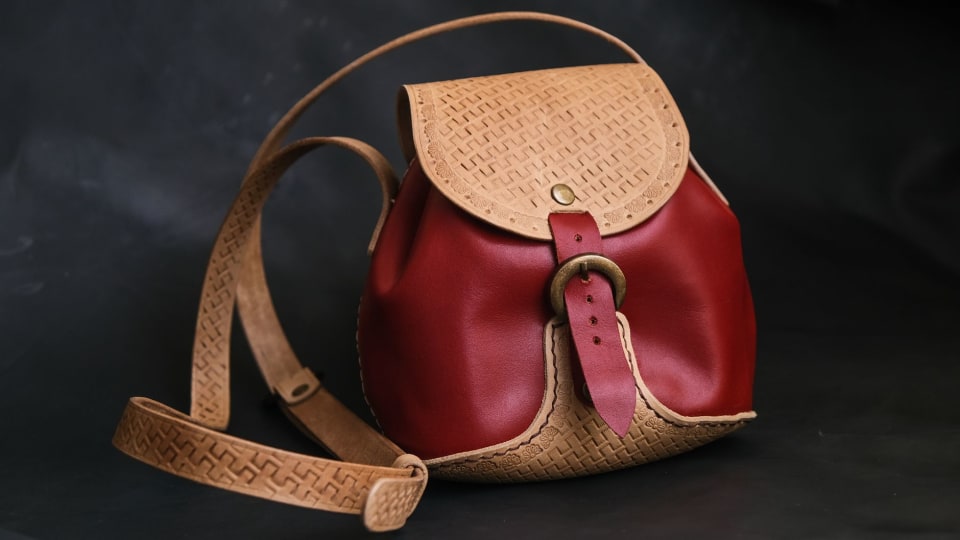
Tanning is the technological process of treating a raw animal hide, turning it into strong, flexible and durable leather resistant to rot, damp and time. Without tanning a hide quickly spoils, so this technique is the foundation of all leather craft, known to humankind for millennia. There are two main methods: vegetable tanning (with tannins from oak, willow or chestnut bark) — ancient, ecological, giving a dense leather of a noble shade that grows more beautiful with age; and chrome tanning — faster, cheaper, giving softer and more elastic leather. The colour, smell, texture and durability of the finished material depend on the method of tanning. It is a complex, skilled craft that requires knowledge and time. Tanning is the fundamental technique of turning a hide into leather, in which ancient artisan knowledge gives the material strength, flexibility and durability, lying at the foundation of all leather production.
Wool
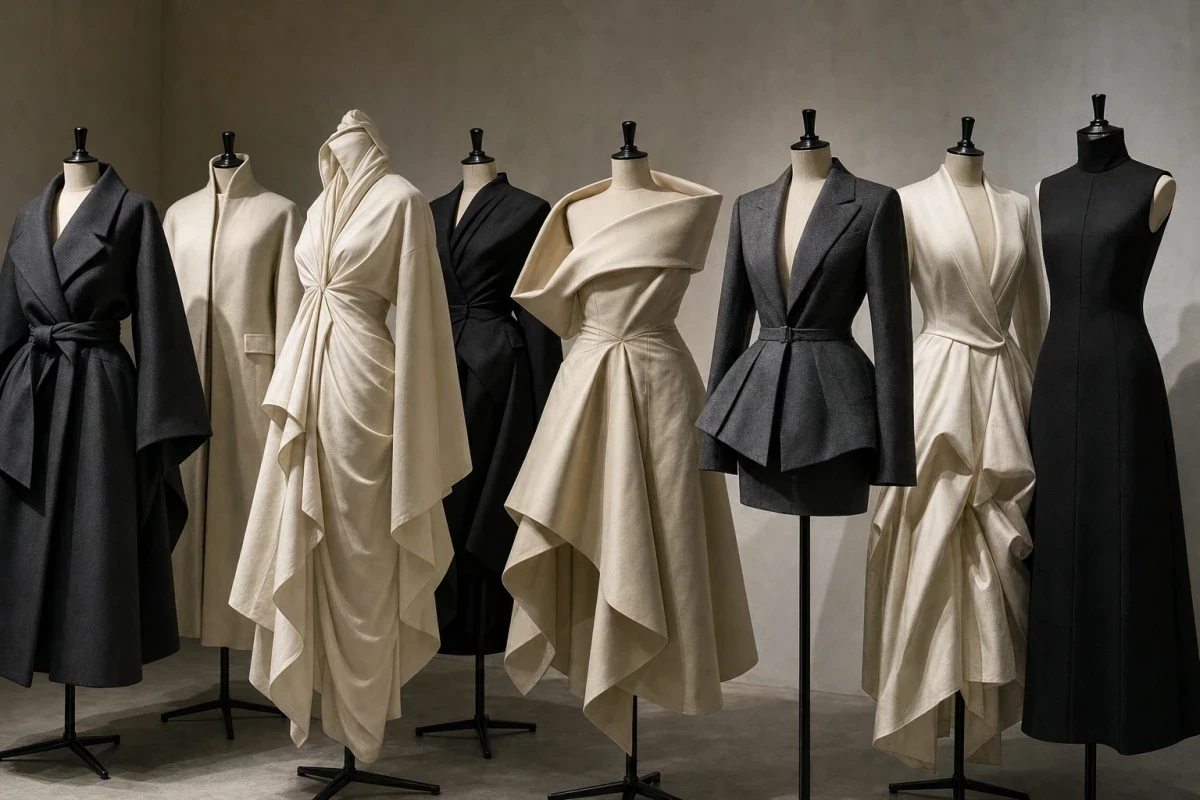
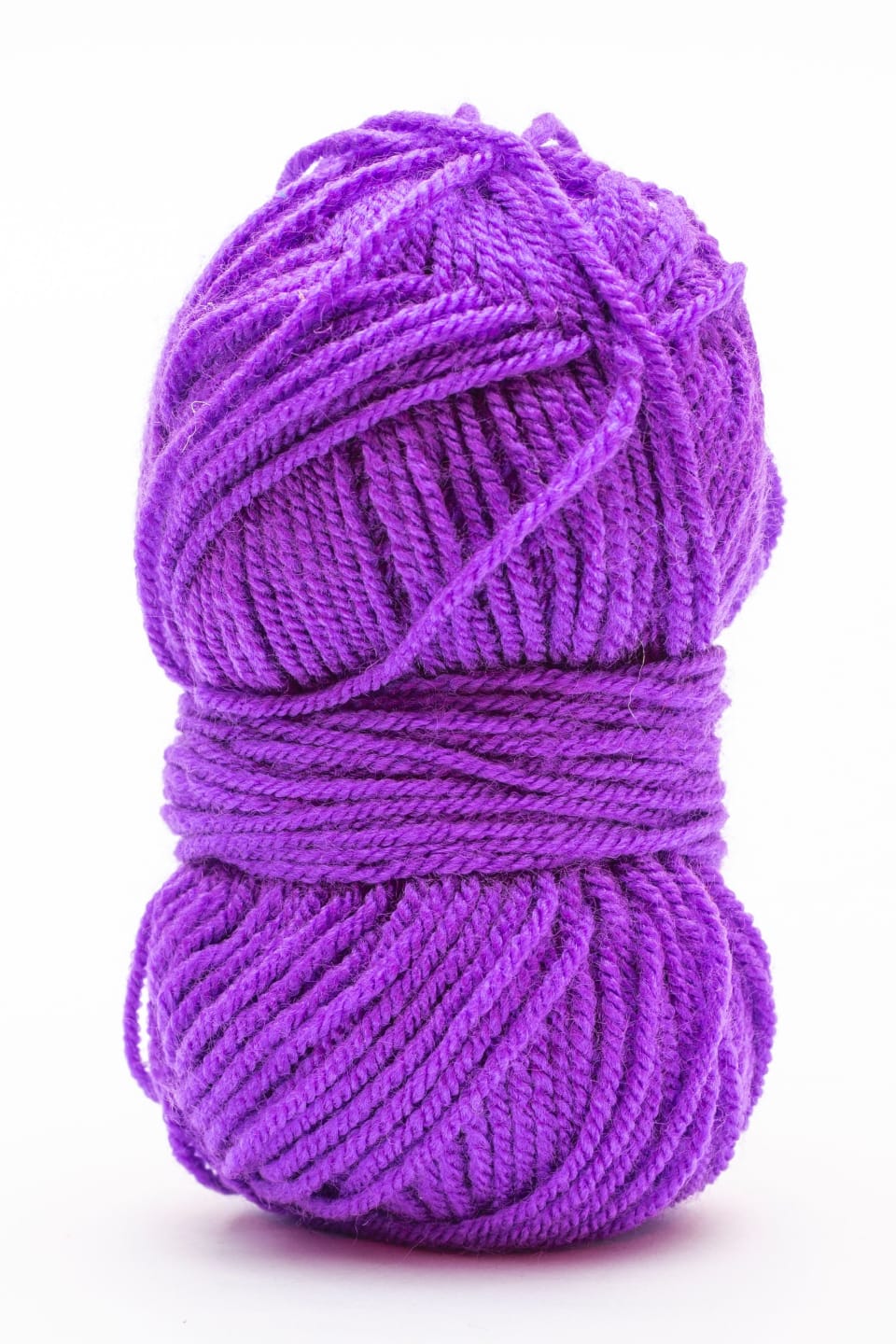
Wool is a natural fibre from the fleece of sheep (and also goats, camels and llamas). Its uniqueness lies in the crimped structure and surface scales of the fibre: they trap air, so wool insulates superbly, while also absorbing moisture yet staying dry to the touch and naturally resisting odour and creasing. Wool makes everything from fine suiting cloth to bulky knitwear and coating fabrics. Its main challenges: it can prickle, dislikes high heat and the mechanical friction of washing (it felts), so it needs gentle or dry care.
Other Fashion Dimensions