

The Craft Mastered6 techniques
Techniques
Embroidery, tailoring, knitting — techniques passed down generations.
Crochet
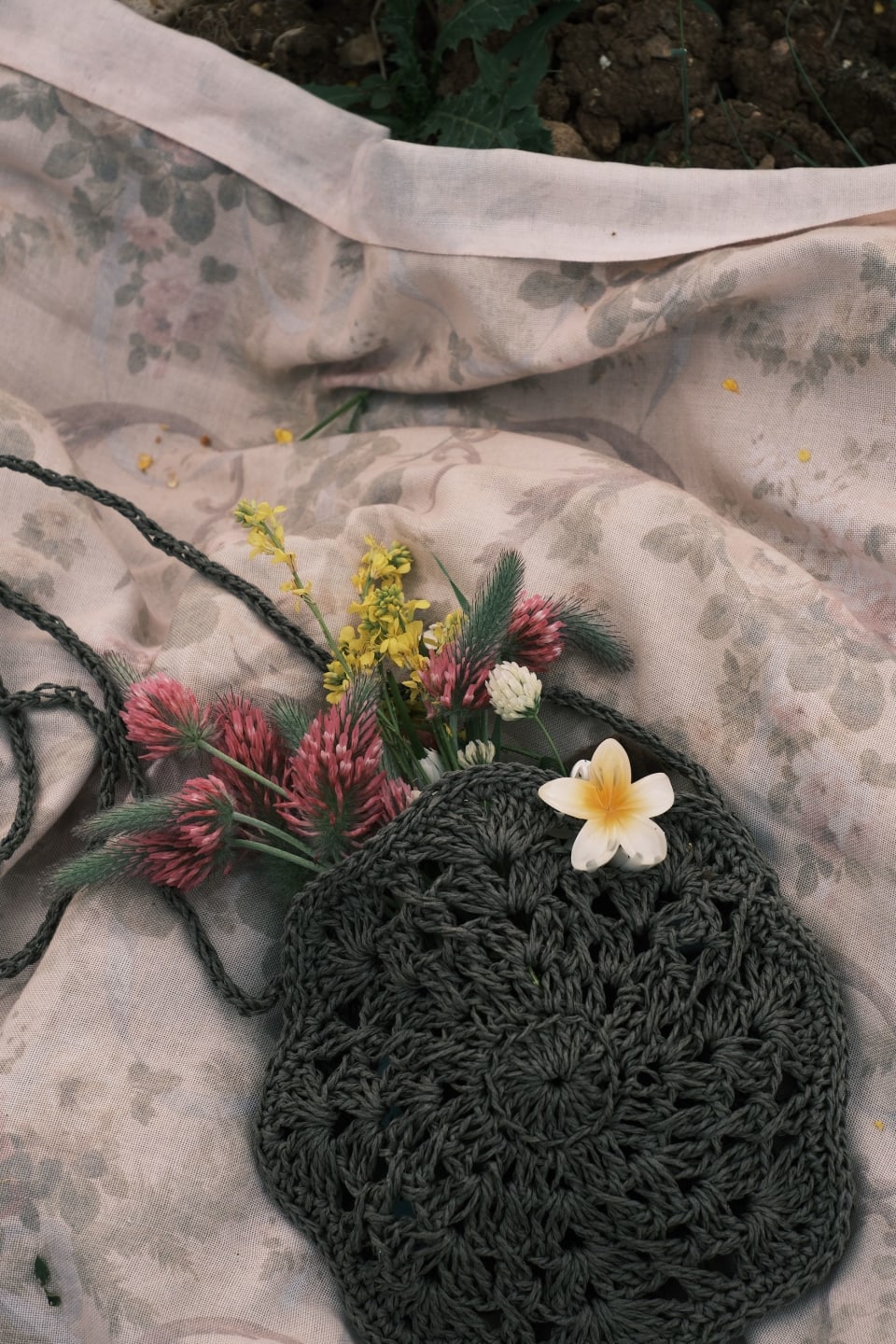
Crochet is the technique of creating a fabric or lace from a single yarn using a hook that pulls loops one through another. Unlike knitting with needles, the hook works with a single active loop, giving a denser, more textured fabric and the ability to easily create openwork, three-dimensional patterns. Crochet makes lace, collars, doilies, shawls, bags and even whole dresses and tops. In Ukrainian tradition crocheted lace adorned linen and clothing as a more accessible alternative to expensive bobbin lace. Today crochet is enjoying a renaissance in fashion — from grandmotherly 'granny squares' to entire hand-made runway collections.

Felting
Felting is the oldest technique for making a fabric, in which wool is not spun or woven but bonded into a dense material by moisture, heat and friction. The scales of the wool fibre interlock and 'felt' into a strong material with no thread at all. Felting is older than weaving: felt was used for cloaks, hats, footwear and blankets among many peoples of the world. There is dry (needle) felting and wet felting. This technique yields seamless, three-dimensional, warm pieces and allows one to 'sculpt' a form directly from wool. In contemporary fashion felting is prized for its ecology, tactility and the sculptural possibilities of author pieces.
Knitting
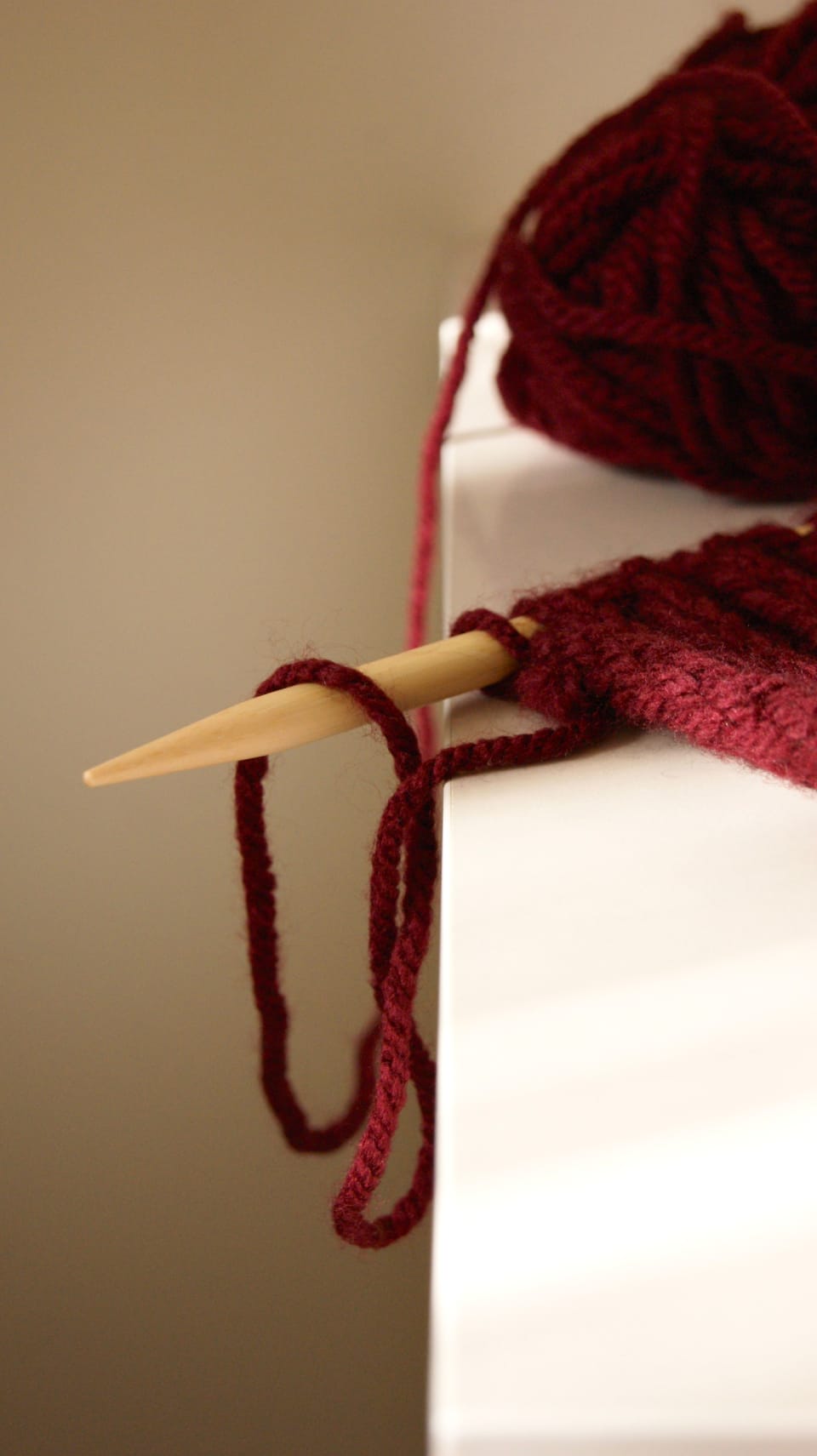
Knitting is the technique of creating an elastic fabric from a single continuous yarn formed into rows of loops with needles or a knitting machine. Unlike woven cloth, knitted fabric stretches and recovers, so it hugs the body beautifully. In Ukraine knitting long provided warm sweaters, socks, mittens, shawls and openwork wraps, while patterned knitting (cables, Aran motifs, jacquard) made them decorative too. The techniques are countless: stocking stitch, garter stitch, ribbing, lace. Knitting can be fast and machine-made or slow and meditatively hand-made. Today hand-knitting is a symbol of cosiness, slow fashion and a personal warmth invested in the piece.
Plaiting
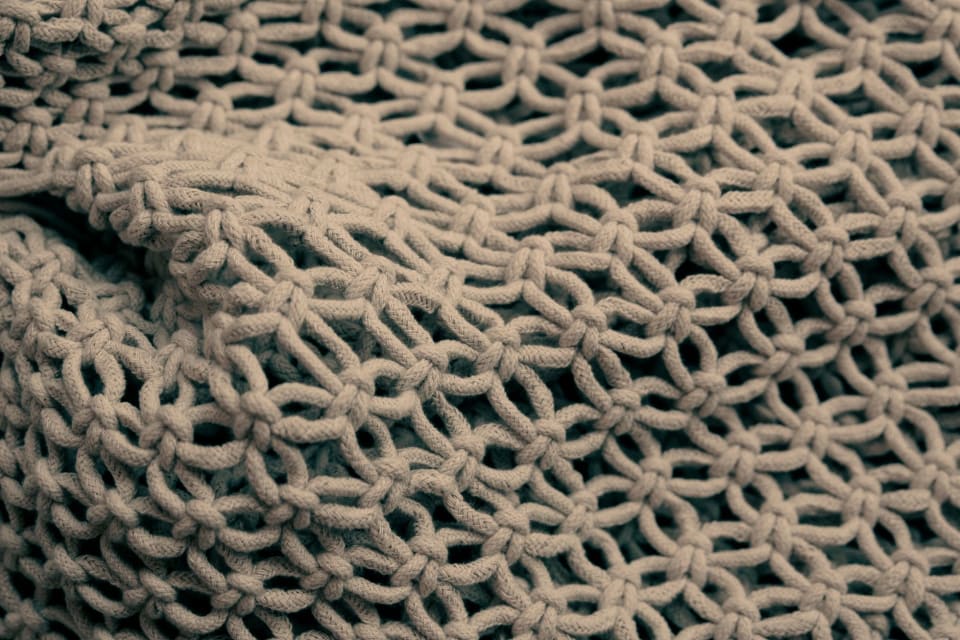
Plaiting (weaving in the broad sense) is a technique of making an object or trim by interlacing flexible elements (cords, ribbons, strips of leather, straw, willow) by hand, without a loom. Unlike loom weaving with its warp and weft, plaiting is freer and more three-dimensional: it makes braids, cords, belts, bags, hats and accessories. In Ukrainian tradition plaiting is known in woven sash belts (kraika), straw hats, bast shoes and decorative dress elements. The technique is simple at its core but yields boundless variations of pattern and texture depending on the material and the manner of interlacing. In contemporary fashion plaiting is prized for craft authenticity and the natural, handmade character of accessories.
Textile weaving
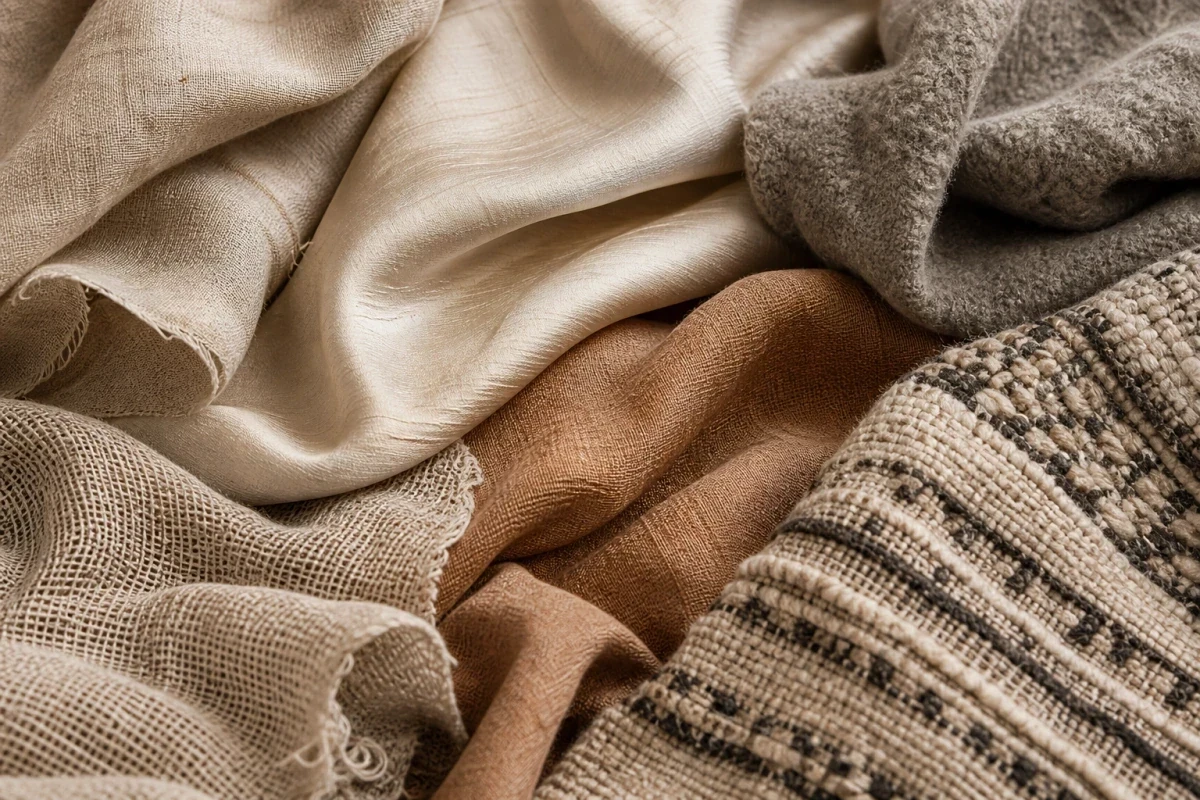
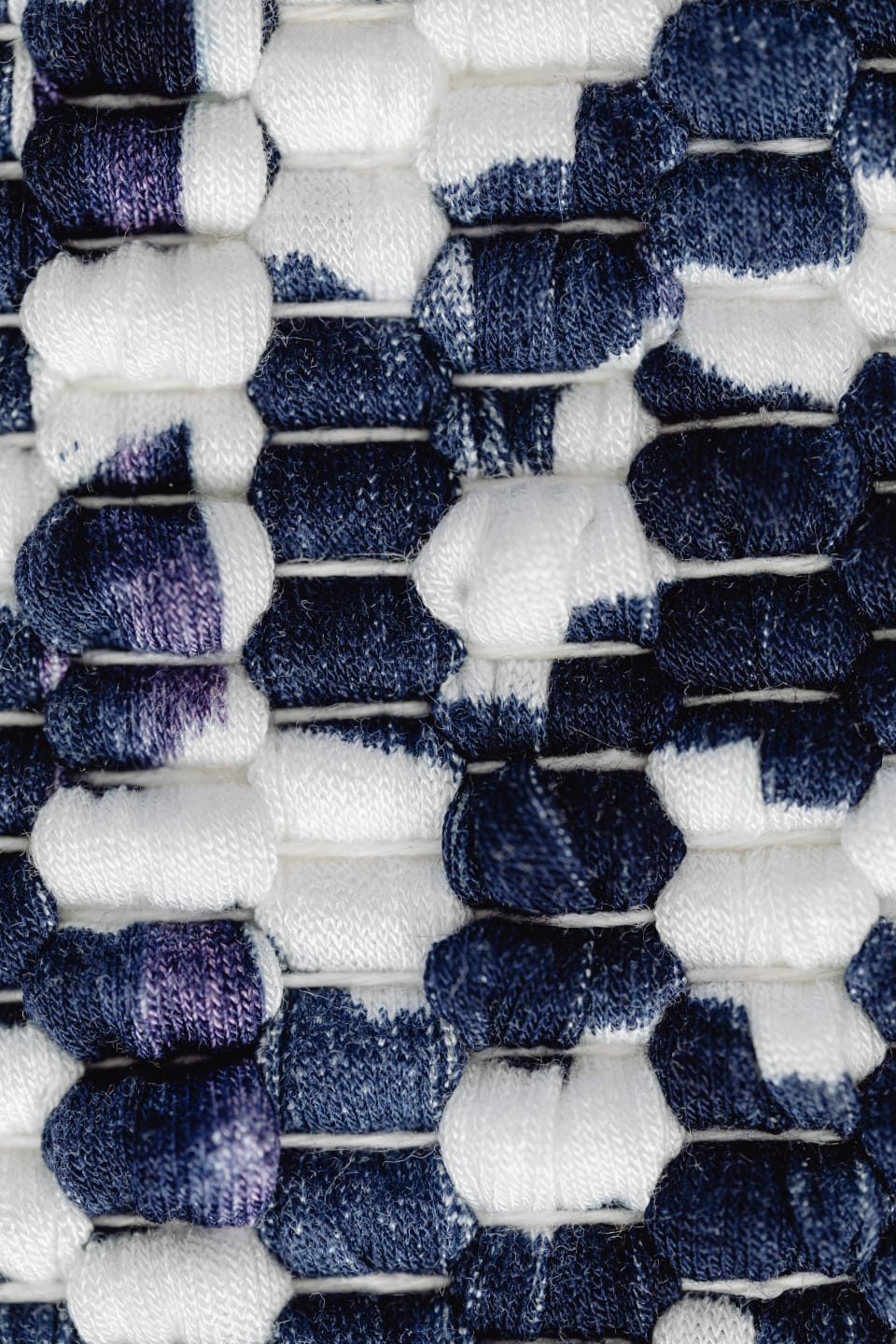
Textile weaving is the basic technology for turning yarn into cloth: the warp threads are tensioned on a loom, and the weft thread is passed across by a shuttle, interlacing them into a fabric. The very type of weave (plain, twill, satin) determines the properties of the future cloth — its density, strength, sheen and drape. Understanding weaving is the key to understanding fabrics themselves: why denim is strong and satin lustrous. In Ukrainian tradition weaving was a mass domestic craft with its own patterned schools. Today, alongside industrial weaving, the hand-made kind is prized for authenticity, unique texture and a connection to local heritage.
Weaving
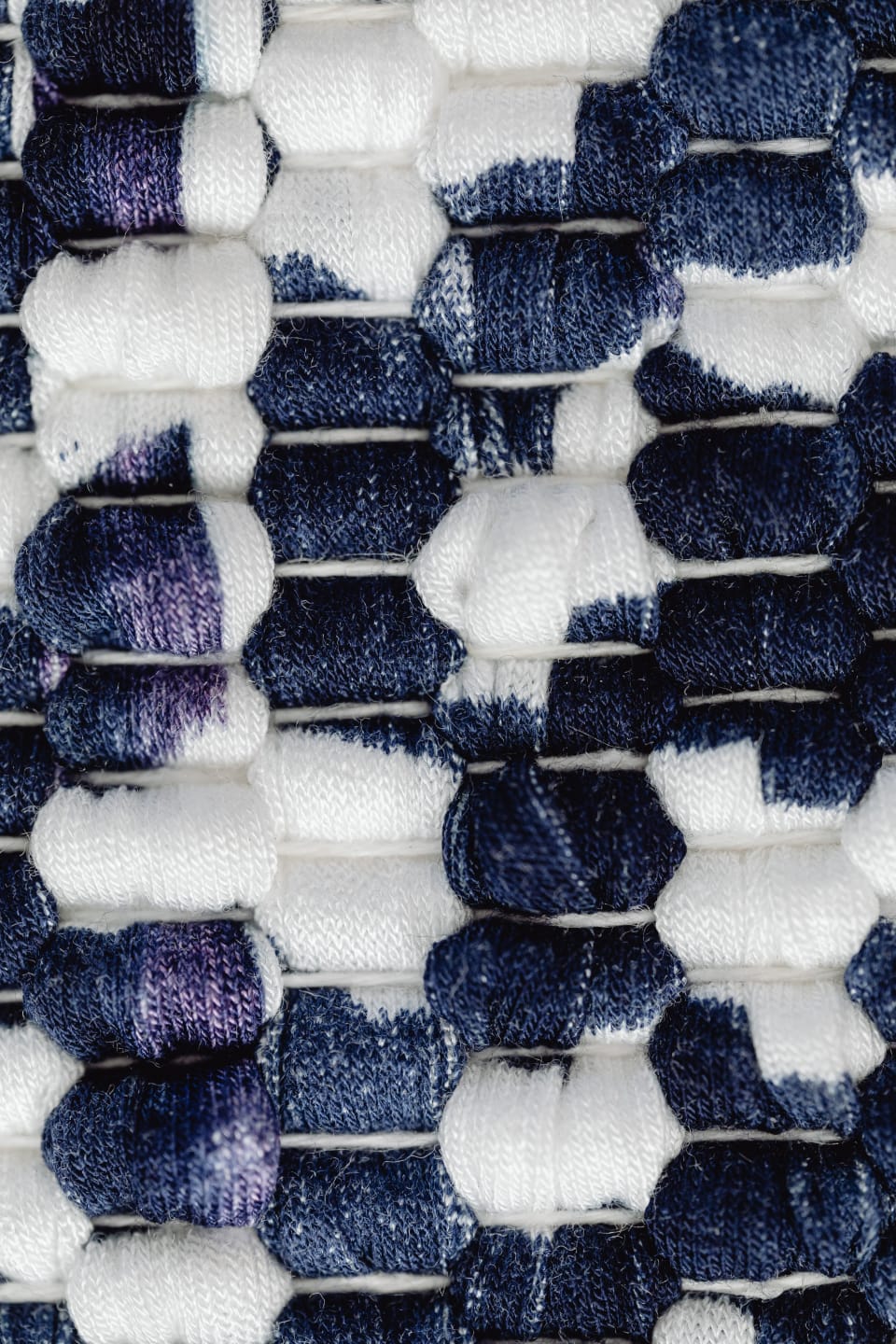
Weaving is one of humanity's oldest techniques: the making of cloth by interlacing two systems of threads — the lengthwise warp and the crosswise weft — on a loom. In Ukraine weaving was the foundation of the household economy: shirts, ritual towels and tablecloths were sewn from home-woven cloth, while patterned weaving (zakladne, perebirne) produced multicoloured ornaments without embroidery. Regional schools — Krolevets towels, Hutsul lizhnyk blankets, Polissia weaving — had their own motifs and techniques. Weaving requires warp preparation, rhythm and precision. Today hand-weaving is returning as a value of slow, authentic fashion and local craft.
Other Fashion Dimensions