

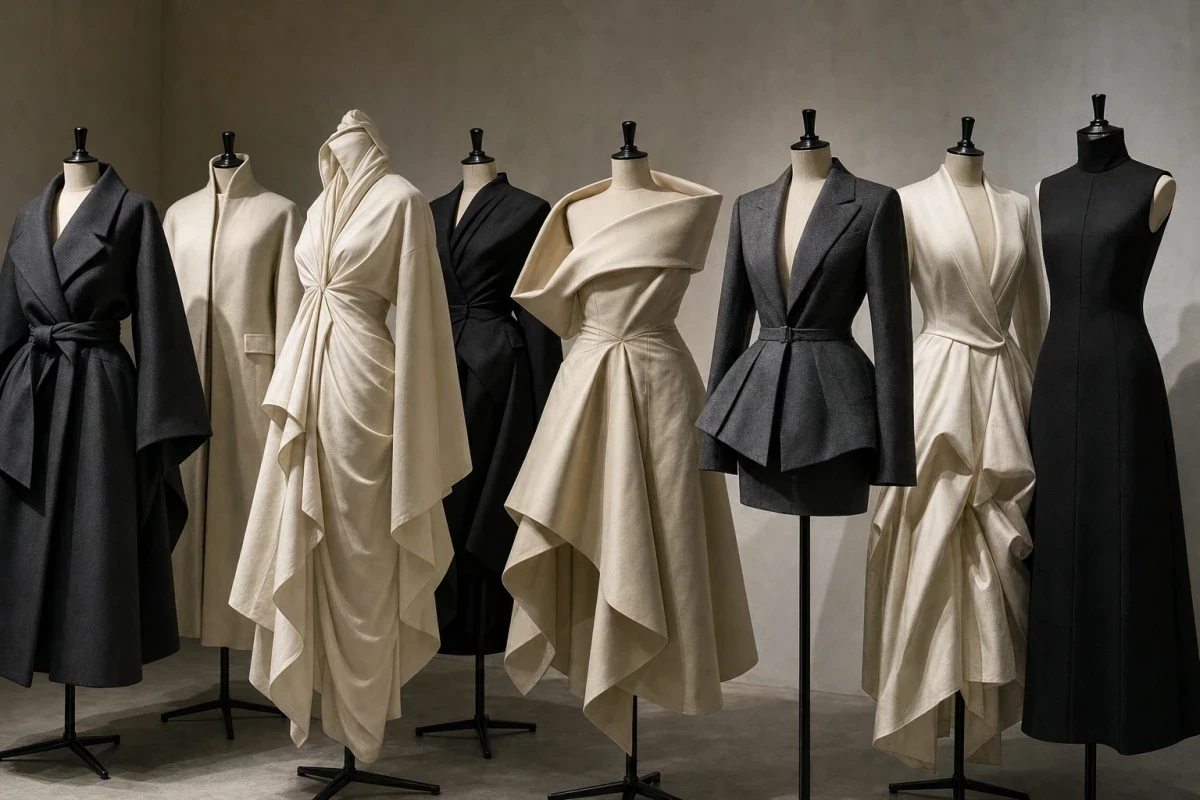
The Architecture of Silhouette9 silhouettes
Silhouettes
The lines that shape an outfit — from A-line to oversize.
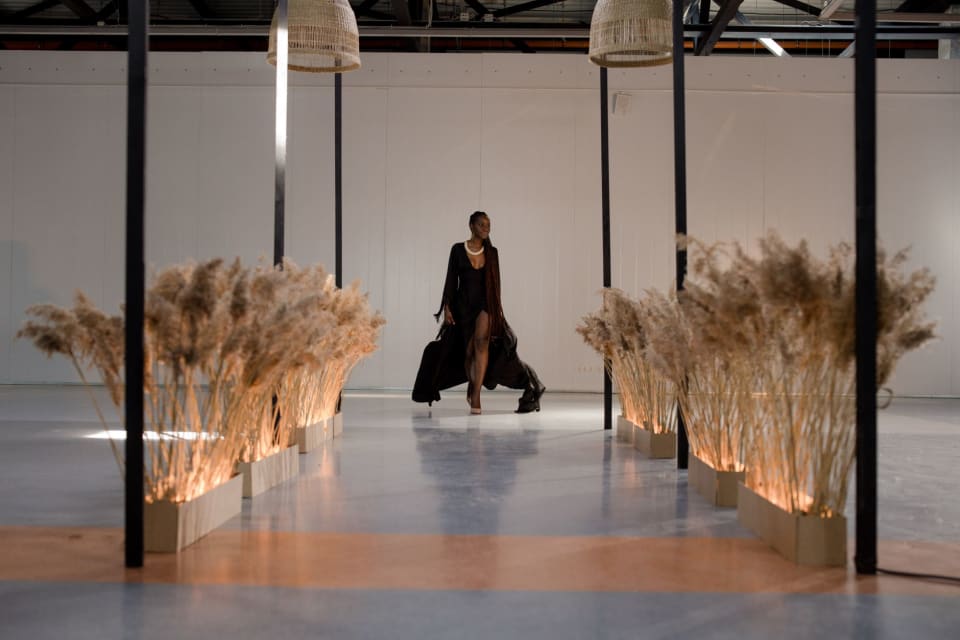
Bootcut
Bootcut is a trouser silhouette that hugs the hip and knee and, from the knee down, widens slightly to lie freely over footwear, especially boots (hence the name bootcut). It is a moderate, more restrained version of the flare: the widening here is barely perceptible and delicate rather than dramatic. Such a cut visually balances the figure, lengthens the legs and hides the volume of footwear, so it is considered one of the most versatile and 'proportional' trouser silhouettes. Bootcut was extremely popular in the 1990s and 2000s, and now returns to fashion cyclically. It is made mostly of denim, but of other fabrics too. Bootcut is a silhouette of balanced, versatile elegance, in which a slight widening at the bottom harmonises the figure's proportions, creating a slim, neat and invariably appropriate look.
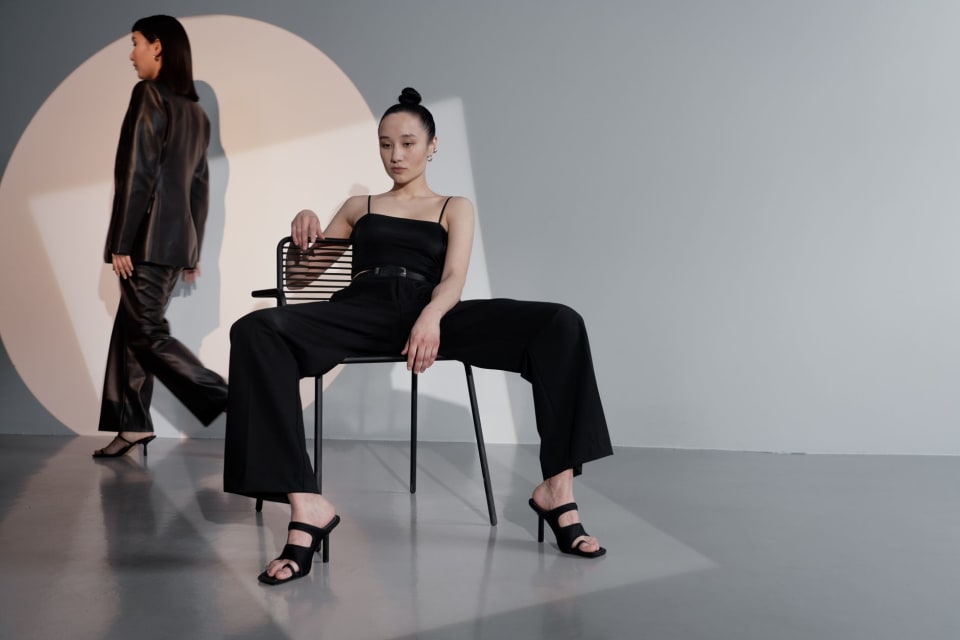
Culottes
Culottes are wide, cropped trousers cut so loosely that they resemble a skirt in appearance. It is a hybrid of skirt and trousers that combines the freedom of movement and comfort of trousers with the femininity and volume of a skirt. Historically the French culotte meant men's knee-breeches worn by the European upper classes from the Renaissance to the early 19th century, and modern 'skirt-trouser' culottes gained popularity in the 20th century as a comfortable yet elegant option for active women. Culottes have a distinct, slightly retro and very modern character at once; they work well combined with a fitted top (to balance the volume). They are made in various lengths and widths. Culottes are a silhouette of comfortable elegance, in which a voluminous, loose cut combines the comfort of trousers with the refinement of a skirt, creating an effortlessly fashionable, balanced look.
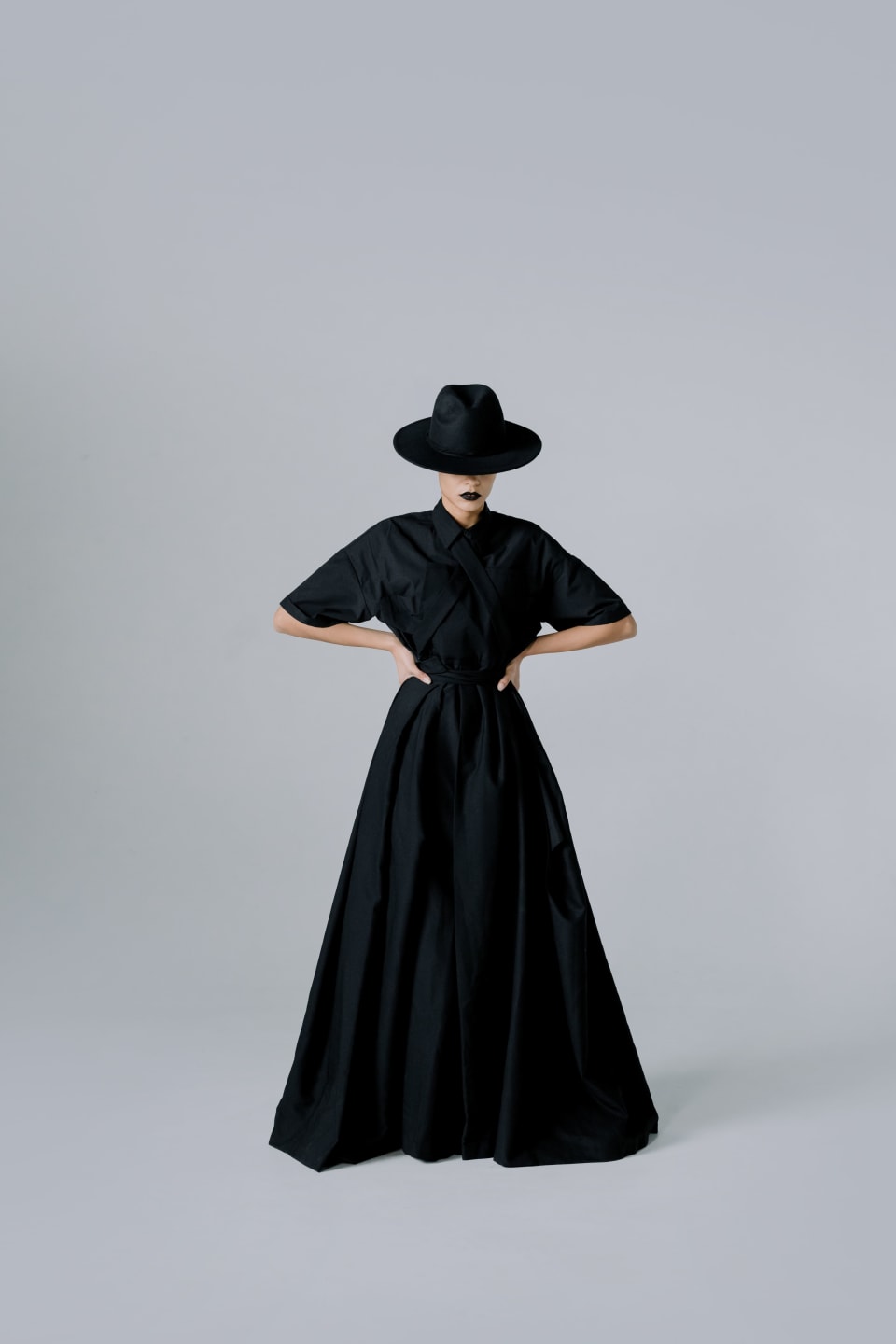
High-waisted
High-waisted is a rise in which the waistband of trousers, a skirt or shorts sits above the natural waist, often at the navel or a little higher. This cut visually lengthens the legs, accentuates the narrowest part of the figure and creates a slender, elongated proportion. The high waist was the norm in many historical periods, returned to fashion in the 1940s–50s and again dominates the modern wardrobe. It holds the line well, conceals the stomach and works beautifully with a tucked-in top. It is a rise that almost always flatters the figure, which is why it remains one of the most fail-safe cutting solutions.
Jumpsuit
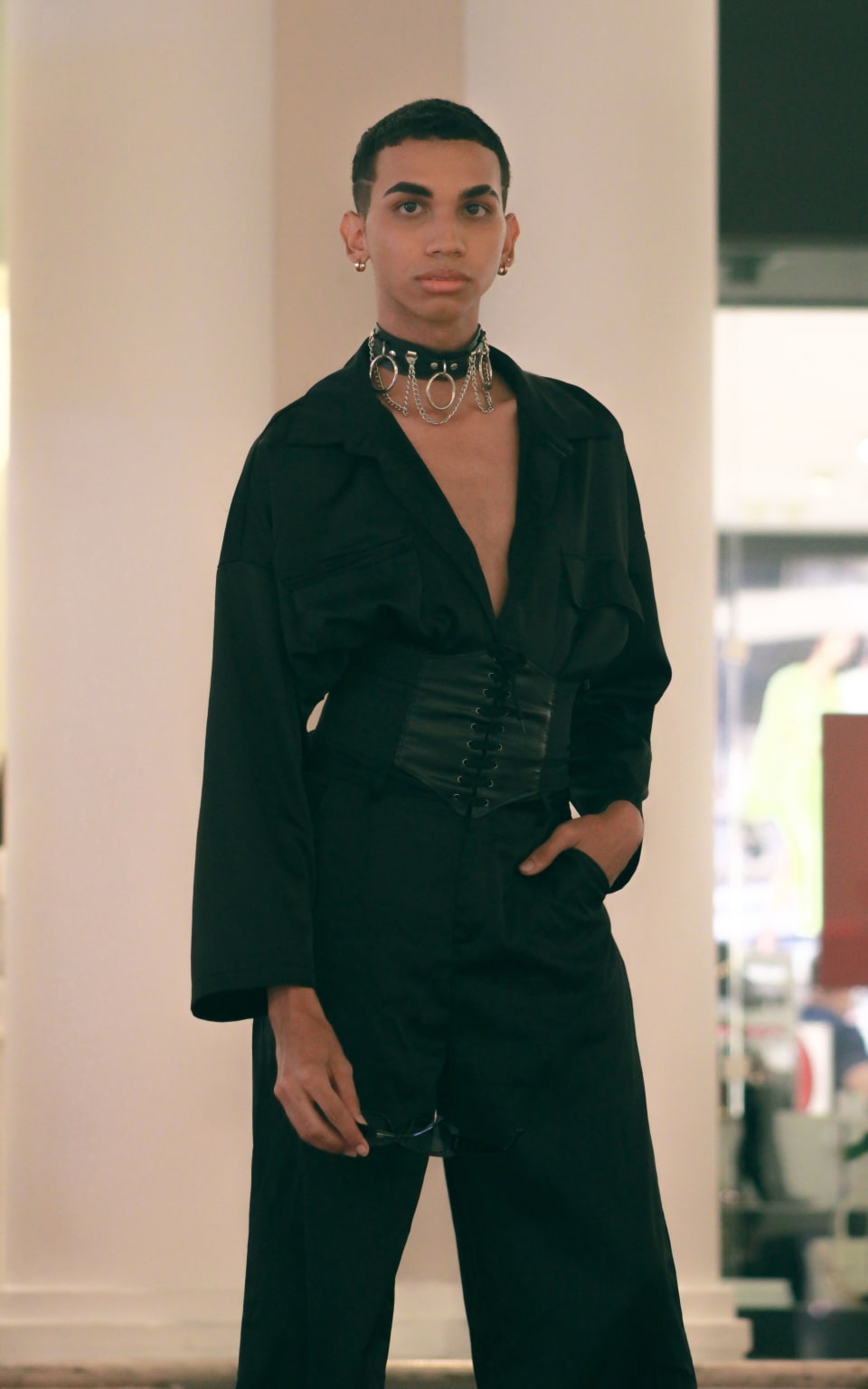
The jumpsuit is a one-piece garment that unites the top and trousers (or shorts) into a single construction with no division at the waist. Historically it descends from workwear and aviation dress, where practicality and freedom of movement were prized, and later moved into high fashion as a bold, self-sufficient silhouette. The jumpsuit gives the effect of a 'complete look' in a single piece, visually lengthens the figure and can be relaxed and everyday or refined and evening. Its main practical challenge is the need to undress fully and careful fitting to height, since the torso length is critical for comfort.
Low-rise
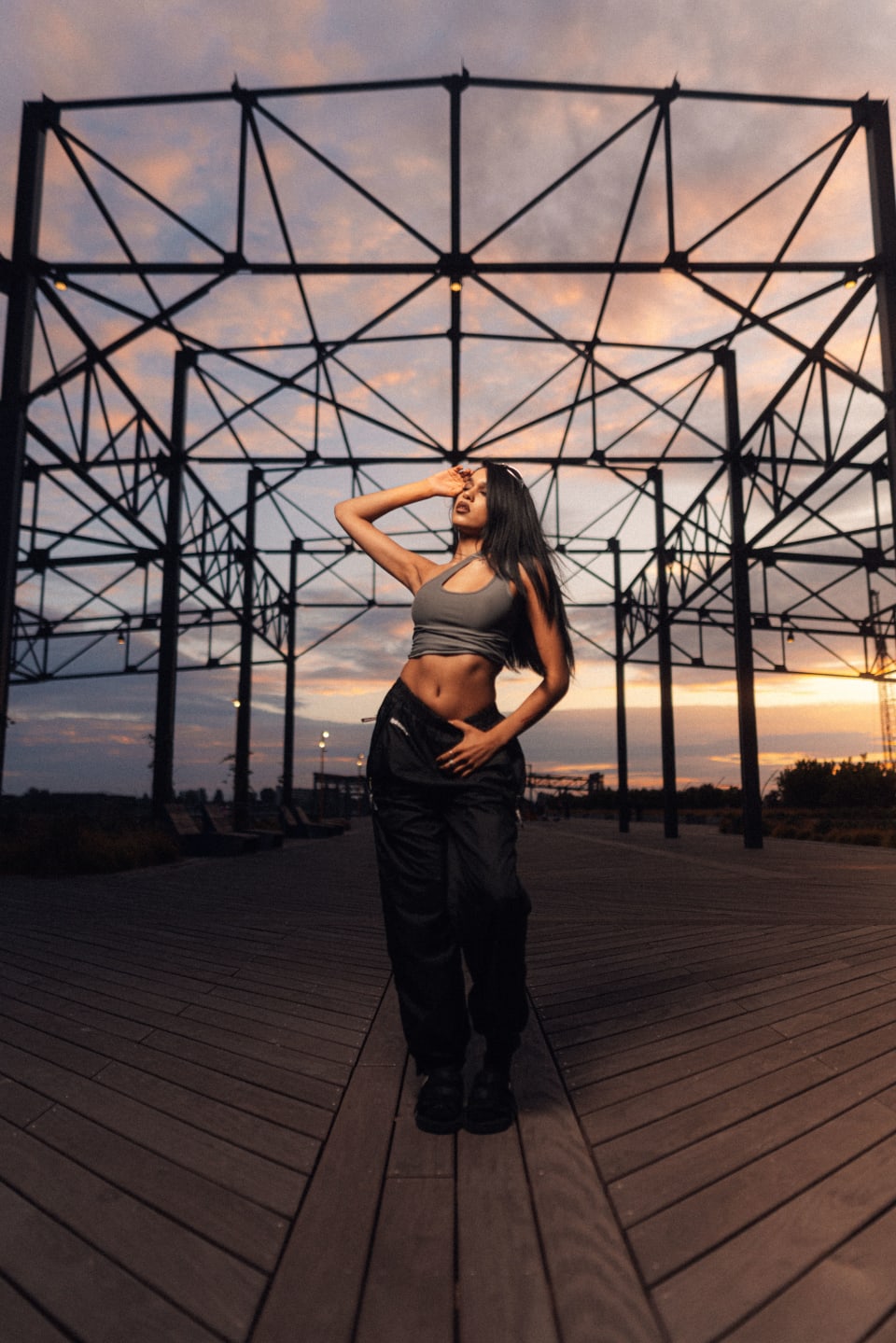
Low-rise is a rise in which the waistband of trousers or a skirt sits noticeably below the natural waist, at hip level. This silhouette became a fashion icon of the early 2000s, an emblem of that era with its 'hipster' jeans. The low rise reveals the line of the hips and stomach, visually shortens the torso and lengthens its upper part, creating a youthful, uninhibited look. It is demanding of the figure and the fit and periodically returns in waves of nostalgia. It is the silhouette most dependent on the context of its era and personal style, which is why it always reads as a deliberate style statement.
Palazzo
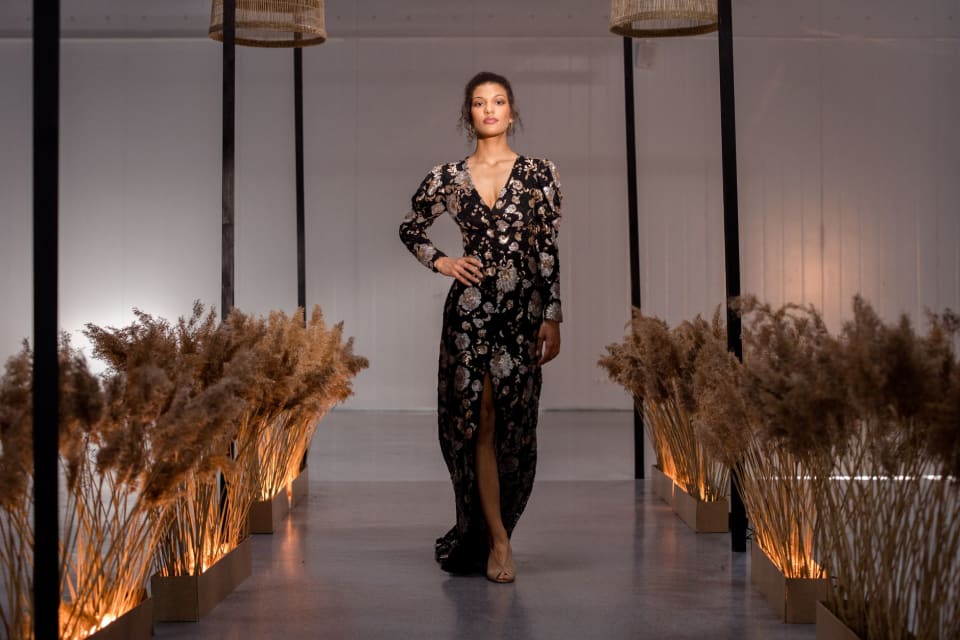
Palazzo are very wide, loose trousers that widen evenly from the waist to the hem, creating a smooth, flowing silhouette resembling a long skirt. The name comes from the Italian palazzo — 'palace', hinting at the luxury and stateliness of the cut. These trousers usually have a high waist and floor length, so they visually lengthen the legs and lend grace to the gait. Palazzo gained popularity in the 1960s–70s and are forever tied to bohemian, resort and evening style. They are made of light, flowing fabrics (silk, viscose, chiffon) that emphasise movement. Palazzo work well with a fitted or tucked-in top. It is a silhouette of luxurious freedom, in which a wide, flowing cut combines comfort, elegance and dramatic fluidity, creating a striking, confident yet effortless look.
Skinny
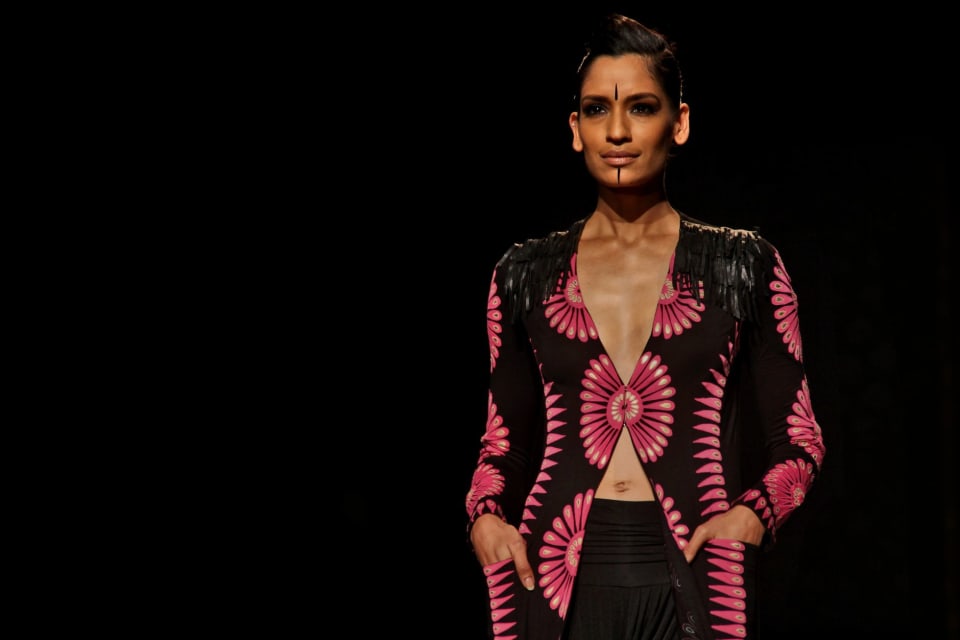
Skinny is a fitted trouser silhouette that closely follows the form of the leg along its whole length, from hip to ankle, like a second skin. This effect is achieved thanks to a narrow cut and stretchy fabrics with added elastane. Skinny visually lengthens and slims the legs, and works well combined with a voluminous top, oversized sweaters, tunics and high footwear. The silhouette became a real phenomenon of late-2000s–2010s fashion, long displacing other jeans cuts. Skinny come in denim, leather, knit and other materials. They require a well-holding fabric so as not to lose their shape. Skinny is a silhouette of spare, modern slimness, in which a fitted cut emphasises the line of the legs, creating a clean, minimalist and easily combined look that became a wardrobe staple of a whole generation.
Straight-leg
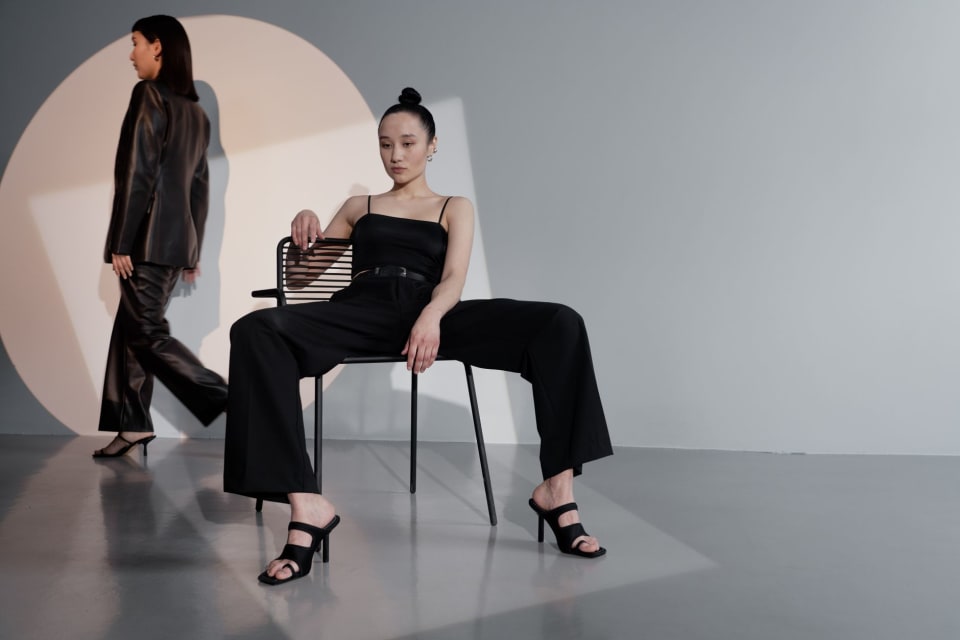
Straight-leg is a classic, versatile trouser silhouette in which the leg runs even and straight from hip to hem, with no tapering or widening. It is the 'golden mean' between fitted skinny and wide-leg trousers: the straight cut does not cling, but neither does it add excess volume, creating a clean, balanced and neat silhouette that suits almost all figure types. Straight-leg trousers are the foundation of the business, classic and everyday wardrobe; most classic suit trousers and straight jeans have precisely this cut. They are versatile in combinations and independent of seasonal trends. The length and width may vary slightly. Straight-leg is a silhouette of timeless, practical elegance, in which a simple, even line creates the most versatile, comfortable and invariably appropriate look, which stays in fashion for decades.
Wide-leg
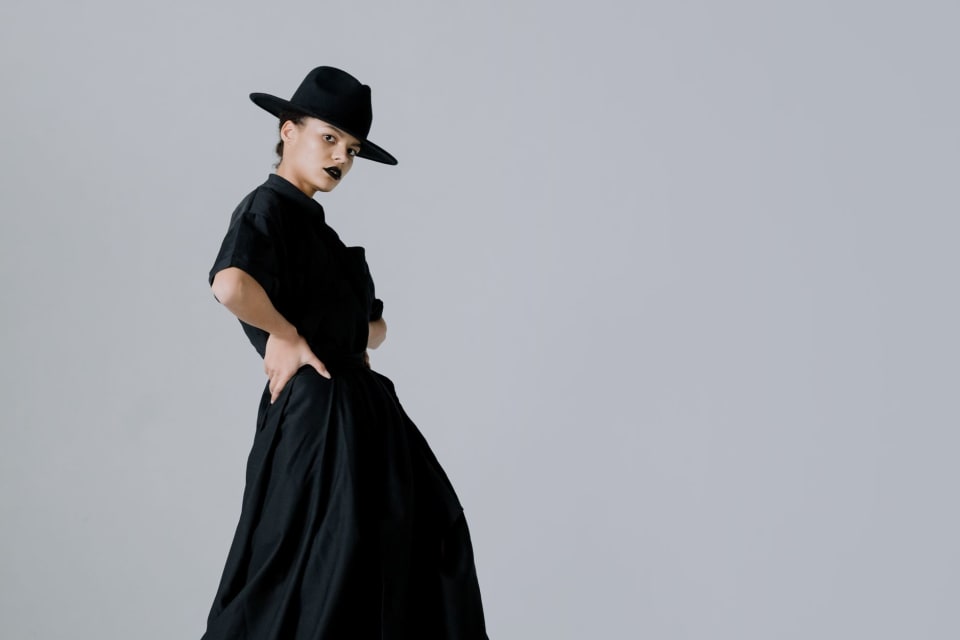
Wide-leg is a trouser silhouette with an equally wide, loose leg along the whole length from hip to hem. Unlike the flare, which widens only downward, wide-leg trousers keep the volume evenly, creating a straight, loose and draped silhouette. Such a cut is comfortable, gives freedom of movement and adds effortless, slightly retro elegance to a look (recall the fashion of the 1930s and 1970s). Wide-leg trousers visually lengthen the legs, especially combined with a high waist and heels. They work well with a tucked-in or fitted top to balance the volume of the bottom. They are made of various fabrics — from flowing to dense. Wide-leg is a silhouette of comfortable, relaxed elegance, in which a loose, straight cut combines comfort with a refined, elongated and effortlessly fashionable look.
Other Fashion Dimensions