

The Telling Detail11 details
Details
Stitching, hardware, buttons — the language quality speaks.
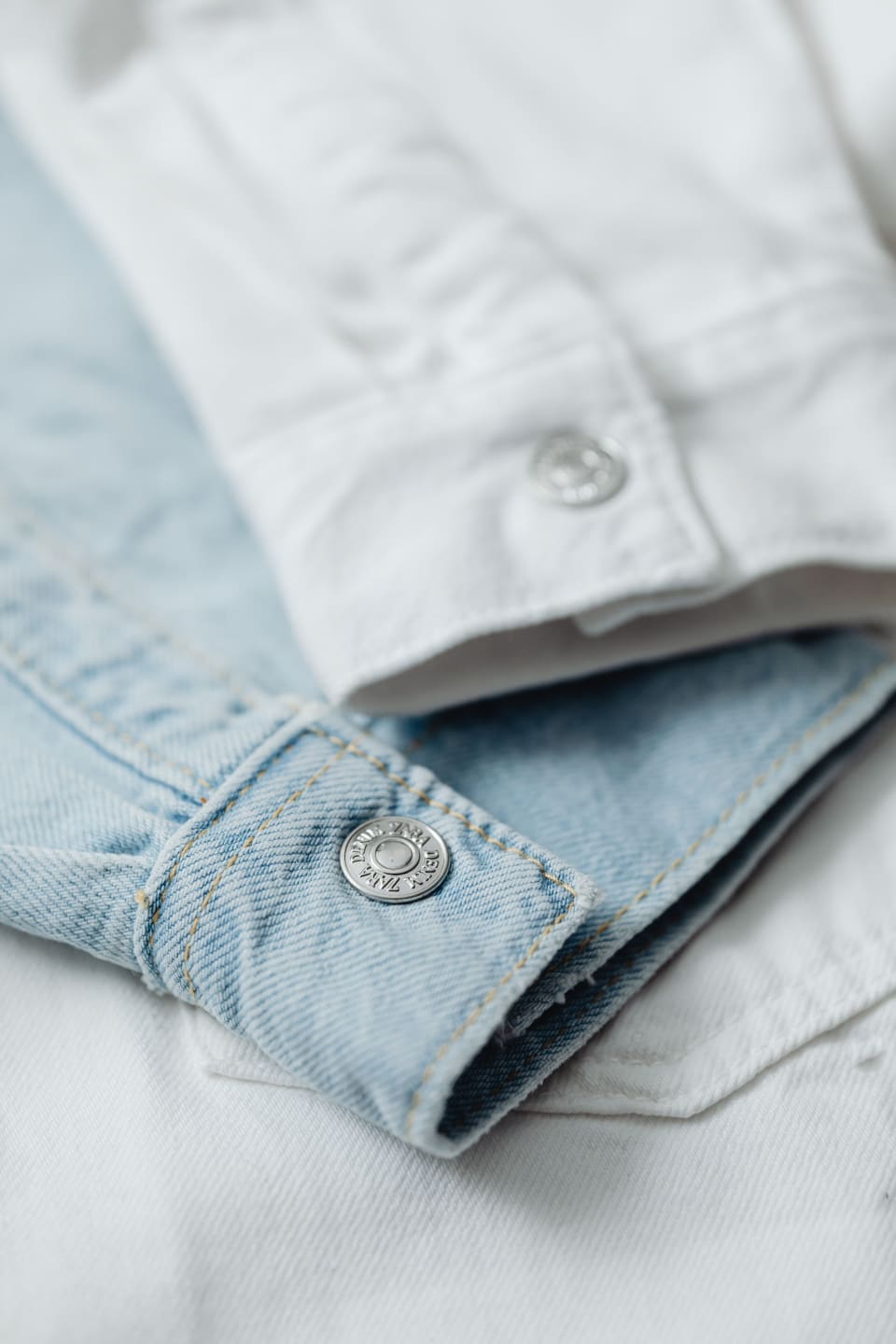
Button
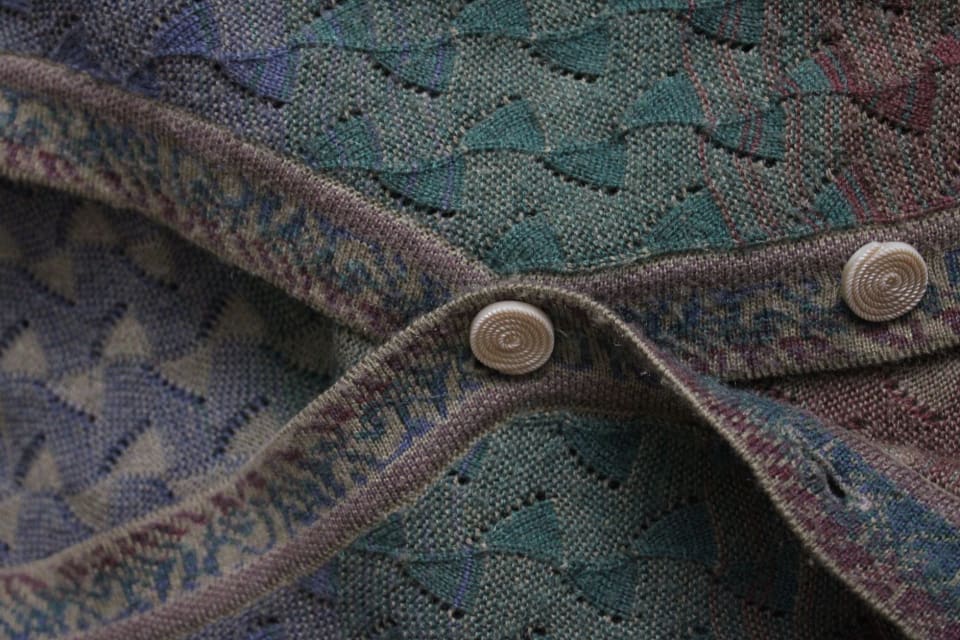
The button is a small but extremely important garment detail that fastens clothing by passing through a buttonhole, while also often serving as ornament. Historically the button evolved from a purely decorative stud (in antiquity clothes were held with fibulae and cords) into the chief fastening element. The material and finish of buttons always reflected status: mother-of-pearl, horn, fabric-covered, metal with coats of arms. In folk dress buttons and hooks also had their own logic and symbolism. Today the button is both function and accent: a contrasting row of buttons can change the whole character of a garment. A quality button, securely sewn, is a sign of the neatness of the whole piece.
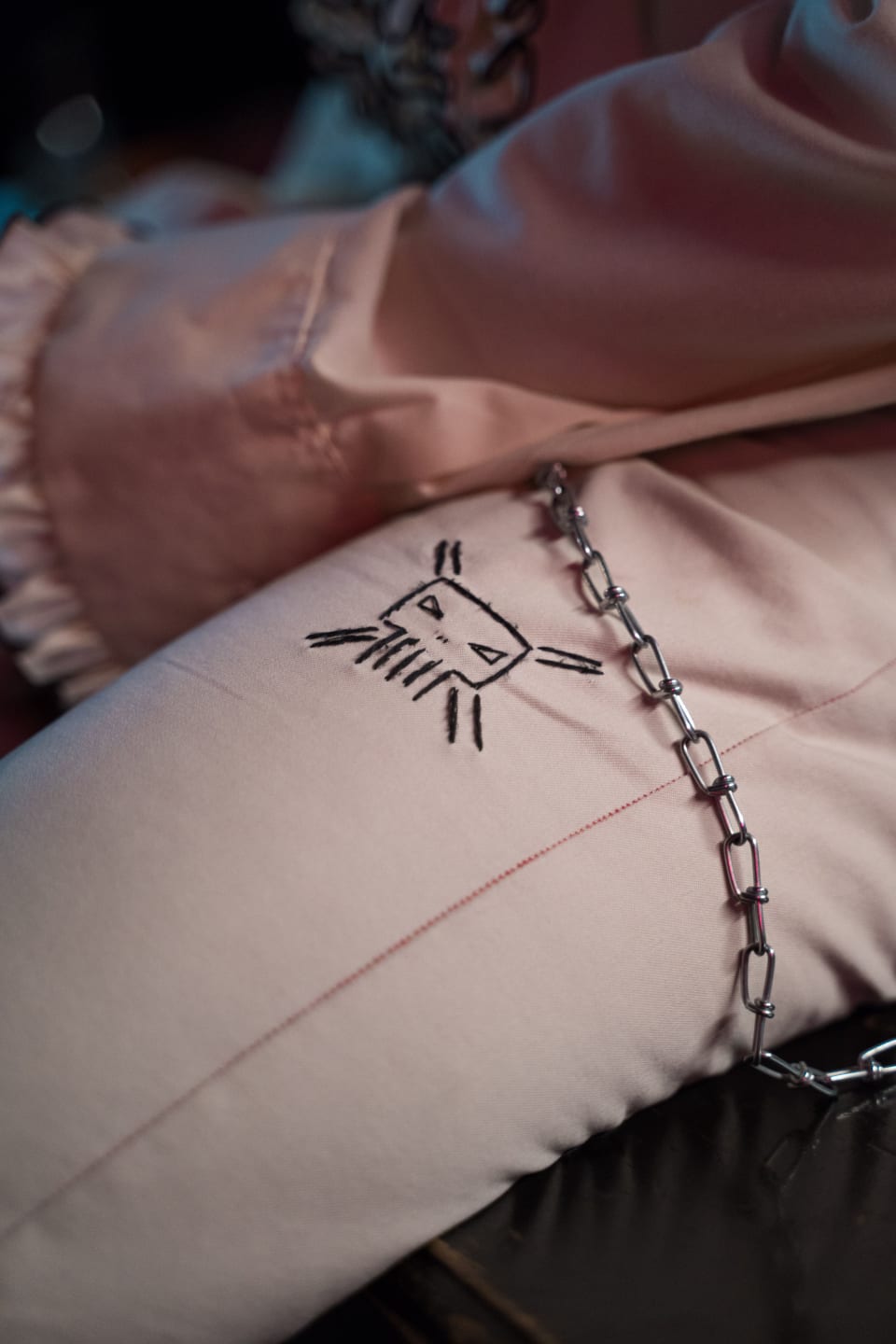
Chain
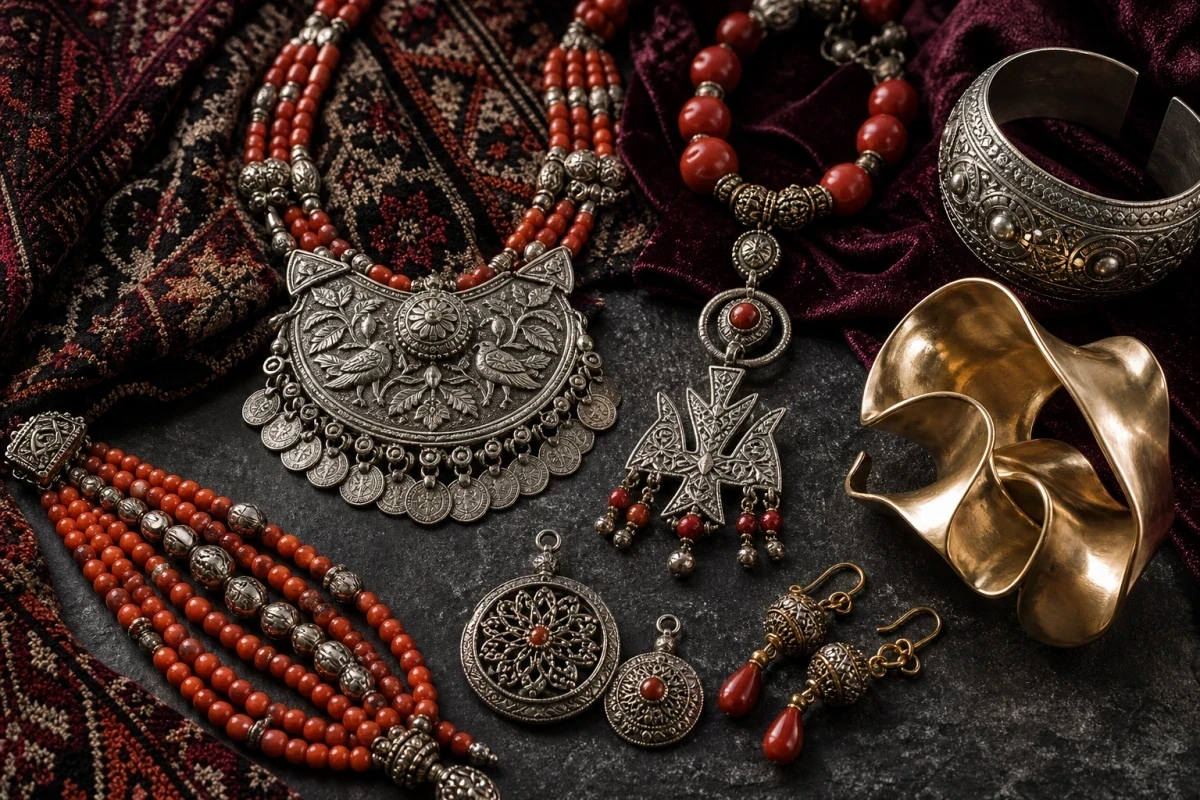
The chain is a detail of sequentially linked metal links, serving as both an ornament and a functional element. As jewellery a chain is worn on the neck, wrist or as a base for a pendant; its link pattern (cable, curb, rope, Bismarck) determines both strength and appearance. But a chain is also a detail of clothing and accessories: chain bag handles, decorative chains on jackets and belts, footwear trim. A metal chain carries a double meaning — the refined jewellery tenderness of a fine link, or conversely the rough, rebellious aesthetic of biker and punk style. It is a detail that combines strength, the shine of metal and the characteristic, 'jingling' movement of its links.
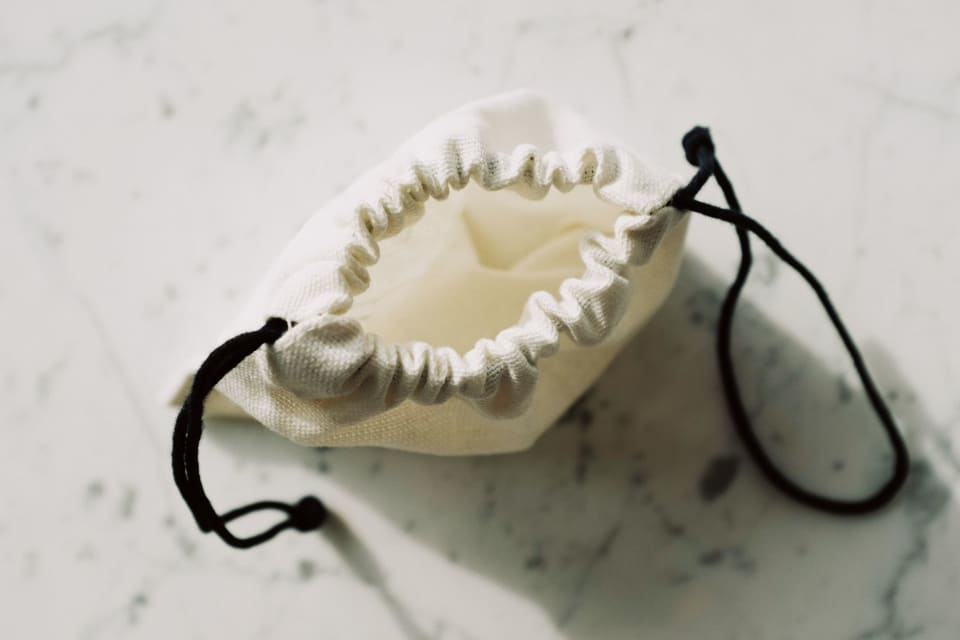
Drawstring
A drawstring is a detail in the form of a cord or ribbon threaded through a channel (a hem or tunnel of fabric), by tightening which the volume of a piece is adjusted. A drawstring allows the fit to be adjusted to the figure: at the waist, hood, bottom of a jacket, neckline, cuffs. It is both function (adjustment, protection from wind) and décor (the hanging ends of the cord, the gathers that tightening creates). Drawstrings are widely used in sports, outdoor and everyday clothing — hoodies, anoraks, joggers, parachute dresses. The ends of the cord are often finished with aglets or knots. A drawstring is a functional-decorative adjustment detail, in which a cord threaded through a tunnel allows the volume and fit of a piece to be changed, combining practical adaptation to the figure with an effortless, sporty character and soft gathers.

Eyelet
An eyelet is a metal (less often plastic) ring that frames and reinforces a hole in fabric, to thread a lace, strap or cord through it, or simply as a decorative element. An eyelet prevents the fabric from tearing around the hole and gives it a crisp, neat look. Historically eyelets came from corsets, footwear, work and marine gear (sails, awnings), and later became both a functional and a decorative fashion detail. Rows of eyelets with lacing are a characteristic mark of corset, military and punk styles. An eyelet may be small and inconspicuous or large, metal, pronounced. An eyelet is a functional-decorative ring detail, in which a reinforced hole in fabric combines a practical role (lacing, ventilation, strength) with a characteristic industrial décor, recognisable in corsets, footwear and military aesthetics.
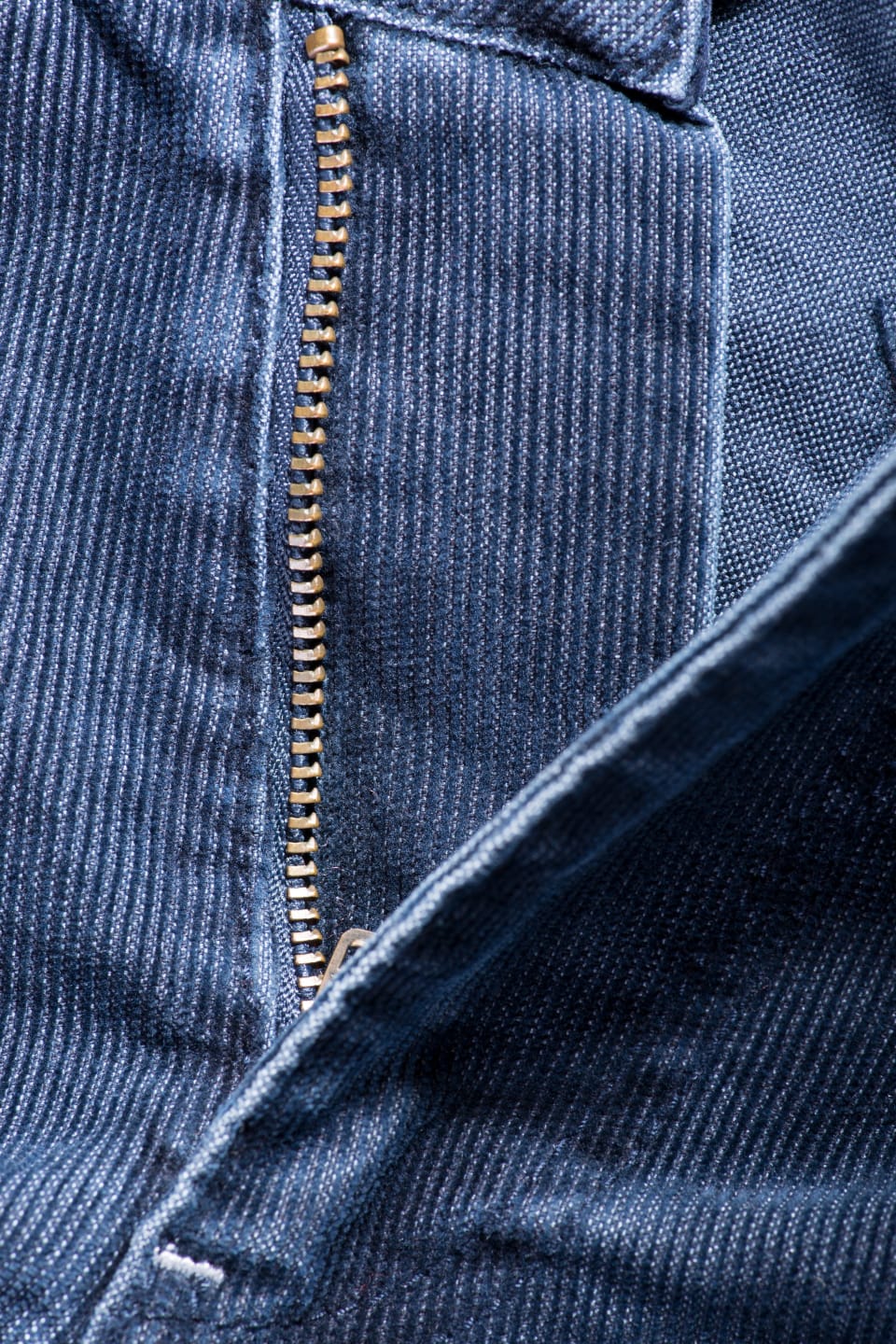
Fastener
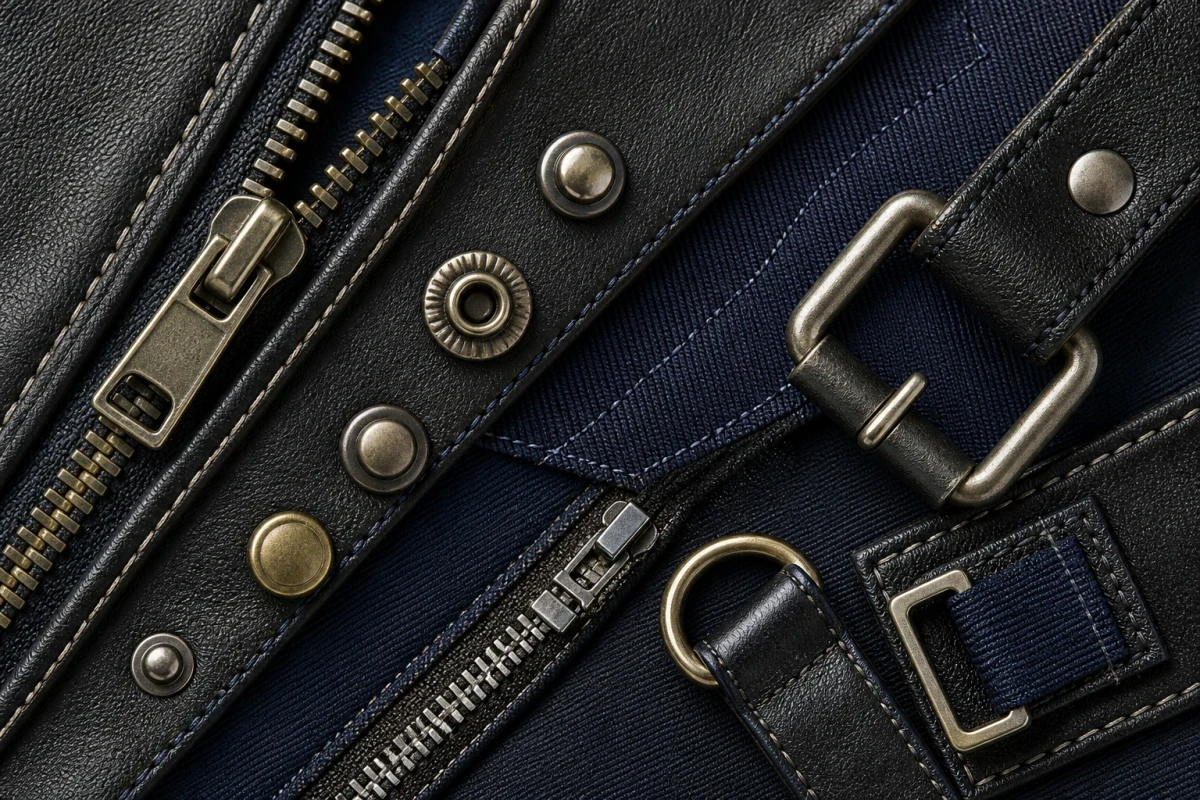
The fastener is a general name for any element that joins the edges of clothing and keeps it closed: a button, zip, hook-and-bar, snap, hook, magnet or hook-and-loop tape. The fastener is one of the most important functional details, on which the ease of dressing and the security of the fit depend. Its choice is never accidental: a concealed fastener keeps the clean silhouette of an evening dress, decorative hooks become an accent, snaps give a sporty character, and hooks and eyes discreetly hold delicate fabrics. Historically complex fastening systems (rows of tiny buttons, lacings) even required another person's help to dress. A good fastener is an invisible but decisive element of clothing quality.
Hook-and-eye
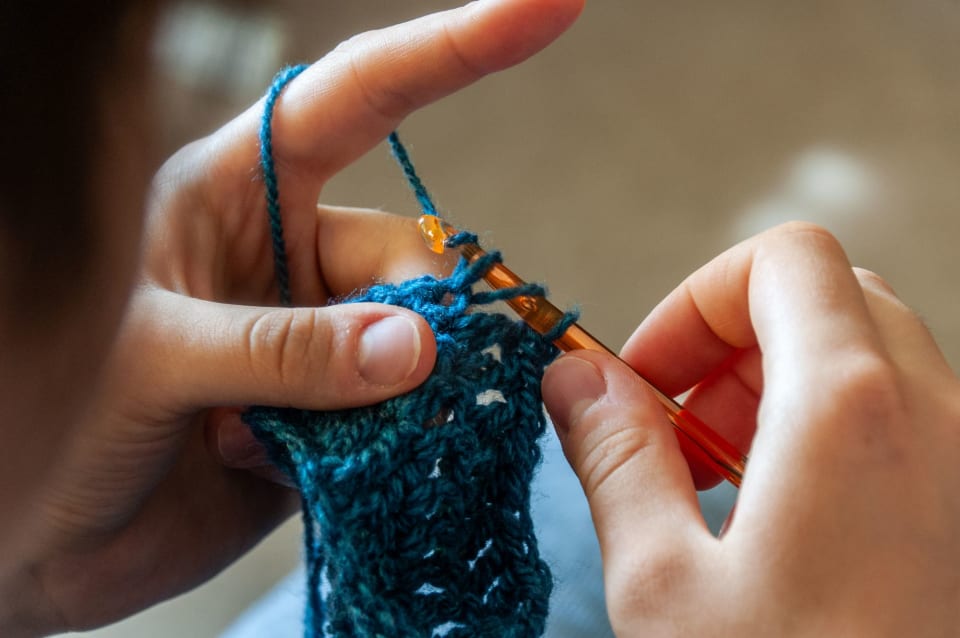
A hook-and-eye is a small fastening of two parts: a metal hook and a loop that catches on it. This inconspicuous but reliable fastening withstands tension and holds the edge evenly, so it is traditionally placed where neatness is needed without visible bulk: on the waistbands of skirts and trousers (above the zipper), on collars, at the top of dress fastenings, and in rows — on corsets and bras. The hook-and-eye is almost invisible from the face, so it does not disturb the clean line of a piece. It comes in sew-on kinds or on a special tape (for corsets). It is a classic, time-tested solution. A hook-and-eye is a small, reliable fastening detail, in which a metal hook and loop ensure a neat, almost invisible joining of edges that withstands tension and preserves a clean line, being a classic solution for waistbands, corsets and collars.
Lacing
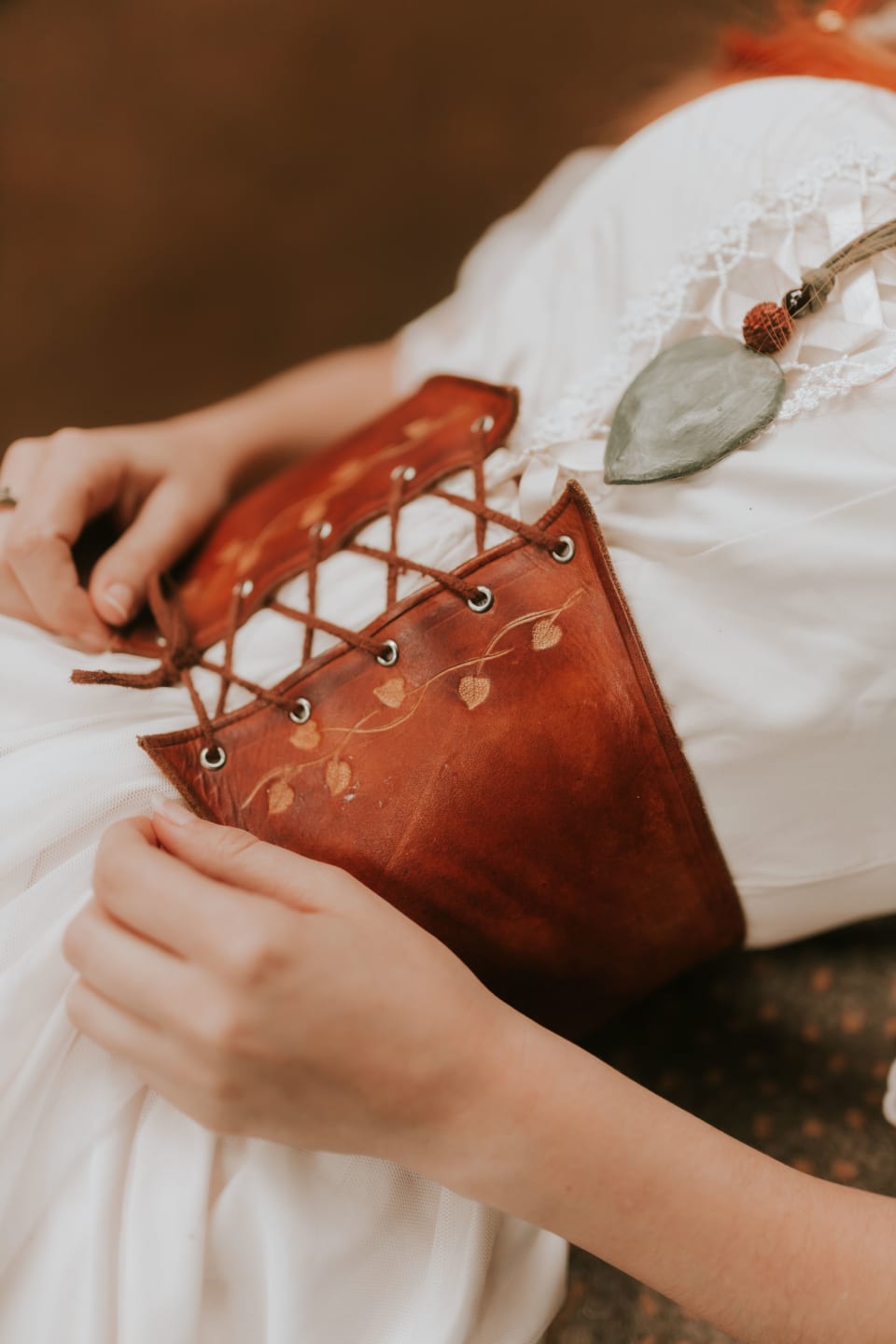
Lacing is a method of fastening and at the same time a decorative device in which the edges of a piece are drawn together with a cord threaded crosswise through a row of holes (eyelets) or loops. Lacing not only joins but also allows the fit and volume to be adjusted — the shape of historical corsets, for example, depended on it. Beyond function, lacing became an expressive style element: it adds sensuality to a look (lacing on the back or sides of a dress), a sporty character or a rough, craft feel. In folk dress lacing was also used in bodices and waistcoats. It is a detail that combines practicality with frank decorativeness, drawing attention to the open, cord-drawn zone.
Snap
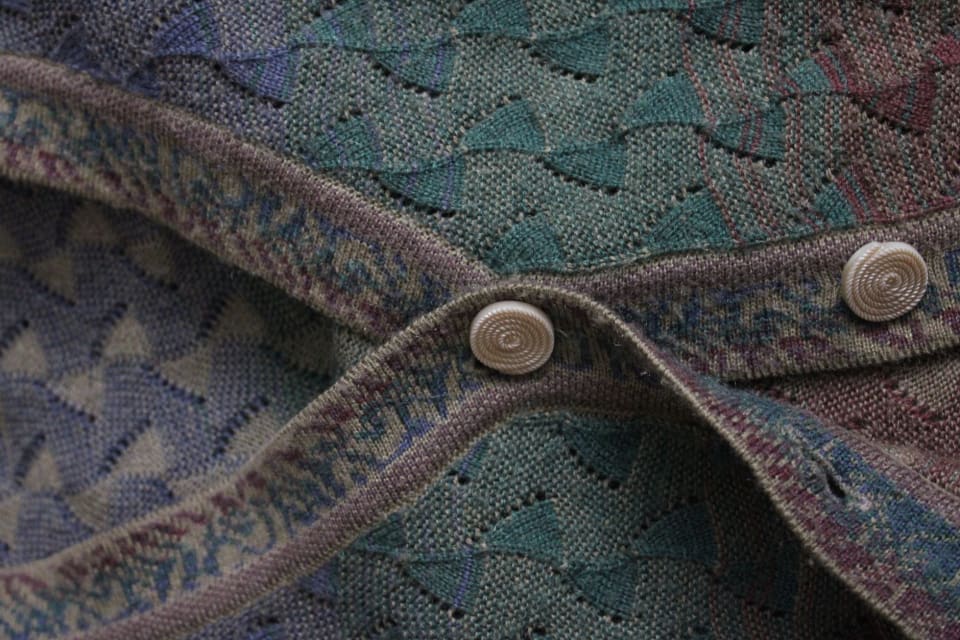
A snap is a fastening of two parts (a stud and a socket) that join with a characteristic click when pressed. A snap fastens quickly and easily with one movement, without the need to thread a button through a buttonhole, so it is often used where speed and convenience matter: on children's clothing, sports and workwear, jackets, western-style shirts (where pearl snaps became a characteristic mark). Snaps come in sew-on and hammer-in (riveted) kinds, metal and plastic, hidden or decoratively pronounced. They combine function with a slightly sporty, practical character. A snap is a functional fastening detail, in which two parts joined by pressing ensure quick and convenient fastening, combining practicality with a recognisable sporty, workwear or western character depending on the execution.
Ties/Laces
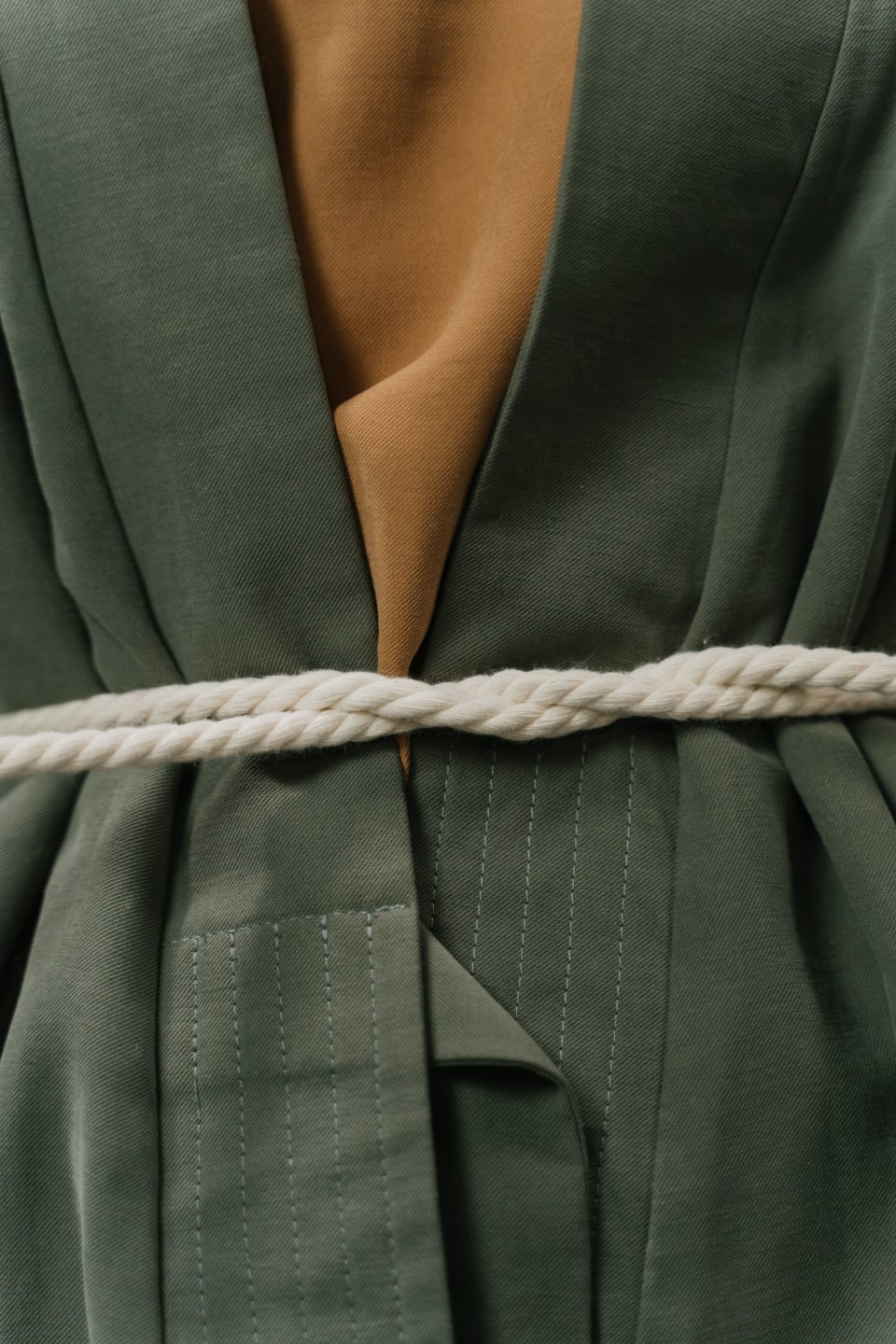
Ties (ties/laces) are ribbons, cords or strips of fabric with which a piece is tied, securing it on the body and at the same time creating a decorative accent. Unlike a button or zip, ties give a soft, adjustable fastening and themselves become part of the look — a bow at the waist, the ends of a blouse tied at the neck, the laces of a wrap dress. In the Ukrainian folk shirt it was the ties (ribbons at the collar) that traditionally fastened the garment and were a visible detail. Ties add ease, romance or an ethnic character to a look. It is a detail in which function is inseparably joined with decoration: the method of fastening also becomes an ornament that gently 'comes alive' in movement.
Toggle
A toggle is an elongated button in the shape of a bar (traditionally wood or horn), fastened by threading it through a loop of cord or fabric. The best-known use of the toggle is the duffle coat, where a row of such fastenings became the signature of the style. A toggle is convenient in that it is easy to fasten even in mittens, so historically it comes from marine and military clothing meant for cold and awkward conditions. Besides function, a toggle is an expressive decorative detail with a 'marine', slightly retro and sporty character. It is made of wood, horn, plastic or metal. A toggle is a functional-decorative fastening detail, in which an elongated bar-button with a loop combines practical convenience (easy to fasten) with a characteristic 'marine', retro charm forever tied to the classic duffle coat.
Other Fashion Dimensions