


The Finishing Touch10 accessories
Accessories
Bags, belts, eyewear, headwear — the nuances that complete a look.
Ascot
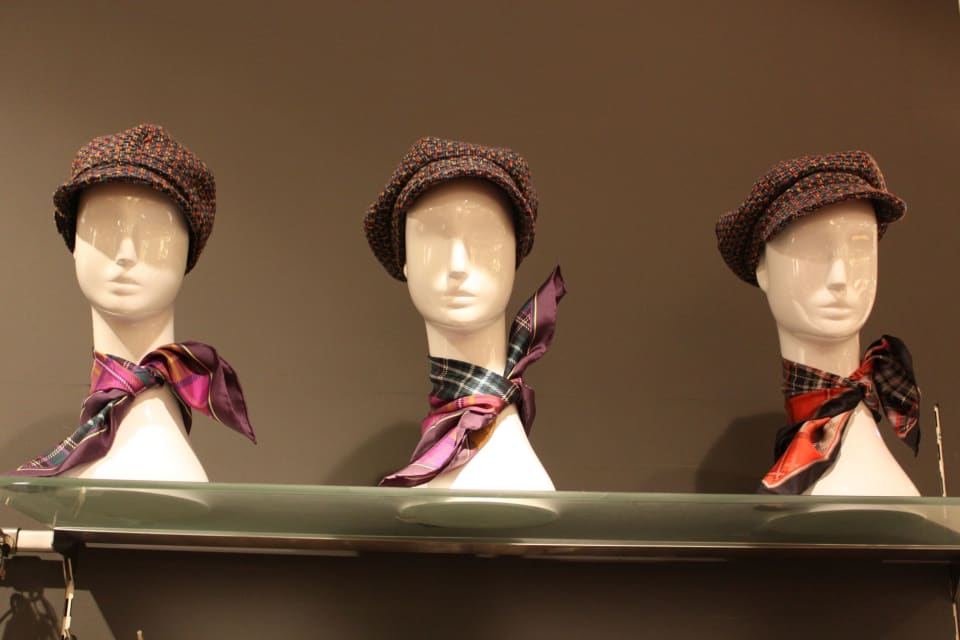
An ascot is a wide neck scarf-tie knotted under the shirt collar with a soft knot, leaving wide ends that lie one over the other on the chest and are often secured with a pin. Named after the royal races at Ascot, this accessory is a symbol of refined, aristocratic daytime formal dress, intermediate between a tie and a scarf. The ascot adds elegant nonchalance and the retro charm of the British gentleman to a look. In a more everyday version it is worn under an open shirt collar with the ends tucked in. An ascot is a wide neck scarf-tie with a soft knot, in which the aristocratic roots of the British races combine with elegant nonchalance and retro charm, making it a refined symbol of daytime formal and dandy style.
Bandana
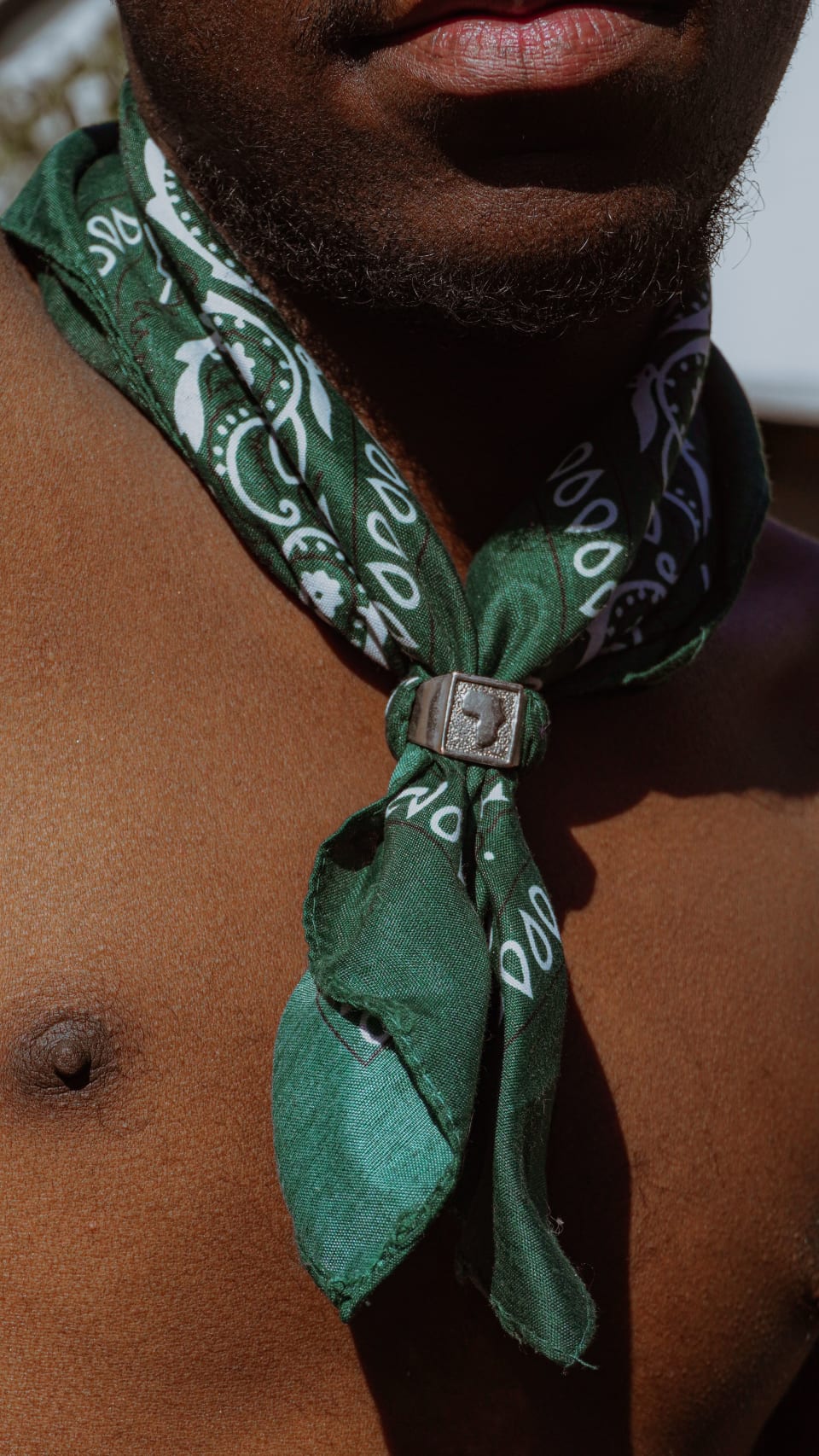
A bandana is a square kerchief, usually with a characteristic paisley pattern, tied on the head, neck, wrist or bag handle. Historically the bandana was a practical detail of work and cowboy dress: it wiped sweat, protected the face from dust, was tied around the neck. Later it became a cult symbol of many subcultures — from bikers and rappers to the rock scene — as well as a mark of belonging and rebellious spirit. Today the bandana is a flexible, effortless accessory: tied on the head it adds a street or retro mood, at the neck a playful accent, on a bag a careless chic. It echoes the Ukrainian tradition of tying a kerchief but sounds youthful and bold. The bandana is a small detail with a big character that instantly enlivens a look.
Bow tie
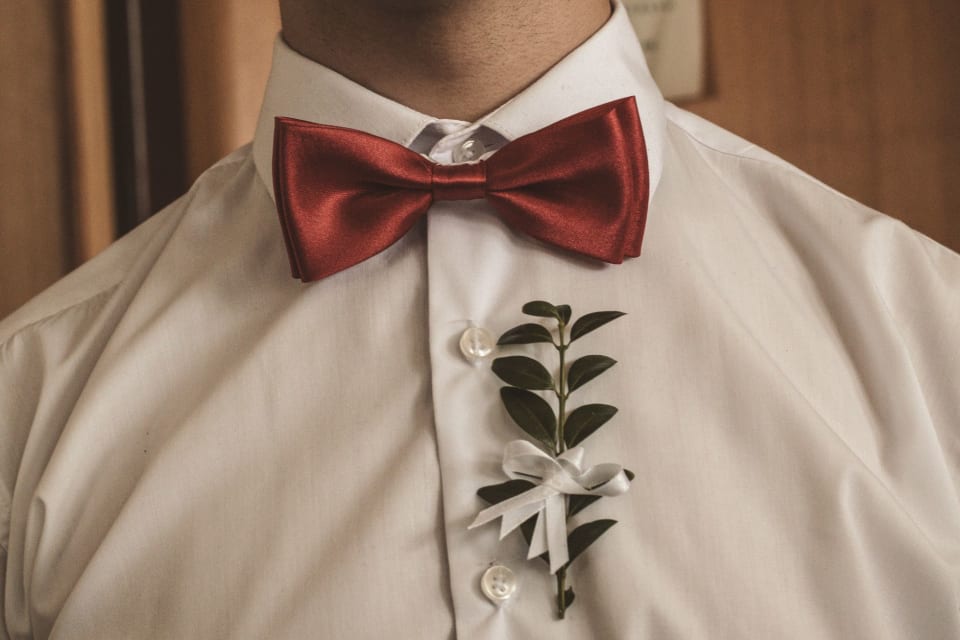
A bow tie is a neck accessory in the form of a short ribbon of fabric tied in a symmetrical bow around the shirt collar. It is the main alternative to the necktie and an inseparable element of the most formal men's dress — the tuxedo and tailcoat, where a classic black bow tie is obligatory. Beyond a strict dress code, the bow tie adds a festive, slightly eccentric and retro charm to a look, so it is loved in wedding, evening and dandy styles. A true bow tie is tied by hand, though ready-made clip-on models also exist. It comes in any colour and pattern. A bow tie is a neck accessory in the form of a symmetrical bow around the collar, in which the main alternative to the necktie combines an obligatory role in the most formal dress (tuxedo, tailcoat) with a festive, slightly eccentric and dandy charm.
Choker
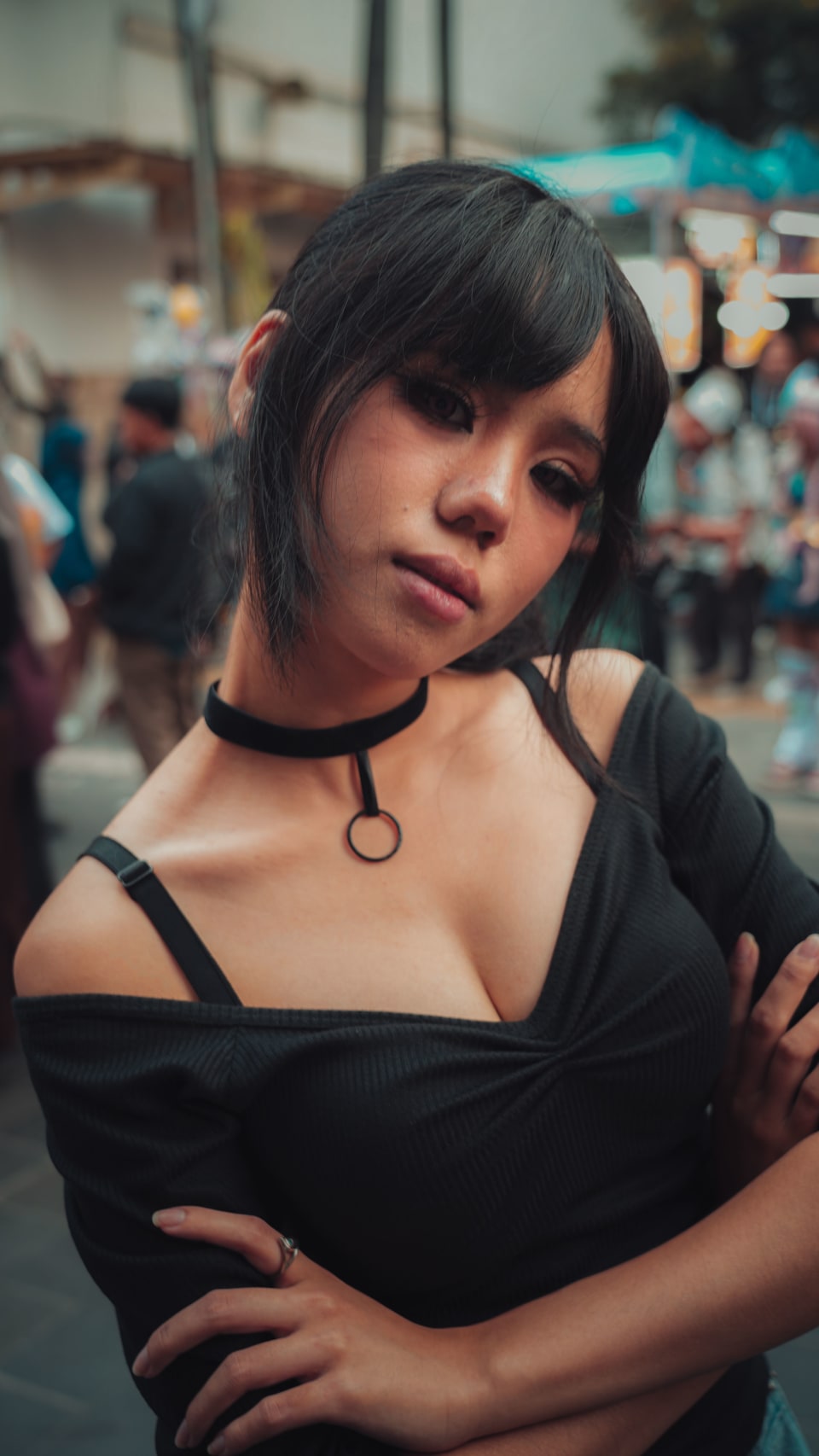
A choker is a short necklace that fits snugly to the neck (from the English 'choke' — to constrict). It is one of the oldest yet most trend-driven kinds of neck ornament: chokers were worn in ancient civilisations, were popular in the Victorian era, saw a vivid revival in the 1990s and remain current today. A choker draws attention to the line of the neck and collarbones, adding a touch of boldness, sensuality or romance to a look — depending on the material. A velvet ribbon sounds vintage and tender, a metal or leather choker modern and daring, a thin chain refined. It works well with bare shoulders and a deep neckline. A choker is an expressive, characterful accessory that instantly sets accents and gives a look individuality. A small ornament with a great power to change the mood.
Namysto
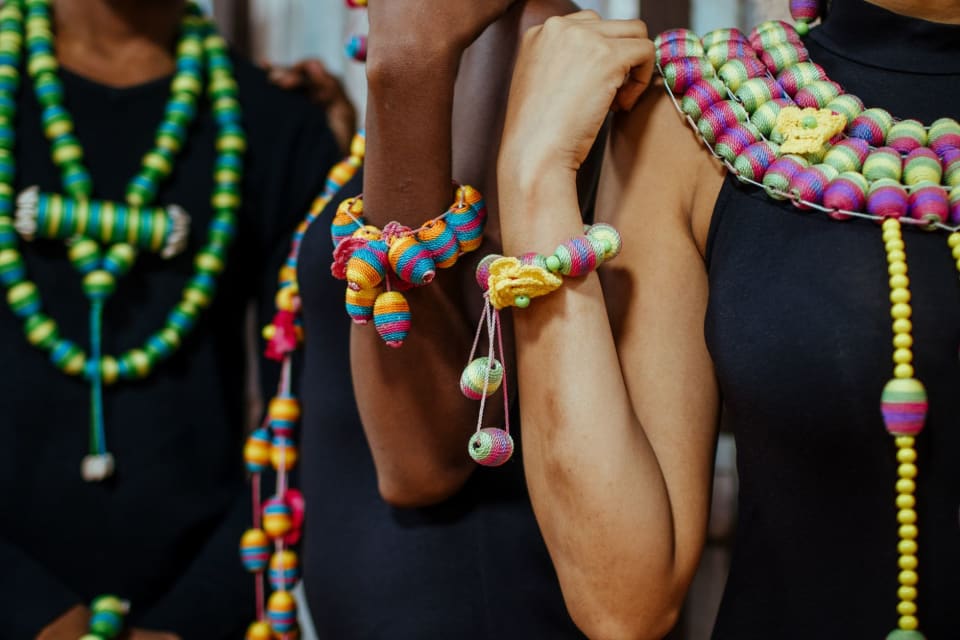
Namysto is a traditional Ukrainian neck ornament of strung elements (corals, glass beads, dukach coins), one of the oldest and most deeply rooted adornments in our culture. Namysto was not merely an ornament but a mark of status, prosperity and a talisman: the more strands and the costlier the corals, the wealthier the mistress. Red corals, amber and dukach coins with little crosses accompanied a girl from birth to marriage, and were passed down as an inheritance. Wearing namysto had its own symbolism and ritual weight in folk dress. Today namysto is undergoing a powerful revival: modern makers combine authentic tradition with new design, and strands of coral have become a recognisable symbol of Ukrainian identity in the world. It is an ornament in which personal beauty, ancestral memory and a national code are woven into a single strand.
Pocket square
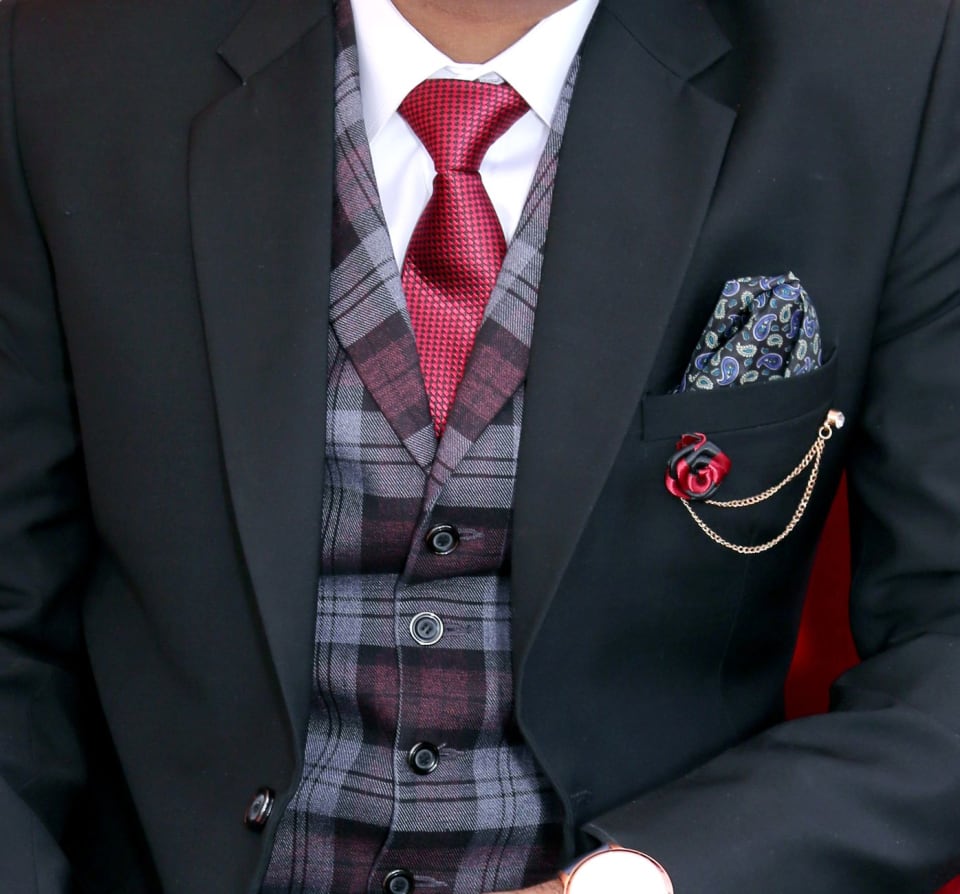
A pocket square is a small square piece of fabric (silk, cotton or linen) placed in the breast pocket of a jacket as a decorative accent. It is a refined detail of the classic men's wardrobe that adds completeness, individuality and a note of elegant light-heartedness to a look. Unlike a tie, a pocket square is not obligatory, so it is a mark of true attention to style. It is folded in various ways (from a strict straight fold to a lavish 'puff'), and its colour and pattern may echo other details of a look but need not exactly match the tie. A pocket square is a refined decorative detail in the breast pocket of a jacket, in which a small accent of fabric adds completeness, individuality and elegant ease to a men's look, being a subtle mark of true attention to style.
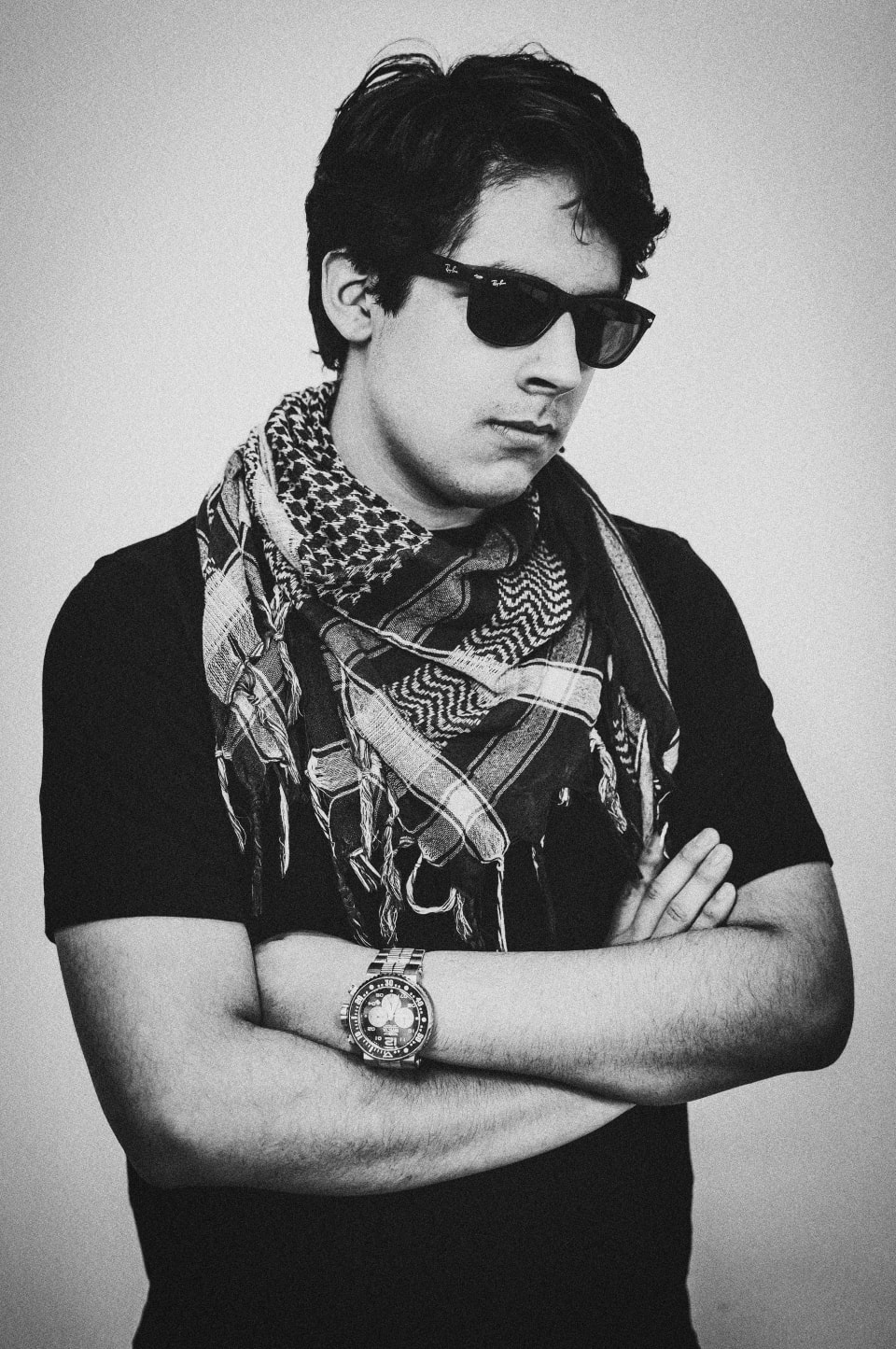
Scarf
A scarf (kerchief) is a square or rectangular piece of cloth tied on the head, neck or shoulders. In Ukrainian culture the headscarf (hustka) has a special, deep meaning: it is not merely an accessory but a symbol of femininity, a talisman and a mark of family status — the ways of tying it differed for girls and married women, and floral, 'painted' kerchiefs became a recognisable part of national dress. In world fashion the scarf is inexhaustible too: a silk square at the neck adds French chic, tied on the head a retro or resort mood, on a bag handle a playful accent. A scarf is one of the most flexible accessories: small and light, yet able to change a look entirely. It combines practicality, decorativeness and cultural depth, remaining a warm bridge between tradition and modern fashion.
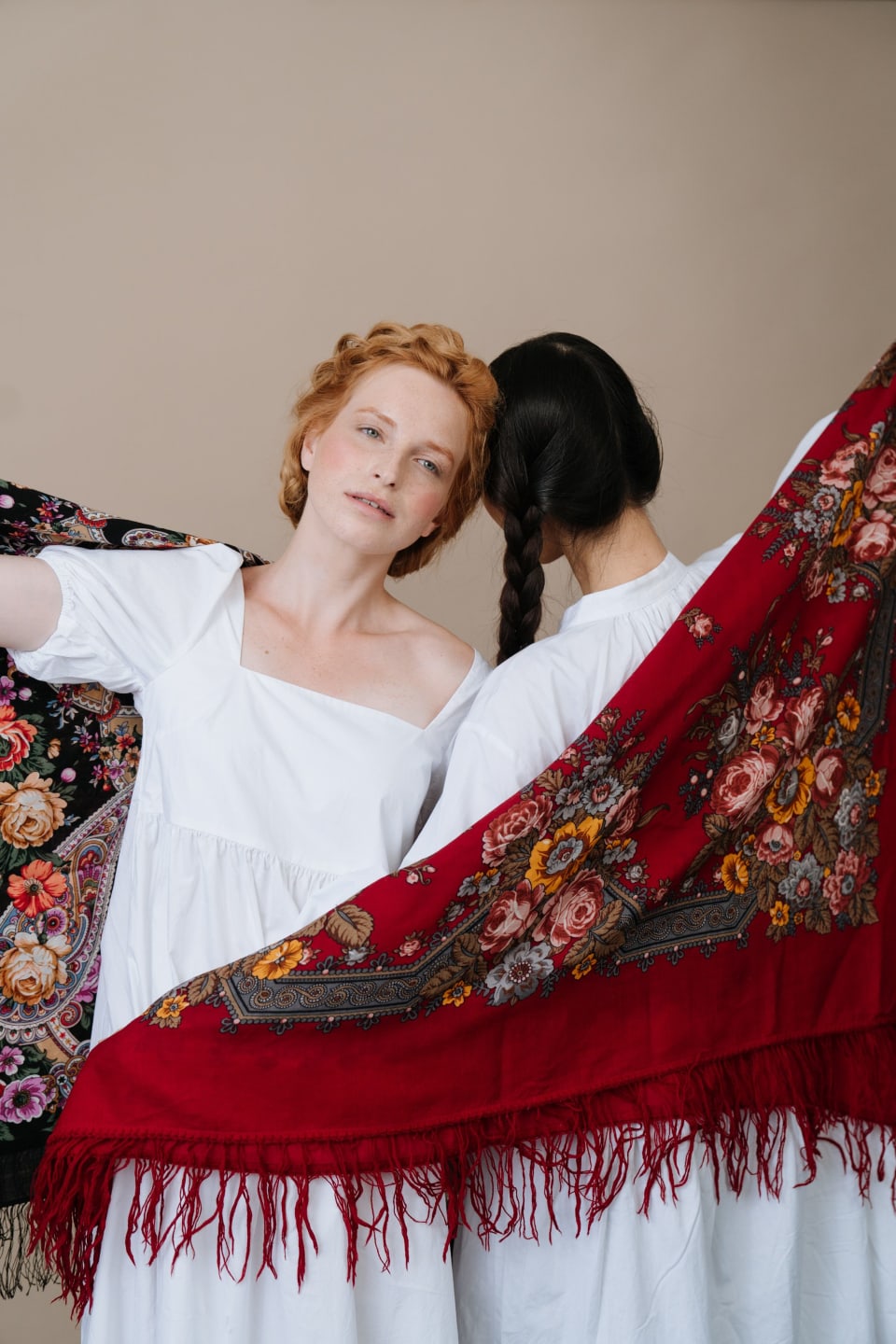
Shawl
A shawl is a large warm wrap for the shoulders, usually triangular or rectangular, bigger and more enveloping than a kerchief. Its chief appeal is a combination of warmth, comfort and a soft, enveloping elegance: a shawl can be thrown over the shoulders atop a dress or coat, wound around the neck in a large volume or draped as a stole. In Ukrainian tradition warm woollen shawls and fringed woollen wraps were both a practical protection from the cold and an elegant part of festive dress. Openwork knitted shawls are an art of their own, in which the fineness of the pattern and the mastery are prized. A shawl adds softness, nobility and cosiness to a look, able to make even a simple silhouette dramatic and complete. It is an accessory in which warmth meets refinement.
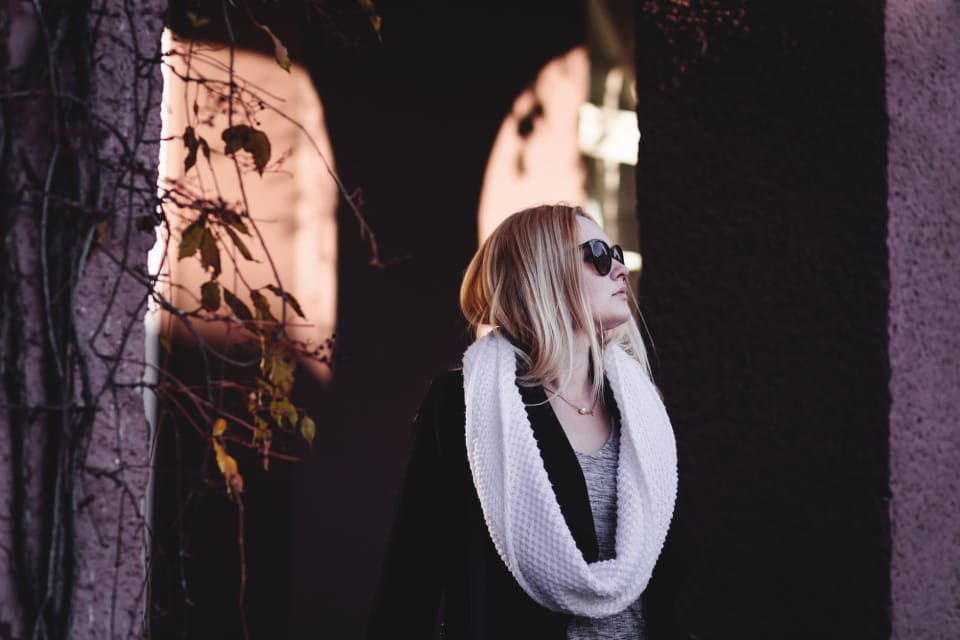
Snood
A snood is an infinity scarf sewn into a solid closed loop (or a very wide scarf whose ends are joined), simply pulled over the head, wrapping the neck in one or several loops. Unlike an ordinary scarf, a snood needs no tying and does not come undone, so it is comfortable and warms reliably. A voluminous knitted snood adds cosiness and softness to a look, and its large loops can be thrown over the head as a hood too. Snoods are knitted of wool, cashmere or acrylic, often in a large textured knit. It is a popular, practical winter accessory. A snood is an infinity scarf in the form of a closed loop, in which convenience (no need to tie) and reliable warmth combine with a voluminous, cosy character that made it a popular and practical winter accessory of a soft, enveloping style.
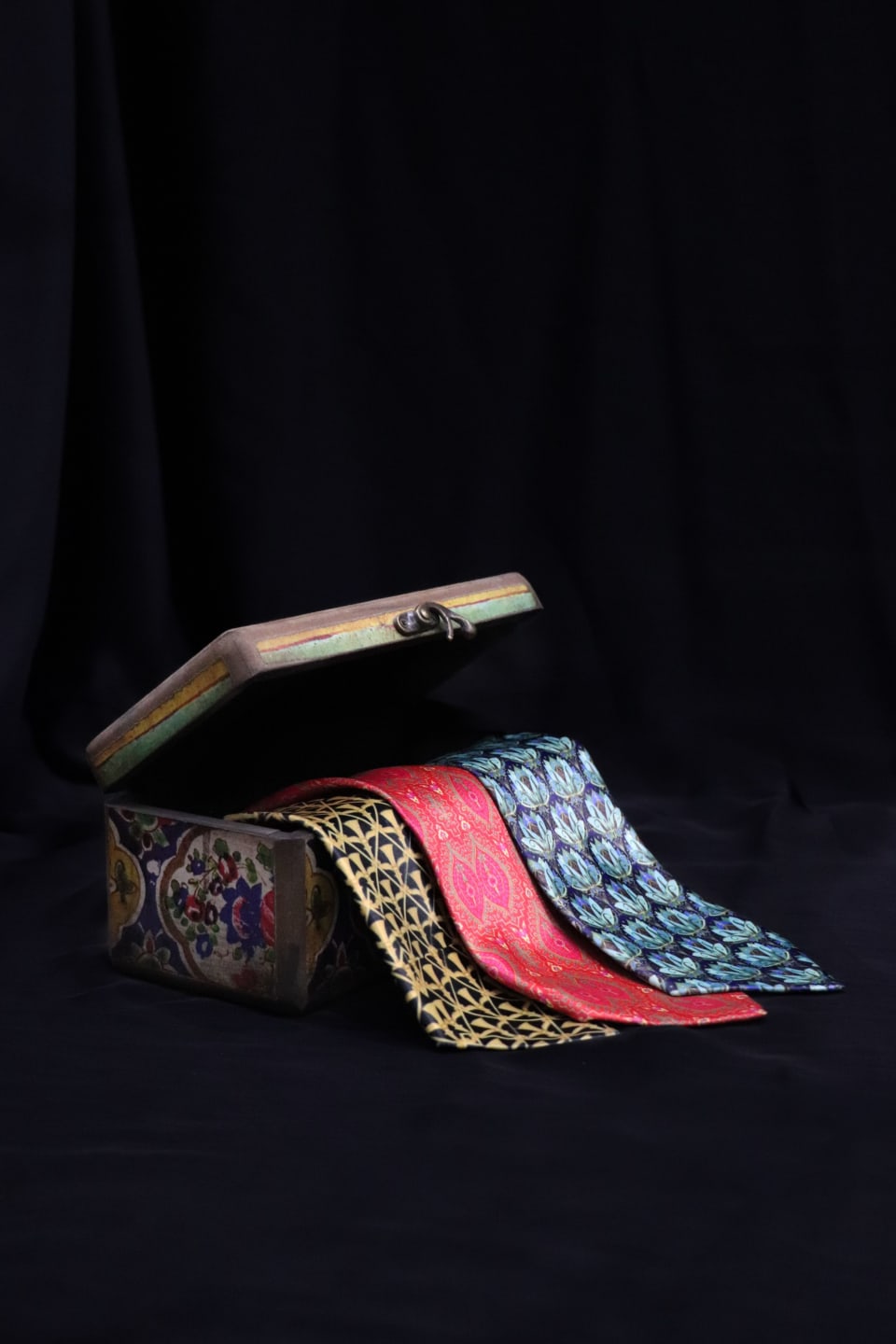
Tie
A tie is a strip of fabric knotted around a shirt collar and hanging down — the central accessory of the classic men's (and today women's) suit. Despite its almost purely decorative function, the tie has for centuries remained the main mark of business etiquette and occasion: it sets the tone of the whole look, and its colour, pattern and knot say a great deal about the wearer's taste and mood. Historically the tie descends from the neckcloths of 17th-century Croatian cavalrymen (hence the French cravate). The knot is an art of its own: from the classic four-in-hand to the symmetrical Windsor. The width and pattern of a tie reflect the era and style. A well-chosen tie is the finishing touch that turns a mere suit into a complete, considered look. It is a symbol of formality, status and attention to detail.
Other Fashion Dimensions
Continue Exploring
Related sections




