



ROCOCO
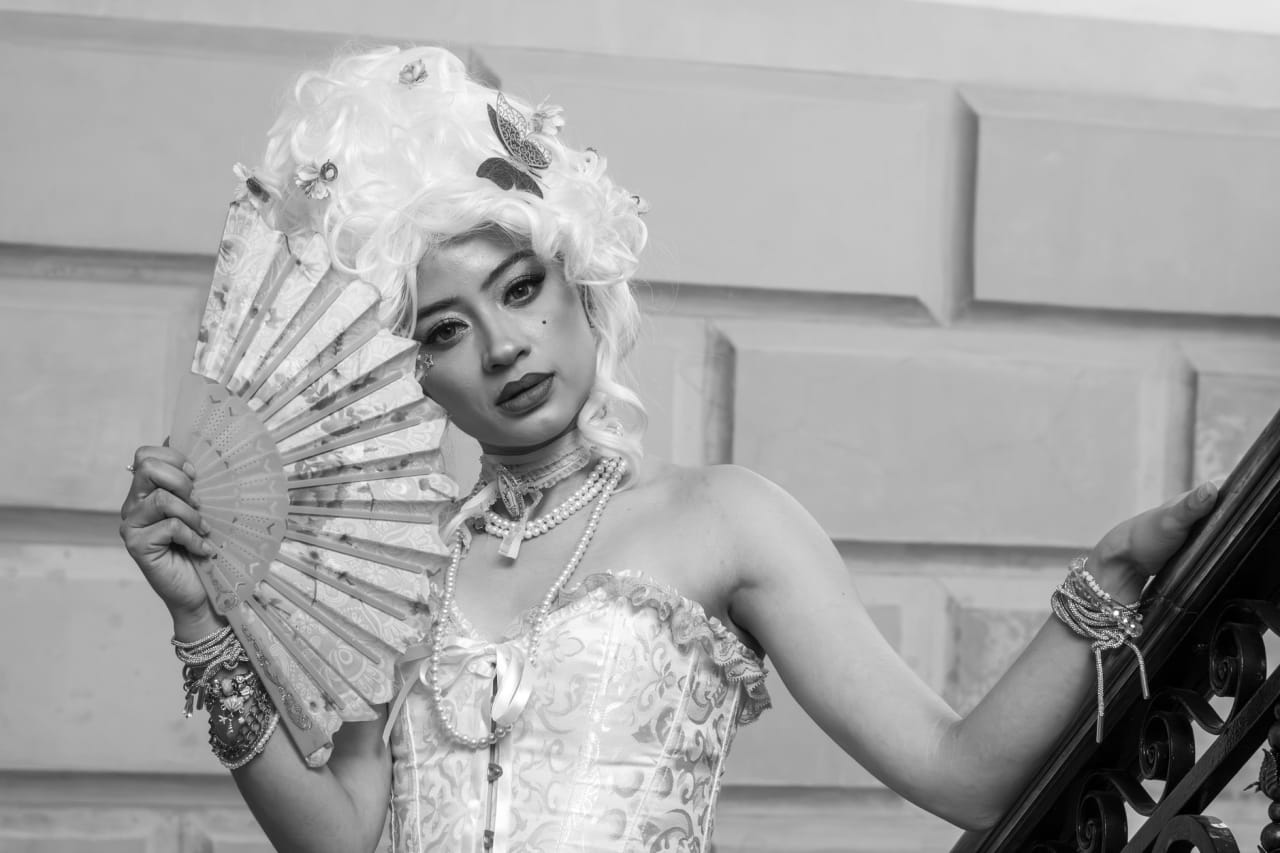
Rococo is a refined, light and playful style that developed from baroque in 18th-century France but replaced its heavy grandeur with coquettish tenderness. In fashion, rococo is a pastel palette (powder pink, blue, mint), a multitude of ruffles, bows, lace, floral motifs, full skirts on panniers and powdered hairstyles. Madame de Pompadour, with her cult of beauty, pleasure and delicate luxury, became the emblem of the era. Rococo celebrates playfulness, flirtation and an almost doll-like refinement. In modern fashion its aesthetic is quoted in romantic, 'princess' collections, bridalwear and anything that seeks to add tender, sweet, slightly theatrical femininity. Rococo is a style of pleasure, lightness and refined, coquettish beauty, as if stepped from the canvases of Watteau and Fragonard.
Compare “Rococo” with another term
Meaning, origins and distinction — side by side.
Distinction
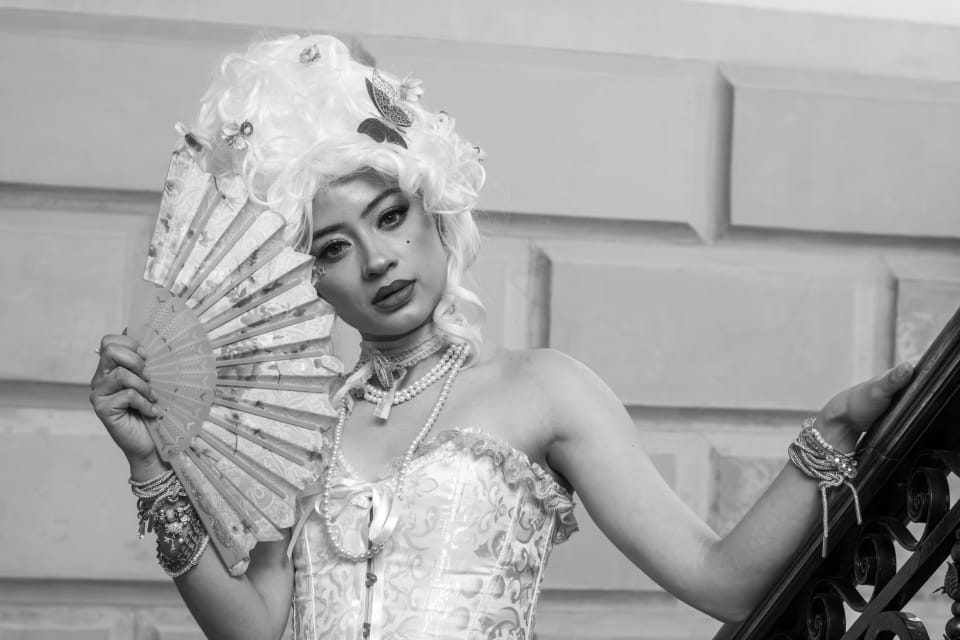
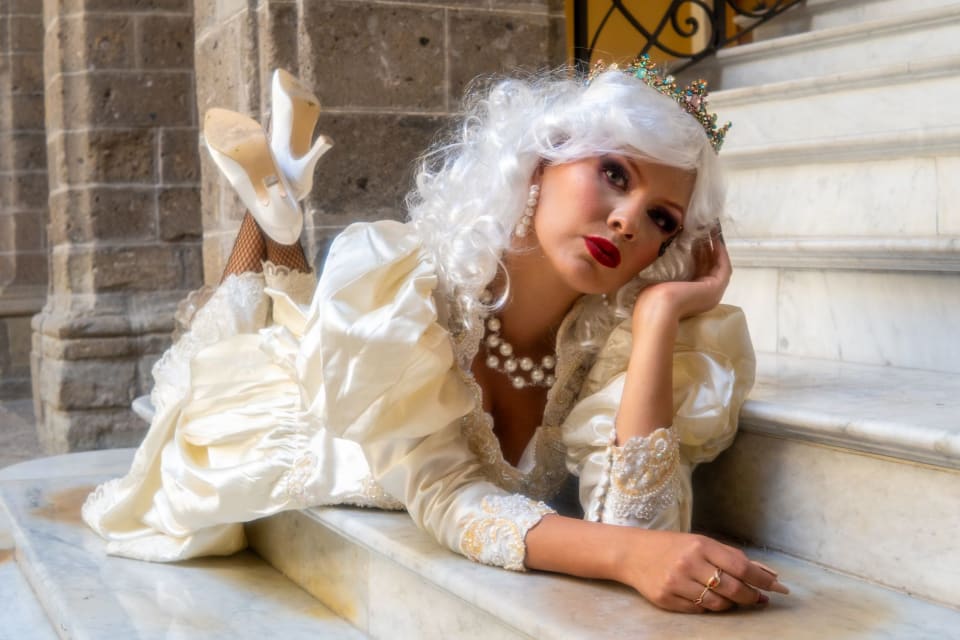
Two historical decorative styles, where Rococo grew out of Baroque but softened it. Seventeenth-century Baroque is drama, heavy opulence, deep colours, gold, massive forms and theatricality. Eighteenth-century Rococo is lighter and more playful: pastel tones, delicate scrolls, floral motifs, asymmetry and intimate refinement. Baroque overwhelms with monumentality; Rococo seduces with delicacy.




