



DIGITAL PRINTING
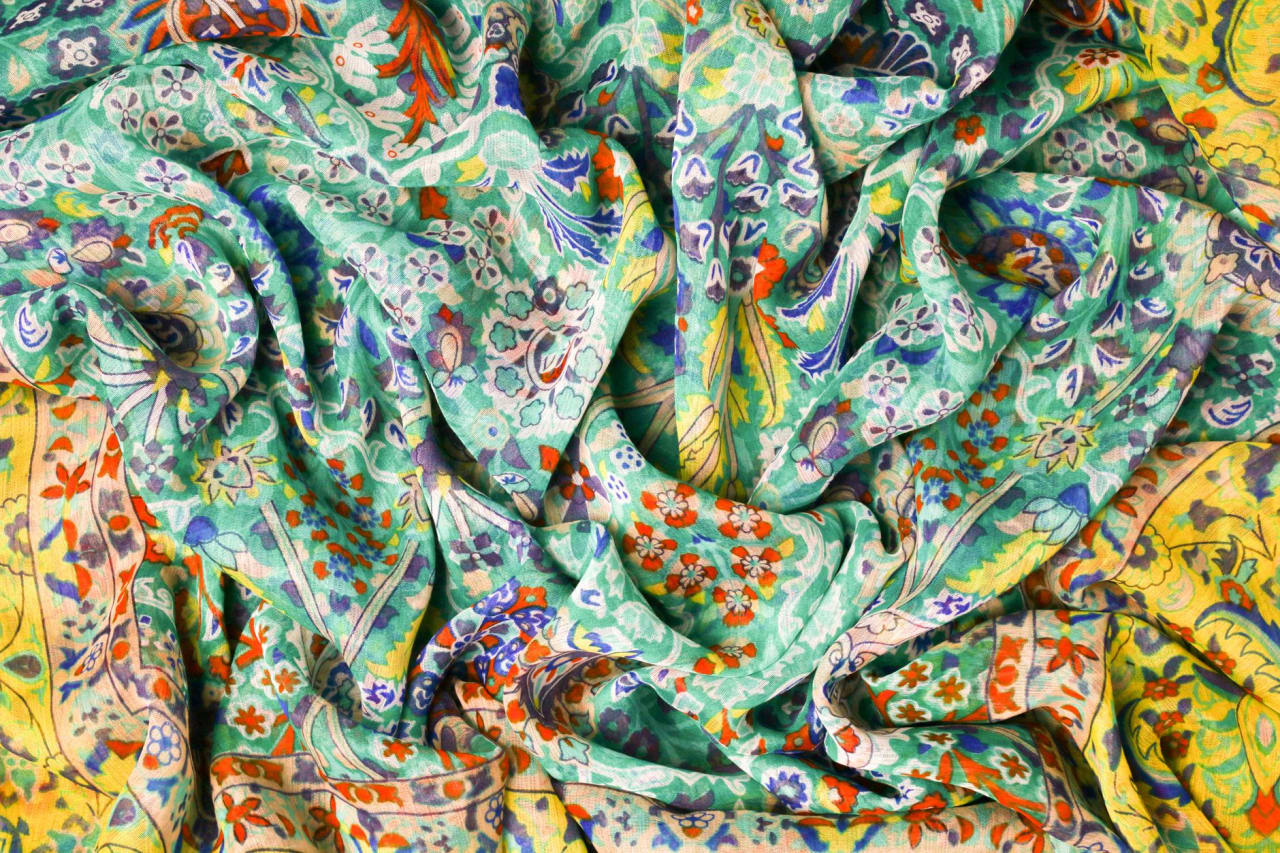
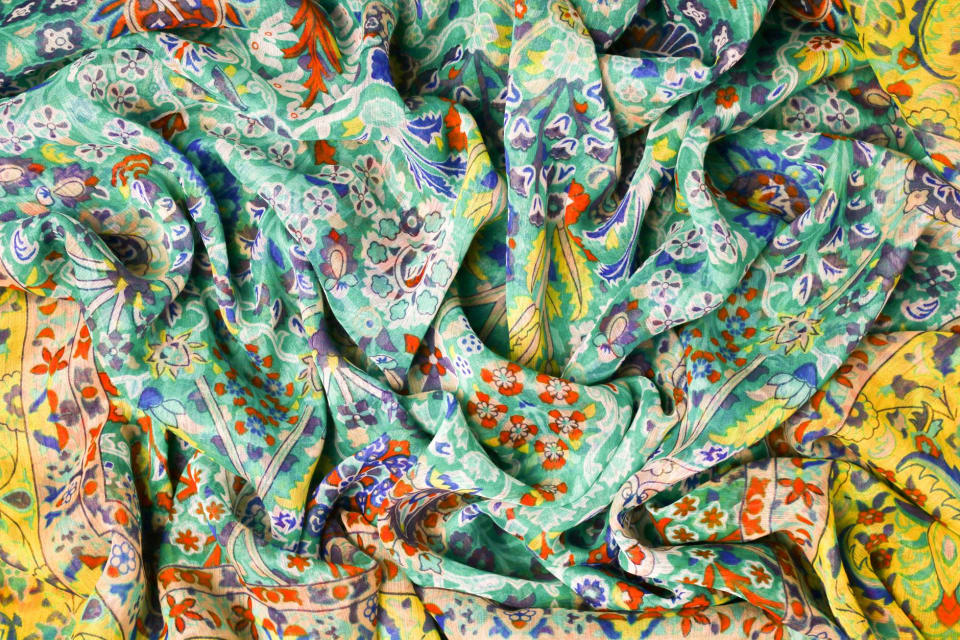
Digital printing is a modern technique of applying an image to fabric directly from a digital file using special inkjet printers that spray ink straight onto the cloth. Unlike stencil-based screen printing, digital printing needs no separate stencils for each colour, so it allows photographically complex, multicoloured images with fine gradients and countless shades to be reproduced without limit. It is ideal for small runs, individual orders and complex prints, giving high detail and speed. At the same time, large runs of simple images are cheaper to print by screen printing. Digital printing opened up almost boundless freedom for designers in creating prints. Digital printing is a technique of modern, high-precision image application, in which direct printing from a file onto fabric combines photographic detail, unlimited colour and flexibility, opening new possibilities for print design.
Compare “Digital printing” with another term
Meaning, origins and distinction — side by side.
Distinction
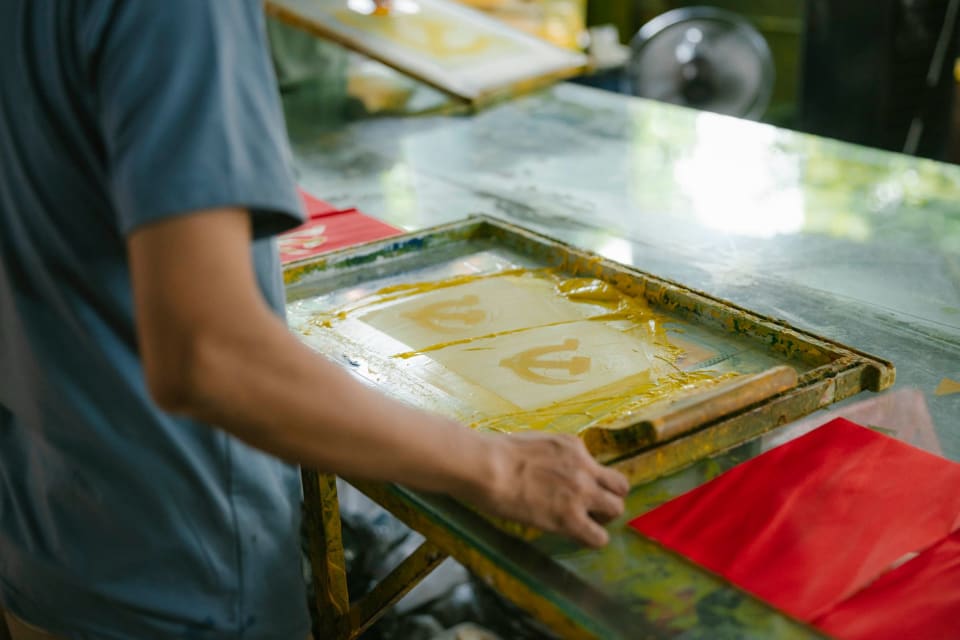
Two technologies for putting an image onto fabric. Screen printing forces ink through a stencil mesh, one screen per colour: the result is saturated, dense and durable, but the method needs prepared stencils and pays off on large runs. Digital printing jets the image straight from a file, with no stencils: it allows photographic detail and an unlimited palette, ideal for complex artwork and small batches.




