



WHITE GOLD
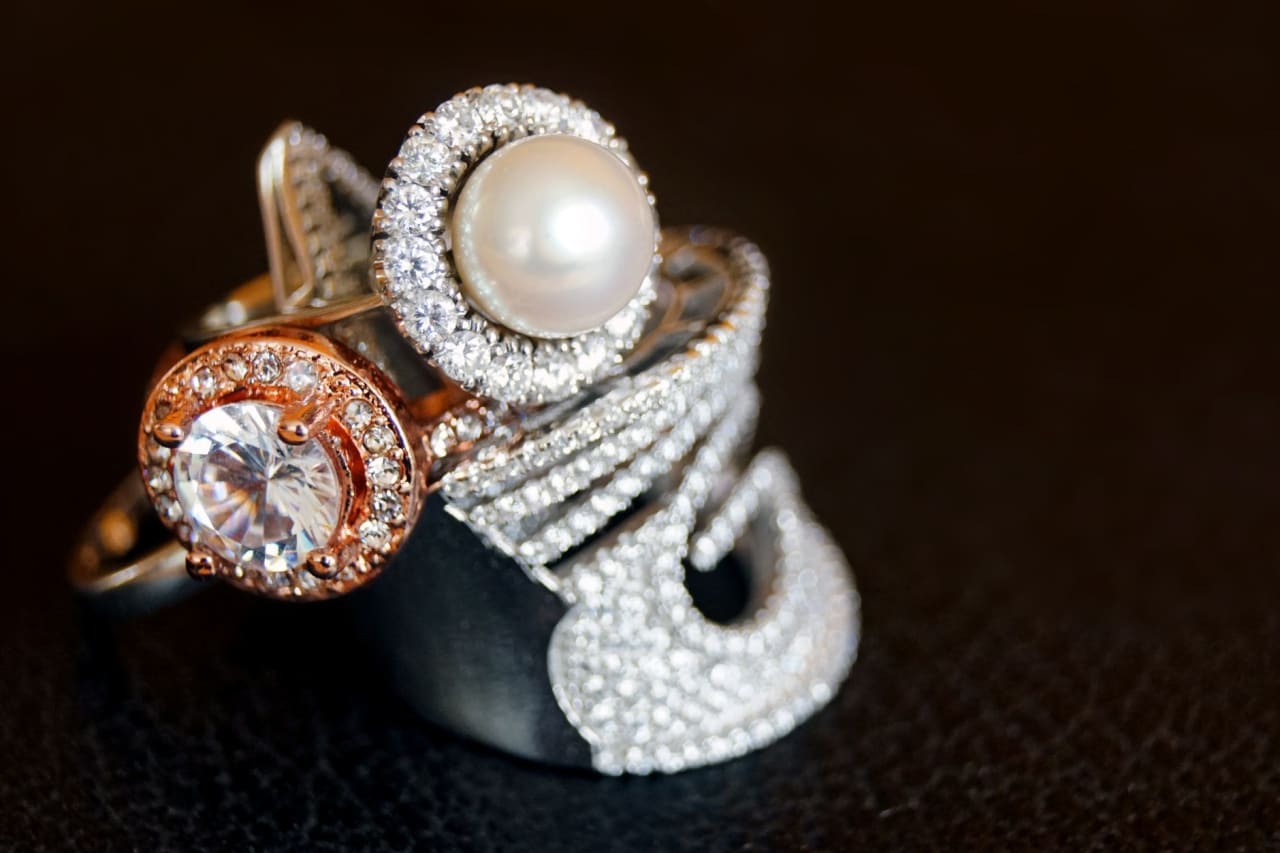
White gold is an alloy of gold with white metals (palladium, nickel or silver) that give it a silvery-white colour, often additionally plated with rhodium for a bright shine and hardness. White gold combines the value and nobility of gold with a cool, modern silvery look resembling platinum but more affordable. It became especially popular in the 20th century, particularly in the Art Deco era, and today is a classic choice for engagement rings, since its cool shine perfectly emphasises the sparkle of diamonds. The hallmark states the content of pure gold, and the admixtures the colour and hardness. White gold is a noble alloy of cool silvery-white colour, in which gold combines with white metals, giving jewellery a modern, elegant platinum-type shine at a more affordable price, ideal as a setting for diamonds.
Compare “White gold” with another term
Meaning, origins and distinction — side by side.
Distinction
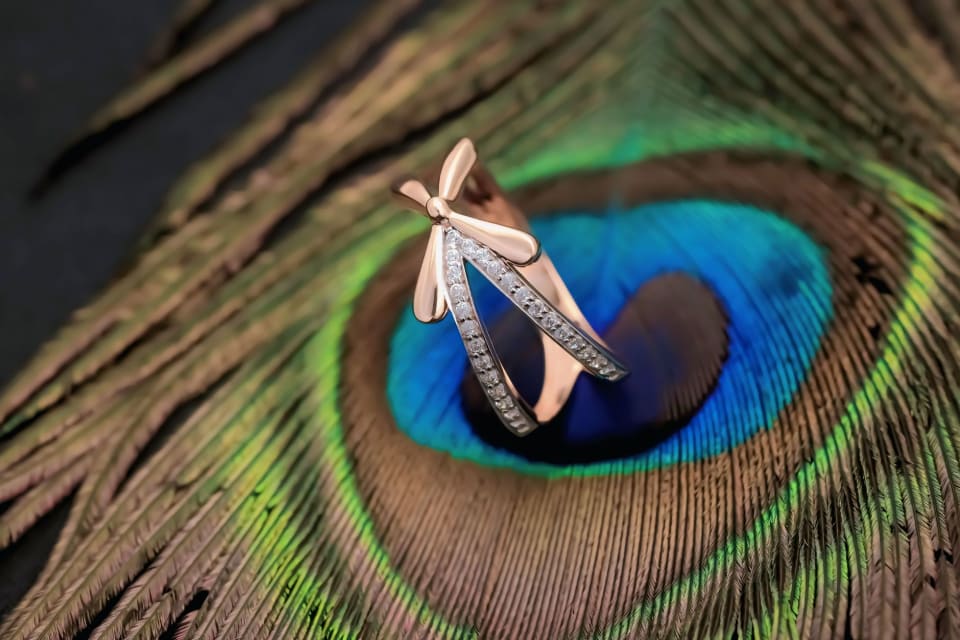
Both are gold alloys, since pure gold is too soft for jewellery; the difference lies in the metals mixed into yellow gold. Rose gold is made by adding copper, which lends a warm pinkish-red hue and increases hardness. White gold is alloyed with palladium or nickel and is usually plated with rhodium to achieve its cool silvery shine. Rose gold is warm, romantic and needs no plating, while white gold is restrained, modern and requires periodic rhodium renewal.




