


VICTORIAN
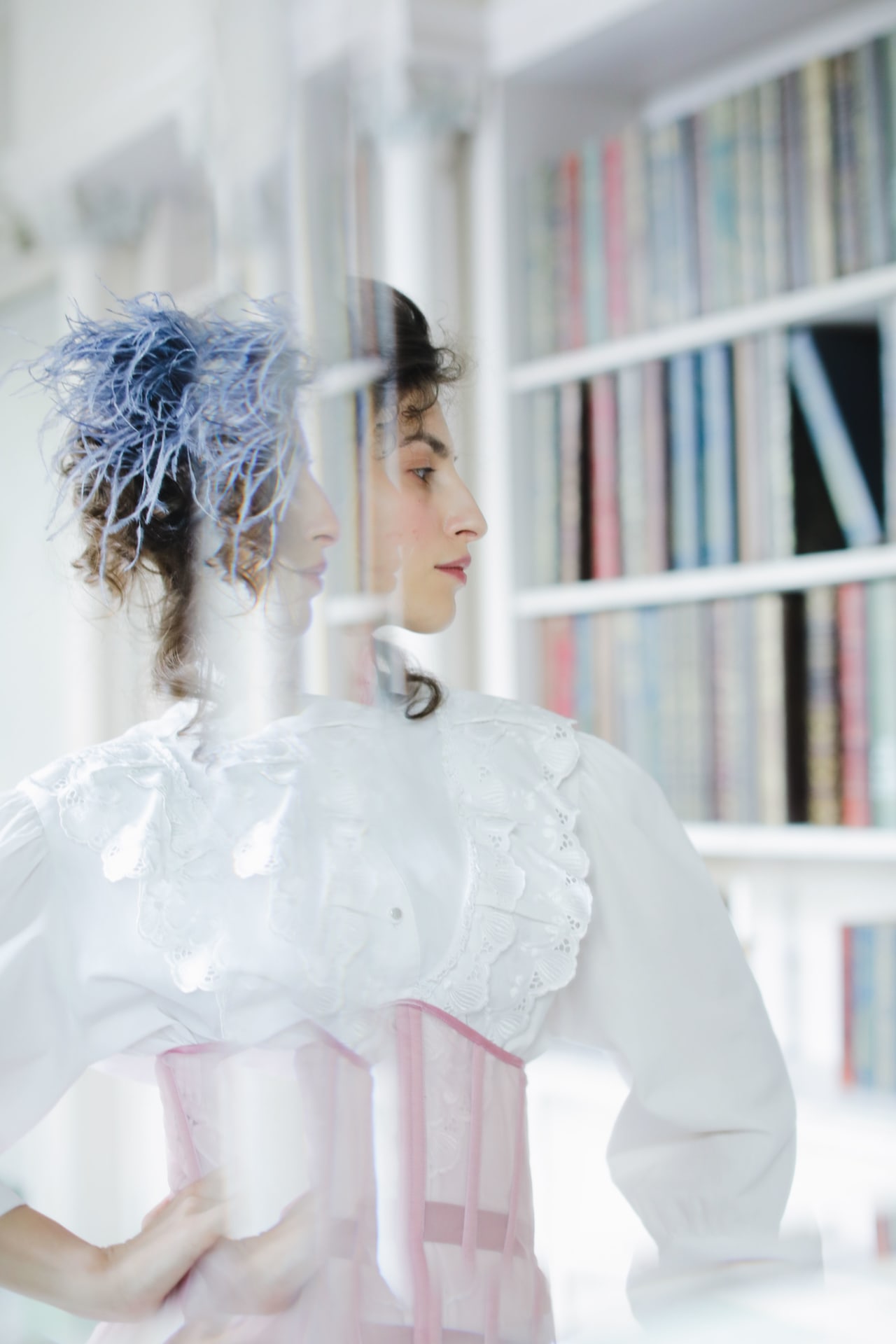
The Victorian style is the aesthetic of the reign of Queen Victoria (1837–1901), marked by restrained splendour, romanticism and strict etiquette. In dress it is high stand collars, long sleeves, corsets, bustles, layered skirts, lace, cameos and a modest, 'closed' covering of the body as a sign of virtue. The palette ranges from severe black (especially in mourning fashion, which Victoria herself made iconic) to deep, rich colours. Today Victorian motifs — jabots, high collars, lace, puffed sleeves — regularly return to fashion as a symbol of romantic, aristocratic elegance. This style inspires both modern gothic and romantic currents, remaining a source of dramatic, 'historical' beauty.
Compare “Victorian” with another term
Meaning, origins and distinction — side by side.
Distinction
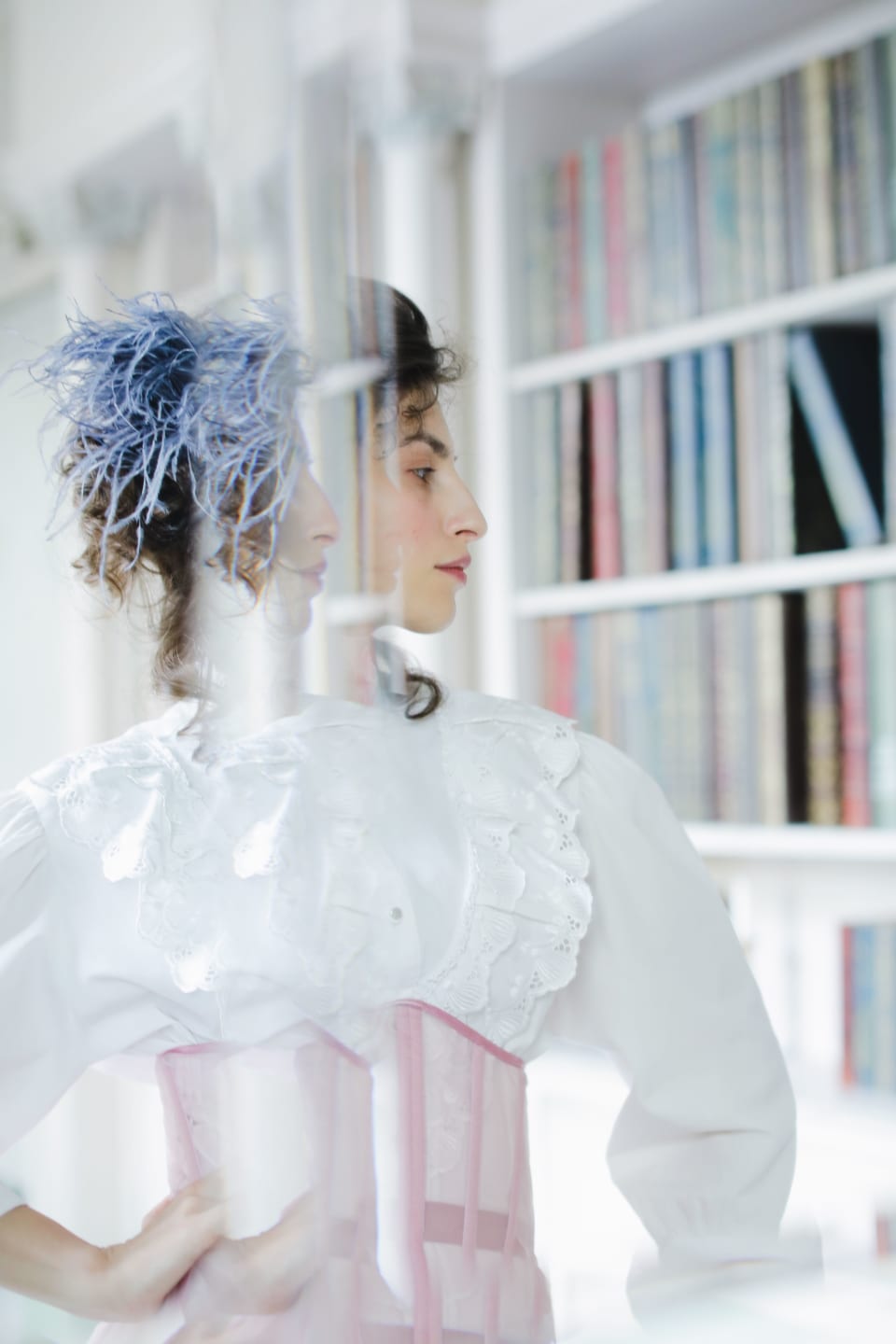
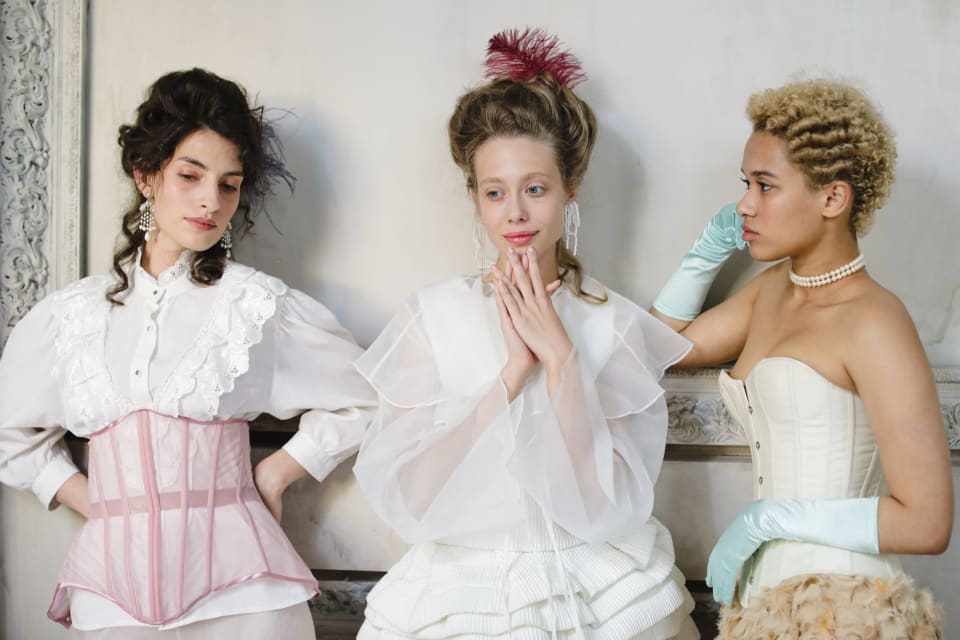
Two neighbouring eras of British fashion with distinct silhouettes. Victorian style (1837–1901) means corsets, bustles, high collars, dark saturated tones, heavy layering and severe modesty. Edwardian style (1901–1910) softened the form: an S-shaped silhouette with a full pigeon-breast bodice, pale pastels, lace, lightness and a move toward feminine elegance. Victorian is stricter; Edwardian airier.




