



TULLE
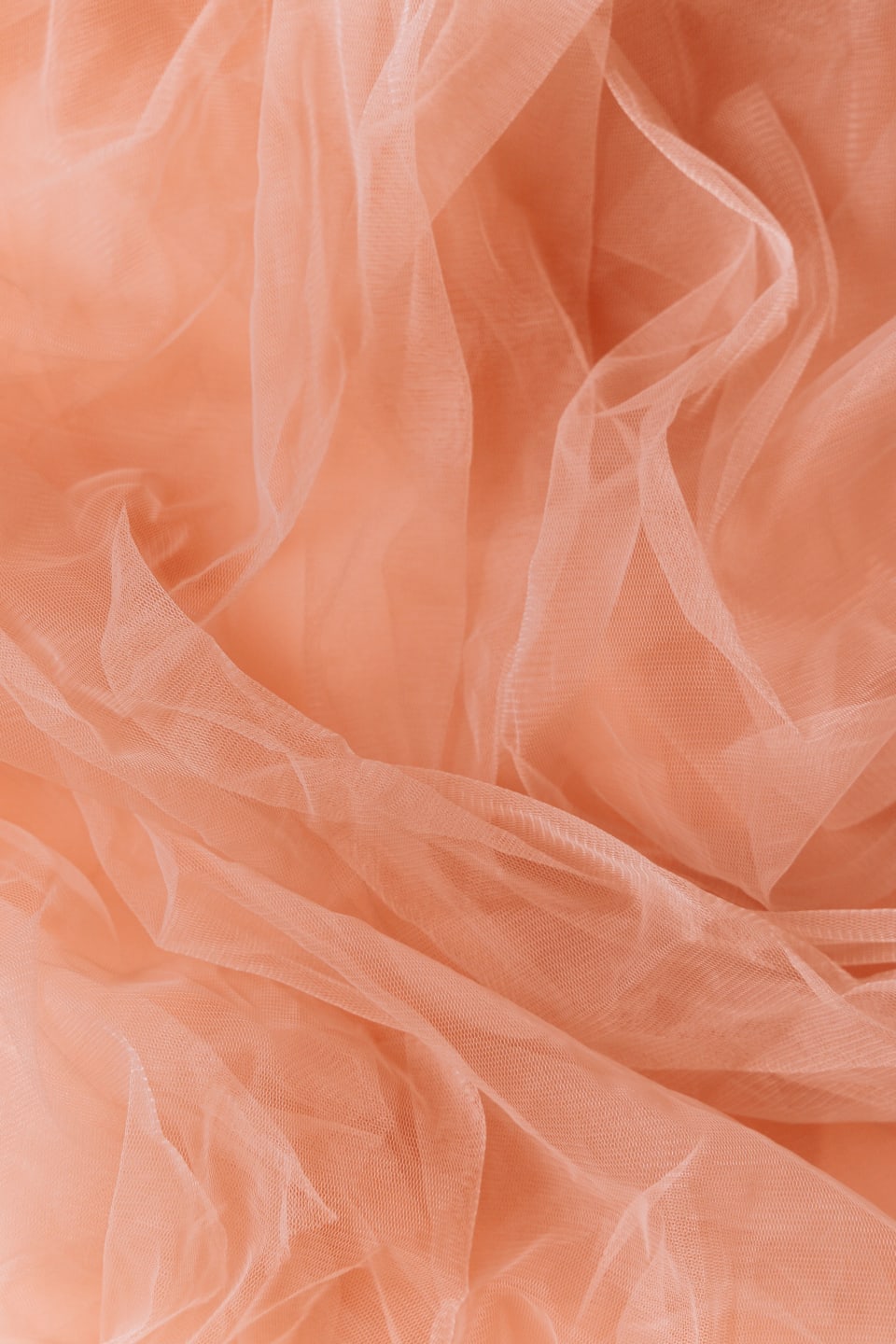
Tulle is a light, sheer net fabric with fine hexagonal holes, named after the French town of Tulle. It is made from silk, nylon or polyester. Tulle is almost weightless yet, depending on its stiffness, can hold lavish volume, which makes it the principal material of ballet tutus, veils, layered skirts and bridalwear. Light and airy, in several layers it creates a cloud-like effect and in a single layer a tender transparency. Tulle is delicate: it snags, tears and creases easily, and on a sheer cloth every seam must be neatly finished.
Compare “Tulle” with another term
Meaning, origins and distinction — side by side.
Distinction
Tulle is a fine netting with tiny hexagonal holes, light and airy, used for full skirts, veils and petticoats. Organza is a plain-weave fabric of thin twisted silk or synthetic yarns: it is transparent but solid rather than net-like, and far crisper, with a distinct sheen and a papery rustle. Tulle is softer and builds fluffy volume, while organza holds sharp pleats and sculptural, architectural shapes.




