



TIE-DYE
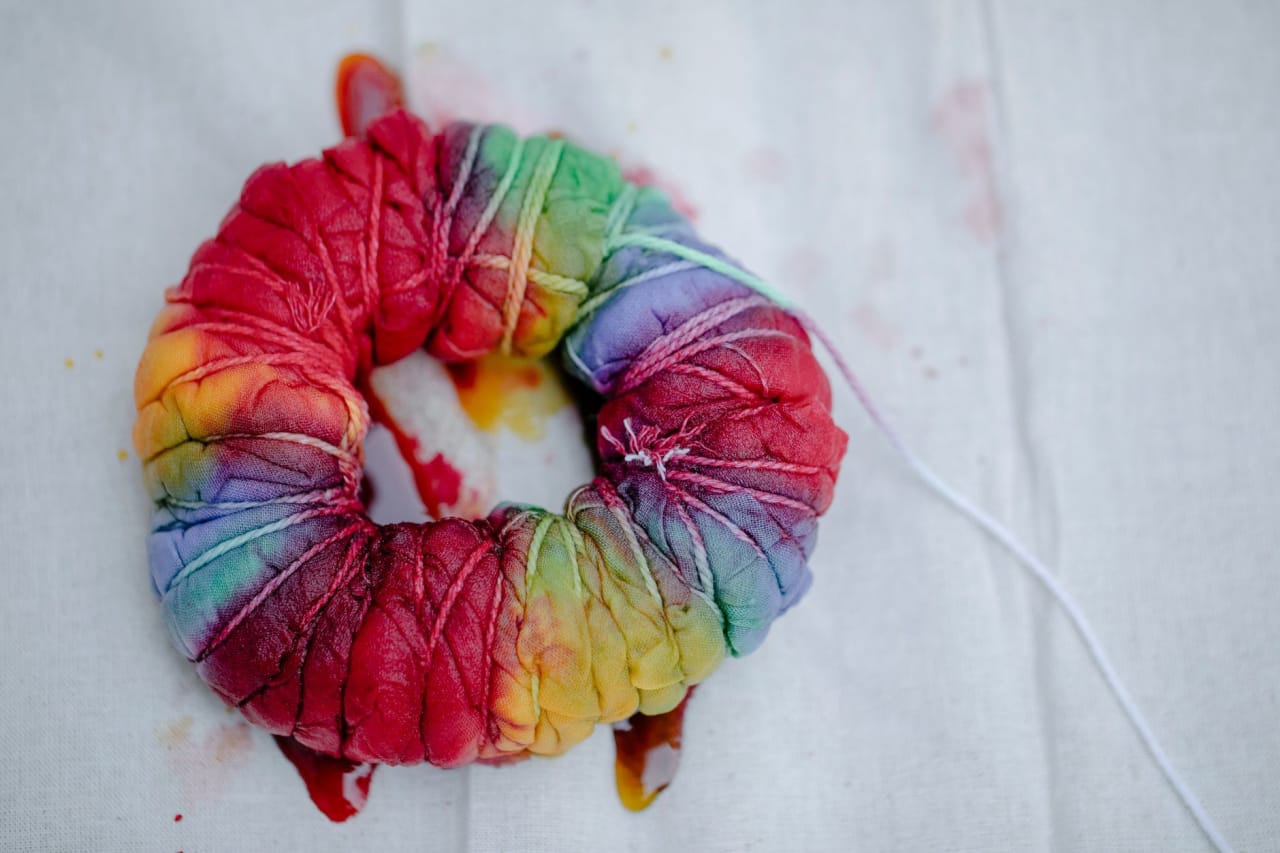
Tie-dye is a technique of decorative dyeing of fabric, in which the cloth, before the dye is applied, is tied, twisted or bound with cords so that part of the fibre stays undyed while the rest absorbs bright colours. The result is characteristic psychedelic patterns: spirals, circles, 'bursts' and rainbow transitions. The name directly describes the process: tie + dye. Although resist dyeing has been known for millennia in many cultures, it was tie-dye that became an icon of the 1960s–70s hippie counterculture as a symbol of freedom, peace and individuality — since every piece is unique. Tie-dye returns to fashion in waves, bringing a cheerful, relaxed, 'homemade' mood. Tie-dye is a technique of bright, free dyeing, in which the tying of fabric before the colour is applied creates inimitable psychedelic patterns that embody the spirit of freedom, creativity and carefree self-expression.
Compare “Tie-dye” with another term
Meaning, origins and distinction — side by side.
Distinction
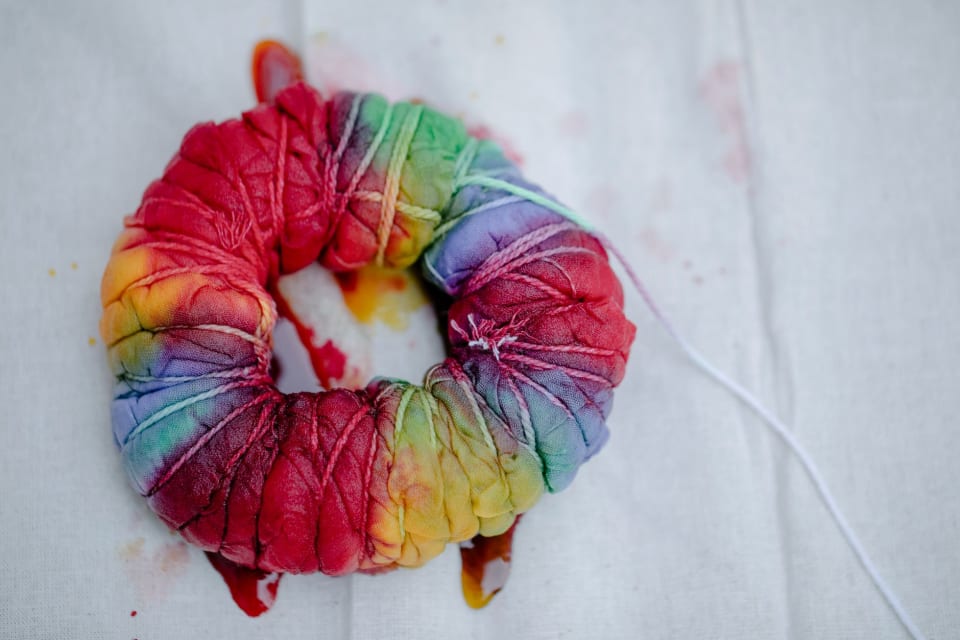
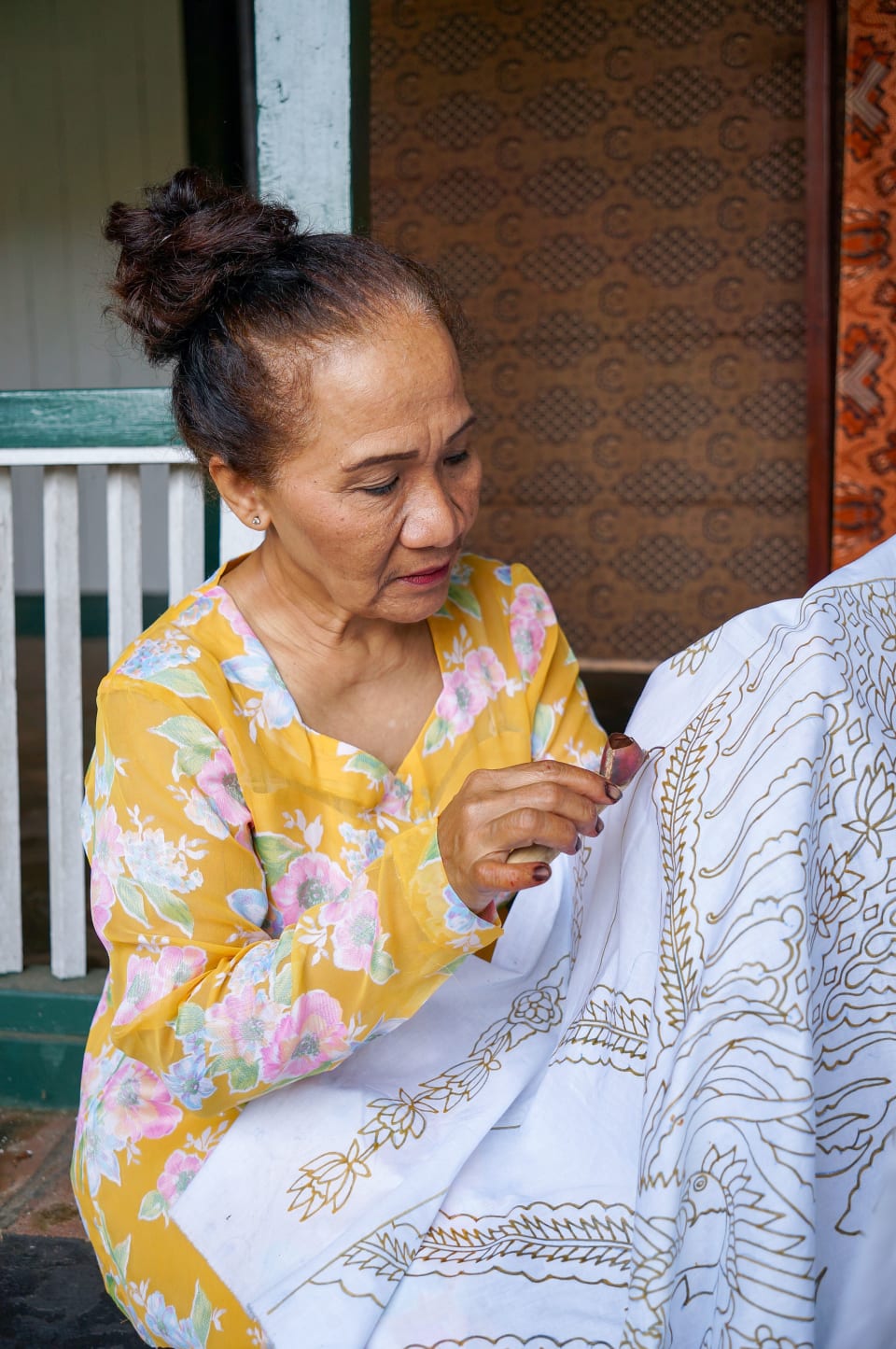
Two resist-dyeing techniques that protect areas of cloth in different ways. Batik uses hot wax as the resist: it is applied to the fabric, which is then dyed, and cracks in the wax create the signature veined pattern. Tie-dye resists mechanically — the cloth is twisted, knotted or bound so dye cannot reach the folds, forming concentric bursts of colour. Wax versus knot: two roads to a pattern.




