



KNITTING
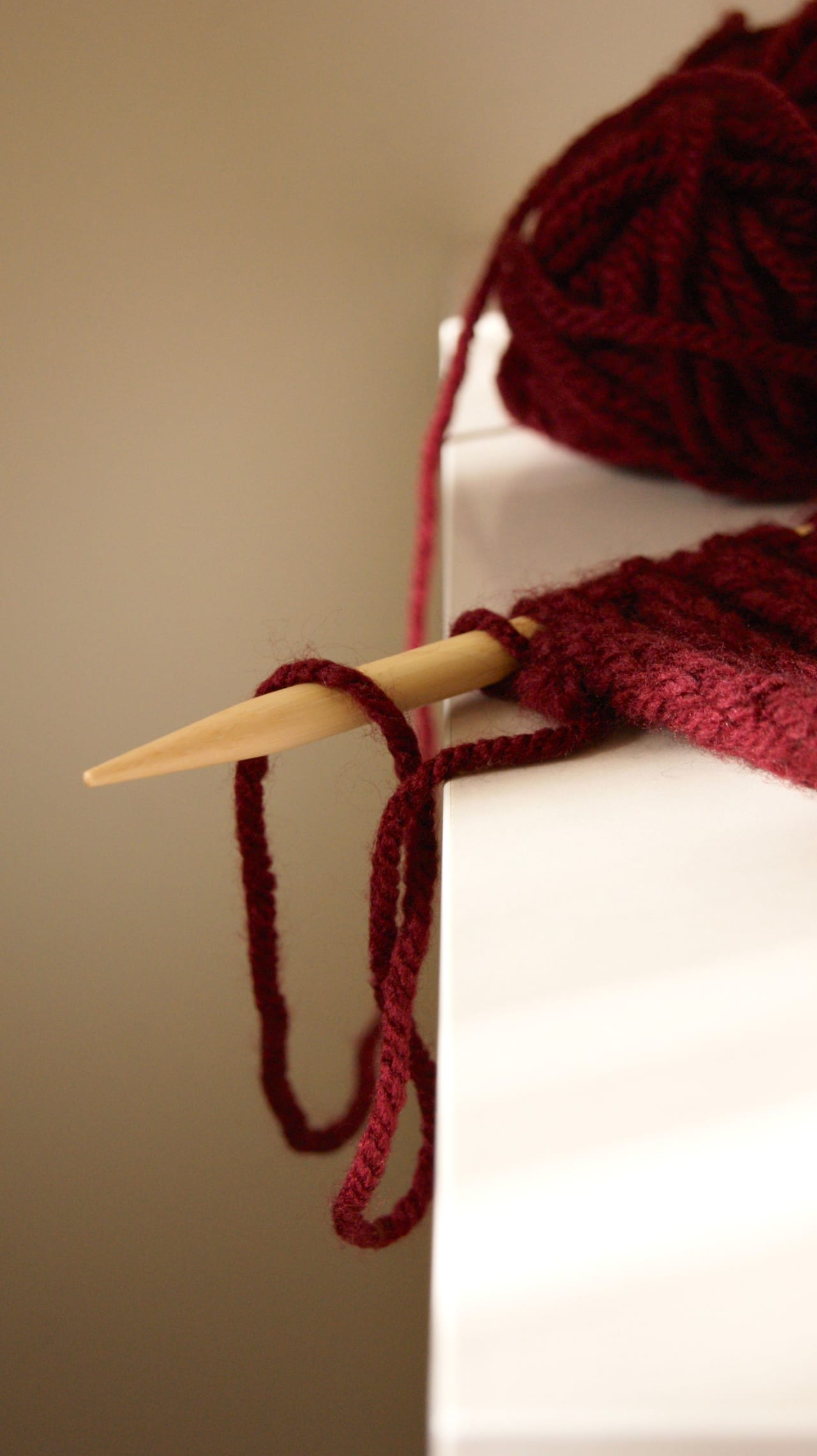
Knitting is the technique of creating an elastic fabric from a single continuous yarn formed into rows of loops with needles or a knitting machine. Unlike woven cloth, knitted fabric stretches and recovers, so it hugs the body beautifully. In Ukraine knitting long provided warm sweaters, socks, mittens, shawls and openwork wraps, while patterned knitting (cables, Aran motifs, jacquard) made them decorative too. The techniques are countless: stocking stitch, garter stitch, ribbing, lace. Knitting can be fast and machine-made or slow and meditatively hand-made. Today hand-knitting is a symbol of cosiness, slow fashion and a personal warmth invested in the piece.
Knitting in fashion is a technique of creating elastic fabric by interweaving loops. In Ukraine, knitting has an ancient tradition — from Lemko petek jackets to Hutsul kraika belts and Polissia blankets. The modern industry has expanded the format: hand knitting, machine knitting, 3D knitting, seamless whole-garment knitting.
Techniques: hand-knit, machine-knit, jacquard knit (with pattern), cable knit, waffle knit. Ukrainian designers — Bevza (minimalist sweaters), Forma (fashion knitted dresses), KOTOPALETTE (Carpathian knitted coats) — combine tradition with modern forms. Knitting is popular in sweaters, cardigans, hats, scarves, dresses, and now even in coats and suits.
Compare “Knitting” with another term
Meaning, origins and distinction — side by side.
Distinction
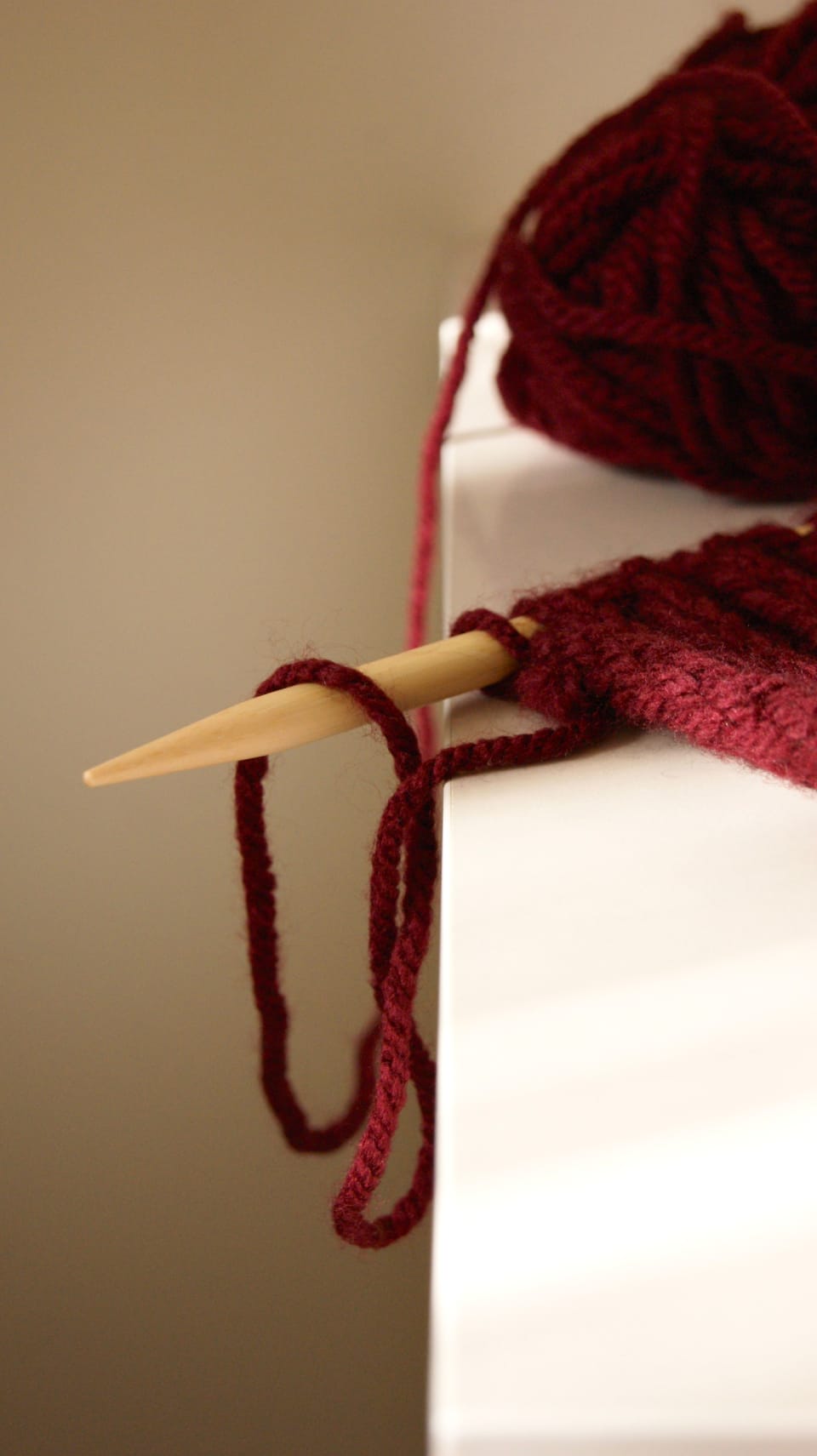
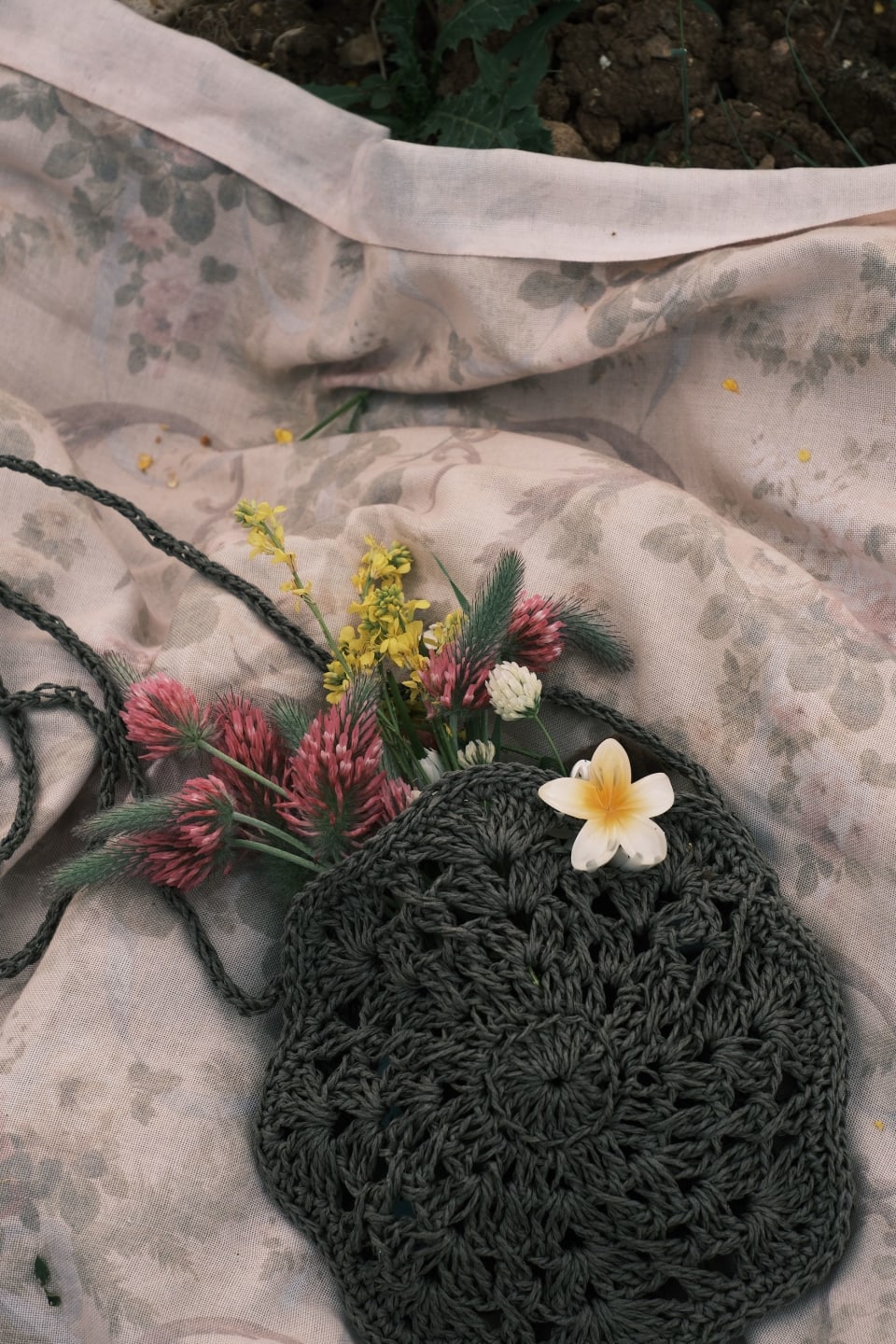
Two ways of making fabric from yarn without weaving. Knitting works a whole row of live loops across two needles, producing an elastic, smooth, stretchy fabric — sweaters and jersey. Crochet uses a single hook and closes each loop individually, yielding a denser, more textured and less elastic fabric — lace, trims and accessories. Needles give flexibility; the hook gives structure and openwork.




