



COTTON
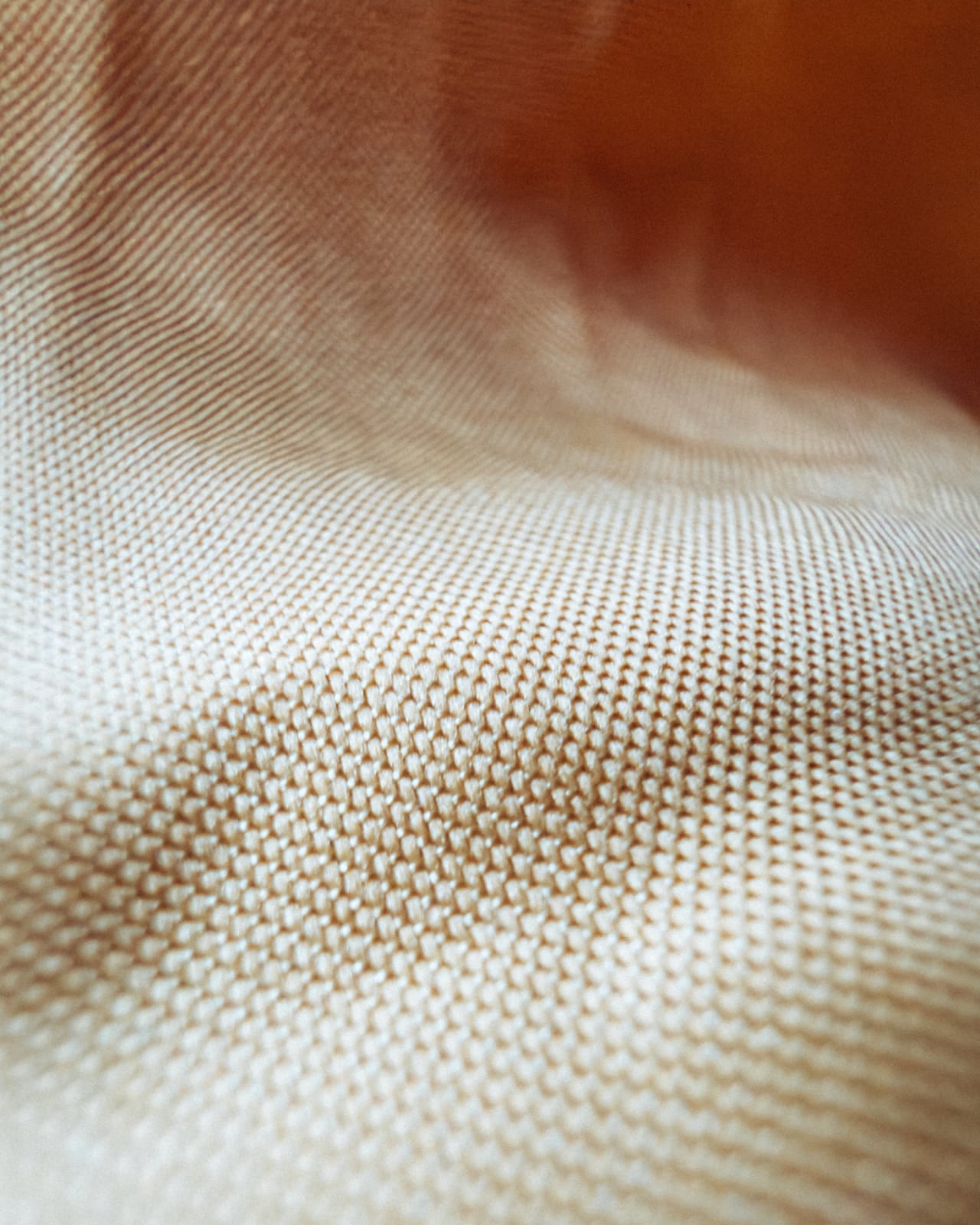
Cotton is a natural plant fibre from the seed pods of the cotton plant and the most widely used natural fibre in clothing. Its chief virtues are absorbency, breathability and softness, which make cotton garments comfortable and hypoallergenic. Depending on the weave and finish it yields very different cloths, from heavy denim to featherlight batiste. Cotton dyes readily, holds its shape and withstands frequent washing, which is why it is the backbone of everyday dress — T-shirts, shirts, underwear, jeans. Its weaknesses are that it creases and can shrink.
Cotton is a natural material obtained from the hair of the cotton plant (Gossypium). The most popular natural fabric in the world due to its accessibility, breathability, and versatility. Ukraine has a rich history of cotton production — from Kherson textile factories to contemporary eco-textile startups.
Cotton technical palette: organic cotton, Egyptian cotton (premium, long fibers), Pima cotton (soft), Supima cotton (premium long-fiber), recycled cotton (eco alternative). Ukrainian designers — Etnodim, Vita Kin, Forma, KSENIASCHNAIDER — use cotton in vyshyvanka shirts, everyday t-shirts, light summer dresses, children's clothing. Classic cotton holds shape, breathes, doesn't cause allergies.
Compare “Cotton” with another term
Meaning, origins and distinction — side by side.
Distinction
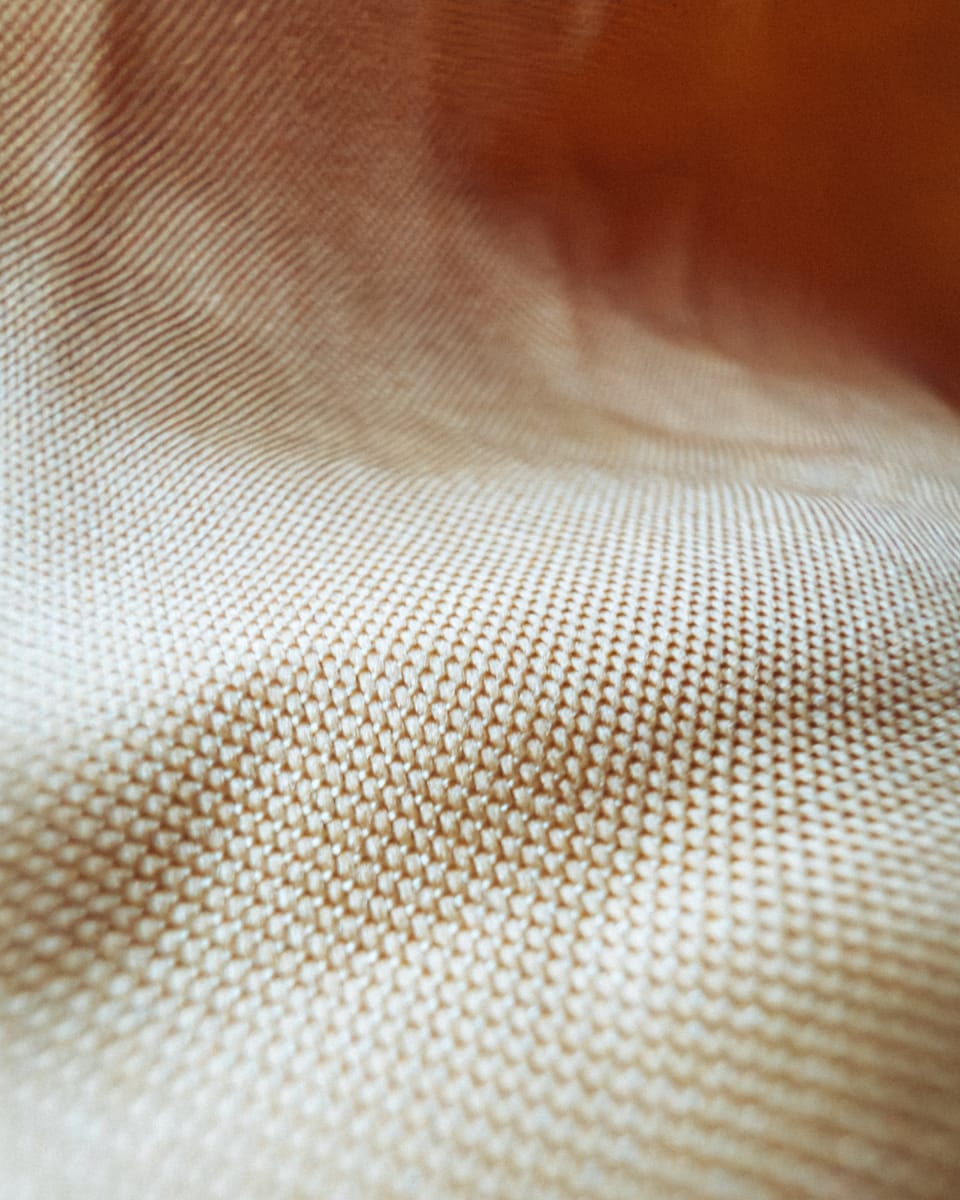
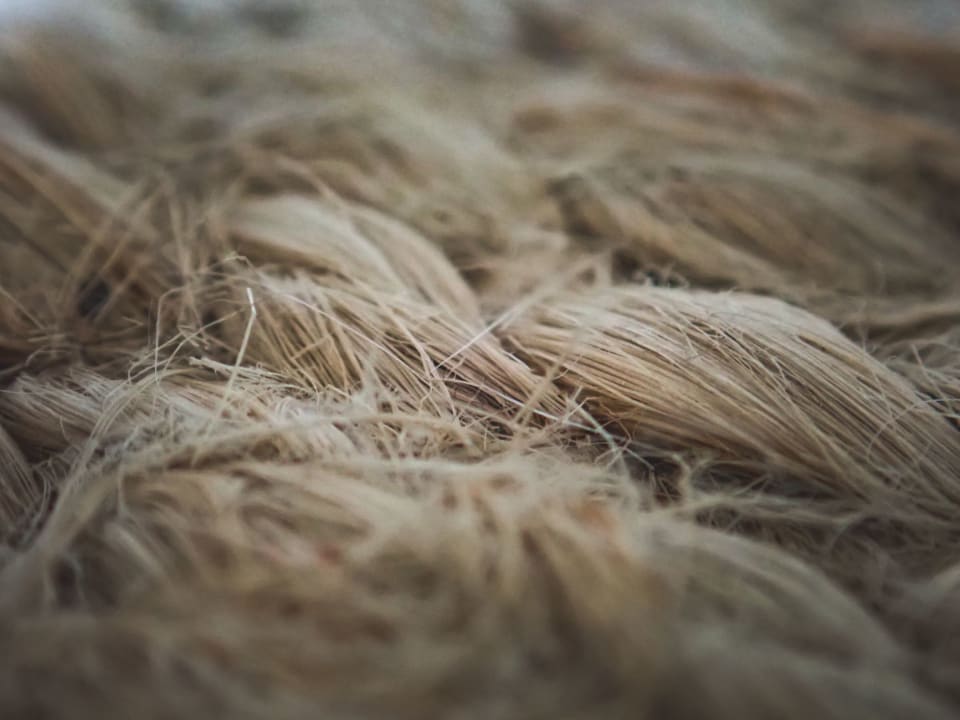
Both are natural plant fibres, yet come from different crops with distinct behaviour. Flax is spun from the stem of the plant: long, strong, cool and naturally matte, but prone to creasing and sharp wrinkles. Cotton comes from the boll of the cotton plant — softer, more pliable, less breathable, yet far easier to dye and launder. Flax suits crisp summer minimalism; cotton suits everyday versatility.




