



CASHMERE
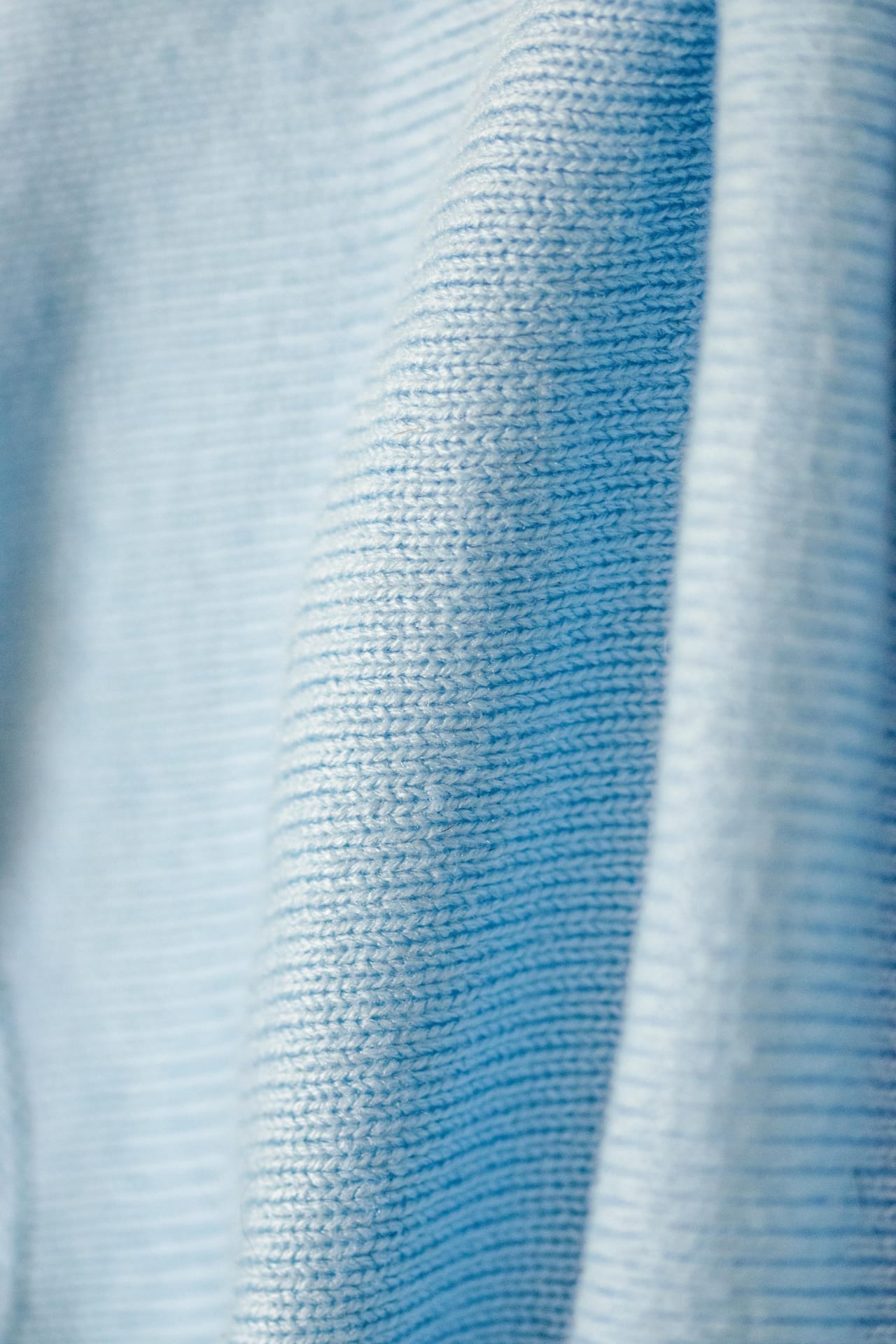
Cashmere is one of the most precious natural fibres — the fine downy undercoat of Kashmir goats that live in the highlands of Asia. A single goat yields only about 100–200 g of down a year, combed out by hand, which explains the price. Cashmere is extraordinarily soft and light yet several times warmer than ordinary wool, does not prickle and retains heat at very low weight. It is knitted into premium sweaters, shawls, coats and accessories. It is delicate: it fears friction and high heat, can pill, and needs gentle hand-washing and flat storage.
Cashmere is a thin soft fiber obtained by combing the underwool of Kashmiri goats living in the Himalayas, Mongolia, and Afghanistan. One goat yields only 100-200 grams of cashmere per year — hence the high price. Cashmere is 8 times warmer than sheep wool at three times less weight.
Technical palette: pure cashmere (100%), cashmere blend (with silk, merino), recycled cashmere (eco alternative), Italian-made cashmere (premium processing). Contemporary Ukrainian premium brands — The COAT by Katya Silchenko, Lobanova Cashmere, Bevza — use cashmere for coats, sweaters, scarves, hats. Classic colors — nude, beige, stone gray, black, sapphire. Cashmere is a time investment: properly cared for, it lasts 10-15 years.
Compare “Cashmere” with another term
Meaning, origins and distinction — side by side.
Distinction
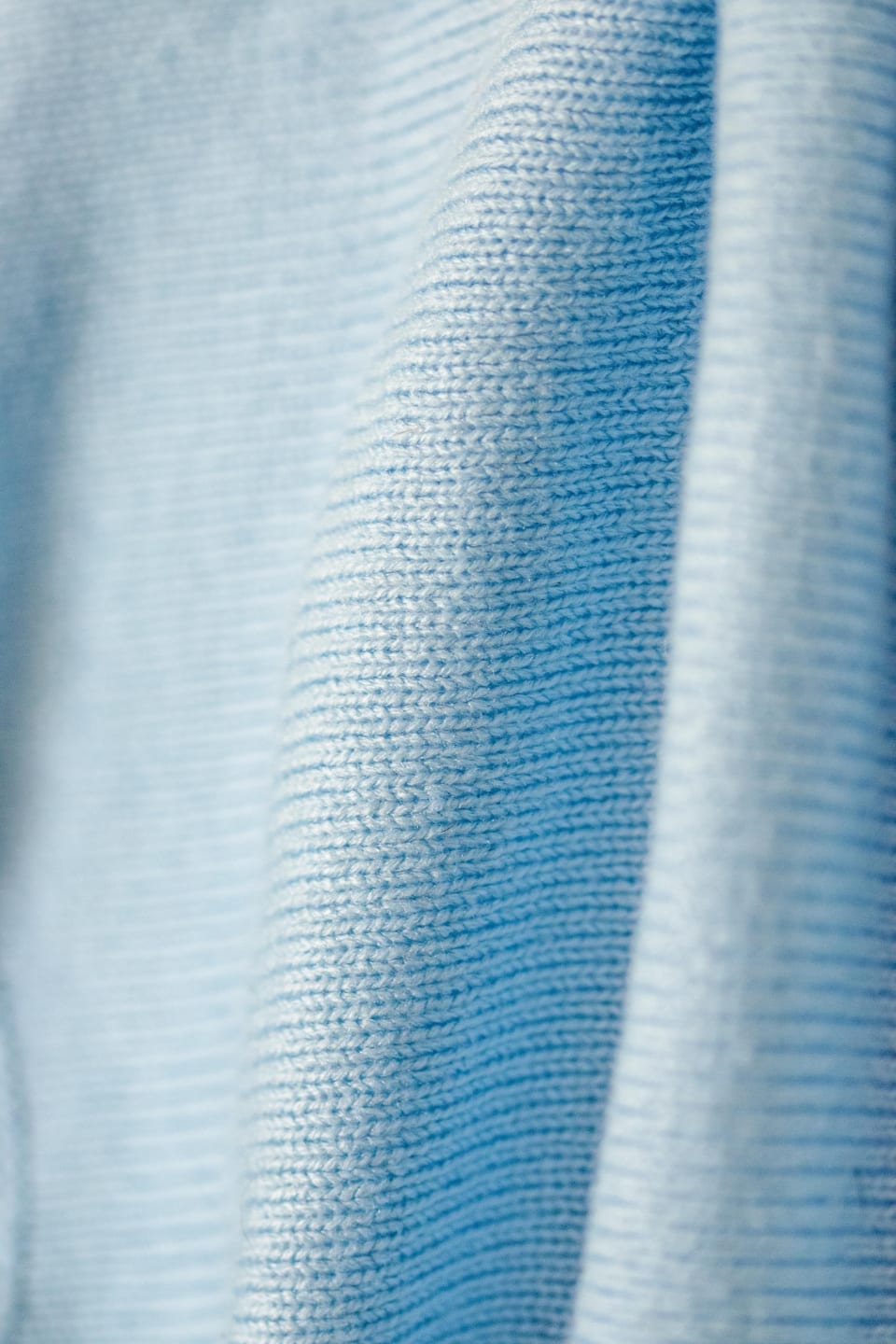
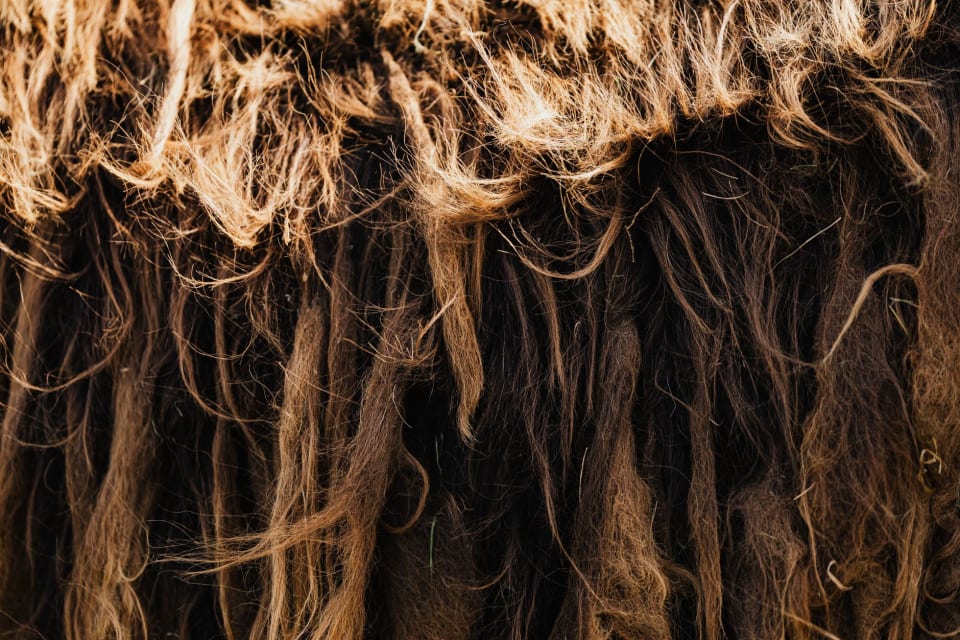
Both are luxurious natural animal fibres, warm and light. Cashmere is combed from the undercoat of mountain goats; it is extraordinarily soft, fine and airy, but less durable and prone to pilling. Alpaca is the fleece of a South American animal: the fibre is longer, stronger and hollow inside, so it insulates more, barely prickles, is hypoallergenic and pills very little. Cashmere feels more delicate, while alpaca is hardier and warmer for its weight.




