



AVANT-GARDE
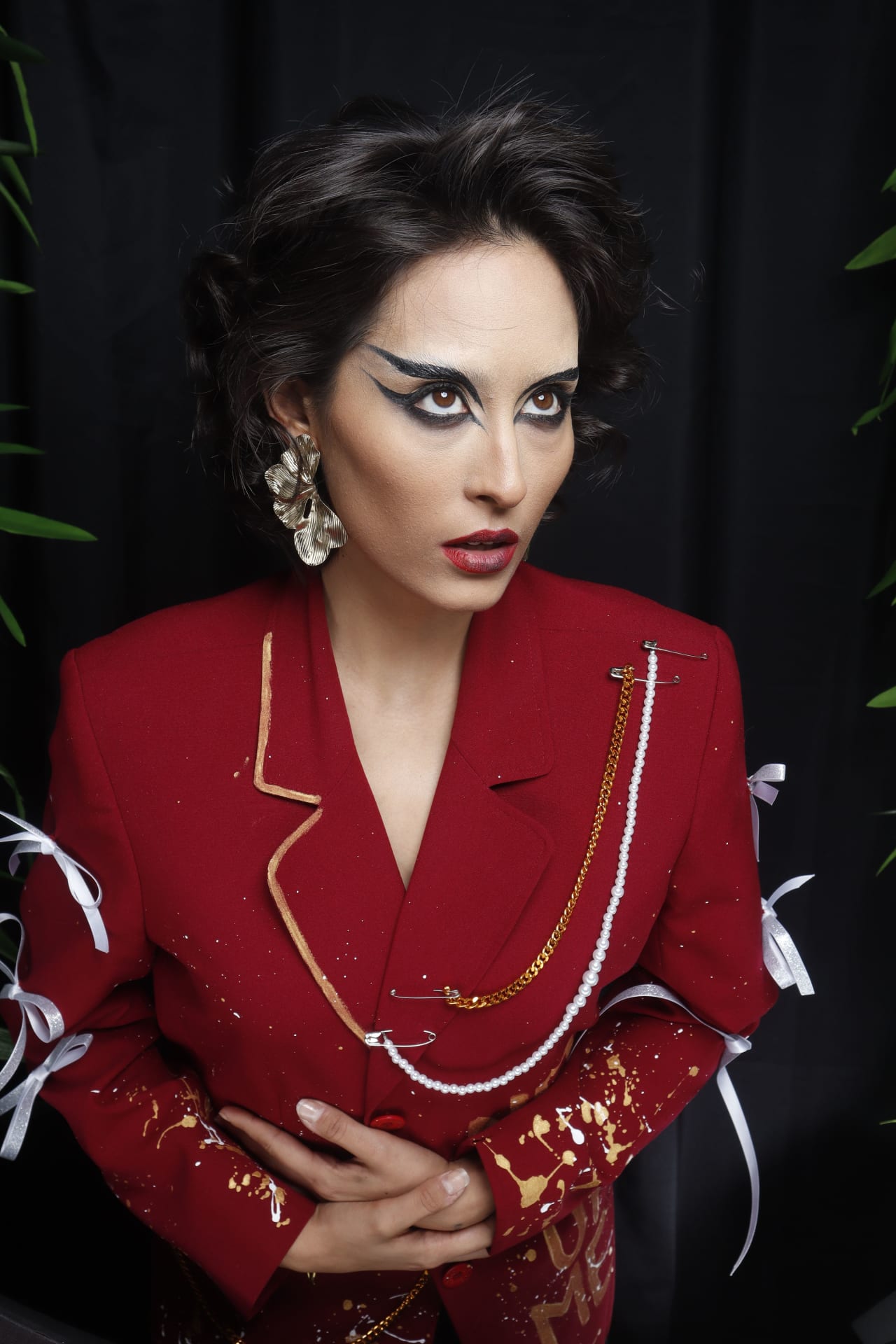
Avant-garde is an experimental, conceptual style that deliberately breaks the established rules of cut, form and the very purpose of clothing, bringing fashion closer to art. Avant-garde designers (Rei Kawakubo / Comme des Garçons, Martin Margiela, Issey Miyake) explore atypical silhouettes, asymmetry, deconstruction, volume and unusual materials, often placing concept above wearability. Such clothing can shock, provoke or bewilder, because its aim is not to adorn but to pose a question, to challenge notions of beauty and the body. Avant-garde is fashion's laboratory, where ideas are born that later 'seep' into mass clothing. It is a style for the bold, who see dress as a means of self-expression and artistic statement.
Avant-garde fashion is a philosophy of constant experimentation where clothing becomes a platform for artistic provocation and conceptual statement. Ukrainian fashion avant-garde has deep roots in Malevich's suprematism and Tatlin's constructivism, which insisted on radical simplicity of form and function.
Contemporary Ukrainian avant-garde designers — Litkovska, Bevza, Frolov — continue this tradition, combining sculptural silhouettes with minimalist materials. Avant-garde looks are often characterized by asymmetry, unusual proportions, non-traditional fabric usage, and architectural detail construction. This is not everyday clothing but a manifesto of new aesthetics.
Compare “Avant-garde” with another term
Meaning, origins and distinction — side by side.
Distinction
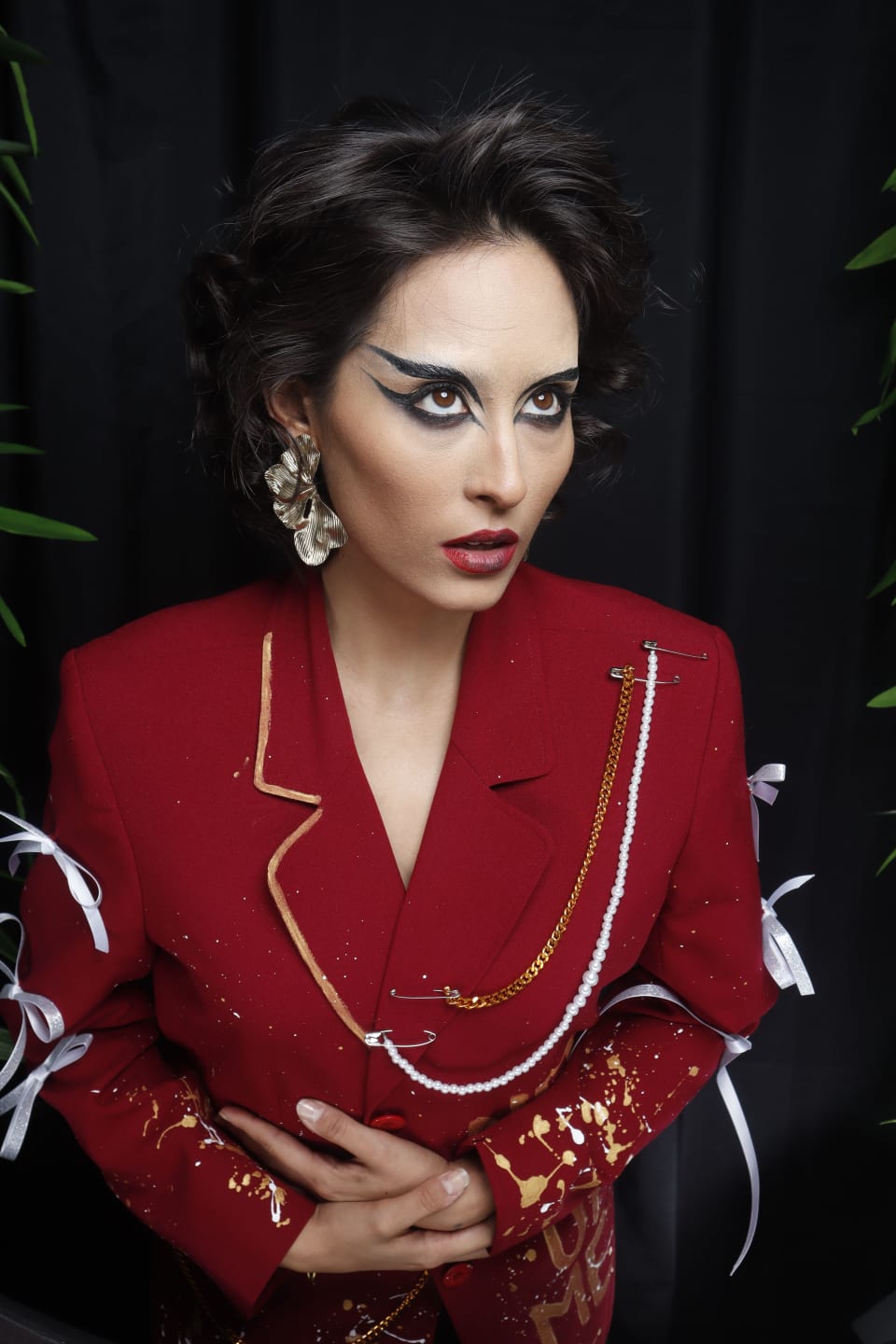
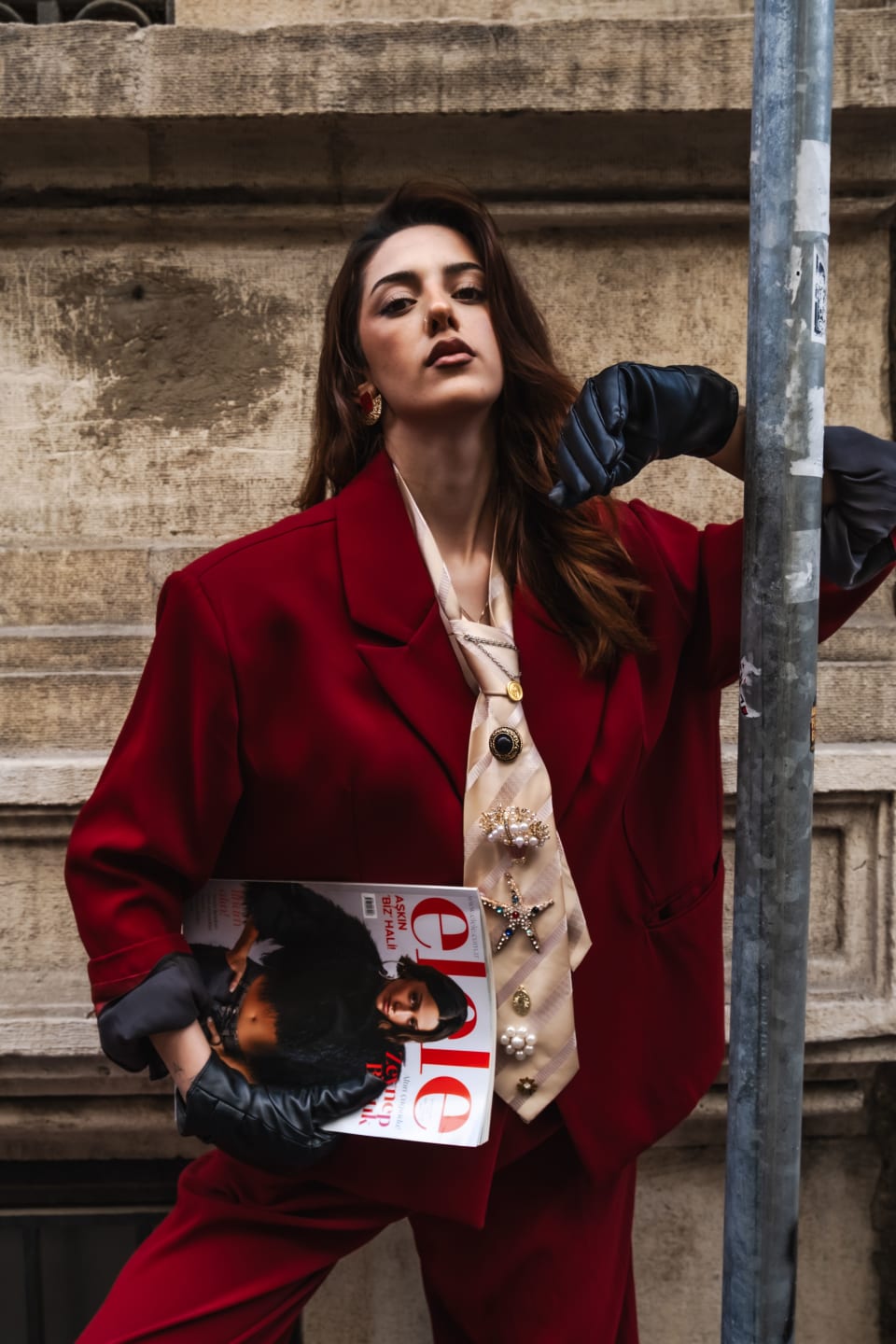
Two opposite stances toward tradition. Classic leans on time-tested forms — the suit, the shirt, the trench — favouring restraint, quality and a timelessness independent of seasonal trends. The avant-garde rejects convention: it experiments with deconstruction, unconventional volumes, asymmetry and concept over wearability. Classic preserves and refines the canon; the avant-garde breaks and reimagines it.




