


EMPIRE
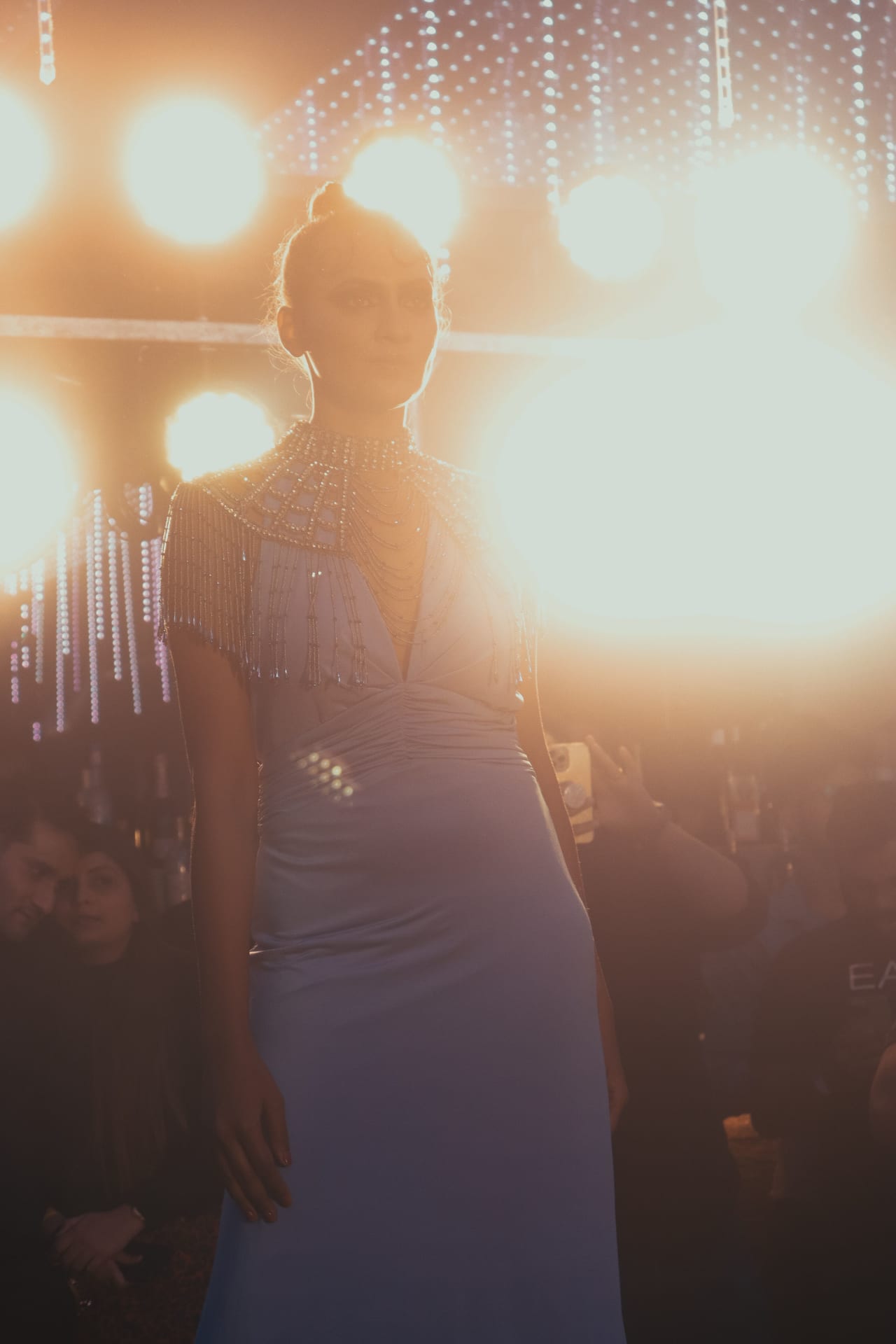
The empire is a silhouette with a very high waistline sitting just below the bust, from which the fabric falls freely in a straight or slightly flared line. It appeared in the 1790s as part of neoclassical fashion (the name refers to the First French Empire, 1804–1815, though the term itself was coined retrospectively in the early 20th century) under the influence of antique tunics and became a symbol of romantic, 'Grecian' simplicity. The empire visually lengthens the figure, conceals the waist and stomach and suits various body types, which is why it remains popular in evening, bridal and maternity dresses. It is one of the most elegant and romantic silhouettes in fashion.
Empire (from French «empire») is a silhouette that appeared in the 1790s in neoclassical fashion (the name refers to the First French Empire, 1804–1815, though the term itself was coined retrospectively in the early 20th century) as imitation of ancient Greek and Roman costume. Raised waistline creates a long flowing skirt line, giving the figure statuesque elegance. This silhouette conceals the belly, emphasizes the bust, gives the figure gracefulness.
In contemporary fashion, Empire is used for evening dresses, wedding dresses, casual tunic-dresses. Ukrainian designers — Galit, Larisa Lobanova, Bevza — interpret Empire in summer collections, combining it with natural fabrics (linen, silk, cotton). Empire is especially relevant for pregnant women and as a universal cut for all body types.




